Picking up a UK SIM in a 1,000-person town means walking to the post office, not the airport kiosk. Here is how connectivity works in the smallest town in Britain.
The post office on the high street in Saint Davids is where you will likely buy your phone top-up. The queue is short. The signal is not.
The Reality of a Small-Town Signal
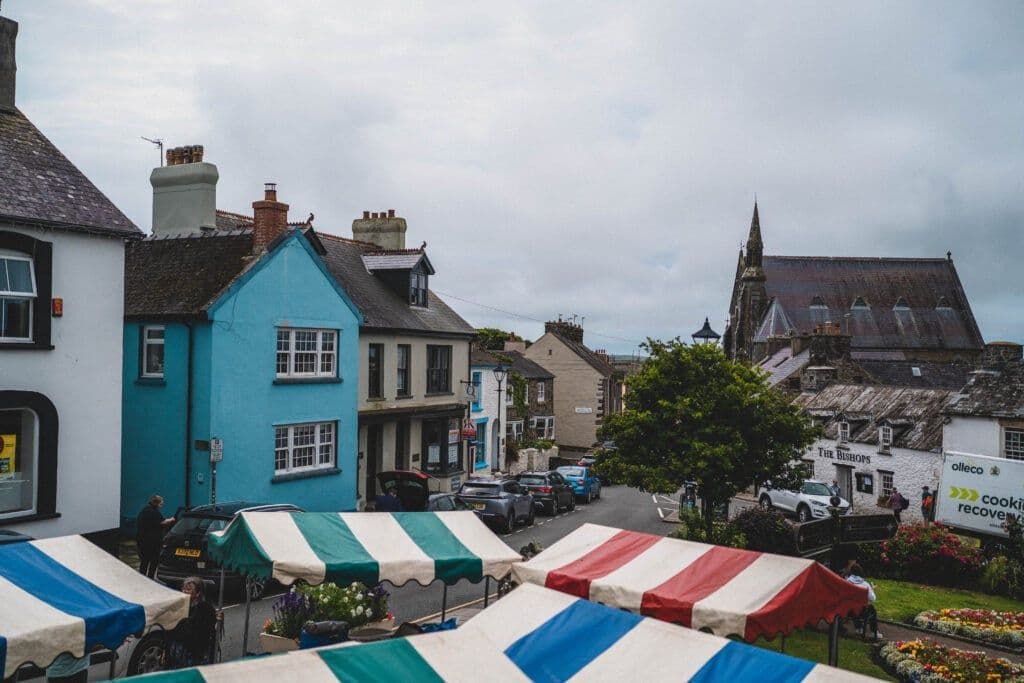
Saint Davids is the smallest town in Britain. The population hovers around 1,000. It sits in Pembrokeshire, Wales, at the western tip of the country. The physical layout matters for connectivity. The town is compact, built around the cathedral precinct, and the surrounding area is rural.
Mobile coverage in this part of Wales is generally good on the major networks, but "good" is a relative term when you are standing on a headland. The terrain here is exposed. The Pembrokeshire coast has cliffs and valleys that can create dead zones. If you are walking the coastal paths outside the town center, your signal will drop. The geography dictates the signal strength.
For a visitor, the implication is simple: you will have signal in the town center, at the cathedral, and along the main high street. You will likely lose it if you walk two hundred meters up a hillside. Plan your data usage accordingly. Do not rely on real-time navigation for a hike in the surrounding countryside. Download your maps before you leave the paved area.

Getting a SIM: The Post Office Route
There is no airport in Saint Davids. The nearest major airports are Swansea, Cardiff, and Bristol, all a significant drive away. This means you are not arriving at a hub with a row of telecom kiosks. You are arriving by car, train, or bus into a small market town.
The primary point of contact for mobile services here is the local post office. In the UK, post offices often serve as agents for major mobile network operators. You can walk in, ask for a pay-as-you-go SIM, and leave with a card and a credit code. The process is slow. It is human. You will speak to a person who has been doing this for twenty years.
If you are a UK resident or have a UK number, you can simply top up your existing plan. If you are an international visitor, you need to be aware of the rules. UK SIM cards typically require proof of identity. For short-term visitors, this can be a hurdle. Some operators allow tourist SIMs with a passport, but policies vary. The post office clerk will tell you what is possible. Do not assume you can walk in and walk out with a new number without a conversation.
Data, Calls, and the Cost of Silence
Pricing in the UK mobile market is competitive, but the options in a small town are limited. You are not going to find a boutique tech store. You are going to find a shelf of prepaid cards.
For a short trip, a prepaid SIM with a data bundle is the standard approach. Prices for a basic data bundle (around 1–5 GB) typically range from £10 to £20. This is enough for email, maps, and light social media use. If you plan to stream video or use your phone as a hotspot for a laptop, you will need a larger bundle. These can cost £30 or more.
Calls are cheap. If you are staying in a guesthouse or hotel, you will have a landline. Use it. Mobile calls to UK numbers are often included in the data bundle or cost a few pence per minute. International calls are expensive. Use Wi-Fi for video calls.
The key practical detail: Wi-Fi is available in most public spaces. The library, the cathedral visitor center, and most cafes offer free Wi-Fi. The quality varies. It is often slower than what you are used to. Do not rely on it for large downloads. Use it for checking messages and browsing.
The Infrastructure: What the Town Tells You
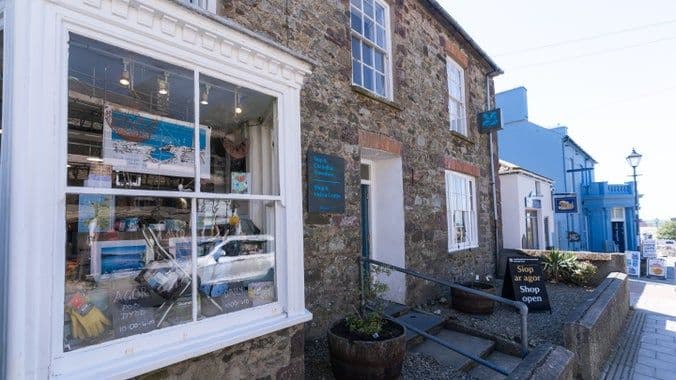
Saint Davids is a town that has not changed much in a century. The infrastructure reflects this. The fiber optic rollout in rural Wales has been slower than in urban centers. Many homes and businesses in the surrounding villages are still on ADSL or older copper lines. This means that if you are staying in a rural guesthouse, your internet speed may be disappointing.
The town center is better. The main commercial buildings have been upgraded. The post office, the bank, and the larger shops have reliable broadband. If you are working remotely, plan to do your heavy lifting in the town center. The cafes are quiet, especially in the afternoon. The light in the autumn is low and golden, hitting the stone walls of the cathedral precinct. It is a good place to sit with a laptop and a cup of tea.
The mobile networks have invested in the area, but the coverage is patchy. The major networks (O2, Vodafone, EE, Three) all have masts in the vicinity. Which one is best depends on where you are standing. There is no single "best" network for the whole town. Test your phone when you arrive. If you have a dual-SIM phone, you can test two networks and see which one holds a signal on the hillside.

When to Go and Who It Is For
The best time to visit Saint Davids for connectivity purposes is the same as the best time to visit for any reason: the shoulder seasons. Spring (April–May) and Autumn (September–October) offer mild weather and fewer tourists. The crowds are manageable. The post office is not overwhelmed. The cafes have space.
Summer (June–August) is busy. The tourist numbers swell. The mobile networks are under more load. The Wi-Fi in public spaces is slower because more people are using it. If you are going to rely on connectivity, avoid the peak summer months.
Winter (November–February) is quiet. The light is short. The days are dark. The infrastructure is less stressed. If you are a digital nomad or a remote worker, winter is a good time to come. The town is empty. The signal is stable. The cost of living is lower.
Who is this for? It is for the slow traveler. The person who does not need to be connected to the world every second. The person who wants to walk the coast, sit in the cathedral, and read a book. The person who understands that connectivity is a tool, not a lifestyle. If you need 5G speed and low latency, Saint Davids is not for you. Go to Cardiff. Go to London. If you want to be connected enough to be safe and informed, but not so connected that you miss the silence, this is the place.

Practical Questions
Do I need a UK SIM card? No. If you have an international roaming plan, you can use your home SIM. Check the data limits and costs before you go. Roaming in the UK can be expensive if you are not careful. A local prepaid SIM is cheaper for heavy data use.
Is there Wi-Fi at the train station? The nearest train station is Haverfordwest, about 10 miles away. The station itself has limited Wi-Fi. The town of Saint Davids does not have a train station. You will arrive by car or bus. The bus stop in the town center has no Wi-Fi.
Can I buy a SIM at the airport? There is no airport in Saint Davids. The nearest airports are Swansea, Cardiff, and Bristol. You can buy a SIM at these airports, but the prices are higher than in the town. It is better to buy one in Saint Davids at the post office.