Skip the Skopje crowds. For €15/night, Radovis offers fast rail access to Greece and a quiet base for serious work. Here’s how to make it work.
The Rail Reality
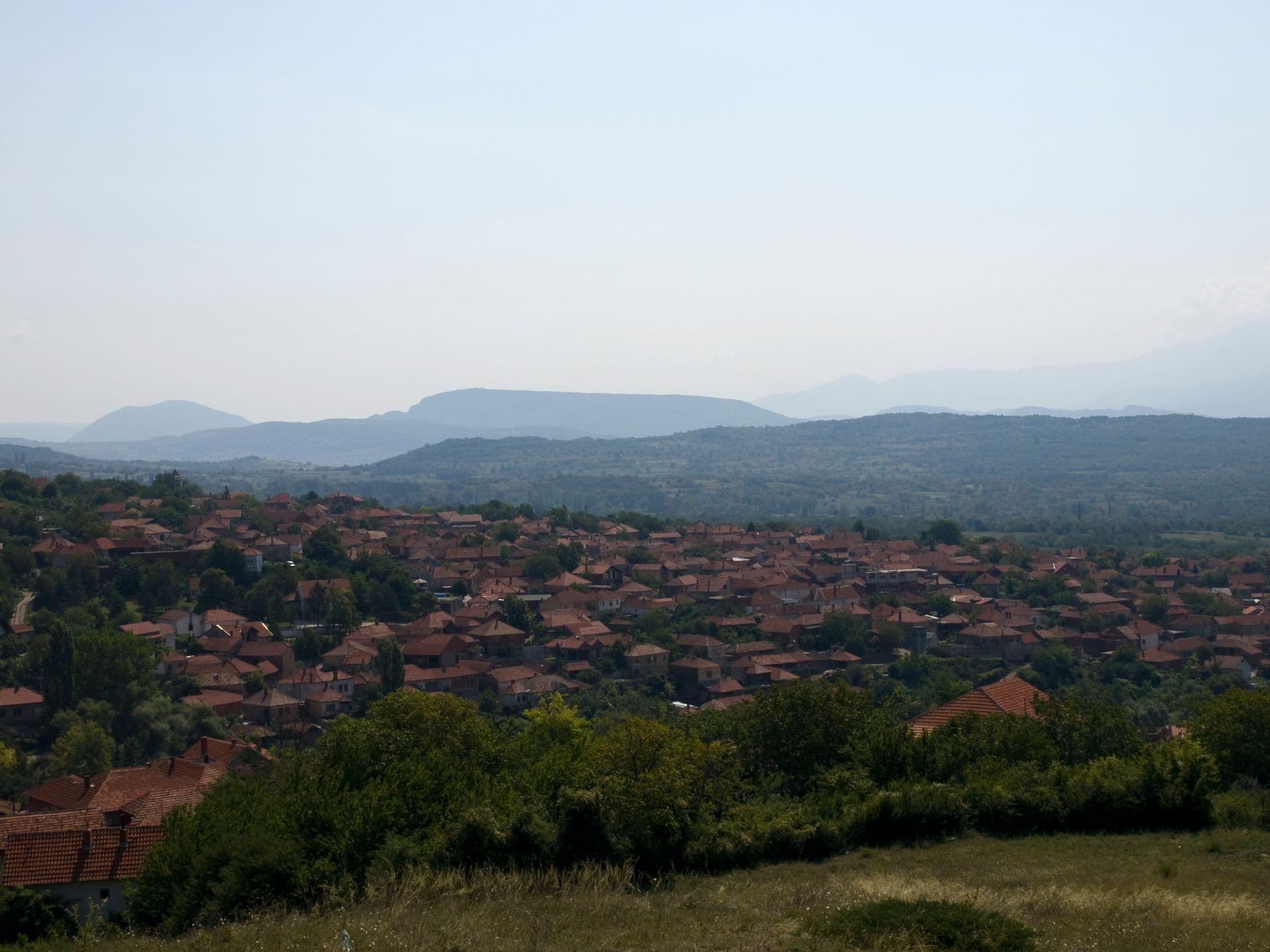
You don’t need a high-end coworking space with kombucha on tap to get work done. You need speed, silence, and cheap coffee. Radovis sits directly on the main north–south rail corridor connecting Skopje to Thessaloniki. This is your lifeline. While the town itself lacks verified, branded coworking hubs, the infrastructure here supports a specific type of nomad: the transit-hopper who values connectivity over community events. Trains run regularly along this axis. If you’re working remotely from a café or your Airbnb, you’re minutes away from crossing into another country. The station isn’t flashy, but it functions. That’s what matters. Check schedules locally; frequencies vary, so don’t assume hourly service like in Western Europe. Plan your work blocks around train times if you’re moving south.
Where to Stay
Accommodation in Radovis is sparse compared to tourist magnets like Ohrid or Skopje. You won’t find five-star chains here. Instead, look for family-run guesthouses and small apartments in the town center. Prices typically hover around €15–€25 per night. This is half what you’d pay in Skopje’s Old Bazaar. The trade-off? Fewer amenities. You might share a bathroom or deal with spotty Wi-Fi in older buildings. Bring your own power bank and download offline maps. If reliable internet is non-negotiable, consider staying in Skopje and day-tripping, or accept that you’ll need to test connections upon arrival. Most listings are on regional platforms rather than global giants. Read recent reviews carefully—“quiet” can mean “isolated.”
Connectivity & Workspace
There is no confirmed, named coworking space in Radovis as of late 2026. Don’t let anyone sell you a “hub” without seeing it first. Your best bet is local cafés near the main square or near the bus station. These spots often have free Wi-Fi, though speeds can dip during peak hours. Buy a coffee (around €1.50) and settle in. If the connection fails, head to the library or ask at your accommodation about mobile hotspot rentals. Macedonian SIM cards offer decent data packages for tourists. Buy one at an official kiosk, not from street vendors who might charge inflated rates. Test your upload speed before committing to a week-long stay. For video calls, find a corner with low foot traffic. Noise levels in these cafes rise quickly in the afternoon.
Food on a Budget
No specific dish has been confirmed as unique to Radovis in current searches. Stick to the staples you know from across North Macedonia. Look for burek—flaky pastry filled with cheese or meat—at any bakery (pekara). It’s filling, costs under €2, and works as breakfast or lunch. Pair it with ayran (yogurt drink) to cut the grease. For dinner, seek out simple grill houses serving mixed meats or vegetarian options like stuffed peppers. Avoid places with English menus unless they’re heavily reviewed; those tend to mark up prices for transient visitors. Local markets sell fresh produce cheaper than supermarkets. If you’re cooking, buy eggs, bread, and seasonal vegetables. Eating local means adapting to what’s available, not chasing a “signature” plate that may not exist.
When to Go
Timing is everything. Saint Clement of Ohrid Day falls on December 8, 2026. Expect higher demand for trains and limited accommodation availability. Book now if you plan to be there then. New Year’s Day (January 1, 2027) and Orthodox Christmas (January 7, 2027) follow closely. Many businesses close during these periods. Public transport runs on holiday schedules, which often means fewer departures. Labor Day (May 1, 2027) and Orthodox Easter Monday (May 3, 2027) are also public holidays. If you’re traveling solo, these dates can feel isolating when shops shut down. Conversely, late autumn and early winter offer crisp air, fewer tourists, and lower prices. Pack layers. Temperatures drop significantly after sunset.
FAQ
Do I need a visa for North Macedonia? Most EU, US, UK, Canadian, and Australian passport holders do not need a visa for stays up to 90 days within a six-month period. Check your specific nationality requirements before booking flights.
Is Radovis safe for digital nomads? Yes. Crime rates are low. Standard precautions apply: watch your bag in crowded areas, avoid poorly lit streets late at night, and keep valuables secure. Locals are generally helpful, even if language barriers exist. Learn basic greetings in Macedonian; it goes a long way.
How do I get money? ATMs are widely available in town centers. Use machines attached to banks, not standalone kiosks, to avoid excessive fees. Card acceptance is growing but cash remains king in smaller shops and markets. Exchange currency at official bureaus, not on the street.
Final Verdict
Radovis isn’t for everyone. If you crave nightlife, curated experiences, or guaranteed high-speed fiber-optic connections in every room, go to Skopje or Belgrade. But if you want a low-cost base with direct rail access to two countries, minimal distractions, and authentic daily rhythms, it works. Budget €30–€40 per day including lodging, food, and transport. Keep expectations realistic regarding workspace amenities. Verify your internet connection immediately upon arrival. Use the rail network strategically. And remember: the charm here lies in its simplicity, not its spectacle.