Forget the neon chaos of Bangkok. Namp’o’s evening scene is quiet, controlled, and strictly guided. Here’s how to navigate the dark without getting lost or fined.
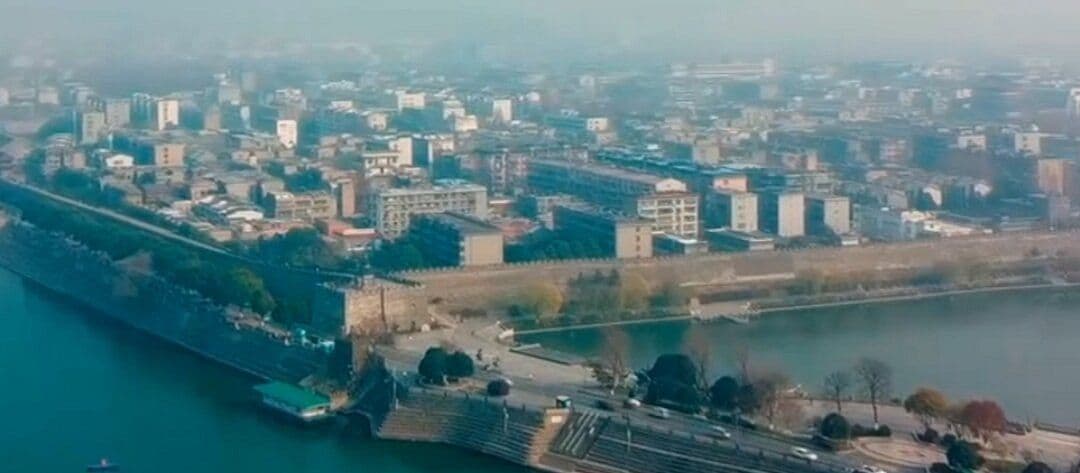
The Reality Check on "Night Markets"
Let’s cut through the brochure fantasy immediately. If you are searching for "Namp’o night markets," you are looking for something that does not exist in the Western sense. There are no rows of plastic stools, no sizzling woks with open flames, and no haggling over souvenirs until 2 AM. North Korea (DPRK) operates under strict state control, particularly after sunset. Foreign tourists are never permitted to wander freely. Period.
What you can do, if your itinerary allows, is an evening stroll along the port waterfront or a visit to specific state-sanctioned leisure areas within the city limits. These aren’t markets where you buy grilled skewers from a stranger; they are designated zones for observation. The "market" experience here is visual and atmospheric, not transactional. You walk, you look, you take photos (if permitted), and you return to your hotel. Any claim of a bustling, self-service street food scene in Namp’o is a myth sold by travel bloggers who have never actually set foot there.
Where to Go After Dark
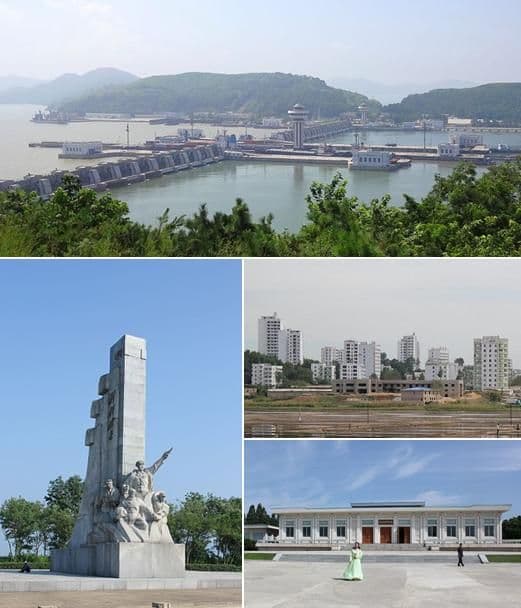
Since we cannot name specific stalls or vendors—because they don’t operate independently—we must focus on the locations your guide will likely take you. Namp’o is primarily known as a port city and industrial hub, but its proximity to Pyongyang changes the dynamic. Most visitors arrive via road transport (bus or car) from Pyongyang. While a railway connection exists, it is infrequent and rarely part of the standard tourist itinerary. Once you are in Namp’o, your movement is restricted to pre-approved sites.
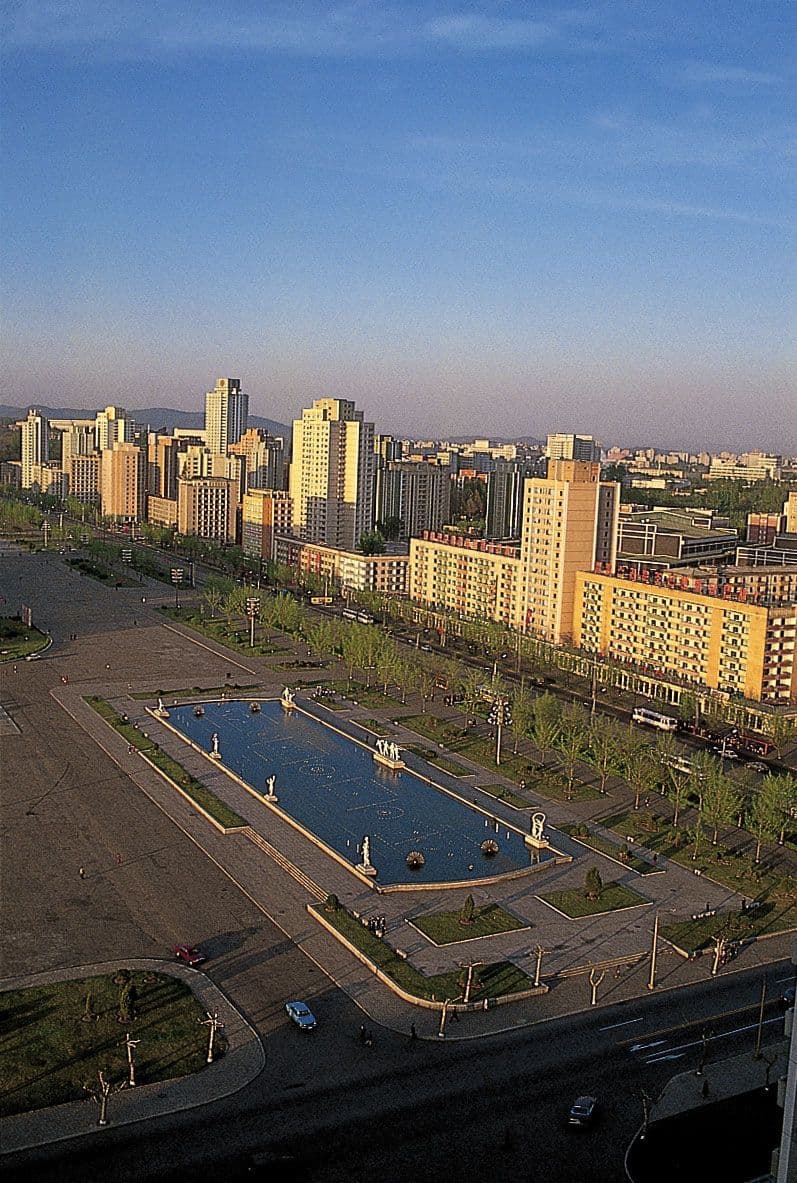
The most common evening activity involves walking along the harbor area where the Taedong estuary meets the West Sea. This is where you see the working lights of cargo ships and the reflection of sodium-vapor streetlamps on the water. It is cold, it is silent, and it is strikingly orderly. Your guide might point out specific residential blocks illuminated in uniform yellow light—a deliberate aesthetic choice by the state. Do not expect to step off the path. Sidewalks are clean, often swept by municipal workers during the day, and empty at night except for patrols.
Note that unlike Pyongyang, Namp’o does not have major amusement parks or water parks to wander into. Facilities like the Munsu Water Park are in the capital, not here. In Namp’o, access to any indoor leisure facility is limited, typically closes early (around 9 PM), and requires entry tickets purchased through your tour operator, not cash on hand. There is no "wandering into a stall" option.
Money, Etiquette, and What to Bring
You cannot spend money at a night market because there is no commerce happening. Bring zero local currency (North Korean Won) for evening activities. All transactions for meals, transport, and entry fees are handled upfront through your tour agency in USD, EUR, or CNY. Trying to pull out a wallet at a scenic overlook will draw stares.
Clothing matters more than you think. Autumn evenings in Namp’o drop quickly. Temperatures can hover around 5–10°C (41–50°F) by November, and the wind off the West Sea coast cuts through fabric. Wear layers. A heavy coat, scarf, and gloves are non-negotiable. You will be standing still for long periods while your guide talks or waits for permission to move. Comfortable, closed-toe shoes are essential; the pavement is hard, and you may walk several kilometers.
Photography etiquette is strict. Flash photography is often banned indoors or in sensitive areas. Outdoors, ask before photographing people. Locals are generally polite but reserved. They know you are being watched, so they watch you back. Keep your hands out of your pockets when interacting with guides—it looks defensive. Smile, nod, and follow instructions instantly. Hesitation reads as resistance.
Best Time to Visit and Seasonal Nuance
There are no major public holidays in the next six months that will disrupt Namp’o tours, which is good news. You won’t deal with domestic tourist surges or special military parades blocking roads. However, weather is your primary constraint. Late autumn (November) offers crisp air and fewer clouds, making the night views sharper, but it is biting cold. Winter brings snow and potential travel delays due to road conditions. Spring (April–May) is milder, but visibility can be affected by dust storms.
For most travelers, a two-day stay in Namp’o is sufficient. One day for industrial/port tours, one day for cultural sites and evening walks. Longer stays feel redundant unless you are deeply interested in logistics and shipping infrastructure. Families should consider the lack of child-friendly entertainment after dark. Teenagers used to autonomy will find the constant supervision frustrating. Solo travelers? You are never truly solo—you are always accompanied by two minders. Embrace it. Use the time to read, write, or observe.
FAQ: Practical Logistics
Can I leave my hotel alone at night? No. Foreigners must remain in their assigned hotels after curfew hours, typically starting between 8 PM and 10 PM depending on the specific facility and current regulations. Leaving without a guide risks detention or expulsion.
Do I need a visa specifically for Namp’o? No. You enter DPRK on a standard tourist visa obtained through your tour operator. Namp’o is part of the general travel zone, but movement between cities requires permission from your guides. You cannot hop on a bus and go to Kaesong on your own.
Is mobile data available for evening maps? Forget it. Local SIM cards offer extremely limited connectivity, mostly for calls, not data. GPS signals are often blocked or inaccurate. Rely entirely on your guide’s word for directions and timing. Download all maps and information offline before you cross the border.