Skip the Kathmandu markup. Tikapur offers real business access in Sudurpashchim Province for a fraction of the capital's cost, if you know how to navigate it.
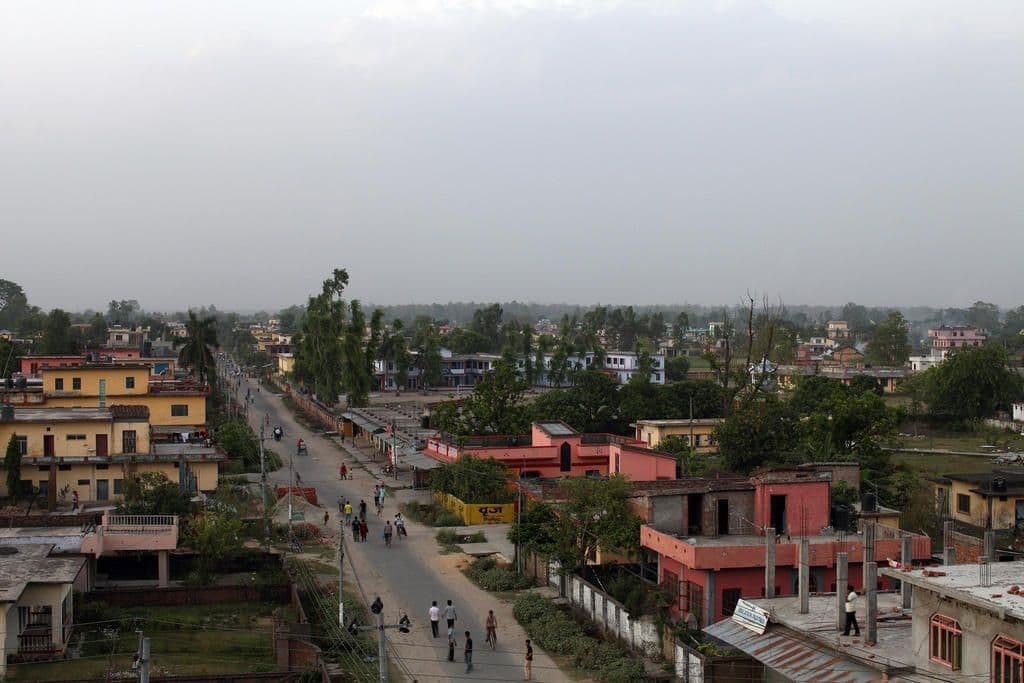
The Ground Truth
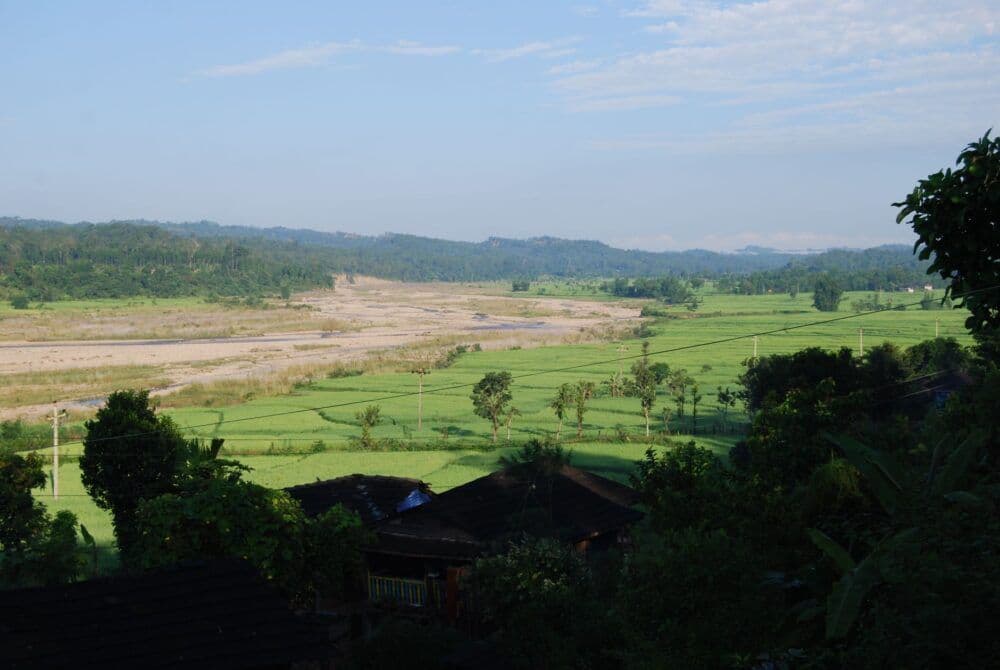
You don’t need a five-star lobby to close a deal in western Nepal. You need reliable Wi-Fi, a quiet corner, and a driver who knows the backroads of Kailali District. Tikapur sits in the flatlands of the Terai, roughly 600 kilometers west of Kathmandu. It is a commercial hub first, far removed from the postcard polish of tourist circuits. The air here smells of dust, diesel, and distant woodsmoke. The noise level is constant—a low hum of motorbikes and heavy trucks moving goods across the border. If you are coming from the capital, the journey is long. Buses depart from the main terminals at regular intervals, but comfort is relative. A private jeep or hired car cuts travel time significantly, though road conditions on the Mahendra Highway can vary. Expect delays. Plan your meetings with buffer zones, not rigid schedules.
Connectivity and Transit
Forget high-speed rail for now; there isn’t one serving this town directly. Your lifeline is the East–West Highway corridor. This artery connects Tikapur to Nepalgunj to the east and Dhangadhi to the west. For business travelers, this means flexibility. You can hop between these hubs for regional meetings, but do not underestimate the distance. The drive from Nepalgunj takes several hours depending on traffic and roadworks. Local transport within Tikapur itself is sparse. Auto-rickshaws exist but are often unreliable for punctual pickups. Negotiate fares upfront before getting in; there is no meter culture here that protects you. For airport transfers, the nearest functional airstrip requires checking current flight schedules, which change frequently based on weather and operational capacity. Always confirm your pickup point with your hotel host before leaving the terminal.
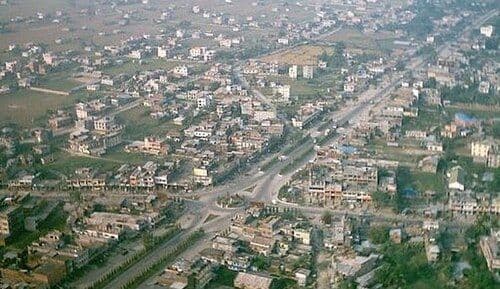
Where to Stay
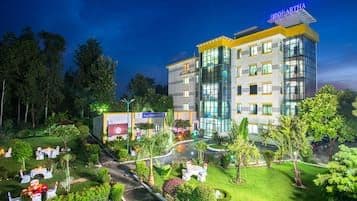
Accommodation in Tikapur is utilitarian. You will find guesthouses clustered near the main market area, offering basic rooms with attached bathrooms and intermittent electricity backup. Prices typically range from NPR 1,500 to NPR 3,500 per night for standard rooms. Do not expect consistent hot water; solar heaters fail during cloudy spells. For better reliability, look for properties advertised as "business hotels" near the administrative center. These establishments usually offer dedicated workspaces, desk lamps, and more stable power connections. Verify internet speed upon arrival. Many places advertise "free Wi-Fi," but bandwidth often collapses after 8 PM when residents stream content. Bring a mobile hotspot device from India or ensure your Nepali SIM has sufficient data allowance. Taxis and local guides rarely speak fluent English, so having offline maps downloaded is non-negotiable.
Food and Etiquette
Eating out is straightforward. The local food scene revolves around Dal Bhat—lentil soup, rice, vegetable curry, and pickles. It is cheap, filling, and available everywhere. A full plate costs less than $2 USD. Street vendors sell momos (dumplings) and fried snacks, but stick to stalls with high turnover to avoid stomach issues. Tea is the universal social lubricant. Accepting a cup of chiya (tea) is part of the greeting ritual. Refusing it can be seen as aloof. Meetings often start with small talk about family or harvests before diving into business. Punctuality is flexible; arriving exactly on time might mean waiting alone. Dress code is conservative. Collared shirts and trousers are standard for men; women should cover shoulders and knees. Handshakes are common, but a slight nod is also respectful. Avoid discussing sensitive political topics until trust is established.
When to Go
The best window for business travel here is October through March. The heat breaks, humidity drops, and roads remain passable. April and May bring intense heat, making outdoor site visits miserable. June through September is monsoon season; flooding risks increase, and travel times double due to waterlogged sections of the highway. Since no major holidays are currently flagged in the immediate forecast, crowd levels remain manageable. However, always check local calendars for district-level festivals, which can shut down offices unexpectedly. This trip suits solo entrepreneurs, supply-chain auditors, and NGO coordinators working in the Far-Western region. Budget three days minimum: one for arrival and settling in, two for actual work. Rushing leads to missed connections and bad decisions.
FAQ
Is a visa required? Yes. Most nationalities require a visa on arrival at entry points like Nepalgunj or via land borders. Have USD cash ready for fees. Processing times vary; allow extra hours at immigration.
How much cash do I need? Card acceptance is minimal outside major cities. ATMs in Tikapur often run dry or reject foreign cards. Carry enough NPR for daily expenses, tips, and emergencies. Withdraw larger amounts in Nepalgunj or Dhangadhi where bank infrastructure is stronger.
Is safety an issue? Petty theft exists but violent crime is rare. Keep valuables secured and avoid walking alone late at night in unlit areas. Stick to well-trafficked streets during evening hours.