Sleep well in Burundi’s northern highlands without the noise of the capital. Here is how to find comfort, food, and silence in Kirundo.
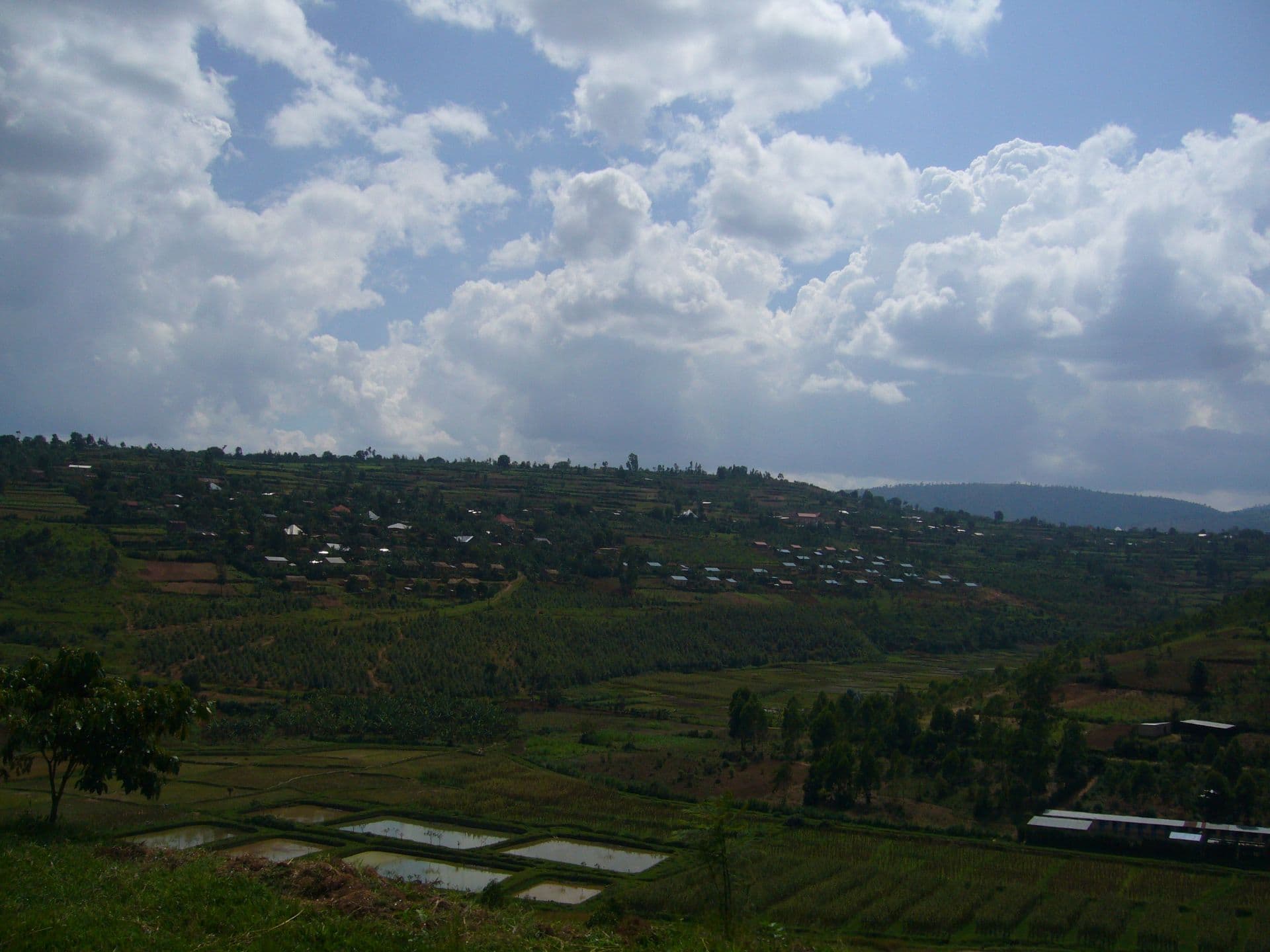
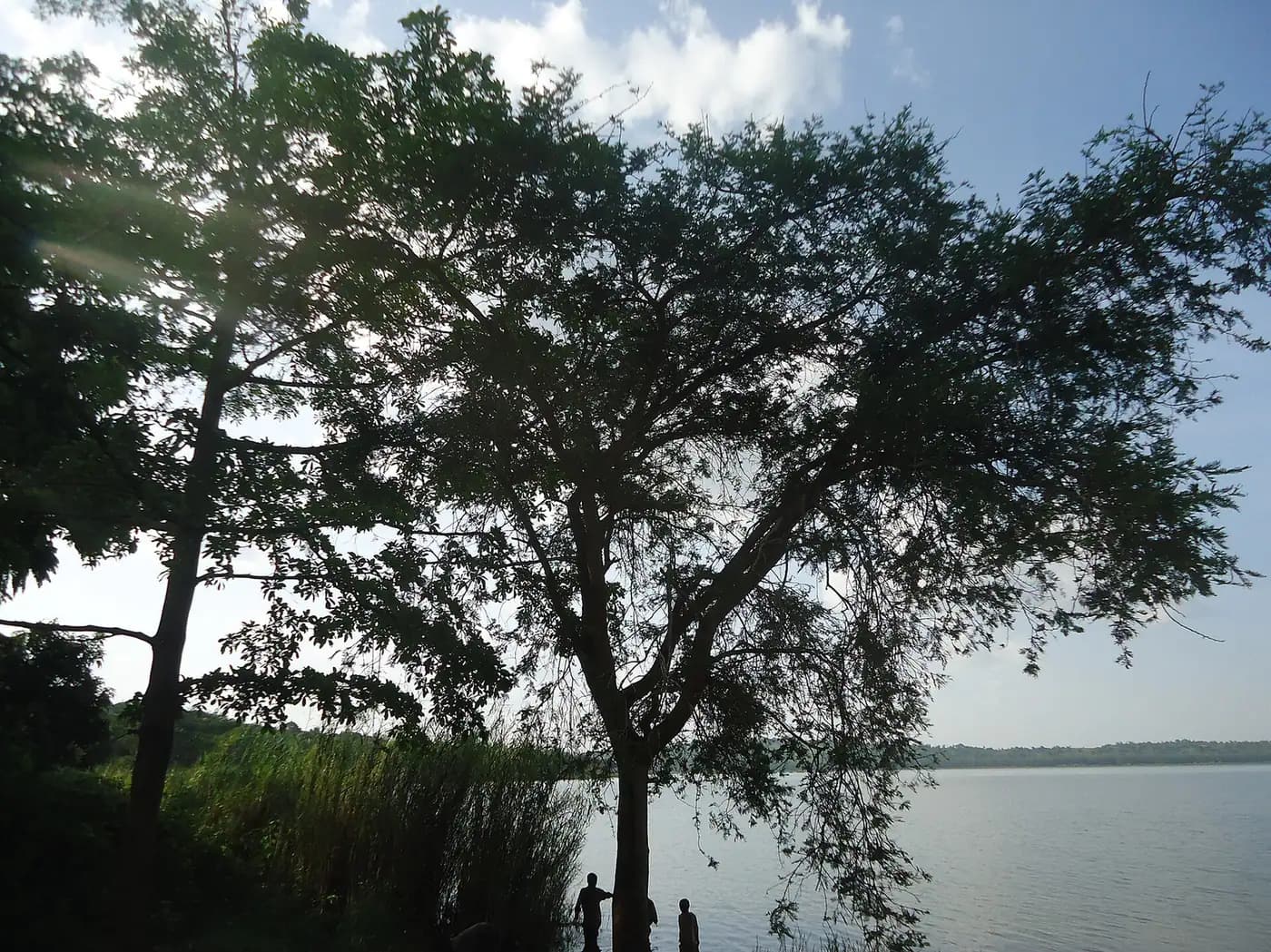
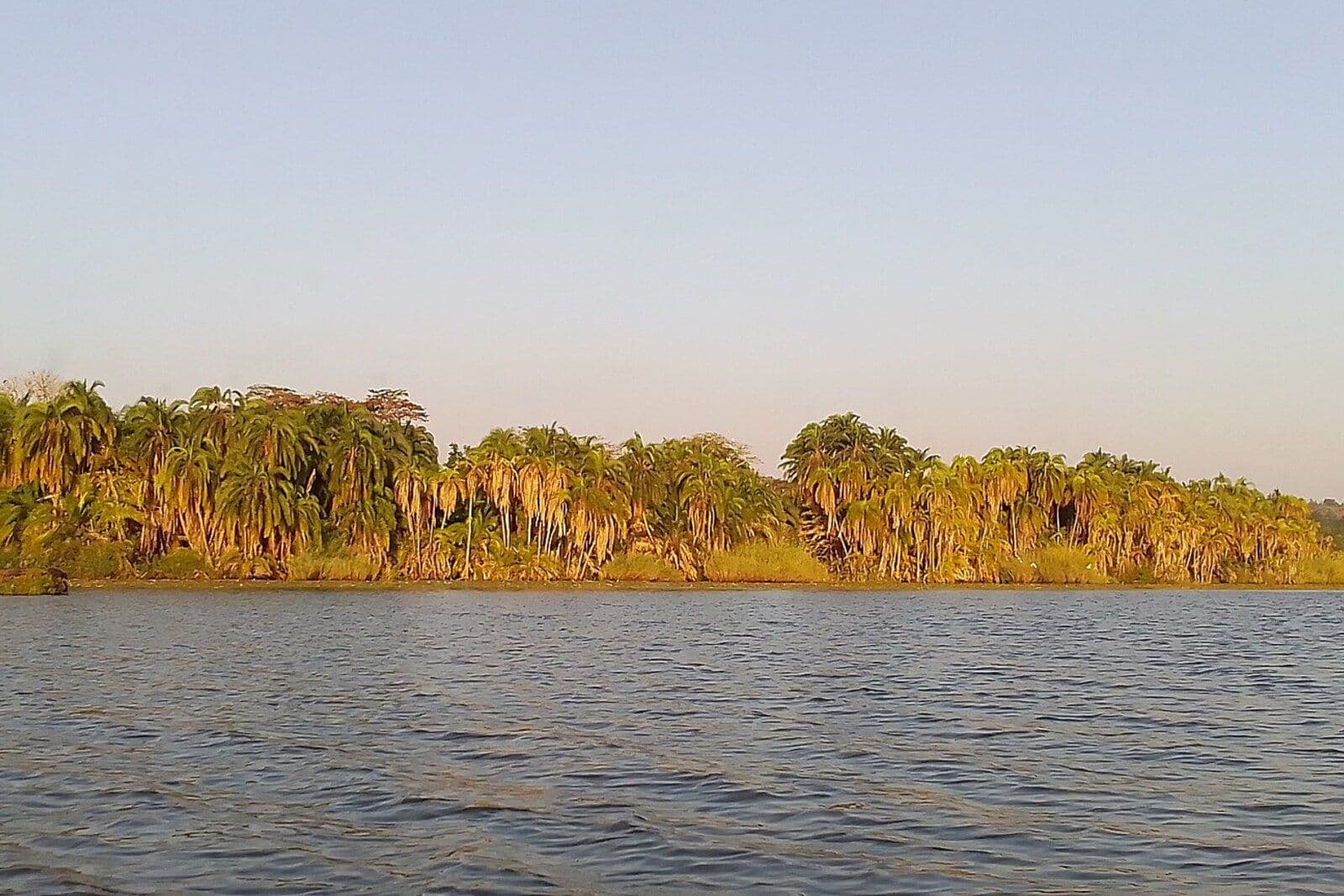
The first thing you notice about luxury in Kirundo isn’t the thread count. It’s the silence. In Bujumbura, the hum of motorbikes and the clatter of market stalls are part of the soundtrack. Here, near the border with Rwanda, the air sits still. If you are looking for a resort where the staff knows your name before you finish checking in, you will be disappointed. But if you want a bed that doesn’t wobble, hot water that actually arrives, and a view of Lake Rwihinda that makes you forget the road from Gitega was four hours long, this town delivers.
The Reality of "Luxury" in Northern Burundi
Let’s cut through the marketing fluff. There are no five-star international chains here. You won’t find a Best Western or a Marriott hoarding up space on the main road. What you find instead are locally owned guesthouses and small hotels that prioritize function over flash. I offer this observation as someone who has slept in enough bad beds to know what matters.
In Kirundo, "luxury" means reliability. It means the generator kicks in when the grid fails, which happens often. It means the sheets are white and crisp, not yellowed by bleach and time. Most properties cluster around the town center or along the lakeside roads leading toward Rwanda. Prices typically range from 40,000 to 80,000 Burundian Francs (BI) per night for a room with private facilities. That sounds cheap until you realize that includes a cooked breakfast and sometimes dinner.
Where to Stay: Functional Comfort Over Glitz
Since specific brand names fluctuate and independent operators change hands frequently, I recommend focusing on two types of accommodations. First, look for properties advertised as "lakeside lodges." These are usually older buildings renovated with concrete floors and tiled bathrooms. They offer the best ventilation during the humid afternoons. Second, consider the government-affiliated rest houses or NGO-run guesthouses. These places are built for aid workers who need to sleep at 5 AM and leave for fieldwork. Consequently, they have blackout curtains, reliable Wi-Fi (when the satellite link holds), and kitchens that actually work.
Avoid the cheapest rooms on the edge of town. They often share bathrooms down the hall, and the "hot water" is a bucket boiled on a charcoal stove. If you pay the premium, demand to see the bathroom before you hand over cash. Check the pressure. Check the drain. If the shower takes ten minutes to clear, walk away. The difference between a good night’s sleep and a restless one is often just plumbing.
Eating Like You Mean It
Food is where my cook’s eye gets picky. In Kirundo, you are close to Rwanda, so the culinary influence bleeds across the border. Expect ibijumba (cassava) and igitoki (plantains) to dominate the starch side of the plate. But don’t let the simplicity fool you. The quality of the ingredients depends entirely on the freshness.
Visit the local market area early in the morning. The smell of frying plantain oil mixes with the earthy scent of fresh cassava leaves. Buy whole fish if you can. Ask the vendor how many hours ago it came out of Lake Rwihinda. If they hesitate, buy something else. The best meals in Kirundo aren’t in the hotel restaurants; they are in the small, open-air joints where women cook haricots (beans) with palm oil and chili. It costs less than a dollar. It tastes like care.
If you stay at a larger guesthouse, ask for their "chef’s special." Often, this is a simple grilled tilapia served with a spicy tomato-onion relish. The tilapia should be charred on the outside, moist inside. If it’s rubbery, the fish sat too long. Send it back. No one is offended by honesty here; they respect people who know food.
Getting Around and Practicalities
Kirundo is a transit point. Most travelers pass through on the way to Rwanda or coming from Tanzania via Gitega. Public transport consists of minibuses that pack in more people than physics should allow. If you value your personal space, hire a private car with a driver. Rates vary, but expect to negotiate hard. For short trips within town, moto-taxis are faster but riskier. Wear a helmet. Insist on it.
Cash is king. ATMs exist but are unreliable and often run out of notes. Carry sufficient BI. Credit cards are rarely accepted outside of the few largest hotels, and even then, the machine might fail. Bring small bills. Vendors do not have change for large notes.
Safety is generally high, but petty theft happens. Keep your bag closed in markets. At night, stick to well-lit areas. The darkness here is real; streetlights are sparse. A flashlight is not optional.
When to Go and Who Should Come
Kirundo is best visited during the dry seasons. Currently, we are in the transition period, but the true dry months offer the clearest views of the lake and the easiest travel conditions. Rain turns the red dirt roads into slick mud traps, especially for non-4x4 vehicles.
Mark your calendar for upcoming holidays. Christmas Day (December 25, 2026) is only three weeks away. Expect prices to spike and availability to vanish quickly. Book now if you plan to travel then. New Year’s Day follows shortly after, bringing another surge. Unity Day in February and Eid ul Fitr in March bring different crowds, often families visiting relatives. President Ntaryamira Day in April is a somber national holiday; many businesses close. Labour Day in May is low-key.
This destination suits slow travelers, writers, and those escaping the chaos of regional capitals. Thrill-seekers looking for nightlife will find nothing here. There are no clubs. The entertainment is watching the sun set over the water while eating grilled fish.
FAQ
Do I need a visa for Burundi? Yes, most visitors require a visa. You can obtain an e-visa online before arrival or get a visa on arrival at the border posts, though the latter can involve long waits. Check the current official requirements closer to your travel date as regulations shift.
Is English widely spoken in Kirundo? French and Kirundi are the primary languages. English is limited to younger people and staff at larger NGOs or hotels. Learn basic Kirundi greetings; it goes a long way in building trust with locals.
Can I drink the tap water? No. Stick to bottled water or filtered water provided by your accommodation. Ice cubes in drinks are a gamble unless you are sure the establishment uses purified sources.