Skip the curated eco-lodge brochures. In Mberengwa, sustainability is about water rationing, solar reliability, and paying cash for local labor. Here’s the unvarnished truth.
The concept of "sustainable tourism" usually triggers images of bamboo straws and linen robes. In Mberengwa District, it means something far more pragmatic: can you flush the toilet after 8 PM? Can you charge your phone when the grid goes down? And does your nightly rate actually stay in the community, or does it vanish into a foreign holding company?
I’ve spent years inspecting hospitality operations across Asia and the Middle East. I know a fake green claim when I see one. Mberengwa doesn’t have polished "eco-certifications." It has raw, logistical reality. If you are looking for a guilt-free holiday where carbon offsets do the heavy lifting, go elsewhere. If you want to understand how travel functions in a resource-constrained environment, this district offers a masterclass in adaptation.
The Infrastructure Reality Check
Most travel guides gloss over the plumbing. They shouldn’t. In rural Zimbabwe, including parts of Mberengwa, municipal water supply is intermittent. Many accommodations rely on boreholes or rainwater harvesting tanks. This isn't an aesthetic choice; it's survival.
When you book here, ask two questions before you pack: Is there a backup generator, and is it diesel or solar? A solar setup is cleaner but vulnerable to cloudy weeks. Diesel is reliable but noisy and expensive. You’ll hear the generator kick in during load-shedding (scheduled power cuts). It’s not subtle. It rattles through thin walls at 2 AM.
Sustainability here is defined by resilience, not luxury. Look for properties that use greywater recycling for gardens. That’s real impact. If they’re watering a pristine lawn with potable water while you shower for ten minutes, they aren’t sustainable; they’re wasteful.
Where to Stay: Community Over Brand
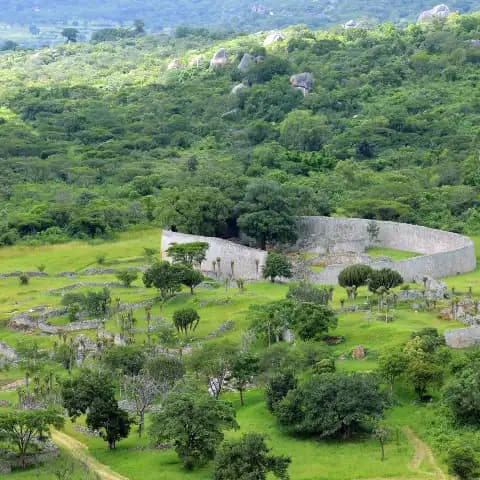
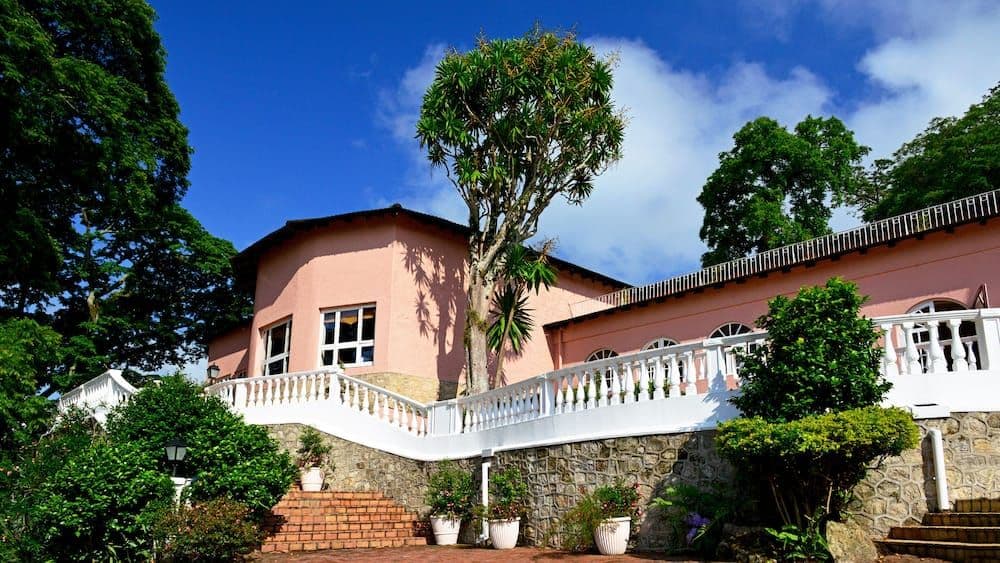
There are no international hotel chains in Mberengwa District. You won’t find a Marriott or a Four Seasons imposing its standardized carpet patterns here. Instead, you’re looking at guesthouses, self-catering cottages, and lodge-style accommodations often run by families or small cooperatives.
Since specific property names vary in availability and operational status, focus on the model rather than the brand. Prioritize establishments that employ local staff from the immediate village. This is the most direct form of economic sustainability. Your money should buy labor, food, and services within a five-kilometer radius.
Avoid large, centralized tour operators that bundle everything. Go direct. Call ahead. Ask if they source their breakfast eggs locally. Ask if the laundry service uses hand-washing methods to save water. These details matter more than thread counts. Expect basic amenities. Hot water may be available only via gas geysers, not electric heating. Bring your own toiletries; bulk dispensers are rare.
Transport: The Carbon Footprint of Access
Getting to Mberengwa requires commitment. There is no verified rail station serving the district center directly for tourist traffic, so road transport is king. Most visitors arrive via minibus taxis or private vehicles from Gweru or Bulawayo.
This journey is where your environmental calculus happens. Minibus taxis are efficient per capita but cramped. Private cars offer comfort but higher individual emissions. For true sustainability, share rides. Hitchhiking is common and culturally accepted, but negotiate fares clearly upfront. Prices fluctuate based on fuel costs, which are volatile.
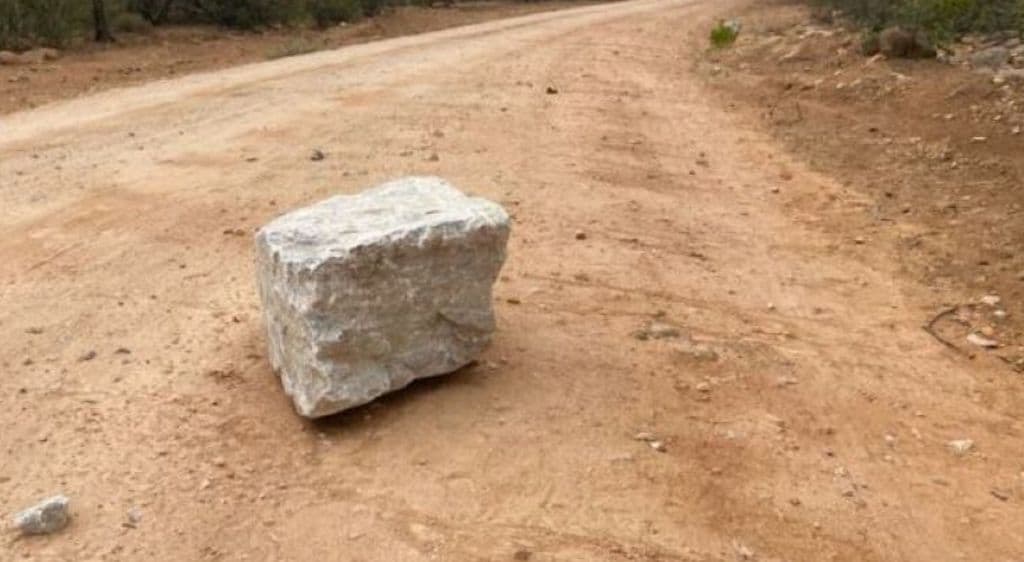
Once inside the district, walking is the primary mode of local transit for short distances. Roads can be unpaved and dusty, especially in the dry season. Renting a bicycle is rarely practical due to terrain and heat. Accept that you will move slowly. This slowness is part of the low-impact ethos. You aren’t rushing between landmarks; you’re navigating a landscape that demands respect for its resources.
Food and Sourcing: Eat What Grows Nearby
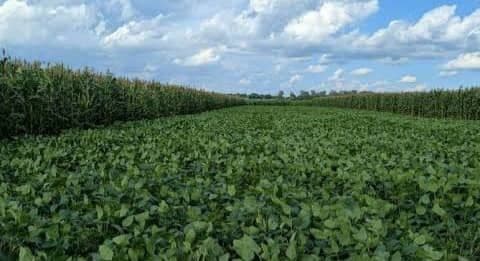
Local cuisine in Mberengwa centers on maize meal (sadza), vegetables like covo (collard greens), and beans. Meat is a luxury, often reserved for weekends or special occasions. This dietary pattern is inherently lower-carbon than Western meat-heavy diets.
When eating out, look for menus that list seasonal produce. If tomatoes are listed in winter, they were likely trucked in from distant provinces, increasing the footprint. Stick to what is currently harvested. Street vendors offering roasted maize or boiled peanuts are excellent options. Their supply chain is negligible.
Water safety is critical. Always drink bottled water or water purified by UV filters. Avoid ice unless you trust the source. Sustainability includes health sustainability; getting sick ruins the trip and creates medical waste burdens. Carry a reusable bottle with a built-in filter. Refill it from safe sources, reducing plastic waste significantly.
Timing and Seasonal Nuances
The best time to visit is the dry season, typically May through August. Temperatures are cooler, and wildlife viewing is easier as animals congregate around remaining water sources. However, this coincides with peak demand.
Upcoming holidays will spike prices and reduce availability. Unity Day (December 22, 2026) and Christmas (December 25, 2026) are imminent. Expect surge pricing and limited rooms. Book now. Local residents also travel home for these dates, filling transport seats. If you miss early booking, you might end up stranded without accommodation.
For solo travelers and slow-travel enthusiasts, November and February offer shoulder-season benefits. Rain brings lush landscapes and fewer crowds, though roads become muddy. Families might prefer the dry months for easier logistics. Regardless of timing, respect local rhythms. Do not expect 24-hour service. Shops close early. Life revolves around daylight.
FAQ: Practicalities for the Skeptical Traveler
Do I need a visa? Most tourists require a visa upon arrival or pre-approved e-visa. Check current Zimbabwe immigration rules closer to your date. Fees change. Have USD cash ready; card acceptance is spotty outside major hubs.
Is it safe to walk alone at night? In town centers, yes, but stick to lit areas. Rural paths are dark. Crime rates are generally low, but opportunistic theft exists. Keep valuables hidden. Trust your instincts. If a street feels empty and unlit, take a taxi instead.
What currency should I carry? USD is widely accepted alongside the local Zimbabwean dollar. Small bills are essential. Change is scarce. ATMs can be unreliable or out of cash. Assume you will need physical currency for all transactions, including tips and market purchases.