Basmat Ṭab‘ūn has no verified five-star hotels. Travelers must look to the broader region for luxury, or accept regional guesthouses. Here is how to navigate the gap between expectation and infrastructure.
The Absence of Luxury Infrastructure
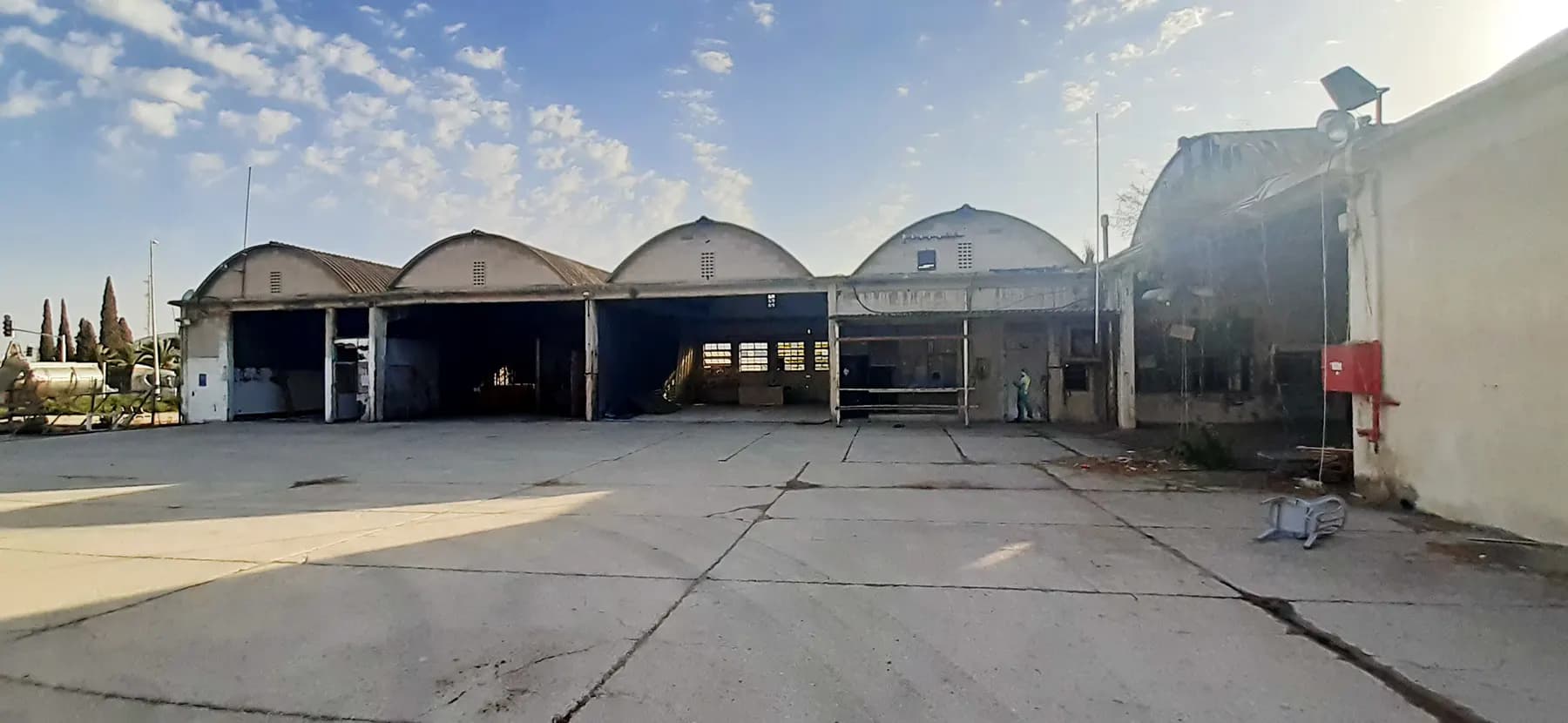
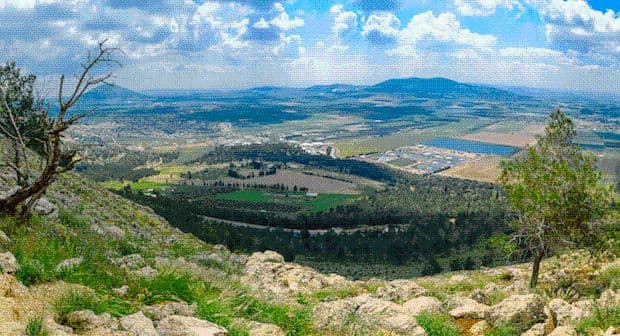
Basmat Ṭab‘ūn does not have a five-star hotel. This reflects the structural reality of the locality’s current development. The village sits within the Lower Galilee region, historically defined by agricultural rhythms rather than high-end hospitality tourism. If you are searching for marble lobbies, concierge services, or infinity pools with views of the Jezreel Valley, you will find none here. The accommodation stock consists primarily of small-scale bed-and-breakfast operations, community-run guesthouses, and private rentals that prioritize function over opulence.
The absence of luxury branding changes the travel calculus. You cannot book a "luxury experience" in the traditional sense. Instead, you are booking proximity to the land and access to local rhythms. The infrastructure reflects this. Roads are functional but narrow. Signage is sparse. The quietness is genuine, not curated for guests. For the traveler expecting the polished frictionlessness of Tel Aviv or Eilat, this feels like a deficit. For those interested in the texture of rural Israel, it is the point.
Where to Stay: Regional Alternatives
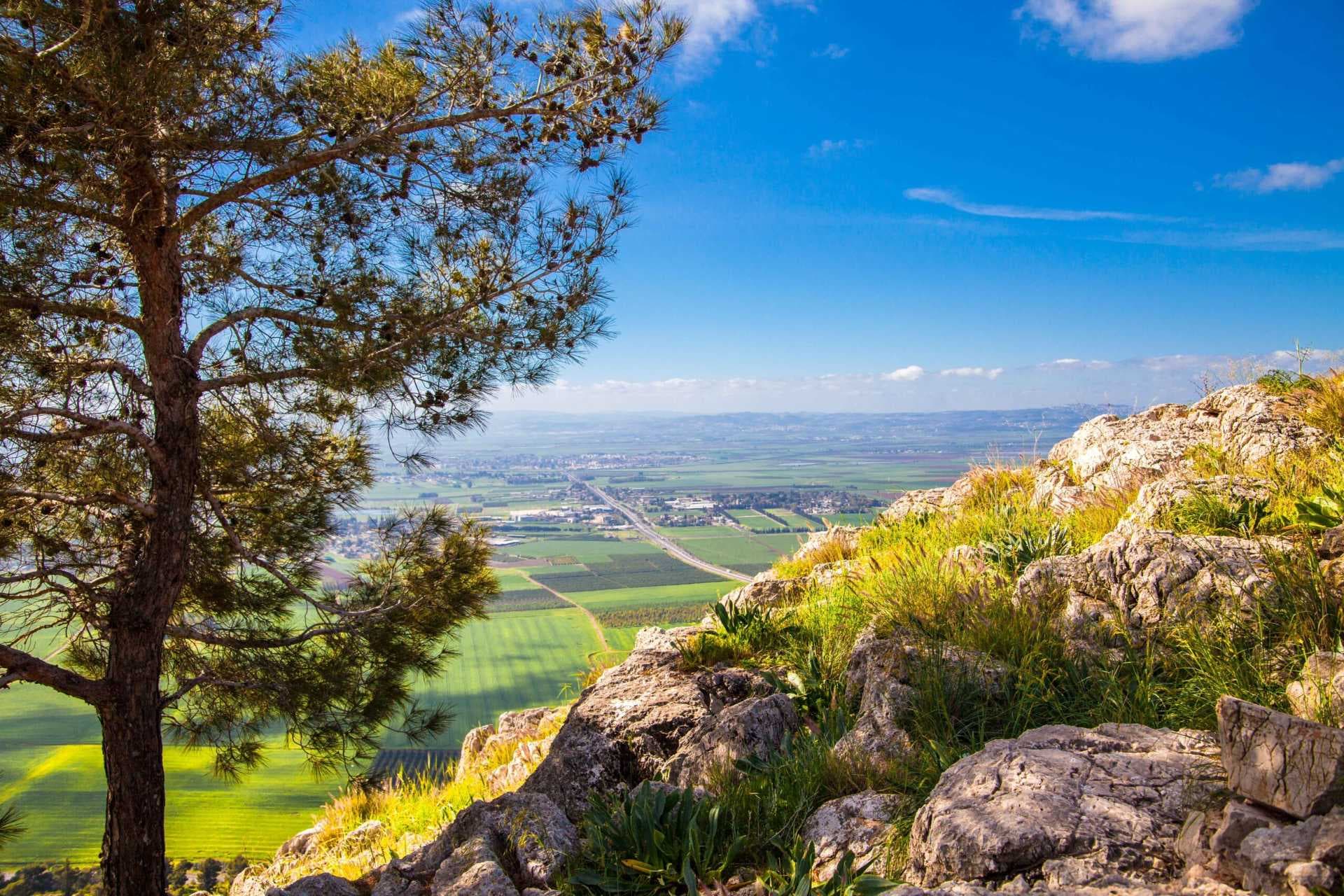
Since no five-star properties exist within Basmat Ṭab‘ūn itself, the practical solution involves looking outward. The nearest centers offering higher-tier accommodation are located in the surrounding urban hubs, specifically Afula and Beit She’an, though even these cities lean more toward business-class efficiency than resort-style luxury.
Afula (Approx. 10–15 minutes by car) Afula serves as the administrative center of the Lower Galilee. It offers mid-range to upper-mid-range hotels catering to business travelers and government workers. Expect standardized rooms, reliable Wi-Fi, and basic amenities. Prices typically range from 300 to 600 ILS per night depending on seasonality. The differentiator here is connectivity. If you need reliable transport links to Haifa or Jerusalem before heading into the villages, Afula provides the necessary logistical backbone. It lacks charm, but it delivers predictability.
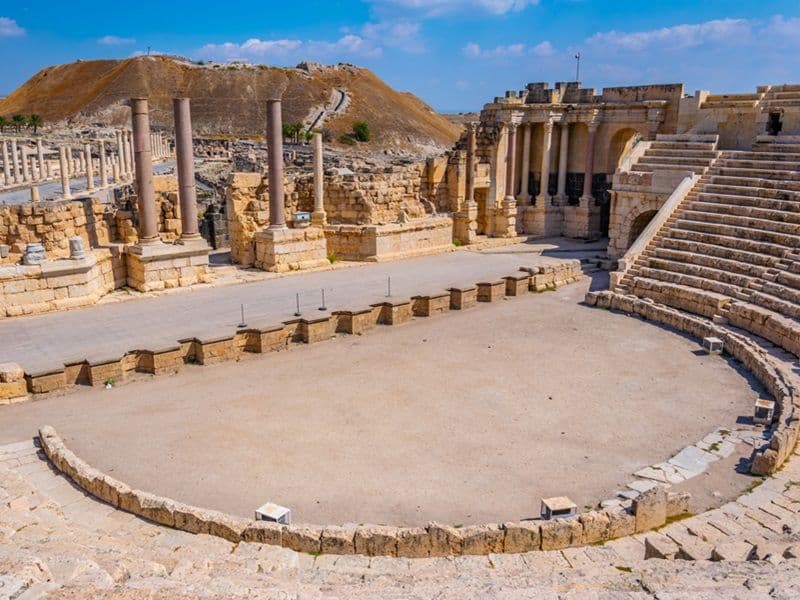
Beit She’an (Approx. 20–25 minutes by car) To the east lies Beit She’an, an ancient city with a complex layered history. Accommodation here is scarcer and often tied to heritage sites or smaller boutique ventures. There are no confirmed five-star chains operating in the immediate vicinity. Visitors often stay in kibbutz guesthouses nearby, which offer clean, simple lodging with meals included. These provide deep immersion into the communal lifestyle of the region. Nightly rates hover around 250–450 ILS. The value proposition is cultural access, not comfort.
Private Rentals in Basmat Ṭab‘ūn Within the village itself, short-term rentals via platforms like Airbnb are the primary option for independent travelers. These vary wildly in quality. Some are renovated stone houses with modern kitchens; others are basic apartments. There is no central booking office or star-rating system. You must read recent reviews carefully. Look for mentions of heating, internet stability, and parking availability. These details matter more than any brand name because there are no brands.
Practical Logistics and Transit
Getting to Basmat Ṭab‘ūn requires planning. Public transport is limited. While the region is served by rail networks connecting major northern cities, specific station access to the village itself is not guaranteed by direct lines. Most visitors rely on private cars or taxis from Afula. Driving is straightforward during the day, but roads can be dark at night. Street lighting is inconsistent outside main thoroughfares.
Currency is the Israeli New Shekel (ILS). Credit cards are accepted in most businesses, including larger supermarkets in Afula, but cash remains useful for small vendors or informal services in the village. ATMs are available in nearby towns, not necessarily within Basmat Ṭab‘ūn. Plan your cash needs accordingly.
Timing matters. The area operates on a distinct rhythm. Shops close early. Sundays are busy as the work week begins. Fridays wind down quickly for Shabbat preparations. If you arrive late Friday afternoon, you may find limited options for food or supplies until Sunday morning. Pack ahead if you plan to stay through the weekend.
Local Context and Seasonal Nuance
The culture of the Lower Galilee is mixed, with significant Arab and Jewish populations living in close proximity. This influences the social fabric and daily interactions. Respect for local customs is essential. During Ramadan, daytime eating in public areas may be frowned upon in predominantly Arab neighborhoods. Dress modestly when visiting religious sites or older residential areas.
Food is a key part of the experience, though specific local dishes unique only to Basmat Ṭab‘ūn are hard to pin down without verified sources. Generally, the region shares the Levantine culinary palette: fresh vegetables, olive oil, hummus, falafel, and grilled meats. Breakfasts at guesthouses often include labneh, olives, and pita. These are staples, not novelties. Embrace them. They are honest and filling.
The best time to visit depends on your tolerance for heat. Summers are hot and dry. Winters are mild but rainy, with occasional cold snaps. Spring offers green hillsides and wildflowers, making it visually appealing. Autumn brings harvest seasons and cooler evenings, ideal for walking. However, note that holidays impact accessibility.
Upcoming Holidays:
- Pesach (Passover): April 1–9, 2027. Expect closures, family gatherings, and potential price surges in nearby towns. Book well in advance if traveling then.
- Seventh Day of Pesach: April 7, 2027. Continued holiday atmosphere.
- Independence Day: May 11, 2027. Fireworks, crowds, and national celebrations. Traffic increases significantly.
Avoid these dates if you seek quiet. Choose weekdays in spring or autumn for the clearest view of daily life.
FAQ
Is there a shuttle service from Ben Gurion Airport? No direct shuttle exists for Basmat Ṭab‘ūn. You must take a train to Afula or Beit She’an, then hire a taxi or rent a car. Total travel time exceeds two hours.
Do I need a visa for Israel? Check your nationality requirements. Many Western passports allow visa-free entry for up to three months. Ensure your passport is valid for six months beyond your return date.
Are credit cards widely accepted in the village? Not universally. Small shops and informal services often prefer cash. Carry sufficient shekels for daily expenses.