Spring in Páno Defterá means new growth on the hills, mild coastal air, and a village rhythm that hasn’t changed in decades. Here’s what to expect.
The Village in Spring
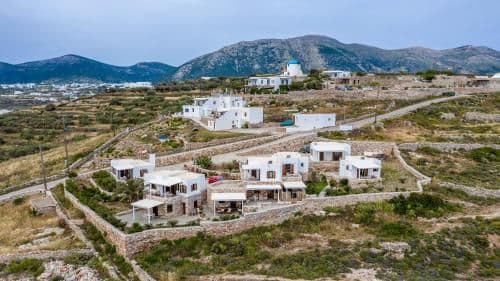
Páno Defterá sits in the Troodos mountain range of central Cyprus, perched at an elevation that keeps it noticeably cooler than the coastal towns below. The village is small — a cluster of stone houses, a church, and a few tavernas that open their doors for the season around March. There are no major landmarks, no tourist infrastructure, no bus terminals with timetables posted in English. What there is: the smell of woodsmoke in the mornings, the sound of goats on the upper slopes, and a pace of life that makes the word “slow” feel like an understatement.
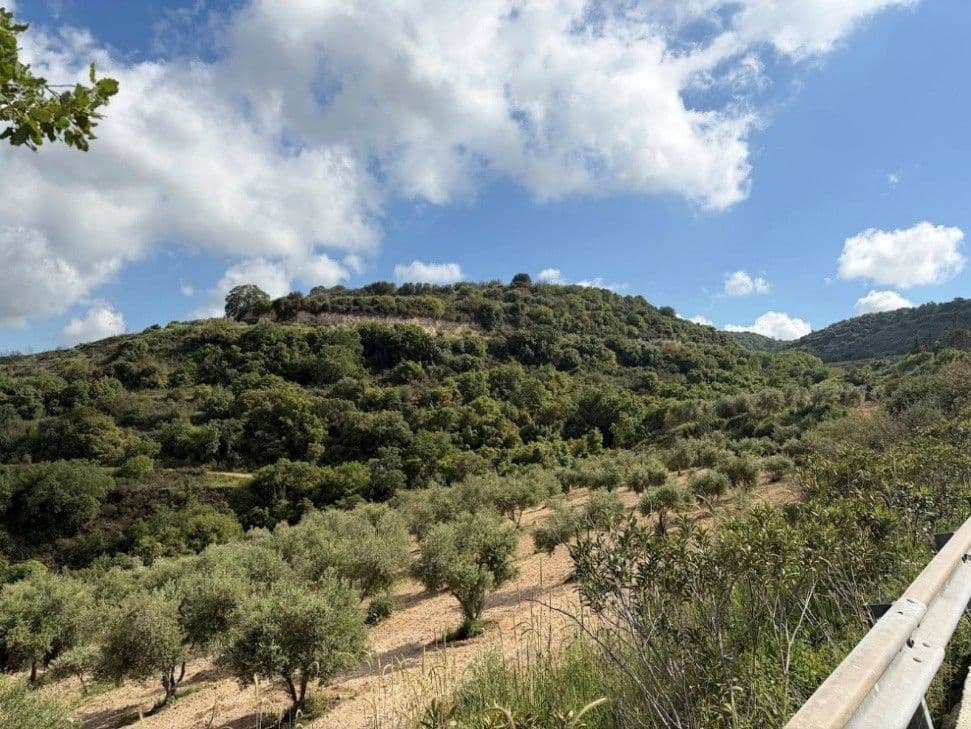
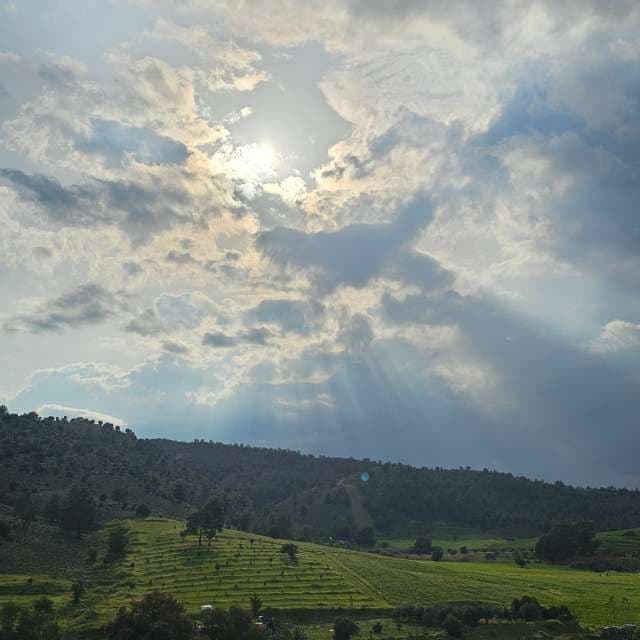
Spring is the right time to be here. The winter rains have fed the soil, and the hills turn a green that doesn’t show up in the photos people post from the coast. The temperature in April and May typically sits between 12 and 22 degrees Celsius. You don’t need a guidebook. You need a jacket, water, and the patience to sit in a café for an hour without checking your phone.
Getting There and Around
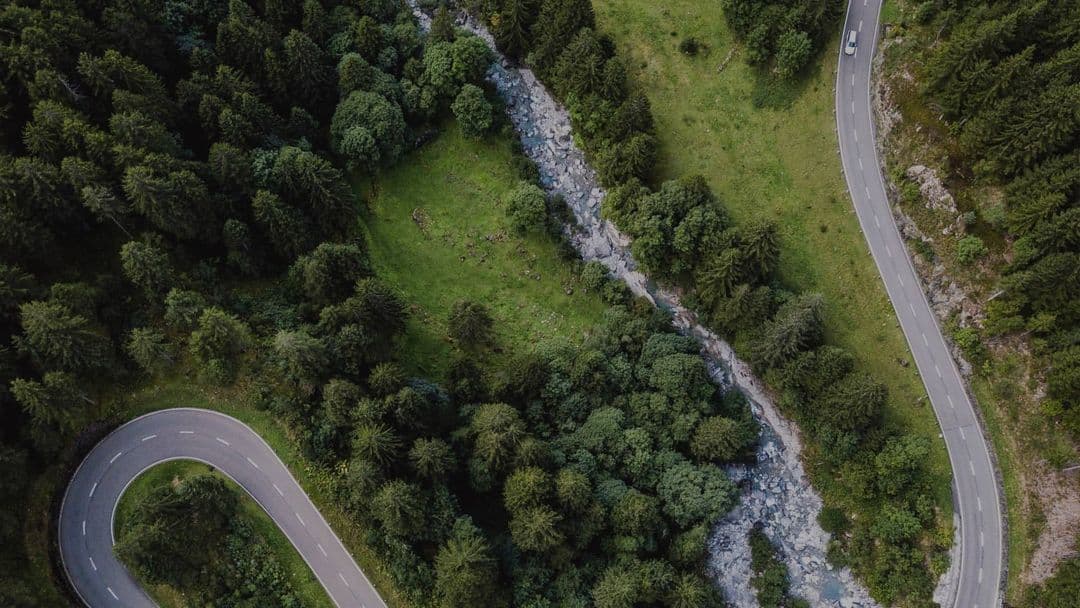
There is no railway in Cyprus. There is no passenger rail network on the island, and there is no station in Páno Defterá. You get there by road. The main route runs from Nicosia or Limassol up through the mountain passes. The drive from Limassol takes roughly an hour and a half, depending on the condition of the switchback roads. From Nicosia, it’s closer to an hour.
Once you’re in the village, you walk. The streets are narrow, unpaved in places, and not designed for cars to turn around. If you’re renting a car, park at the edge of the built-up area and walk in. If you’re coming by intercity bus, the service to the mountain villages is infrequent and seasonal. Check the local bus operator’s schedule before you book your trip. Do not assume a connection exists that doesn’t.
What to Eat
The food in Páno Defterá is Cypriot mountain food. It’s not a menu you’ll find in a guidebook. It’s what the village cooks for itself. Expect lamb, grilled over charcoal, served with flatbread and a simple tomato-and-onion salad. Olive oil is the base of everything. The olives come from the groves on the hillside, pressed locally in the autumn and stored in jars that line the shelves of the tavernas.
In spring, the menu is lighter than in winter. There’s fresh cheese, usually a soft white variety, eaten with bread and a drizzle of oil. Green beans, if they’re ready, appear in a simple sauté. The coffee is strong, served in a small cup, and the espresso machine in the village café is older than most of the people sitting at the tables. You don’t order a “Cypriot platter.” You order what’s on the board, and you eat it standing up if the seats are full.
Where to Stay
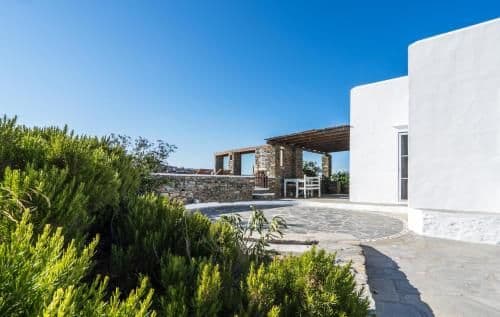
There are no named hotels in Páno Defterá that appear in any verified travel database. The village has a handful of guesthouses and family-run rooms, typically three to five beds each. They’re not listed on the major booking platforms. You find them by asking in the village square, or by driving up and knocking on a door. The price for a room in spring is typically in the range of 40 to 70 euros per night, depending on the season and the number of rooms available.
If you want something with more structure, the nearest towns with proper hotel infrastructure are Limassol, about 45 kilometres to the south, and Nicosia, about 30 kilometres to the north. Both have a range of options from budget to mid-range. But if you’re going to Páno Defterá for the village itself, you’re going to be sleeping in a guesthouse. That’s the deal.
When to Go
Spring is the window. April and May are the sweet spot. The weather is mild, the hills are green, and the village is awake. The olive harvest is over, so the tavernas are serving the lighter spring menu. The crowds are minimal. You won’t share the café table with a tour group.
The nearest upcoming holidays on record are Christmas Day (December 25, 2026) and New Year’s Day (January 1, 2027). These are winter dates, not spring, and they don’t affect the village’s spring season. The next relevant holiday is Green Monday, March 15, 2027, which marks the end of the Orthodox Lenten period. If you’re visiting in mid-March, expect the village to be quieter than usual, as many residents observe the fast. Greek Independence Day falls on March 25, 2027. That’s a national holiday in Cyprus. The village will be quiet, some shops closed, and the church will be busy. Plan around it.
For a first visit, three to four days is enough. Two days if you’re just passing through. A week if you want to sit in the café, walk the upper paths, and not do anything else.
Practical Questions
Do I need a visa? If you’re from the EU, US, UK, Australia, or most major Western countries, you can enter Cyprus with a passport valid for at least six months. No visa is required for stays under 90 days. Check your specific nationality’s requirements before you fly.
What’s the currency? Cyprus uses the euro. Credit cards are accepted in the larger towns, but in Páno Defterá, cash is king. The village café and the guesthouses will want euros in small notes. There is no ATM in the village. Withdraw in Limassol or Nicosia before you head up the mountain.
Is it safe? Yes. Páno Defterá is a small, quiet village. Crime is not a concern. The main risk is the road. The mountain passes are narrow, winding, and can be slick after rain. Drive slowly. Don’t drive at night if you’re not familiar with the route.