Skip the crowds. Bulqizë offers open mine landscapes, ancient kullas, and a 250-year-old tower for a low-key Albanian escape.
The first thing you notice about Bulqizë, Albania, isn’t the birds. It’s the silence. This mining town in the Dibër region sits in a valley that feels cut off from the rest of the country, and that isolation is exactly why it works for a different kind of traveler. You’re not here for a checklist. You’re here for the open space, the rolling hills, and the chance to see a landscape that hasn’t been paved over by tourism yet.
Why the Mine Landscape Works for Birding
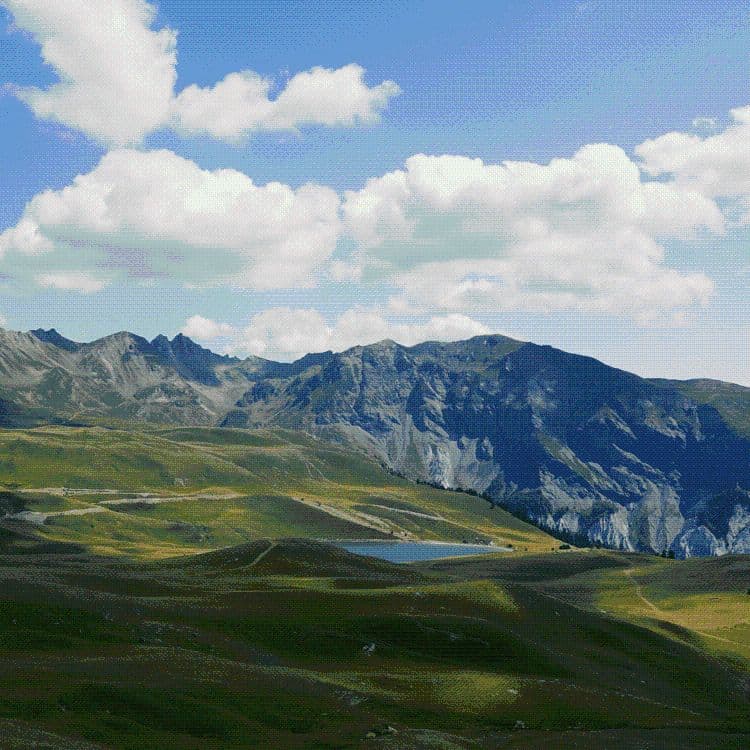
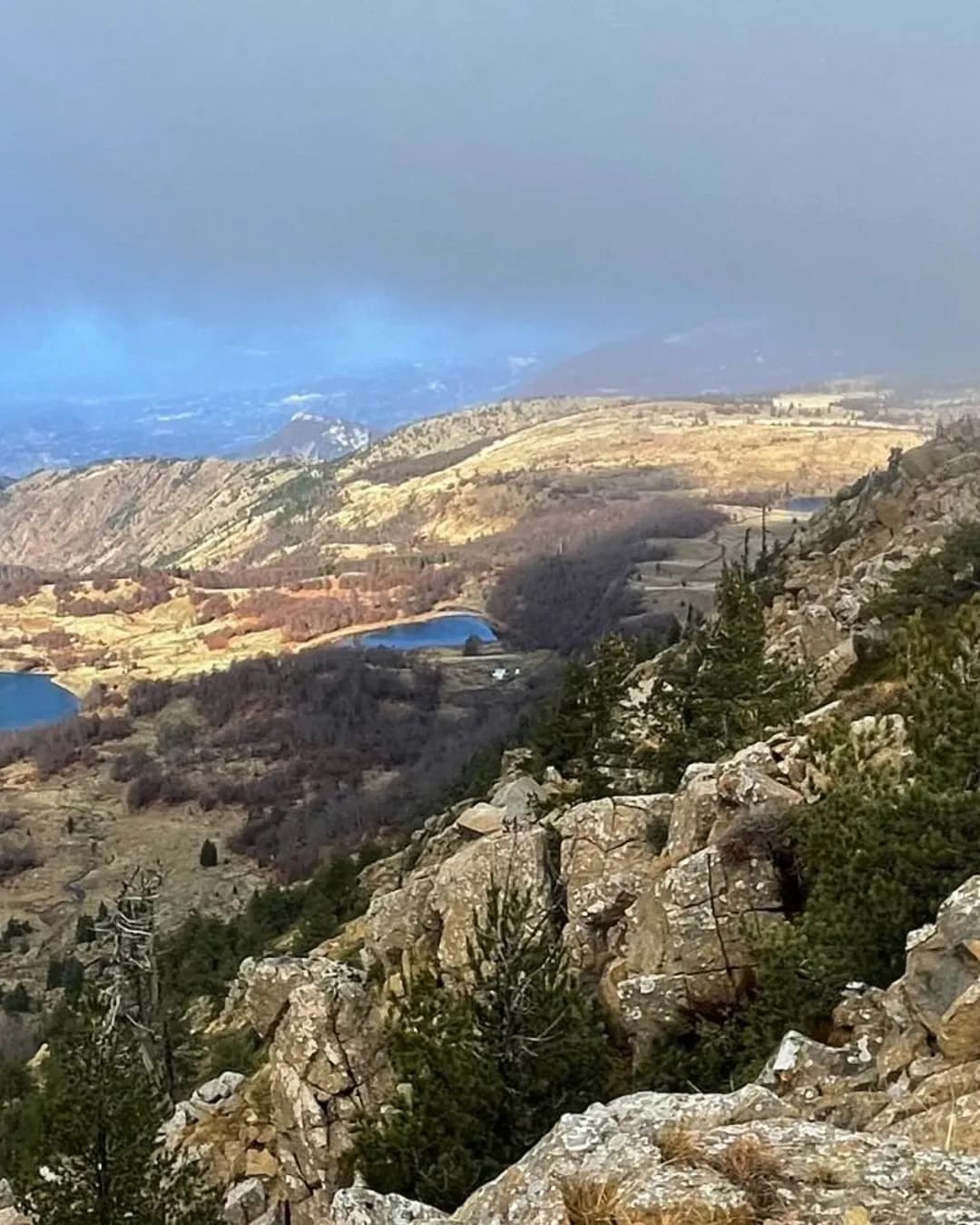
Bulqizë is historically a chromium ore town, and the Bulqizë Mine is described as the deepest in the Balkans. For a birdwatcher, a historic mine site might seem like an odd choice, but the open terrain is the draw. The landscape around the mine features expansive, rolling hills and panoramic lookout points that offer clear sightlines across the valley.
This is open ground rather than dense forest where you’re squinting through branches. That means you can spot movement from a distance. While specific rare species aren’t always guaranteed in a single visit, the habitat supports the typical fauna of the Albanian interior. You’re looking for movement against the grey and green backdrop of the hills. The recent discovery of hydrogen in the area has added a layer of modern industrial interest to the site, but for your morning walk, it’s the quiet and the view that matter.
The panoramic lookout points are your best bet. You don’t need a guide to get there, but the organized day tours from Tirana often stop at these viewpoints, giving you structured route through the best parts of the valley.
The Kulla and the Old Village
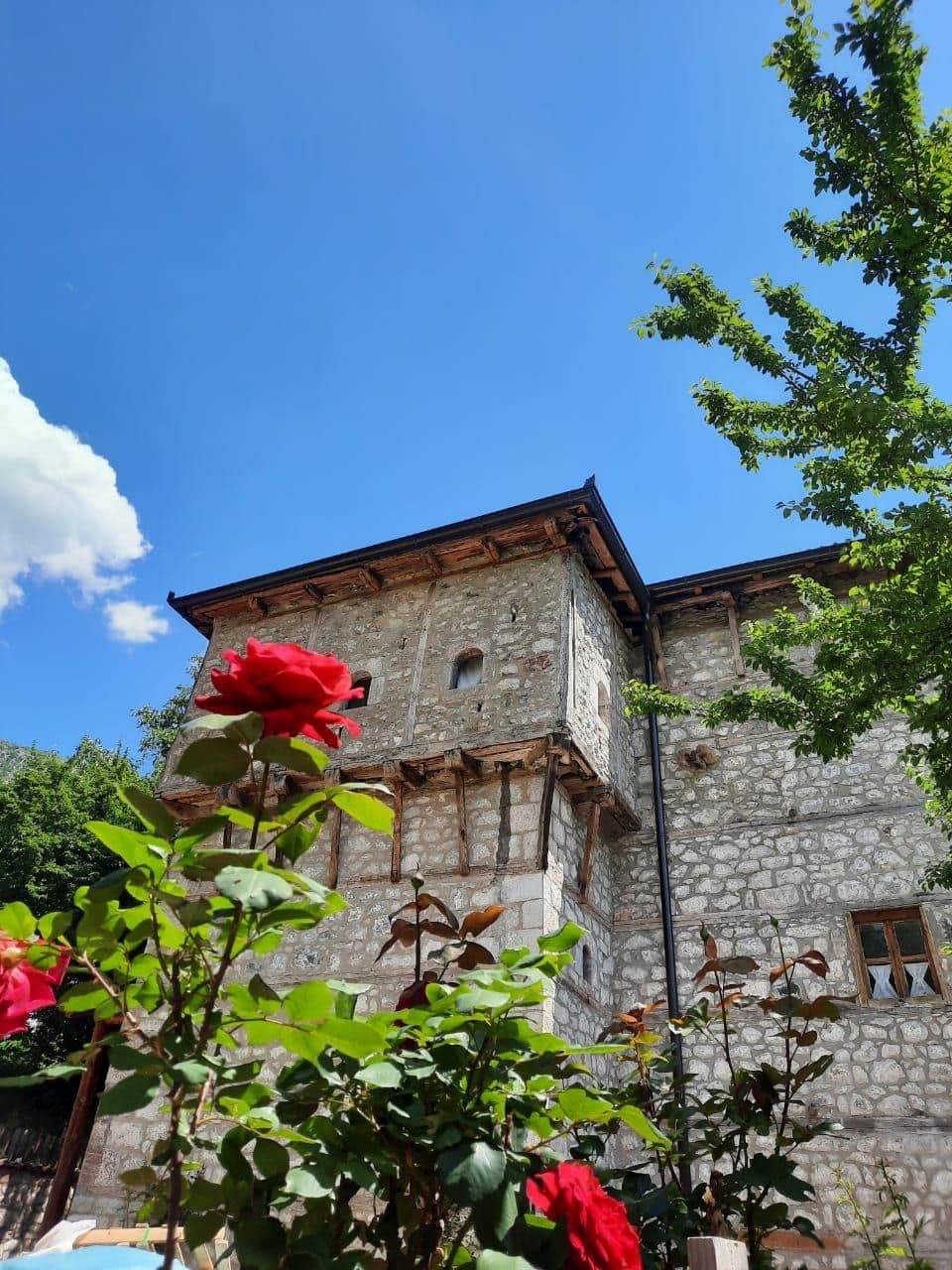
If the mine is the open stage, the old village of Lepurak is the intimate room. Here, you’ll find traditional stone houses, known locally as kullas. These are functional heritage rather than just architectural curiosities. The most notable is Kulla Hupi, a 250-year-old Albanian heritage tower that has been converted into an agriturism.
Staying or visiting at Kulla Hupi puts you right in the heart of the traditional settlement. The structure is protected by the mountain Mali Bardhe, which overlooks the area. From the tower, the view is tight and focused on the immediate village and the surrounding slopes. It’s a good spot for observing birds that prefer sheltered, human-adjacent habitats. You might see local species moving between the stone walls and the nearby fields.
The watermill nearby is another key stop. Tours often include a visit to a traditional watermill where you can taste freshly made Albanian bread. The watermill itself is a small, functional structure that sits in a quieter part of the town. The sound of the water and the smell of fresh dough are sensory anchors that make the location feel lived-in rather than staged.
What to Eat After the Walk
You’ll burn calories walking the hill paths and the mine perimeter. The local food in Bulqizë is hearty, reflecting its mining heritage. Two dishes stand out for anyone visiting the region.
First is Tavë kosi. This is a traditional Albanian dish of baked lamb or beef covered in a thick layer of yogurt. It’s slow-cooked, rich, and filling. It’s the kind of meal that sustains you after a day of hiking. You’ll find it on the menus of local restaurants that cater to the tour groups coming in from Tirana.
Second is Laklor. This is a thin-layer dough pie, stuffed with either cheese or spinach. It’s less heavy than the Tavë kosi and works well as a lunch option. The dough is delicate, and the filling is simple. It’s a regional staple that you can grab quickly if you’re moving between sites.
The traditional watermill tour includes a bread tasting, which is a nice, low-stakes way to try local baking without committing to a full meal. The bread is fresh, often still warm, and pairs well with the simple cheeses you might find in the village.
Getting There and Staying
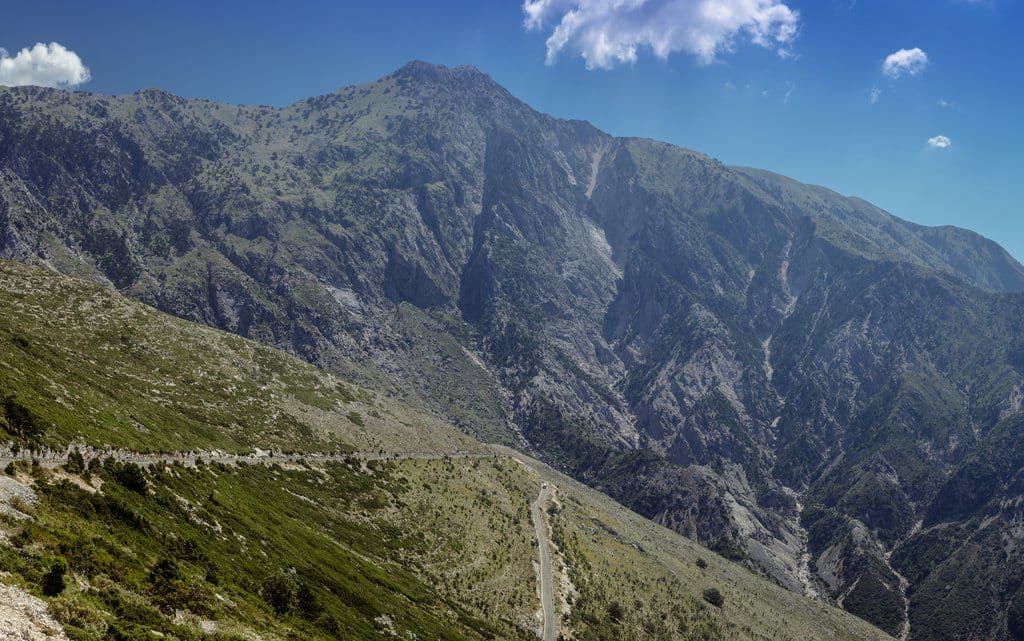
Bulqizë lacks a direct connection to the main rail network. No railway line or station serves the town directly. The rail lines in Albania, such as the Tirana–Durrës route, do not connect to the Dibër region. This means you’re relying on road transport.
The most common way to visit is via an organized day tour from Tirana. These tours typically handle the logistics of getting you into the valley and back out. If you’re driving yourself, be prepared for winding mountain roads. The drive from Tirana takes a few hours, and the roads are not always in perfect condition.
For lodging, Kulla Hupi is the standout option. It’s a heritage tower turned guesthouse, open year-round. Because it’s a specific heritage property, availability can be limited. Check in advance if you plan to stay overnight. Other local accommodations exist in the town, but the kulla experience remains unique to this part of the valley.
Practical Tips for the Valley
Timing matters. The best time to visit for birdwatching and general exploration is during the autumn months. The weather is cooler, the light is lower, and the crowds are thinner than in the summer. Autumn is also when the landscape starts to shift, with the greens deepening and the air getting crisp.
If you’re visiting in late November, be aware of the upcoming holidays. Independence Day is on November 28, 2026, followed by Liberation Day on November 29. These are national holidays, and while Bulqizë is a smaller town, the surrounding areas will see increased travel. If you’re planning to be in the region around these dates, book your accommodation early. Prices and availability will tighten as the holidays approach.
For the day tour from Tirana, most operators offer free cancellation up to 24 hours in advance. This is useful if your plans change or if the weather looks bad. The tours typically include stops at the mine, the watermill, and the panoramic viewpoints. It’s a structured way to see the highlights without having to navigate the roads yourself.
Local Etiquette and Language
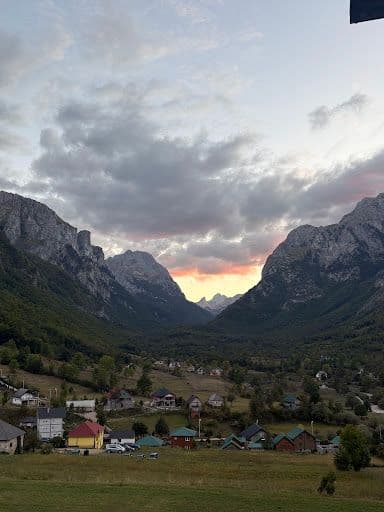
Bulqizë is a small, tight-knit community. The people here are generally welcoming, but they appreciate respect for their heritage. When visiting the old village of Lepurak, dress modestly. The kullas are family homes as well as heritage sites.
The local language is Albanian. While many people involved in tourism, especially those on the organized tours, speak some English, it’s a good idea to learn a few basic phrases. "Mirëdita" (good day) and "Faleminderit" (thank you) go a long way. The locals are proud of their history, and showing interest in the kulla architecture or the mining past is a good conversation starter.
Don’t expect a high level of English in the smaller, family-run restaurants. Pointing at the menu or asking for a recommendation from the staff is usually the easiest way to order. The food is consistent, and the portions are large.
When to Go and Who It’s For
Bulqizë is best for travelers who are comfortable with a bit of isolation. It’s a destination for the slow traveler, the birdwatcher, the history buff, and anyone who wants to see a side of Albania that isn’t on the main tourist circuit, rather than for those who need constant stimulation or a wide range of dining and entertainment options.
The ideal stay is two to three days. One day is enough for the tour highlights, but staying overnight at Kulla Hupi or a local guesthouse allows you to see the valley in the early morning and late evening, which are the best times for bird activity.
If you’re a family, the open spaces are great for kids to run around, but the terrain can be uneven. If you’re a solo traveler, the quiet is a plus, but be aware that you’re in a remote area. Carry a charged phone and let someone know your plans if you’re hiking off the main paths.
Frequently Asked Questions
Is Bulqizë safe for solo travelers? Yes. Bulqizë is a small, residential town. Like any remote area, standard precautions apply. Avoid walking alone in the dark on unlit paths, and stick to the main roads and tour routes if you’re not familiar with the area. The local community is generally friendly and helpful.
Do I need a visa to visit Albania? Many nationalities, including US, UK, and EU citizens, do not need a visa for short tourist stays. However, visa requirements can change. Always check the latest entry requirements for your specific passport before you book your trip.
Can I visit Bulqizë without a tour? Yes, but it’s more difficult. There is no direct public transport from Tirana to Bulqizë. You would need to arrange a private driver or rent a car. The roads are winding and require careful driving. The organized tours are the most convenient and cost-effective option for most travelers.