Get the Sri Lanka visa sorted before you land. Here is how to handle entry logistics and getting around the Northern Province from Vavuniya without wasting money or time.
The Visa Reality Check
You cannot just show up at Colombo Airport with a passport and hope for the best. Sri Lanka requires a visa for most nationalities, and while they offer an Electronic Travel Authorization (ETA) system, relying on "visa on arrival" as a casual travel plan is risky in 2026. The ETA process is online, fast, and costs money. For many tourists, it’s a standard fee, but for others, it’s waived. Check your specific nationality on the official Sri Lankan government portal before you book flights. Do not guess. If you are coming from India, the rules differ slightly; check if you need a specific permit depending on your region of origin, though for most Indian citizens visiting the northern parts like Vavuniya, standard tourist visas apply.
The biggest mistake travelers make is applying for a short-term visa when they plan to stay longer. Vavuniya is deep in the Northern Province. It is far from Colombo. You need flexibility. Apply for a multiple-entry visa if you might bounce back to the coast or head south later. A single-entry visa can leave you stranded if you miss a connection or change your mind. The ETA website gives you the exact fee in USD. Have a credit card ready. Do not use a debit card that might get declined due to foreign transaction limits. That is how people end up stuck in immigration queues.
Getting From the Coast to Vavuniya
There is no direct international flight to Vavuniya. Your only realistic entry point is Bandaranaike International Airport in Colombo. From there, you have two main options to reach the interior.
Option 1: The Train. Sri Lanka’s railway network is iconic, scenic, and cheap. However, the rail lines into the deep north-central regions can be slow and infrequent. You will likely take a train north toward Jaffna, then transfer to a bus or taxi for the final leg to Vavuniya. This is the budget-friendly route. It is also the slowest. Expect several hours on the tracks. The trains are crowded, the windows may not open fully, and you will share space with locals carrying livestock or produce. It is authentic, but it is not comfortable. If you have heavy luggage, this option becomes a logistical headache.
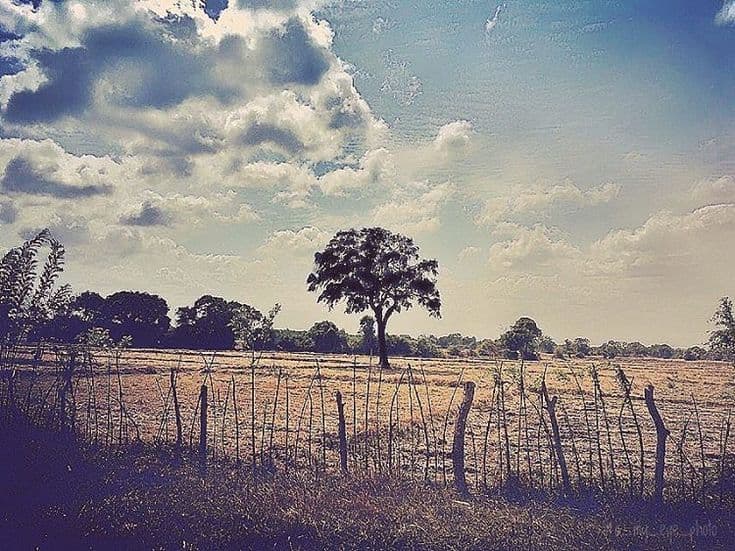
Option 2: The Road. This is what most serious overlanders do. Rent a car in Colombo or hire a private driver. The drive takes roughly 4 to 5 hours depending on traffic and road conditions. The highway is generally good, but once you leave the main arterial roads, the quality drops. You will pass through flat, arid landscapes. The heat in autumn (late year) is still significant. Plan for fuel stops. Gas stations are less frequent in the interior than in the south. Keep your tank above half when leaving populated areas.
If you are flying into Colombo, note that some airlines operate seasonal or limited services to other regional airports like Trincomalee or Anuradhapura, but these are often unreliable for long-term planning. Stick to Colombo for guaranteed connections.
Accommodation: What to Expect
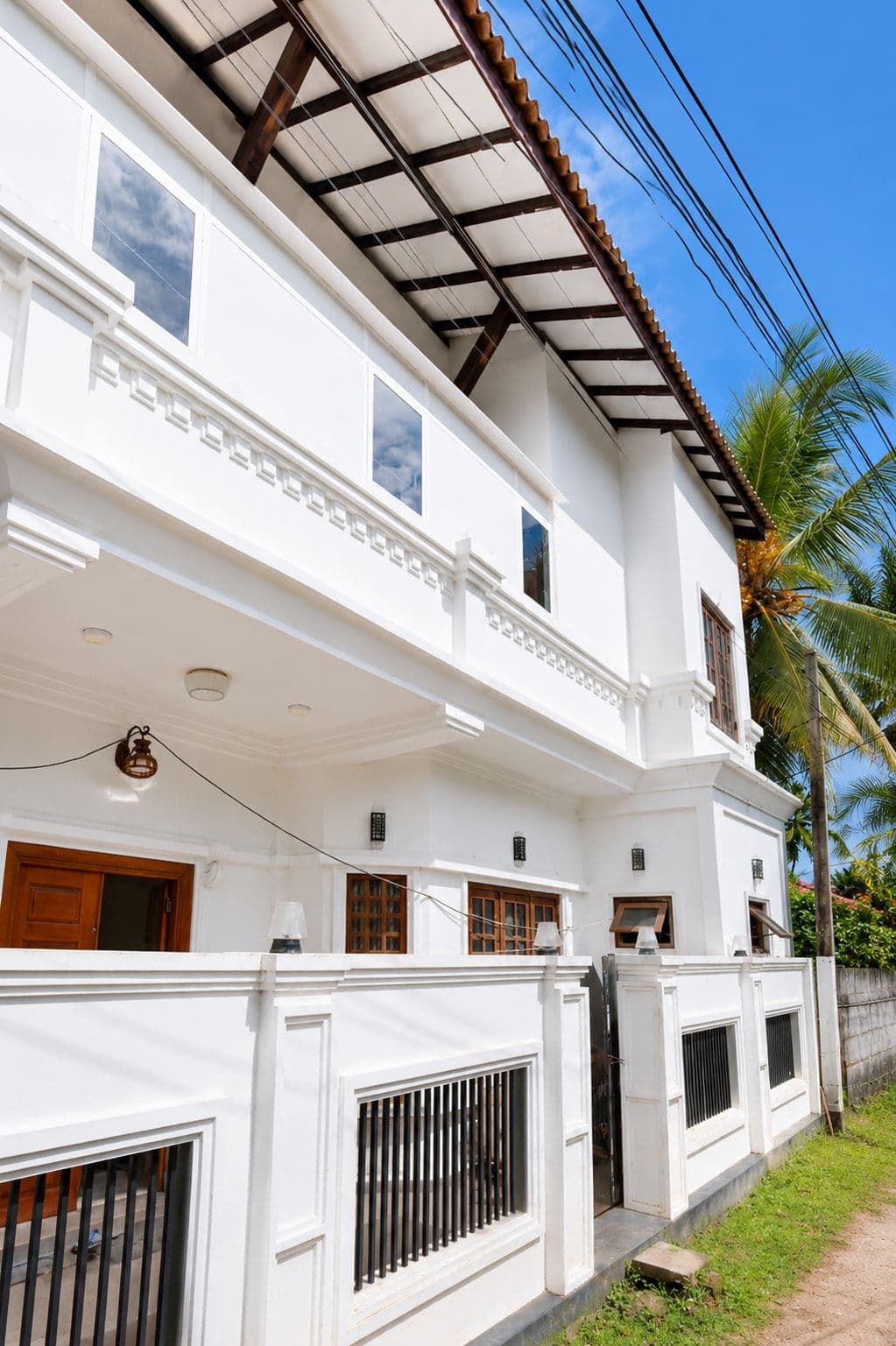
Vavuniya is a transit hub and a provincial capital, rather than a beach resort town. Do not expect five-star luxury. You are looking for functional, clean, and affordable lodging. Most accommodation here consists of guesthouses, small hotels, and budget inns catering to business travelers, government officials, and pilgrims visiting nearby religious sites.
Prices are low compared to coastal hotspots. You can find a clean double room with air conditioning and hot water for a fraction of what you would pay in Galle or Negombo. However, inventory is limited. During peak religious festivals or political events, rooms fill up quickly. Book ahead if possible. Many smaller properties do not have robust online booking systems. You may need to call or email directly, or simply arrive and ask. Walk-ins work more often here than in major cities, but never bet your entire itinerary on it.
Look for places near the main commercial area. This keeps you close to ATMs, pharmacies, and food options. Avoid staying too far out unless you have a vehicle. The town center has a certain energy in the evenings, but it quiets down early. Noise levels vary by property; some are next to busy roads, others are tucked away. Read reviews carefully for mentions of "road noise" or "water pressure." These are common complaints in older buildings.
Money, Connectivity & Safety
Cash is king in the interior. While Colombo is saturated with card payment terminals, Vavuniya is different. Small shops, local markets, and street vendors deal exclusively in Sri Lankan Rupees (LKR). Carry enough cash for your daily expenses. ATMs exist in the town center, but they can run out of cash or malfunction during power cuts. Power cuts are a reality in Sri Lanka. Generators help, but they add noise. Ask about backup power when booking accommodation if you need to charge devices reliably.
Connectivity is decent but not flawless. Mobile data works well in the town center, but speeds drop significantly as you move further into rural areas. Do not rely on real-time navigation apps for every turn on unmarked side roads. Use offline maps. Download them before you lose signal.
Safety in Vavuniya is generally stable for tourists. The region has moved past its conflict era, but the atmosphere is different from the south. Be respectful. Dress modestly, especially when entering religious sites. Photography restrictions can apply in certain military or sensitive zones. Always ask permission before taking photos of people or structures that look secured. Ignorance is not a defense. Stay aware of your surroundings, avoid displaying expensive jewelry or electronics unnecessarily, and stick to well-lit areas after dark.
When to Go & Who This Is For
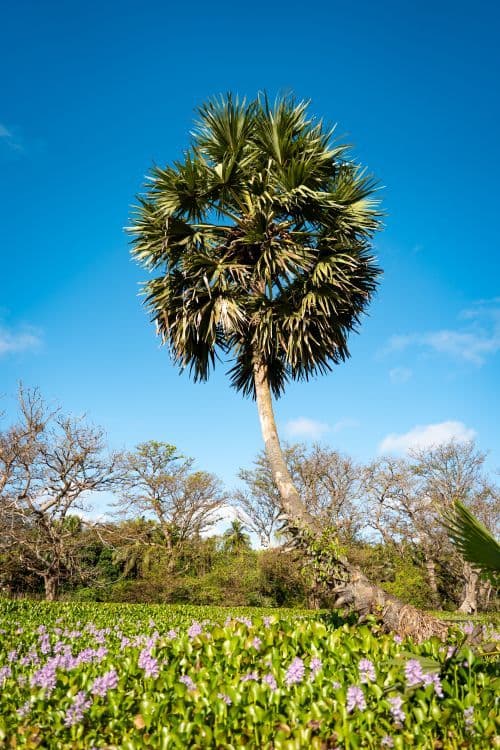
Autumn (October to November) is a transitional period in Sri Lanka. Rain patterns shift between the southwest and northeast monsoons. In the Northern Province, this means you might encounter afternoon showers, but mornings are usually clear. Temperatures remain warm, hovering around 30°C during the day and dropping to the mid-20s at night. The air is humid. Pack light, breathable fabrics. Avoid heavy cotton that stays wet.
This destination appeals to the curious, the overland travelers, and those interested in the cultural and historical heart of northern Sri Lanka. It is a place to observe, to talk to locals, and to understand a part of the island that remains distinct from the tourist circuit. Allow at least three to four days. One day is enough to see the basics and move on. Three days lets you explore the surrounding districts, visit local temples, and experience the rhythm of daily life without rushing.
Frequently Asked Questions
Do I need a special permit to enter the Northern Province? For most tourists holding a valid Sri Lankan tourist visa, no special permit is required to enter Vavuniya or the Northern Province. However, always verify current regulations with the Sri Lankan embassy or consulate before departure, as security protocols can change.
Is it safe to drive in Vavuniya at night? Driving in unfamiliar towns at night increases risk. Roads may be poorly lit, and pedestrian activity can be unpredictable. If you must drive at night, stick to main highways, keep your lights on, and avoid isolated stretches. Consider hiring a local driver if you are unsure of the routes.
Can I get my Sri Lankan visa extended in Vavuniya? Visa extensions are typically processed in Colombo. While there may be police stations or immigration offices in Vavuniya, they usually handle local matters rather than tourist visa extensions. If you anticipate overstaying, arrange this in Colombo before heading north.