A rural Mennonite settlement in Paraguay's Gran Chaco where architecture meets agrarian discipline. Skip the city noise; book a bus to Filadelfia and drive south for a masterclass in functional living.
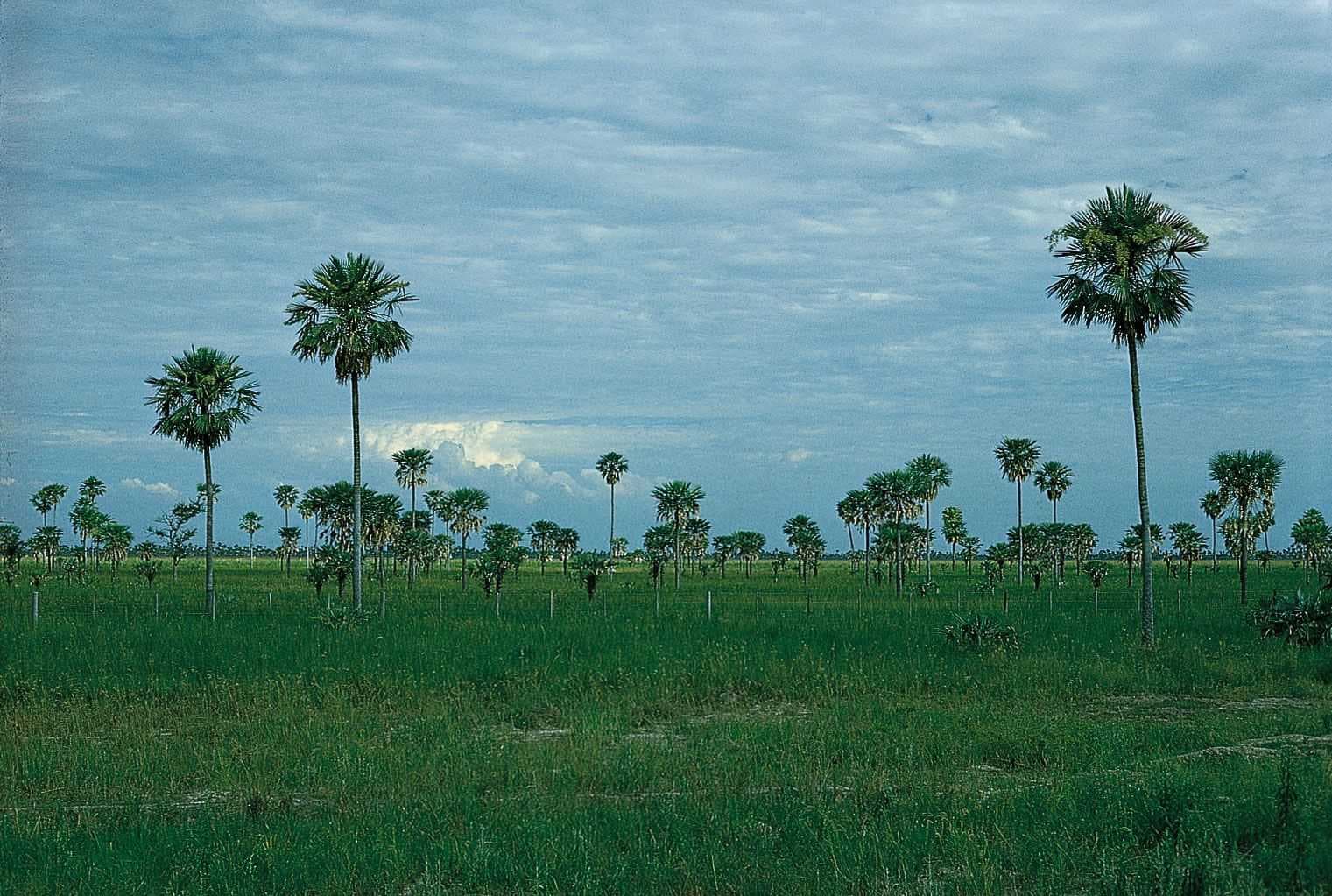
The Architecture of Restraint
Colonia Menno defies the typical postcard destination. It lacks a skyline, a metro system, or a single recognizable monument that will appear on your Instagram grid without context. Located in the Boquerón department of Paraguay’s Gran Chaco, this Mennonite colony operates on a logic so distinct from the rest of South America that it feels like an error in the map. The buildings here prioritize heat management, dust mitigation, and agricultural efficiency over applause.
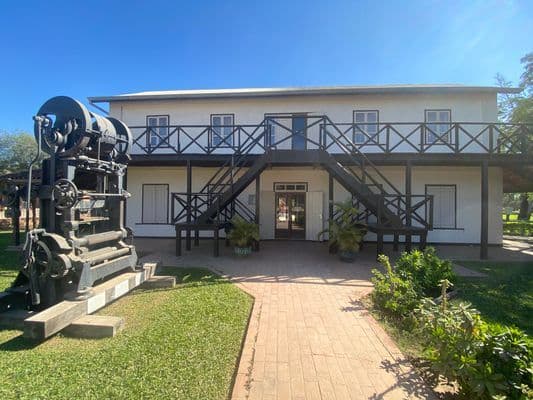
You will notice the lack of ornamentation immediately. The structures are predominantly wood and brick, painted in muted whites, creams, and earth tones that reflect the harsh Chaco sun rather than absorbing it. This is vernacular modernism before the term was coined by academics. There are no balconies with wrought-iron swirls, no tiled facades screaming for attention. Instead, you see deep overhangs, wide verandas shaded by native quebracho trees, and windows positioned to capture cross-breezes during the dry season. The aesthetic is one of aggressive utility. If a feature does not serve the farm or the family, it does not exist.
For the design-literate traveler, this is fascinating. You are looking at a community that prioritized communal survival over individual expression. The layout of the colony is grid-based, orderly, and devoid of the chaotic organic growth found in Asunción or Encarnación. Streets are straight. Plots are uniform. The visual noise is zero. It forces you to look at what is there: the texture of weathered timber, the precision of brickwork, the way light hits a plain white wall at 4 PM.
Getting There: The Reality Check
Let’s be blunt about logistics. Rail transport is absent in this region. There is no rail line cutting through the Paraguayan Chaco. Your primary mode of transport is road, and it requires patience. Most travelers start in Asunción, the capital, which has its own complex relationship with infrastructure. From Asunción, you must take a long-distance bus to Filadelfia, the administrative center of the Central Chaco.
The journey takes roughly 8–10 hours depending on traffic leaving Asunción and road conditions. Buses depart frequently from the main terminal, but comfort levels vary wildly. Expect air conditioning (essential) and limited legroom. Once you arrive in Filadelfia, you are not at Colonia Menno. You are at the hub. Colonia Menno lies approximately 40 kilometers south of Filadelfia.
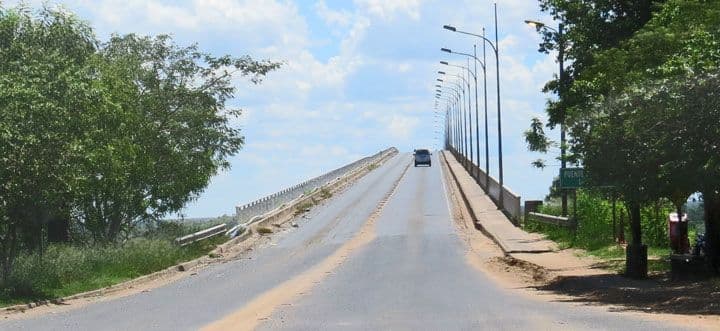
Here is the friction point: public transport between Filadelfia and the colonies is sparse and unreliable for tourists. You cannot rely on a local bus schedule. You need to arrange a taxi or rent a car in Filadelfia. Renting a vehicle gives you freedom, but note that many internal colony roads are unpaved. After rain, these tracks turn into red clay traps. A standard sedan might struggle; a high-clearance vehicle is safer. Taxis are available but expensive relative to local wages. Negotiate the fare before getting in. The drive itself is flat, endless scrubland, punctuated by occasional solar panels and diesel generators—a reminder that this region relies on decentralized power solutions out of necessity.
Where to Stay and Eat
Accommodation options within Colonia Menno itself are extremely limited. The colony is residential, not commercial. You will rarely find a hotel sign. Most visitors stay in Filadelfia, which offers a range of guesthouses and small hotels catering to business travelers and NGO workers. These places are clean, functional, and unpretentious. Think concrete floors, ceiling fans (AC is common but not universal), and simple beds. Prices in Filadelfia are generally lower than in Asunción, but supply is constrained. Book ahead if you are visiting during peak agricultural seasons.
Food is another area where expectations need calibration. Do not expect gourmet fusion cuisine. The culinary landscape is dominated by Mennonite traditions adapted to Chaco ingredients. You will find bread, cheese, and beef everywhere. The "Mennonite Colony" cheese brand is famous across Paraguay, produced in nearby colonies like Fernheim and Neuland. While specific production facilities in Colonia Menno are not always open to tourists, you can buy their products in local shops in Filadelfia. The cheese is firm, salty, and excellent when sliced thin. Pair it with chipa, the ubiquitous Paraguayan cassava flour bread roll. In the Chaco, chipa is often denser and more rustic than the delicate versions served in the capital.
If you want a proper meal, look for parrillas (steakhouses) in Filadelfia. Beef here is locally sourced and incredibly fresh. The cuts are simple—ribeye, flank steak—and grilled over wood fire. There is no truffle oil, no foam, no garnish nonsense. Just meat, salt, and chimichurri. It is honest food.
Practical Details and Money
Paraguay uses the Guaraní (PYG). ATMs are available in Filadelfia, but they can run out of cash on weekends or holidays. Carry sufficient Guaraní in small denominations. Credit card acceptance is low outside of major hotels in Filadelfia. In Colonia Menno itself, assume you are paying in cash.
Language is Spanish, but English proficiency is higher among younger residents and those involved in international aid or business. However, German is still spoken in some households due to the Mennonite heritage. Learning basic Spanish phrases is respectful and practical.
Safety in the Chaco is generally high, largely because crime rates are low in these tight-knit communities. However, isolation is the real risk. If your car breaks down between Filadelfia and Colonia Menno, cell service can be spotty. Download offline maps before you leave town. Inform someone of your route. The heat is also a factor; daytime temperatures in the summer months (November–February) can exceed 35°C (95°F). Hydration is non-negotiable.
When to Go
Timing your visit matters significantly in the Chaco. The rainy season (October–March) brings lush greenery but also mud, insects, and impassable dirt roads. The dry season (May–September/October) is preferred for travel. The ground is hard, the skies are clear, and the wildlife is easier to spot near waterholes.
However, keep an eye on the calendar. Holidays disrupt routine. Caacupe Virgin Day on December 8, 2026, is a major national event. While the pilgrimage is centered on Caacupe, businesses in the Chaco may close or reduce hours as staff travel. Christmas and New Year’s bring families home, meaning accommodations fill up quickly. Patriots Day in March 2027 is a public holiday; expect closed shops. Plan around these dates. For a quiet experience, aim for mid-week in June or July. The crowds are minimal, the temperature is manageable, and the light is sharp enough to appreciate the architectural details.
This trip suits the curious observer, the person who finds interest in how people live when stripped of urban excess. It serves those willing to sit on a porch, watch the solar arrays glint, and understand that sometimes, the most radical design choice is simplicity.