Baiti offers a rare van life reality: zero traffic, total isolation, and a coastline that demands respect. Here is how to survive the silence on Nauru’s northern tip.
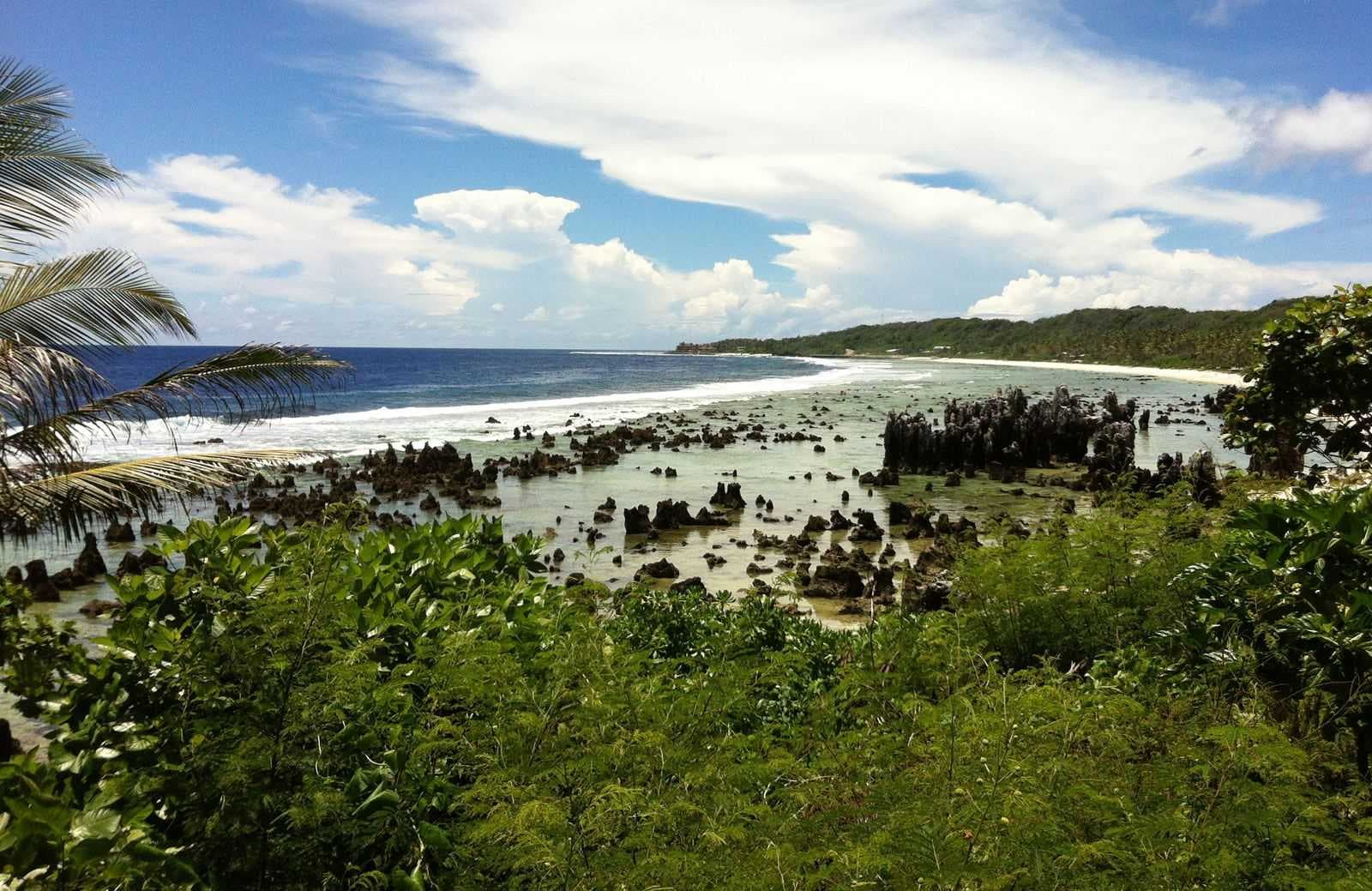
The silence in Baiti is heavy enough to press against your eardrums. You are parked on a stretch of asphalt that serves as both road and runway for local trucks, facing a jagged ridge of phosphate rock that rises abruptly from the sea. There are no streetlights here. No 24-hour diners. Just the sound of trade winds hitting the corrugated iron roofs of the few structures scattered along the coast. For the van lifer seeking true disconnection, Baiti, located at the northernmost point of Nauru, provides an environment so stripped of modern noise that it feels almost lunar. But this isolation comes with a steep logistical price tag that most travel blogs gloss over.
The Reality of Road-Based Isolation
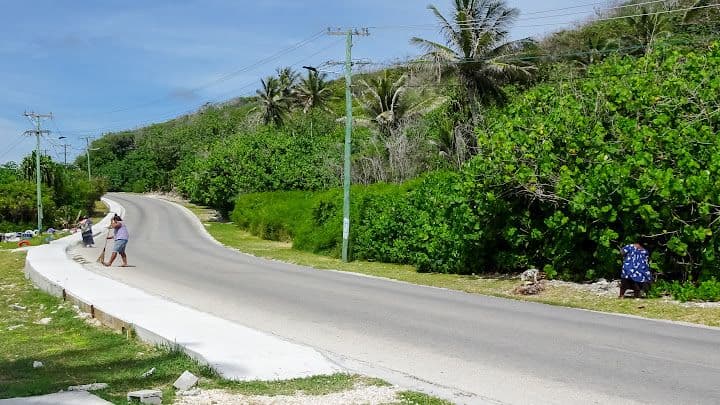
Nauru does not have a railway network. It does not have a bus system that runs on a reliable timetable you can download before departure. The entire concept of "van life" here relies on the island’s single ring road, a narrow ribbon of pavement that encircles the country. In Baiti, this road hugs the shoreline tightly, leaving little room for error. If you are driving a rental vehicle or a campervan, you are navigating a landscape where the ocean is on one side and steep, eroded cliffs on the other.
There are no designated campgrounds in Baiti. You cannot simply pull off the road and pitch a tent or sleep in your van without risking a confrontation with private property owners or local authorities who view unauthorized overnight stays as a nuisance. The practical reality is that you must arrange accommodation in advance. While specific hotel names vary in availability, the general rule for Baiti is that lodging is scarce and often requires direct negotiation or booking through regional operators who manage guesthouses in the surrounding districts. Do not expect to find a "free spot" on the map. The terrain is rugged, and the social contract is tight.
Logistics and Supply Chains
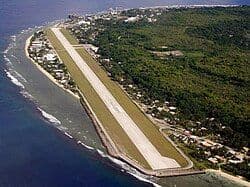
Getting to Baiti requires a flight into Nauru International Airport, which sees limited service depending on the season and airline schedules. From the airport, the drive north to Baiti takes roughly twenty minutes by car, but the journey feels longer due to the winding nature of the coastal route. Once you arrive, fuel becomes your primary concern. Gas stations on the island are few, and prices are significantly higher than global averages due to shipping costs. A full tank might cost upwards of USD 60–80, depending on current oil markets and import tariffs.
Water is another critical resource. Tap water in many parts of Nauru is not potable without treatment. Most residents rely on rainwater harvesting or bottled imports. For a van lifer, this means you must carry sufficient fresh water reserves. There are no public taps where you can top off your tanks easily. Plan for self-sufficiency. If you run out of water in Baiti, you are miles from the nearest convenience store, and walking back is not a viable option in the heat.
Food supplies are equally constrained. There are no large supermarkets in Baiti. You will find small shops selling canned goods, instant noodles, and imported snacks. Fresh produce is limited and expensive. Fish is abundant, but accessing it requires either a boat or a relationship with a local fisherman. If you plan to cook, bring your own staples. The local cuisine relies heavily on imported rice and tinned tuna, dishes that sustain the population but offer little culinary variety for the discerning traveler.
Cultural Context and Etiquette
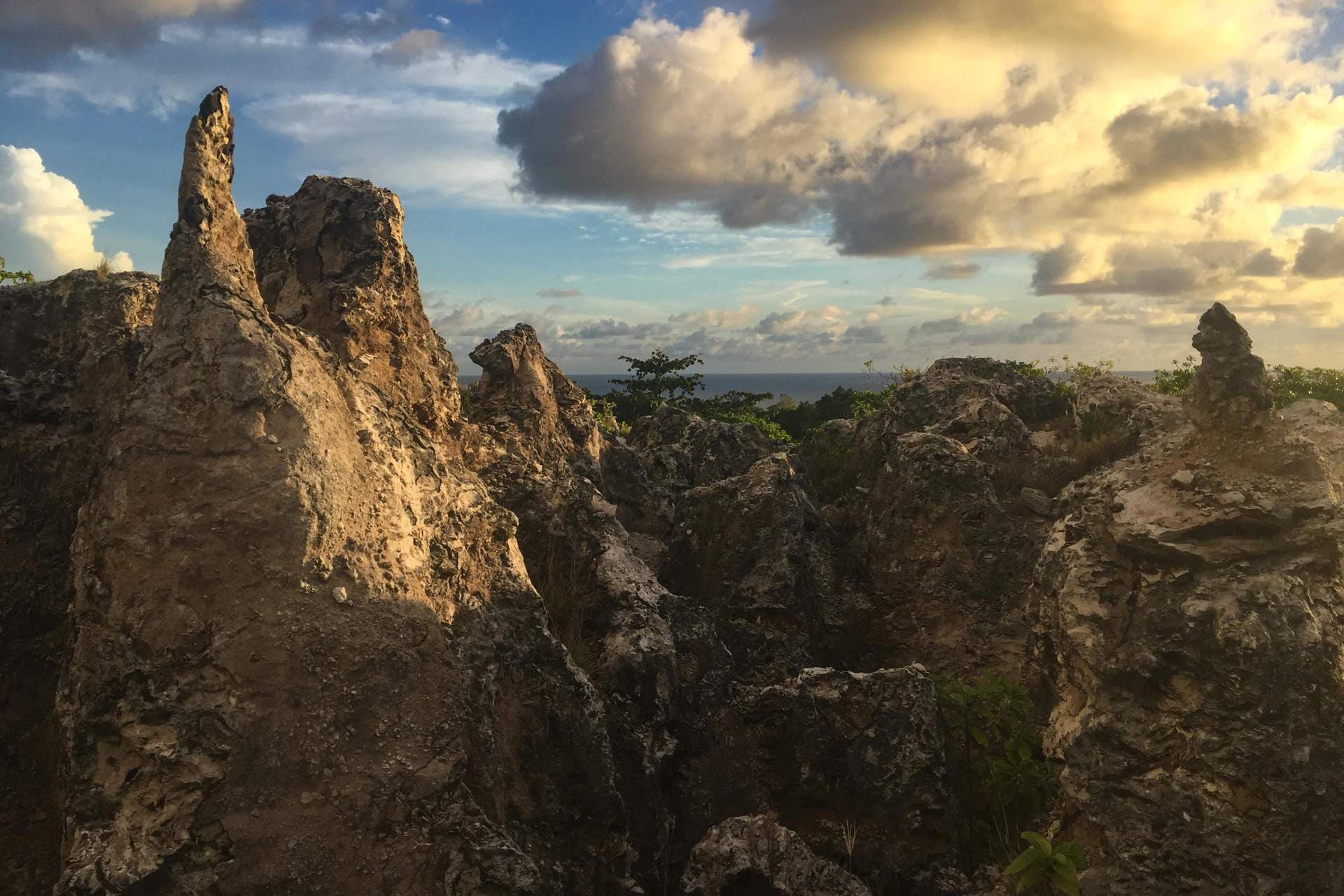
Baiti is part of a nation with a complex history involving phosphate mining and colonial administration. The land itself bears the scars of extraction, with vast areas of pinnacled limestone standing as monuments to industrial greed. Respecting this context is essential. Locals are generally welcoming but reserved. They value privacy and community cohesion. Loud music, bright lights, and erratic behavior draw negative attention quickly.
When interacting with residents, patience is key. Services may operate on a flexible timeline. If you ask for directions, do not expect a GPS-accurate response; instead, you will receive verbal cues based on landmarks like the old church ruins or specific palm trees. Learn to read these cues. Smiling goes a long way, as does acknowledging the difficulty of life on a remote island. Avoid discussing sensitive political topics unless invited to do so. The focus should remain on mutual respect and survival logistics.
Best Times to Visit and Weather Patterns
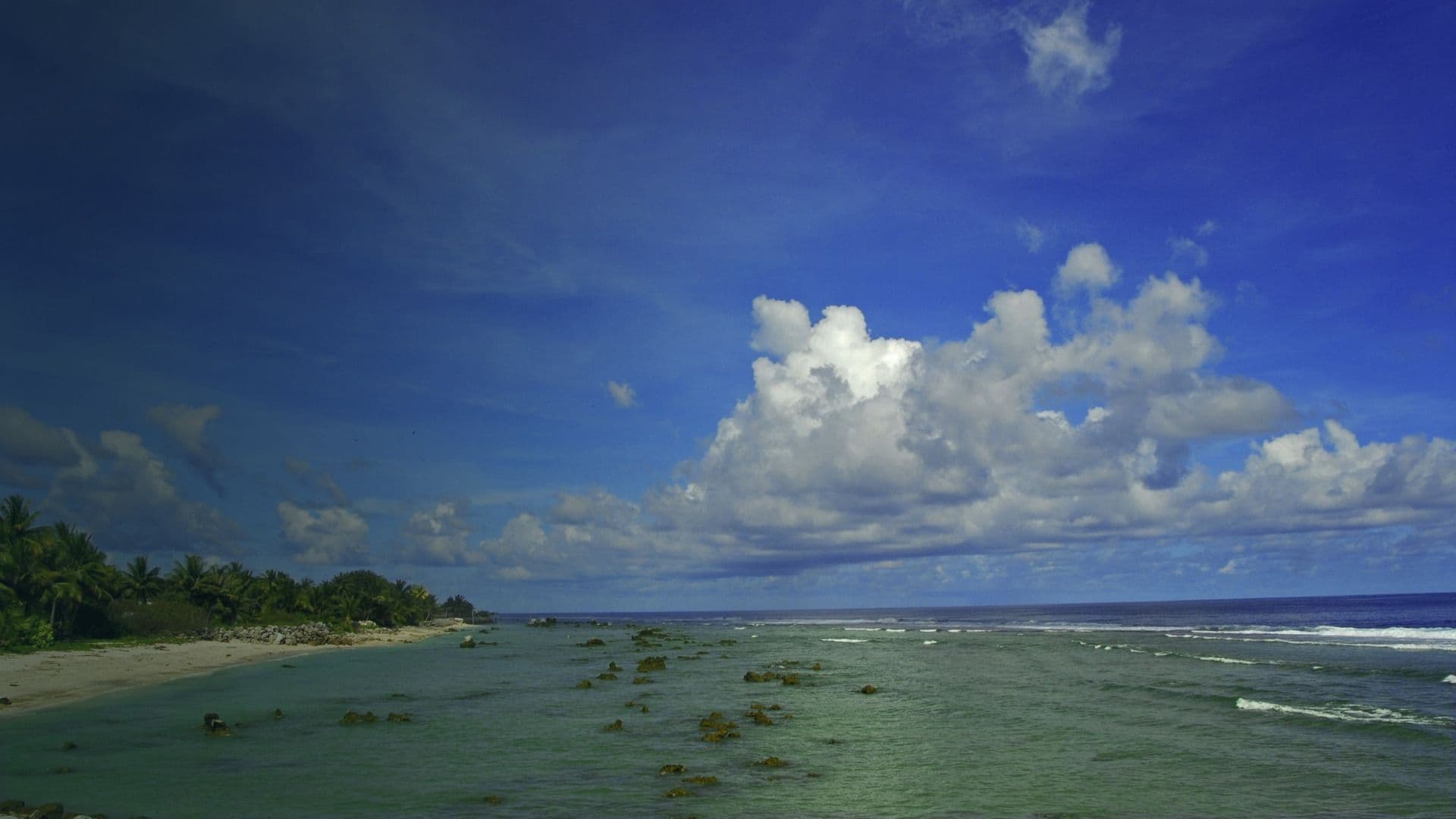
Nauru experiences a tropical climate with two main seasons: the wet season from November to February, and the dry season from March to October. Since the current date is late November, you are entering the wet season. This brings high humidity, frequent rain showers, and potential cyclonic activity. Rain can turn dirt tracks muddy and reduce visibility on the coastal roads. Pack waterproof gear and ensure your van has good tires.
The dry season offers more stable weather, making it preferable for hiking the inland plateau or exploring the lagoon. However, even then, the sun is intense. UV levels are extreme near the equator. Sunscreen, hats, and protective clothing are non-negotiable. There are no holidays on record for the next six months that would impact travel significantly, so pricing remains relatively steady, though airfare fluctuates based on global demand.
Who Should Attempt This Trip?
This trip is not for beginners. Van life in Baiti is for experienced travelers who are comfortable with self-reliance, limited connectivity, and basic mechanical troubleshooting. Cell phone reception can be spotty in the northern districts, so offline maps are mandatory. Families with young children may find the lack of amenities challenging. Solo travelers will appreciate the solitude but must prioritize safety protocols, such as sharing their location with someone outside the island when possible.
If you are seeking luxury, comfort, or nightlife, look elsewhere. Baiti offers raw nature and profound quiet. It is a place to reflect, not to party. The reward is a perspective shift that only comes from being truly alone in a beautiful, harsh environment.
Frequently Asked Questions
Do I need a visa for Nauru? Visa policies depend on your nationality. Many visitors require a pre-approved visa or can obtain one upon arrival for a fee. Check with the Nauruan immigration department before booking flights, as rules change frequently.
Is it safe to sleep in my van anywhere in Baiti? No. Unauthorized camping is frowned upon and potentially fined. Stick to arranged accommodations or designated areas if available. Always ask permission before stopping overnight.
Can I rent a van on the island? Rental options are extremely limited. Most vehicles are privately owned. Booking a car with a driver or arranging transport in advance is often more practical than attempting to rent a self-drive campervan locally.