Skip the crowds of Kinshasa. Businga offers a raw, unfiltered look at Ubangi life where solo travelers find space to breathe and observe.
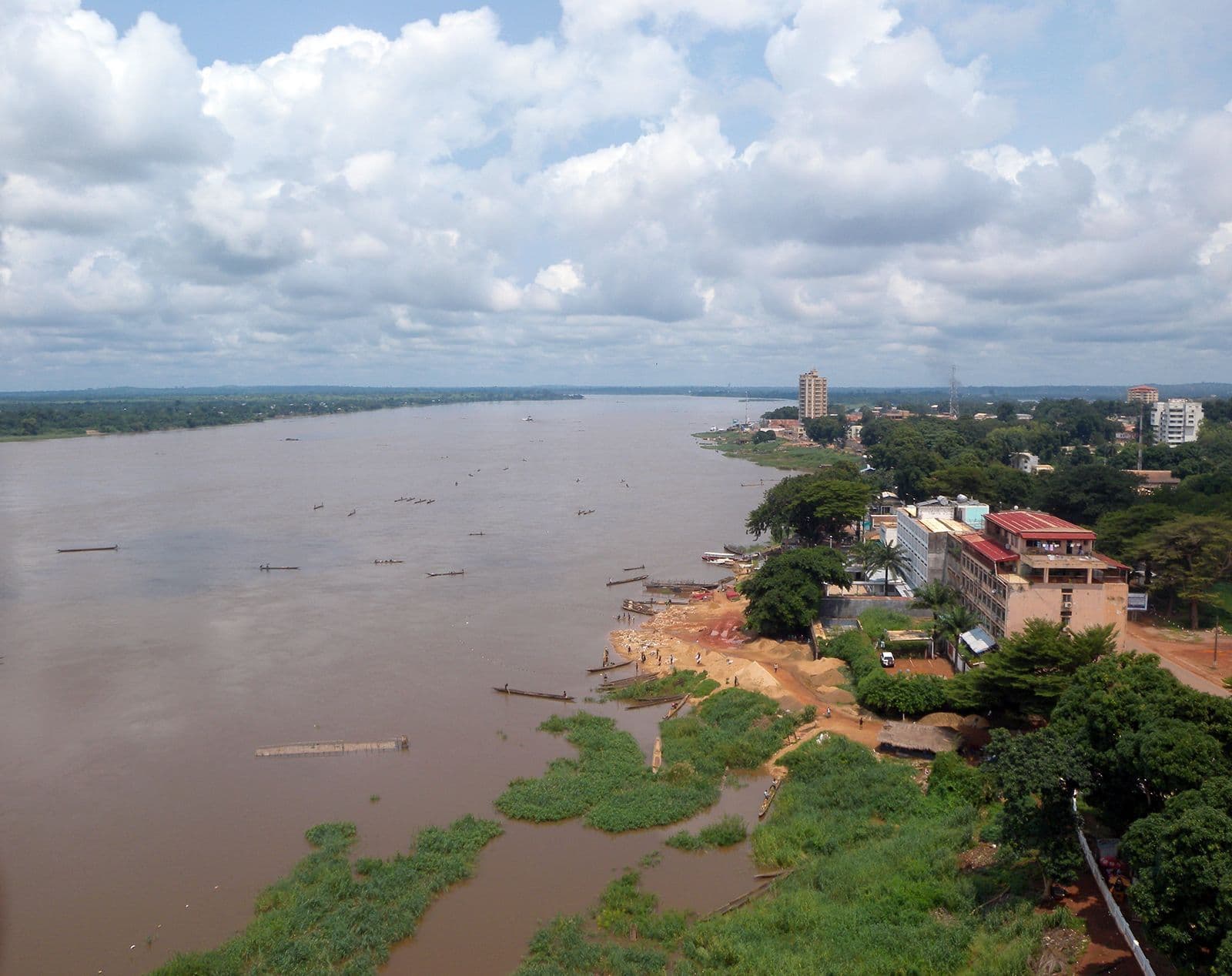
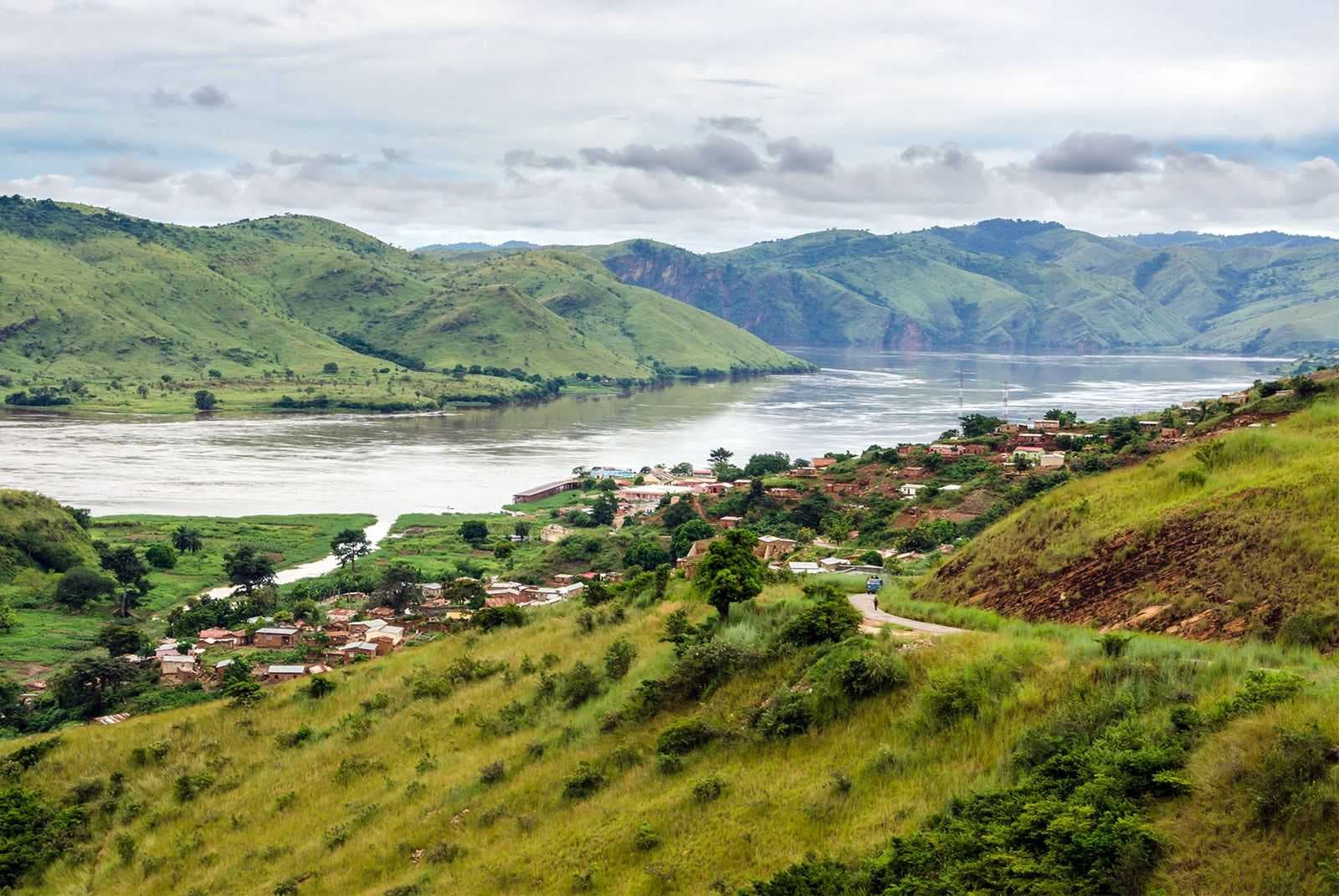
The dust on the road from Gbadolite is fine enough to coat your teeth within an hour. In Businga, the capital of Nord-Ubangi province, there are no traffic jams, no honking horns demanding priority, and no tourist infrastructure to distract you from the reality of the region. For the solo traveler willing to navigate logistical gaps, this town offers a rare commodity in modern travel: silence. This destination suits those who want to understand the rhythm of life along the Ubangi River without a guidebook dictating every step, though it demands a tolerance for discomfort and inconvenience.
Navigating the Roadless Reality
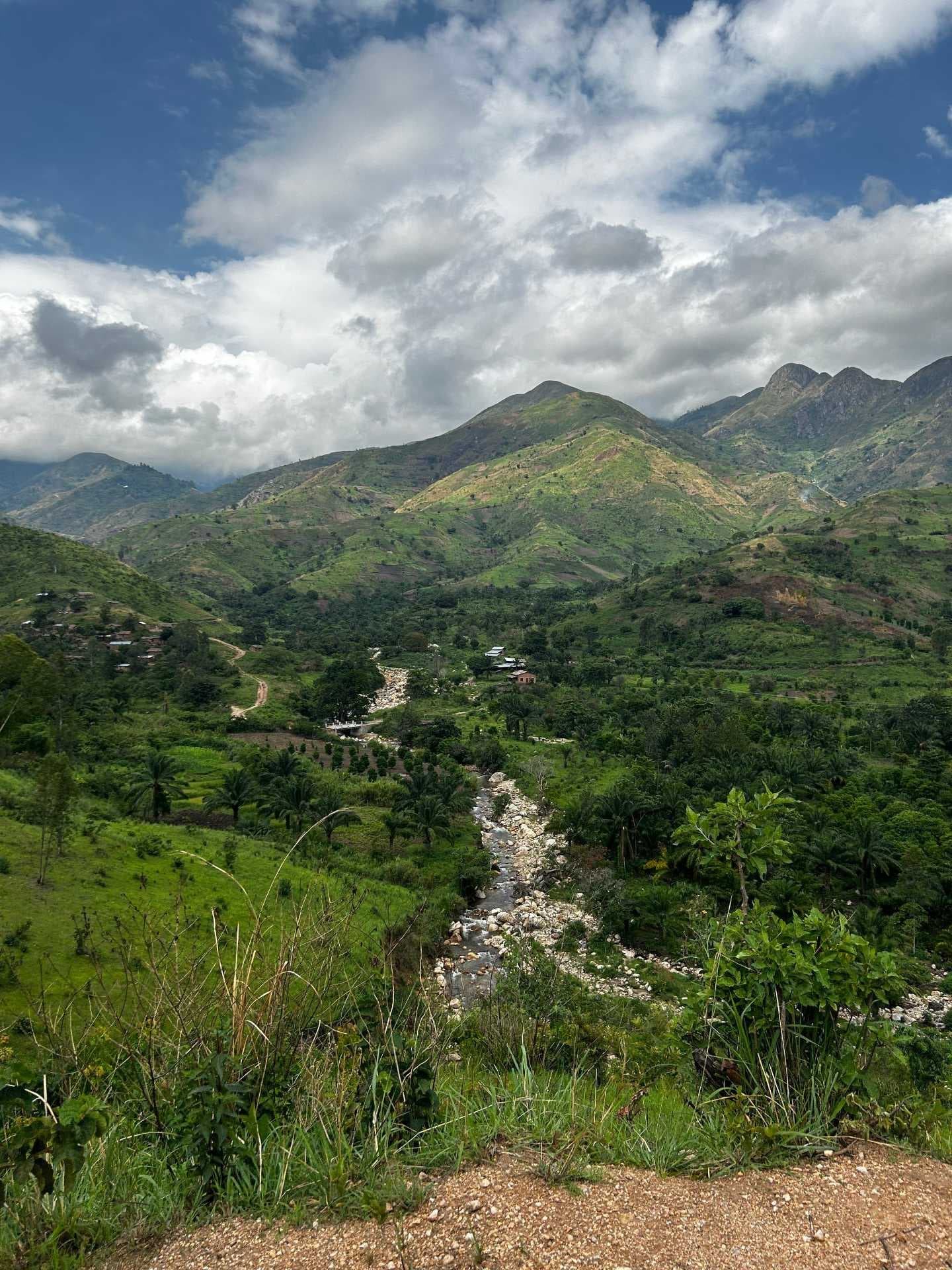
Getting to Businga is half the experience. There is no commercial airport with scheduled flights serving the town directly, so most arrivals come by road or river. If you are coming from Mbandaka, the provincial capital of Équateur, you are looking at a multi-day journey involving boat transport on the Ubangi River followed by overland transit. The roads here are unpaved tracks that turn into mud traps during the rainy season. You need a 4x4 vehicle here; treat it as survival gear rather than a luxury.
Solo travelers must arrange private transport. Public buses (bus verts) exist but are infrequent and often full. Hiring a driver with a reliable vehicle costs significantly more than in urban centers like Kinshasa, but it ensures you actually arrive. Expect to pay around $100–$200 USD per day for a vehicle and driver, depending on fuel prices and negotiation skills. This cost covers the isolation. You will be alone with the landscape, which stretches endlessly in green monotony until the red earth takes over near the town center.
Where to Stay in the Territory Headquarters
Accommodation options in Businga are limited and basic. Do not expect hotels with Wi-Fi or hot water showers that work consistently. The few available lodgings are often government-run or associated with NGO operations. These places prioritize security and solid walls over aesthetics. Prices hover around $30–$50 USD per night for a room with a fan and a mosquito net.
For a solo traveler, safety is paramount. Staying in these established compounds provides a buffer against petty theft and allows access to local information networks. The staff can tell you which roads are currently passable and which markets have fresh produce. Because the options are scarce, booking ahead via satellite phone or through a contact in Gbadolite is advisable. If you cannot secure a room, ask about guest houses run by local families, though privacy may be minimal. The trade-off is authenticity: you eat what they eat, hear the morning prayers, and see the community as it operates, not as it performs for visitors.
Eating Local Without a Menu
Food in Businga is simple, hearty, and deeply rooted in the Ubangi River basin. You will rarely find printed menus. Instead, you point to what looks good in the market or accept what the cook prepares. Fufu, made from cassava or plantains, is the staple carbohydrate, served alongside stews made from bushmeat, fish, or leafy greens like pondu. The fish is often smoked or dried due to the lack of refrigeration, giving it a dense, savory flavor that pairs well with spicy tomato-based sauces.
Street food vendors operate out of small stalls near the central market area. Look for grilled plantains or fried snacks made from maize flour. These cost less than $1 USD and provide quick energy for walking tours. Water safety is critical. Stick to bottled water if available, or boil all drinking water yourself. Ice is rarely safe unless you know its source. Eating locally means trusting the vendor’s judgment, a skill that improves with observation. Watch who eats there regularly; locals are the best quality control inspectors.
Cultural Etiquette and Daily Rhythms
Businga operates on a slower clock than Western cities. Business hours are flexible, and appointments are suggestions rather than commitments. As a solo traveler, patience is your primary tool. Rushing someone will only cause confusion and resentment. Greetings are essential. Always say Bonjour (Good Morning) or Bonsoir (Good Evening) before starting any transaction. Ignoring this formality marks you as an outsider immediately.
Photography requires permission. People are curious but wary of cameras. Ask before taking portraits, especially of elders or women. A nod or a smile goes a long way. Learning a few words of Lingala, the national lingua franca, earns respect. Phrases like Mbote (Hello) or Matondo (Thank you) break barriers quickly. The community is tight-knit, and news travels fast. Being polite and discreet ensures you remain welcome. Avoid discussing politics openly unless invited; the history of the region is complex and sensitive.
Best Time to Visit and Who Should Go
The dry season, typically from June to September, offers the best conditions for travel. Roads are firmer, mosquitoes are fewer, and river levels are stable enough for predictable boat schedules. During the rainy season, October through May, travel becomes erratic. Flights and boats may cancel, and roads become impassable. Since there are no major holidays recorded in the next six months that impact Businga specifically, you can plan based purely on weather patterns.
This destination suits experienced solo travelers who are comfortable with uncertainty. Beginners should look elsewhere. Families with young children may find the lack of medical facilities and entertainment challenging. However, for photographers, anthropologists, or those seeking solitude, Businga provides an unvarnished view of Central African life. Plan for a stay of three to five days. Longer stays require deeper integration into the community, which might involve volunteering or working with local NGOs.
Frequently Asked Questions
Do I need a visa for the DRC? Yes. Most nationalities require a visa. You can obtain an e-visa online or a visa on arrival at entry points like Kinshasa or Goma, but ensure your documents are in order before heading to remote areas like Businga. Carry copies of your passport and visa at all times.
Is it safe to walk alone at night? No. Street lighting is minimal or non-existent. Walking alone after dark increases the risk of encountering opportunistic thieves. Use a hired driver or taxi for evening movements, even for short distances.
What currency should I bring? Bring US dollars in small denominations. Credit cards are almost never accepted outside major cities. Exchange rates fluctuate, so having cash gives you leverage in negotiations. Keep money hidden and use a money belt under your clothes.