Explore Nacala’s coastal heritage and railway history. A guide to low-impact travel in Mozambique’s northern port city.
The deep waters of Nacala Bay offer a unique vantage point on Mozambique’s northern coast. This natural harbor, shaped by centuries of trade winds and tidal shifts, serves as a vital logistical artery for the region while supporting a distinct marine ecosystem. For the traveler arriving by direct flight from Maputo (MPM) to Nacala (MNC), the transition is immediate. The humid warmth of the interior gives way to the salt-heavy breeze of the Indian Ocean. Sustainable tourism here is a practical necessity, dictated by the need to preserve the local environment and support the community’s economic stability.
Nacala, often overshadowed by its larger southern counterparts, offers a travel experience defined by authenticity and ecological awareness. It is a place where the industrial rhythm of the port coexists with the slow pace of coastal life. To visit responsibly is to engage with this duality—respecting the infrastructure that sustains the region while preserving the natural beauty that draws visitors. This guide explores how to navigate Nacala with intention, focusing on experiences that support local conservation and community resilience.

The Marine Frontier: Diving Responsibly
The primary draw for eco-conscious travelers in Nacala is the bay itself. Unlike crowded tourist hotspots where reef systems are often degraded by over-tourism, Nacala’s underwater landscape offers opportunities for observation and learning. The coral gardens here are vibrant ecosystems supporting diverse fish species. However, the conditions of the water require respect. Snorkelers and divers must adhere to strict no-touch policies. The coral polyps are sensitive to physical contact and chemical runoff from sunscreen.
When planning a dive, look for operators who prioritize small groups and educate participants on reef-safe practices. The visual reward is significant: walls of coral dropping into the deep blue, illuminated by sunlight filtering through the water. This experience is an immersion into a biological network that supports local fisheries. By choosing guided excursions that emphasize conservation, visitors contribute directly to the preservation of these underwater attractions. The experience is solitary and meditative, offering a stark contrast to the bustling activity on the surface.
Historic Anchors: The Coastal Heritage
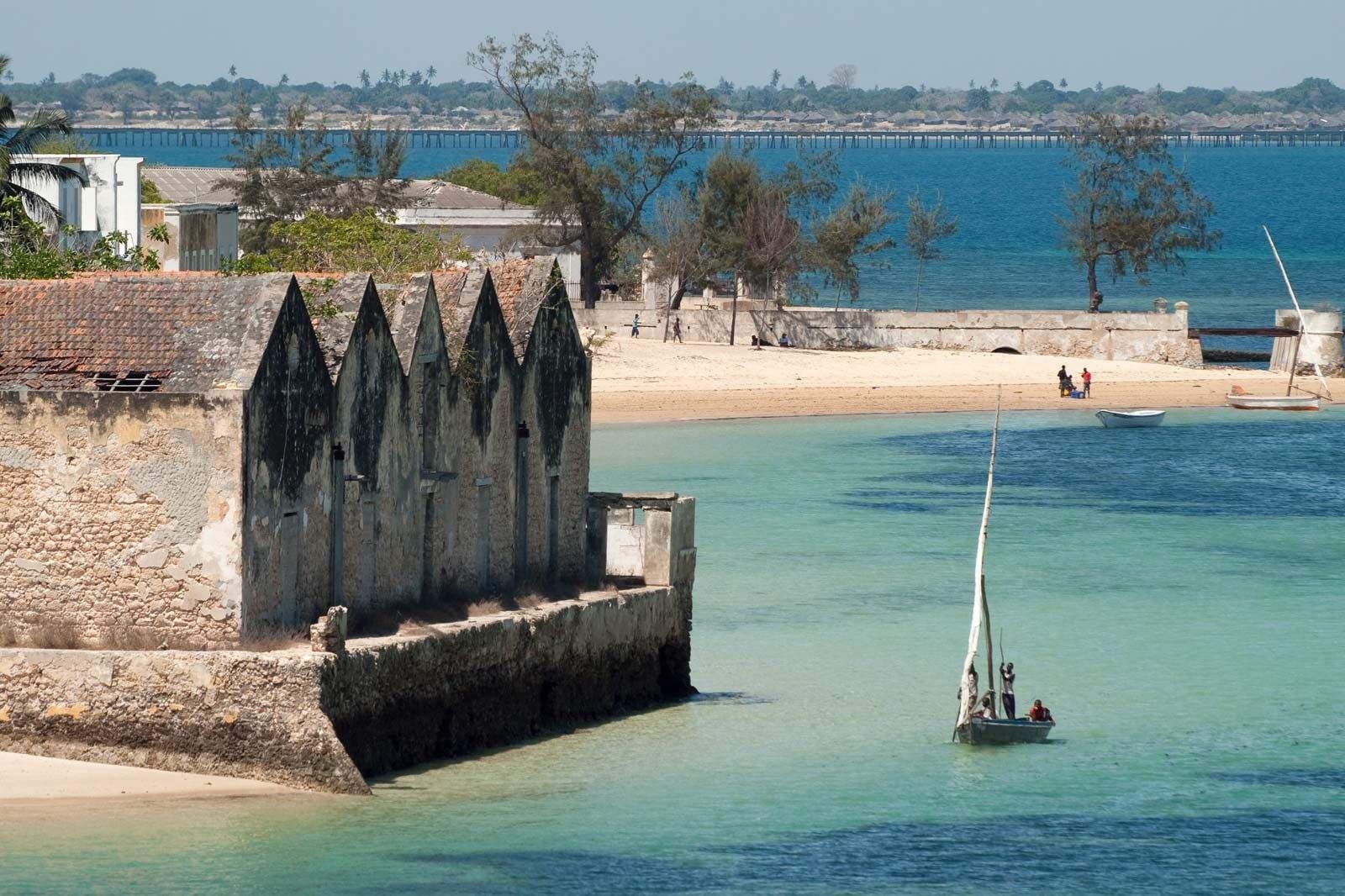
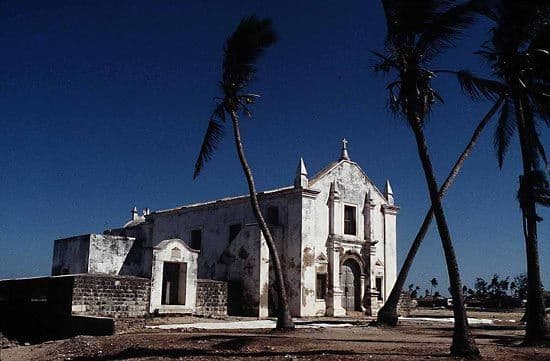
Above the waves, the coastline of Nacala stands as a testament to the region’s complex past. Developed primarily as a commercial port in the late 19th and early 20th centuries, the area reflects the shifts in power and trade that shaped modern Mozambique. Walking along the waterfront provides context for the city’s development. It is a reminder of the colonial era and the subsequent evolution into a key hub for regional commerce.
Exploring the coastal areas is a low-impact activity. There are no crowds to manage or fragile artifacts to protect beyond the historical structures themselves. The view from the promenade offers a panoramic perspective of the bay, allowing visitors to appreciate the scale of the natural harbor. This historical context grounds the visitor in the timeline of Nacala, connecting present-day sustainability efforts to the broader narrative of the region. It is a place for reflection, where the weight of history meets the serenity of the sea.
The Industrial Artery: Nacala Railway
Sustainable tourism also involves understanding the economic engine of a destination. The Nacala Railway, part of the 912 km Nacala Corridor, is central to the region’s identity. Running from the port city to the coal belt of Moatize and crossing into Malawi, this line is a critical infrastructure project. While it serves heavy industry, it also facilitates regional connectivity. The parallel Linha Nacala-Cuamba, operated by Caminhos de Ferro de Moçambique (CFM), further integrates the northern provinces.
For the traveler, the railway is not typically a tourist attraction in the traditional sense. However, recognizing its role is essential for a nuanced view of Nacala. It highlights the tension between industrial development and environmental preservation. Visitors can observe the trains moving along the coast, a daily spectacle that underscores the city’s function as a gateway. This awareness fosters a deeper appreciation for the challenges faced by local communities in balancing growth with sustainability. It is a lesson in the interconnectedness of global trade and local ecology.

Culinary Sustainability: Local Flavors
Food is a direct link to the local environment and economy. In Nacala, the culinary scene is simple yet flavorful, relying on fresh ingredients sourced from the sea and nearby farms. Grilled chicken marinated in local spices is a standout dish, often served with piri-piri sauce. This spicy chili sauce, made with crushed chilies, garlic, and lemon, is a staple in Mozambican cuisine. Its heat is balanced by the acidity of the lemon, creating a flavor profile that is both invigorating and comforting.
Choosing local eateries supports small business owners and reduces the carbon footprint associated with imported goods. The ingredients are seasonal and fresh, reflecting the agricultural cycles of the region. Dining on these local specialties is an act of cultural engagement. It allows visitors to participate in the local way of life, fostering connections with residents who take pride in their culinary traditions. The experience is unpretentious, focused on quality and authenticity rather than extravagance.
Practical Planning for Nacala
Timing your visit to Nacala is crucial for both comfort and sustainability. July is widely considered the best month to visit, with average daytime temperatures around 28°C (82°F) and cooler nights near 21°C (69°F). This dry season weather minimizes the humidity that characterizes the summer months, making outdoor activities more enjoyable. January, by contrast, brings intense heat and humidity, which can be draining for travelers.
Transportation is straightforward. Direct flights connect Nacala (MNC) with Maputo (MPM), providing a quick entry point. Once in the city, local transport options are limited but functional. Renting a car or hiring a driver offers flexibility for exploring the outskirts, such as the coastal areas or historical sites. Accommodation options vary, so it is advisable to book in advance, especially during peak seasons.
Cultural Context and Etiquette
Respecting local customs is integral to sustainable travel. Nacala is a conservative community with strong religious influences. Dress modestly, particularly when visiting religious sites or rural areas. Learning basic Portuguese phrases can enhance interactions with locals, showing respect for their language and culture. Engaging with residents in a friendly and curious manner opens doors to genuine experiences.
Language barriers can be a challenge, but smiles and gestures often bridge the gap. Porters, drivers, and shopkeepers appreciate efforts to communicate in their native tongue. This small investment in cultural sensitivity yields significant rewards in terms of hospitality and insight. It transforms a transactional interaction into a meaningful exchange.
When to Go and Who It’s For
The ideal window for visiting Nacala is during the dry season, from May to October. July offers the most pleasant conditions. Be mindful of local holidays, which can affect availability and prices. Victory Day on September 7, 2026, is approaching; expect higher demand and potential crowding around this date. Armed Forces Day on September 25, 2026, and Peace and Reconciliation Day on October 4, 2026, may also see increased local activity. Booking accommodations and tours well in advance is recommended for these periods.
Nacala suits travelers seeking solitude, nature, and cultural depth. It is not a destination for nightlife or luxury shopping. Solo travelers, couples, and small families will find the pace relaxing. A stay of three to four days allows enough time to explore the bay, visit historical sites, and sample local cuisine without rushing. The experience is rewarding for those willing to engage with the destination on its own terms, embracing simplicity and sustainability.
Frequently Asked Questions
Is Nacala safe for tourists? Generally, yes. Like any destination, exercise standard precautions. Avoid displaying valuables and stay aware of your surroundings, especially at night. Local guides can provide up-to-date safety advice.
What is the best way to get around Nacala? Taxis and private cars are the most common modes of transport. Public buses are available but may not cover all tourist sites efficiently. Hiring a driver for day trips is a convenient option.
Do I need a visa to enter Mozambique? Visa requirements depend on your nationality. Many travelers can obtain a visa on arrival or e-visa. Check the latest regulations with the Mozambican embassy before traveling. Ensure your passport is valid for at least six months beyond your entry date.