Skip the peak-season crowds in Sidi Yahya El Gharb. This guide covers autumn logistics, local rhythms, and honest expectations for a quiet, authentic visit.
The town of Sidi Yahya El Gharb sits quietly in the Gharb plain, offering a distinct pace that contrasts sharply with the coastal bustle of nearby Kenitra or Rabat. In late autumn, the air cools just enough to make walking the central streets comfortable, and the local rhythm shifts from the high-season rush to a more settled, community-focused daily life. For travelers who prefer observing rather than being observed, this window in November and December provides the clearest view of how life actually functions here, away from the curated experiences often found in major hubs.
Why Autumn Works Here
Most visitors rush through this region to reach Tangier or Casablanca, treating the inland towns as mere transit points. That is a mistake. In November, the light in Sidi Yahya El Gharb takes on a softer, golden quality that lasts longer into the afternoon, making the walk from the station area to the central square particularly pleasant. The temperature typically hovers between 15°C and 22°C, which is ideal for exploring without the sweat-induced fatigue of summer or the chill of deep winter mornings.
The lack of large tour groups means you can actually hear the local dialect. The French spoken here is functional and quick, often mixed with Darija, and it sounds different from the polished French heard in Marrakech hotels. You will hear the specific cadence of the Gharb region, which is influenced by its agricultural history. If you sit at a local café for twenty minutes, you will notice how conversations flow—fast, direct, and rarely interrupted by unnecessary pleasantries. This place favors efficient, warm interaction over performative charm.
Navigating the Town Center
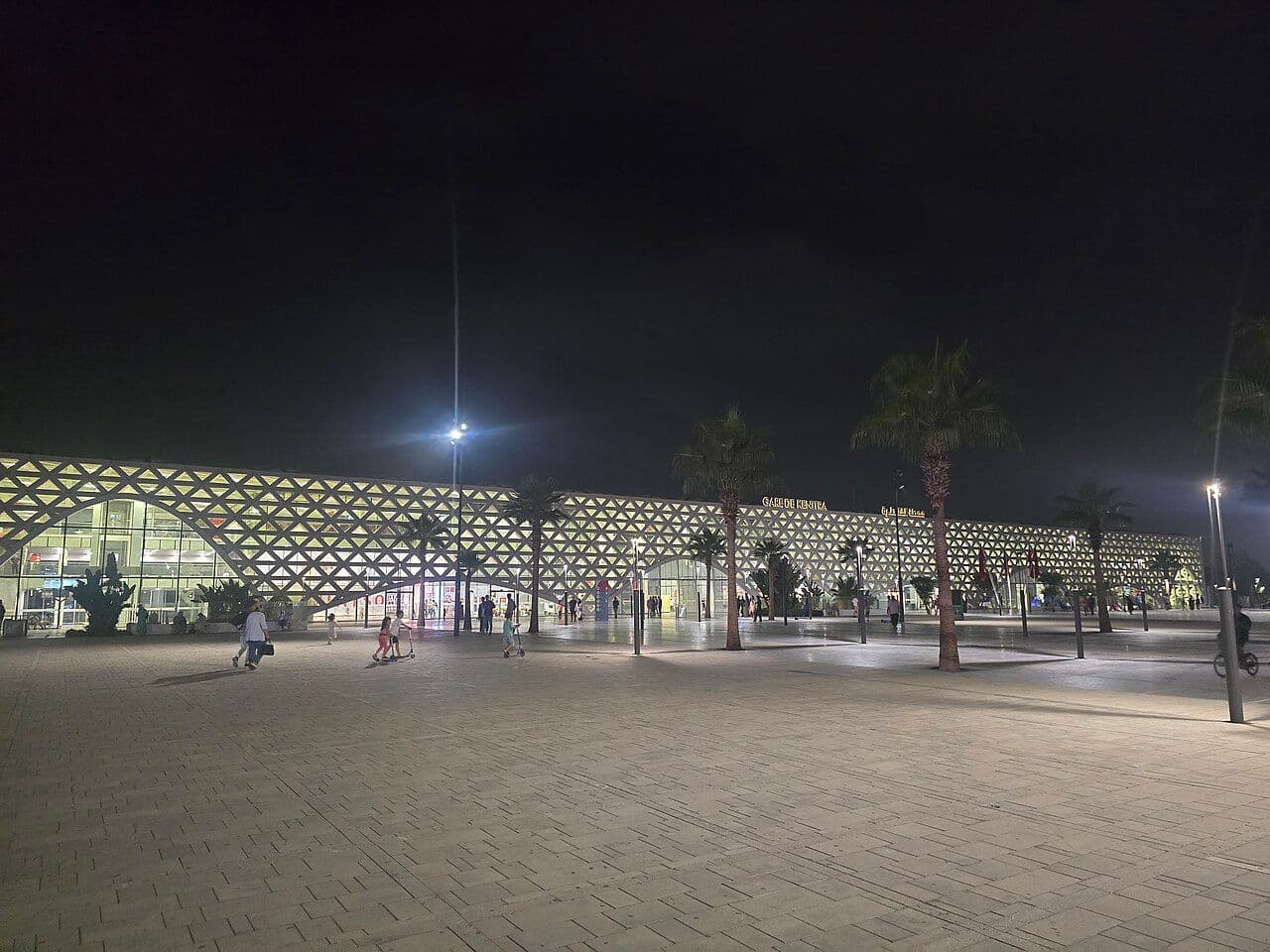
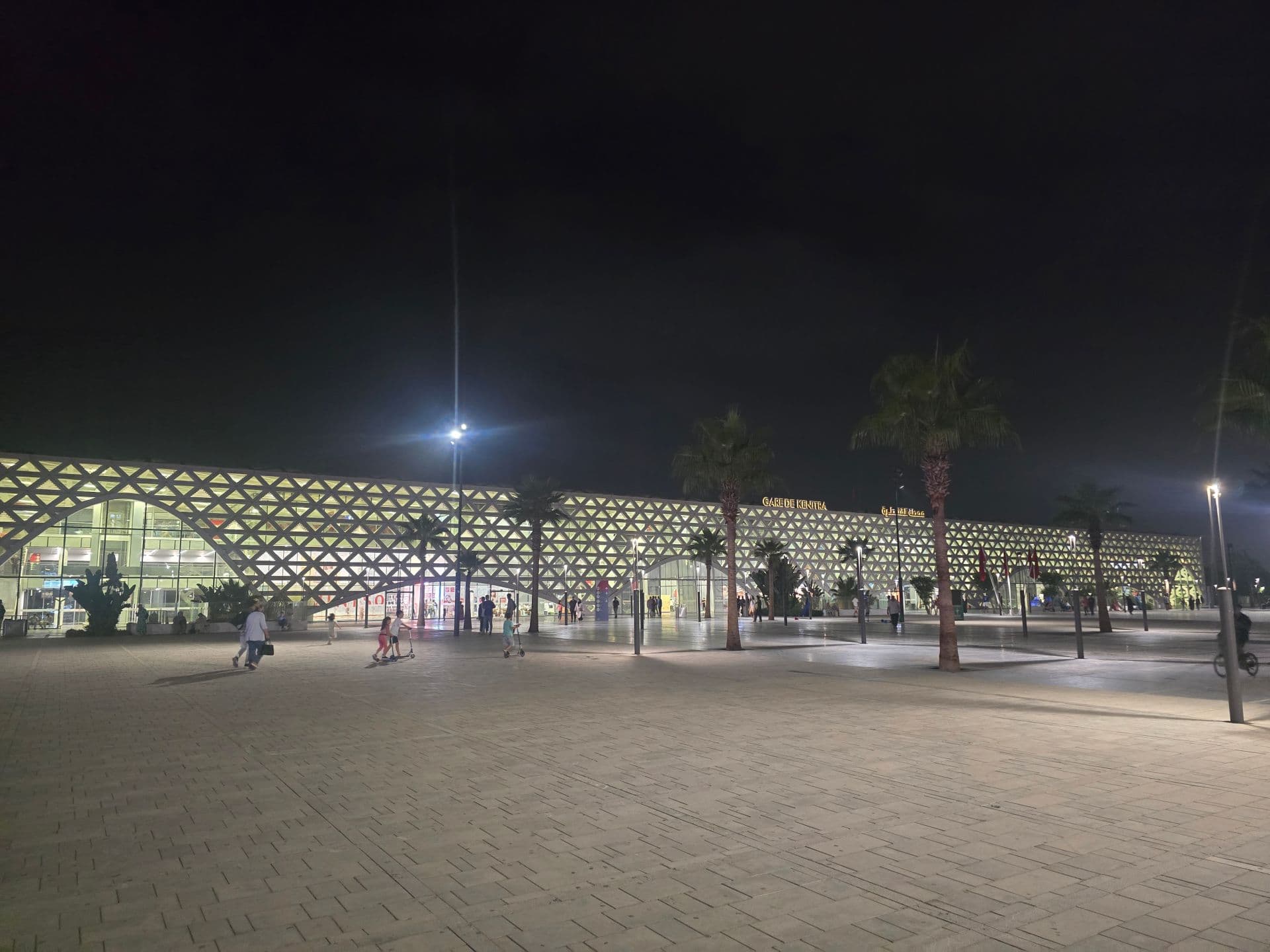
The layout is compact. The main artery connects the rail station to the central market area, and everything of note is within a twenty-minute walk. There is no need for taxis unless you are heading to the outskirts or nearby agricultural zones. The station itself is functional rather than grand, serving as a vital link to the larger cities. Trains are reliable, though schedules can shift slightly in winter; always check the current timetable on the day of travel rather than relying on last month’s app cache.
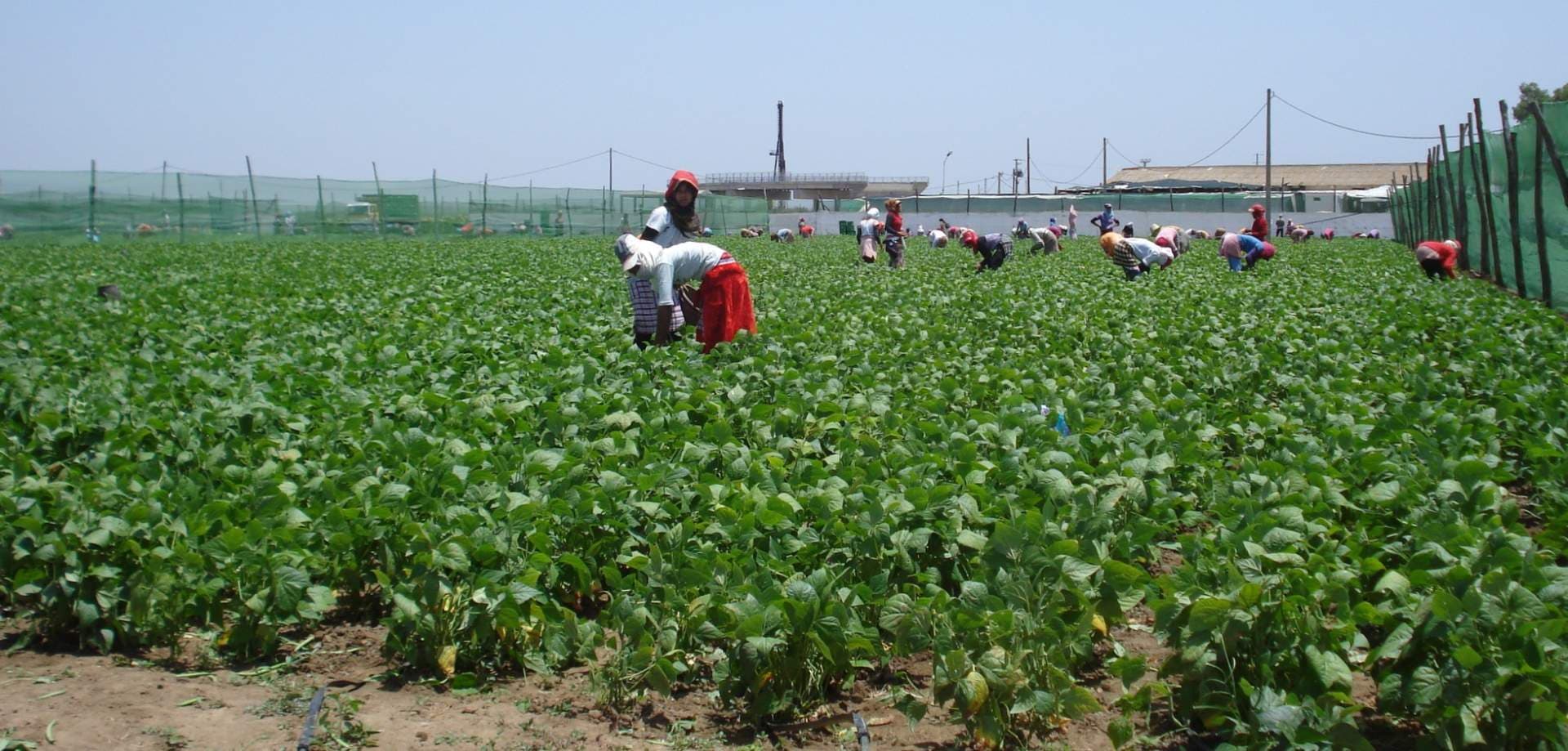
Walking is the best way to understand the scale. The streets are lined with low-rise buildings, mostly painted in white or cream, which reflect the autumn sun well. You will pass small grocery shops selling fresh bread, vegetables, and basic household items. These shops function as working spaces for locals rather than tourist-oriented boutiques. The produce is seasonal—think oranges, olives, and root vegetables. Buying directly from these small vendors supports the local economy and gives you a better sense of daily life than any large supermarket could.
The central square acts as the social hub. It is where men gather for tea, where deliveries are made, and where the pulse of the town beats. The space functions as a working area rather than a plaza designed for selfies. Respect that utility. Sit on the benches, drink mint tea, and observe. The noise level is moderate—motorbikes passing, voices carrying, the clatter of cups—but it is a comforting, lived-in sound, not chaotic noise.

Food and Daily Rhythms
Food here is straightforward and hearty. You will find msemen (square pancakes) and baghrir (spongy pancakes) served with honey or olive oil in most local cafés. These are staples, not novelties. The coffee is strong, often served with milk and sugar already mixed in unless you specify otherwise. Lunch tends to be early, around noon, and dinner later, around 8 PM. This rhythm dictates the town’s energy. At 3 PM, shops may close briefly for prayer and rest; do not mistake this for disinterest. It is a structured pause.
If you are looking for a specific dish, ask for tajine with chicken and lemon. It is the regional comfort food, slow-cooked until the meat falls off the bone. The portions are generous. You do not need to rush through meals. The local habit is to eat slowly, converse briefly, and then move on. There is no rush to clear tables. This unhurried approach to dining is one of the most valuable aspects of visiting in the off-season. You have time to taste the difference between the olive oil from the Gharb region and the more acidic varieties found elsewhere.
Vegetarian options are limited but present. Lentil soups and vegetable tajines are common. If you have dietary restrictions, communicate them clearly and simply. Complex dietary labels often cause confusion. Stick to basic descriptions: "no meat," "no dairy," "nuts okay." The local cooks are attentive but prefer direct instructions.
Practical Logistics and Timing
Transport within the town is minimal. Most people walk or use small scooters. If you need to travel further, the local bus connections to Kenitra or Rabat are frequent but can be crowded during peak commute hours (7–9 AM and 5–7 PM). Try to travel outside these windows for a more comfortable ride. The buses are basic, with hard seats and minimal heating, but they are efficient. Bring a light jacket for the evenings, as the temperature drops quickly after sunset.
Money is cash-based. While some larger shops accept cards, most small vendors prefer cash. Carry small denominations. Change can be scarce, so breaking larger notes at the station or a larger shop early in the day saves hassle. Prices are generally lower than in tourist-heavy cities. A meal might cost around 20–40 MAD, and a cup of tea around 5–10 MAD. These are approximate ranges; always confirm the price before ordering if it is not displayed.
Wi-Fi is available in some cafés but can be spotty. Do not rely on it for critical work. Download maps and essential info before you arrive. The town’s connectivity improves in the evenings when the daytime load decreases, but it is not a high-speed hub. Plan for intermittent access. This forces a slower pace, which is actually beneficial for the type of travel this destination encourages.
Cultural Etiquette and Holidays
Respect for local customs is straightforward. Dress modestly but comfortably. A light scarf is useful for women, both for warmth and for respect when entering religious spaces. Greetings are important. A simple "Salam" is sufficient and appreciated. Handshakes are common, but wait for the other person to extend their hand first. Eye contact is direct and respectful.
Timing your visit around holidays can enhance or complicate your trip. The upcoming holidays in early 2027 will affect local schedules. New Year’s Day (January 1, 2027) will see some closures, but the town remains active. Proclamation of Independence Day (January 11, 2027) and Amazigh New Year (January 13, 2027) are significant cultural moments. Expect some closures and increased local activity around these dates. Booking accommodation early is wise, as local demand spikes. Eid al-Fitr (estimated March 9–10, 2027) brings a festive atmosphere, with families gathering and markets busy. Labor Day (May 1, 2027) is quieter, with many businesses closed.
For families, the compact size makes it easy to manage. Solo travelers will find it safe and welcoming. Slow travelers will appreciate the lack of pressure to move quickly. Stay for two nights. One night is too short to adjust to the rhythm; three nights might feel long if you are used to constant activity. Two nights allows you to settle in, observe the daily cycle, and leave feeling rested rather than rushed.
FAQ
Is a visa required for short visits? Check current entry requirements for your nationality before traveling. Most Western passports allow visa-free entry for short stays, but rules change. Verify with official Moroccan government sources closer to your travel date.
How do I get from Rabat to Sidi Yahya El Gharb? The train is the most reliable option. It is affordable and scenic. Buses are also available but may be less frequent. Allow extra time for transfers and potential delays.
Is English widely spoken? French and Arabic are dominant. English is understood in some businesses but not universally. Learning basic Arabic greetings helps. Carry a translation app for complex interactions.