A pragmatic look at Kanggye’s leisure spots, focusing on practical logistics, seasonal realities, and the physical experience of visiting this northern hub.
The Reality of Leisure in Kanggye
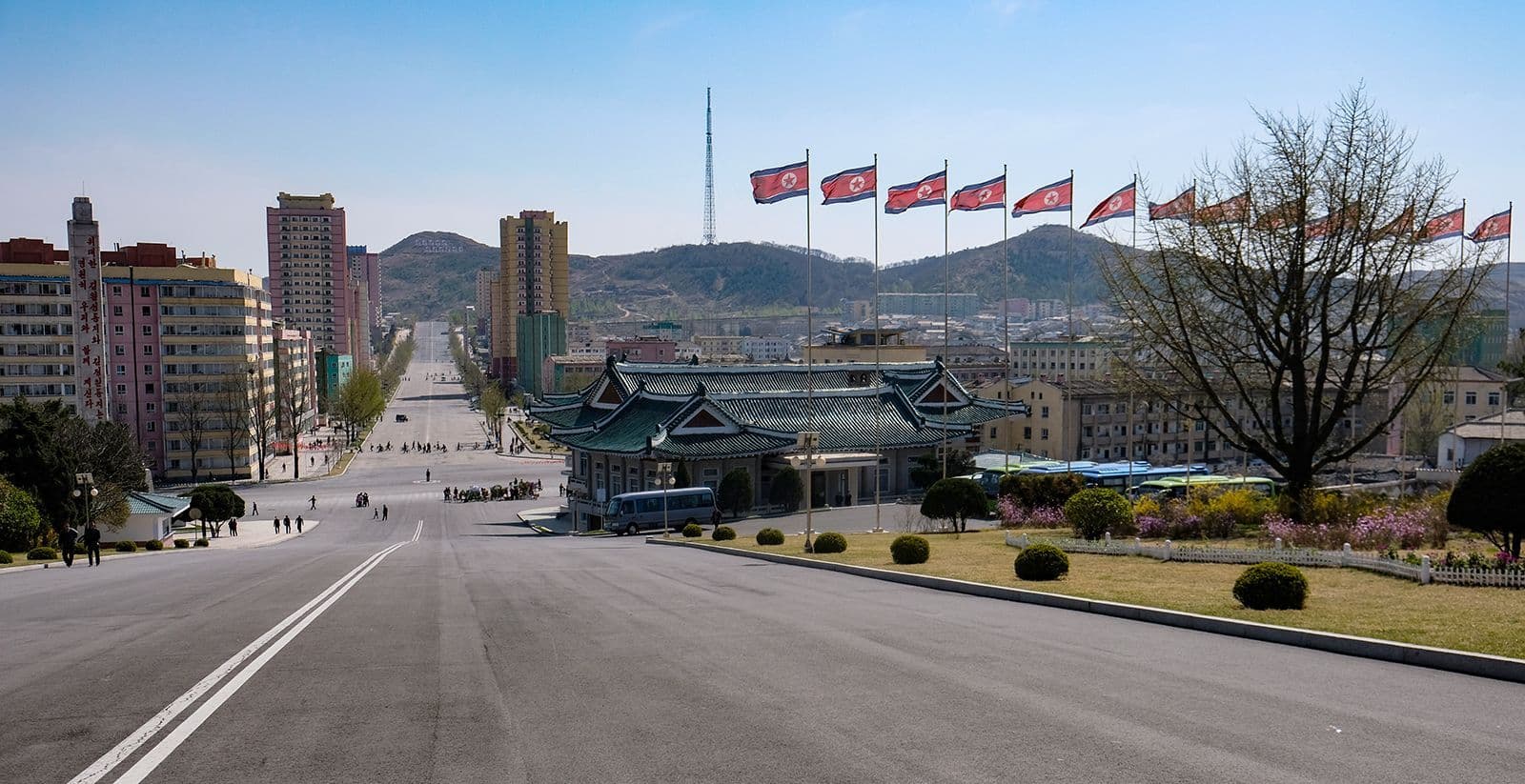
You do not come to Kanggye for the roller coasters. You come because you are driving through the interior north-central region of the country, and this is the stop where the highway widens slightly, the air cools faster, and the concrete feels less polished than the capital. The concept of a "theme park" here leans heavily on communal space rather than branded IP. It centers on a large, open plaza or a landscaped garden attached to a civic center where families gather on weekends. The atmosphere remains quiet, orderly, and surprisingly spacious. You will not find queues for fast passes or overpriced bottled water. You will find locals walking their children, sitting on benches that are actually clean, and enjoying the crisp air that defines the region’s autumn.
The primary draw is the sheer scale of the open spaces. In a country where urban density is managed with strict precision, the parks in Kanggye offer a rare sense of horizontal breathing room. The landscaping is geometric, almost military in its tidiness, serving a clear purpose: creating a predictable environment where you know exactly where to walk, where to sit, and where to find shade. For a traveler on a long-haul route, this predictability is a luxury. You can park your vehicle, stretch your legs, and observe the rhythm of daily life without the chaos of commercial clutter.
Navigating the City’s Green Spaces
Getting around Kanggye is straightforward if you respect the rhythm of the local transit. The city is compact enough that walking is often faster than waiting for a bus, but the local rail connections serve as the backbone of movement for residents. If you are driving, look for the main arterial roads that cut through the city center. These roads are well-maintained, a testament to the state’s focus on infrastructure in regional hubs. Parking is generally ample near the larger civic parks, though you should always check for designated zones to avoid blocking pedestrian flow.
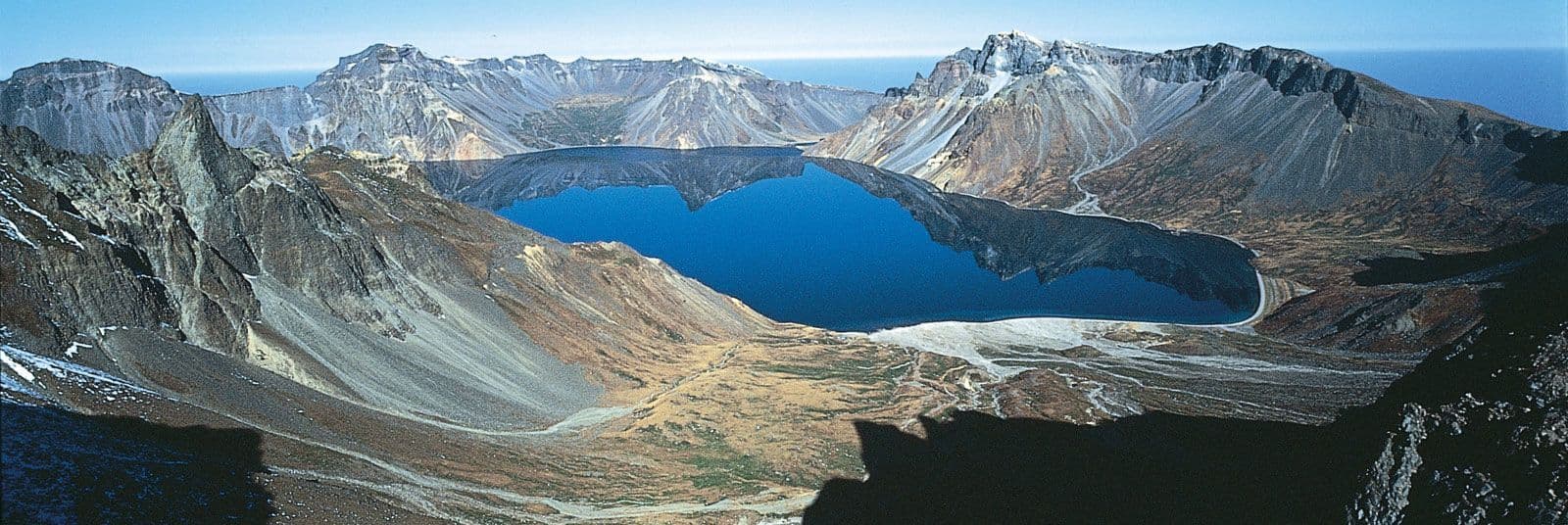
The best time to visit these spaces is mid-morning. The light in Kanggye during autumn is sharp and clear, casting long shadows that make the geometric landscaping pop. By noon, the temperature drops noticeably, so bring a layer. The parks are designed for year-round use, with hardy trees that hold their leaves longer than you might expect. You will notice that the maintenance crews are efficient. They are shaping the space, not just sweeping leaves. This attention to detail extends to the benches and walkways, which are built to last. There is a tactile quality to the stone paving that feels solid underfoot, a contrast to the softer asphalt of the highway.
If you are traveling by motorcycle, the stops near these parks offer good visibility. You can pull over, check your map, and grab a quick bite from nearby stalls without losing momentum. The logistics are simple: arrive, observe, leave. There is no need to overcomplicate the itinerary. The parks are integrated into the city’s flow, not separate destinations that require a pilgrimage. This integration makes them ideal for a quick reset during a long drive.
Practical Logistics and Seasonal Timing
Autumn is the optimal window for visiting Kanggye. The summer humidity has broken, and winter snows can arrive early in this continental climate zone. Temperatures typically hover between 5°C and 15°C during the day, dropping significantly after sunset. Dress in layers. A heavy jacket is essential for the evenings, but you will likely shed it by afternoon if you are walking briskly. The air is dry, which is a relief after the coastal humidity of the east coast.
There are no specific holiday closures to worry about in the immediate future, which simplifies planning. The parks remain open daily, with peak activity occurring on weekend afternoons. If you prefer solitude, aim for a weekday morning. The light is softer, and the crowds are thinner. For those traveling with families, the weekend atmosphere is welcoming. Children play in designated areas, and parents socialize nearby. It is a communal experience, not a commercial one.
Budgeting is simple. Entry to these public spaces is typically free or nominal. Food costs are low if you stick to local stalls. Expect to pay around 5,000 to 10,000 KPW for a simple meal like noodles or a steamed bun. Cash is king. While digital payments are growing, small vendors and park kiosks still prefer physical currency. Carry small bills to avoid making change difficult. There are no ATMs in every corner, so plan your cash needs before entering the city center.
Local Etiquette and Cultural Nuance
Respect for public space is paramount in Kanggye. The parks are extensions of the civic pride that defines the city. Keep your voice moderate, especially in quiet zones. Littering is frowned upon because it disrupts the orderly aesthetic that locals value. You will notice that people take pride in keeping the benches and walkways clean. Follow their lead. If you see a bin, use it. If you see a bench, sit neatly.
Photography is generally permitted, but be mindful of your surroundings. Avoid photographing government buildings directly unless you are standing in a designated viewing area. The locals are friendly but reserved. A nod or a slight bow is sufficient greeting. Do not expect loud hospitality; the interaction is understated. This restraint is part of the charm. It allows you to observe without intrusion. The silence in these parks is filled with the sounds of wind through trees and distant traffic. It is a meditative quality that contrasts sharply with the noise of larger cities.
Food in the parks is simple. Look for steamed buns filled with cabbage or meat. The texture is soft, the flavor mild. It is comfort food, designed to warm you up in the cool air. Pair it with tea, which is often served in small cups. The tea is strong, slightly bitter, and perfect for waking you up after a long drive. Do not expect elaborate menus. The focus is on quality ingredients and simple preparation. This philosophy extends to the entire experience: less noise, more substance.
When to Go and Who Should Visit
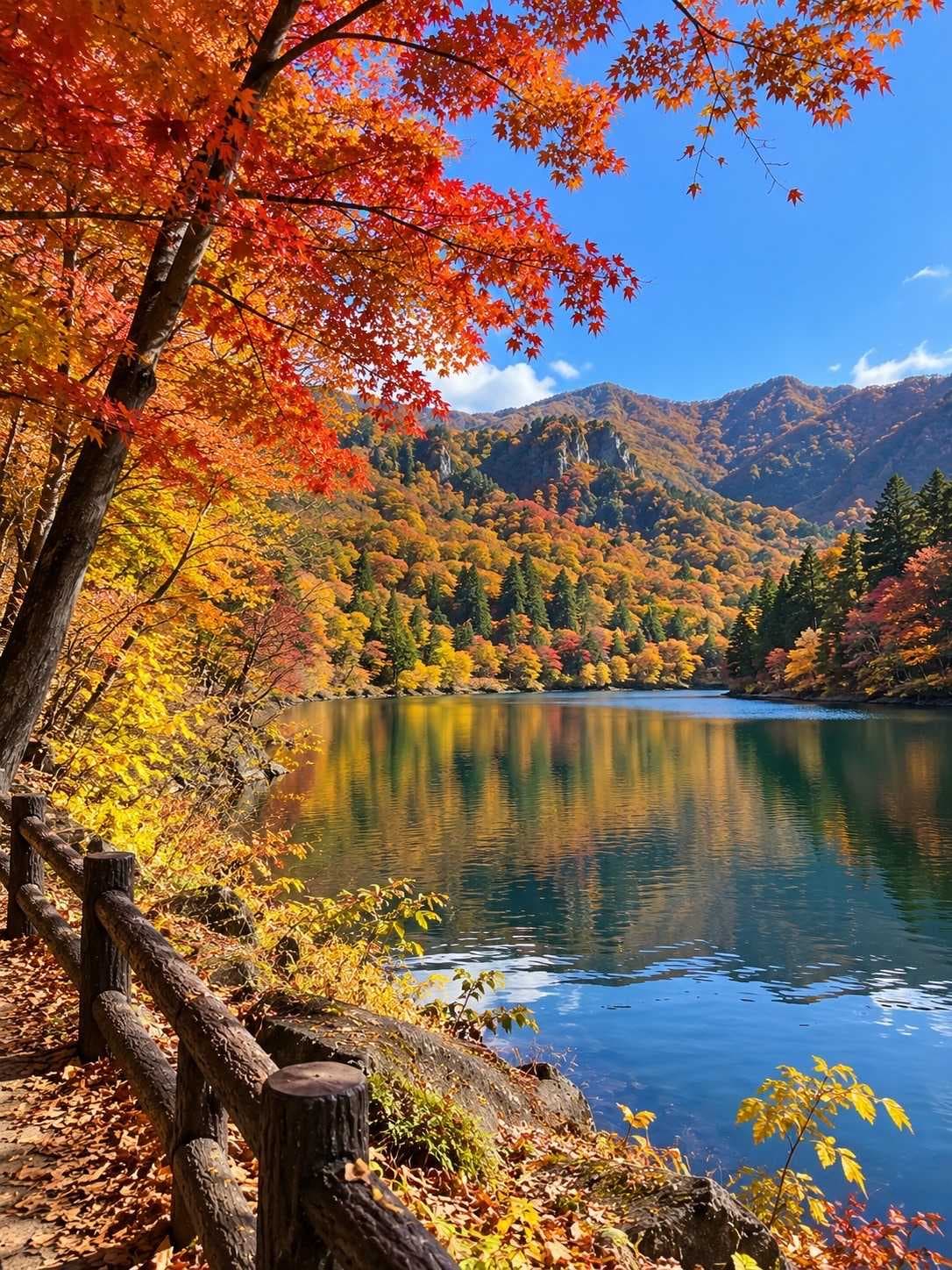
Kanggye suits travelers who appreciate order and clarity. It is ideal for solo drivers who want a pause in their journey, or for families who value structured environments. The best months are September and October, when the foliage turns and the air is crisp. November brings colder temperatures and shorter days, but the light remains beautiful. December can be harsh, with winds cutting through the open spaces. If you are visiting in winter, dress for wind chill, not just temperature.
The stay duration is short. Half a day is sufficient to explore the main parks and get a feel for the city. Use this time to reset before continuing your route. The logistics are tight, so do not linger unnecessarily. Check your fuel levels before leaving the city, as stations become sparse in the surrounding countryside. The transition from urban order to rural simplicity is quick.
For those coming from the south, Kanggye offers a bridge between the capital’s intensity and the northern border’s remoteness. It is a place of transition, both geographically and culturally. You leave behind the polished facade of Pyongyang and enter a space that is more functional, more grounded. This shift is palpable. The buildings are taller, the streets wider, and the pace slightly slower. It is a good place to recalibrate your expectations for the rest of the trip.
Frequently Asked Questions
Is English widely spoken in Kanggye? English proficiency is limited. Basic Korean phrases go a long way. Learn how to say "thank you" and "hello." Most interactions are non-verbal or rely on simple gestures. Bring a translation app for specific queries, but do not rely on it entirely. The locals are helpful if you are polite and patient.
What is the best way to get around the city? Walking is efficient for the central areas. For longer distances, local buses are reliable and cheap. Taxis are available but less common than in Pyongyang. If you are driving, the roads are well-marked and easy to navigate. GPS coverage is decent, but having a paper map as backup is wise. The city layout is logical, with main arteries connecting key points.
Are there specific dress codes for visiting parks? There are no strict dress codes, but neatness is appreciated. Avoid overly casual or sloppy attire. Clean shoes and a tidy jacket are appropriate. The locals dress practically for the weather. Follow their lead. Comfort is key, but so is respect for the shared space. You will blend in easily if you look put-together.