Pennagaram’s low light pollution makes it a viable dark-sky spot in Tamil Nadu. Learn how to time your visit, manage humidity, and navigate local transit for optimal astronomical viewing.
Pennagaram sits in the Krishnagiri district of Tamil Nadu, far enough from the glow of larger hubs to offer genuinely dark skies for amateur astronomy. The town itself is modest, but the surrounding landscape provides a rare commodity in southern India: uninterrupted visibility of celestial bodies without the haze that plagues larger metros. For stargazers, the advantage here lies in consistency. The dry, elevated terrain reduces atmospheric turbulence, allowing for sharper views of planetary details and deep-sky objects than what one typically encounters near coastal cities.
The key to successful observation here is timing and preparation. Unlike high-altitude observatories with automated domes, Pennagaram offers a raw, open-air experience. You are exposed to the elements, but you are also closer to the natural rhythm of the night. The transition from day to night is rapid, and the drop in temperature is significant, requiring specific gear choices. This guide breaks down how to maximize your viewing window in this specific corner of India.
Understanding the Sky Conditions
The primary challenge for astronomy in Pennagaram is humidity. While the air is dry compared to Chennai, evening condensation can fog lenses quickly. Arrive at your chosen spot—at least 30 minutes before twilight ends—to allow your equipment to acclimate. If you are using binoculars, wipe the lenses with a microfiber cloth just before observing; if you use a telescope, ensure the tube is open to equalize temperature.
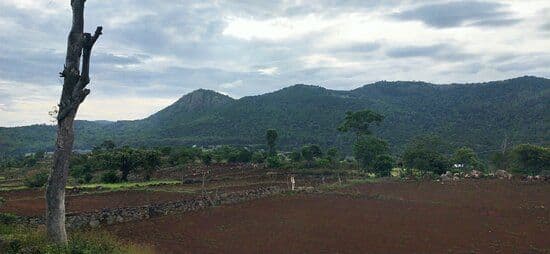
Light pollution is minimal but not zero. The town center has streetlights, but moving just two kilometers out into the agricultural belts surrounding the town drops the sky brightness significantly. Look for areas away from the main highway junction. The darkness here allows for naked-eye visibility of the Milky Way’s core during the summer months, which is increasingly rare in urban India.
Best Times for Observation
October through February offers the clearest skies. During these months, the monsoon rains have retreated, leaving behind crisp air and low humidity. The best window for observation is between 7:00 PM and 10:00 PM. After 10:00 PM, temperatures can drop below 15°C, which makes handling equipment uncomfortable without proper layers.
Avoid the mid-day haze. Even in winter, the afternoon can be dusty due to local agricultural activity. Wait until the sun has fully set and the sky has transitioned from blue to deep indigo. This usually happens within 20 minutes of sunset. The contrast between the dark sky and the bright stars is highest during this brief window before the eye fully adjusts to the dark.
Essential Gear and Local Adaptations
You do not need a heavy equatorial mount for Pennagaram. A sturdy tripod and a pair of good binoculars (10x50) are sufficient for most deep-sky objects visible from this latitude. The local air is stable enough that handheld viewing is possible for shorter periods, but a tripod reduces shake for planetary observation.
Bring a red-light torch. White light ruins night vision and disturbs locals who may be resting outdoors. A simple red LED is sufficient. Also, carry a thermos of hot chai. The local tea is strong and sweet, providing necessary warmth during long observation sessions. It is available at small stalls near the town center for around ₹15–20.
Navigating to Viewing Spots
Pennagaram is accessible via the Krishnagiri-Salem highway (NH44/NH79). If you are coming from Salem, the drive takes approximately 45 minutes by bus or shared auto. The road is paved and relatively smooth. From the town center, head north towards the smaller villages. These areas have fewer streetlights and offer wider horizons.
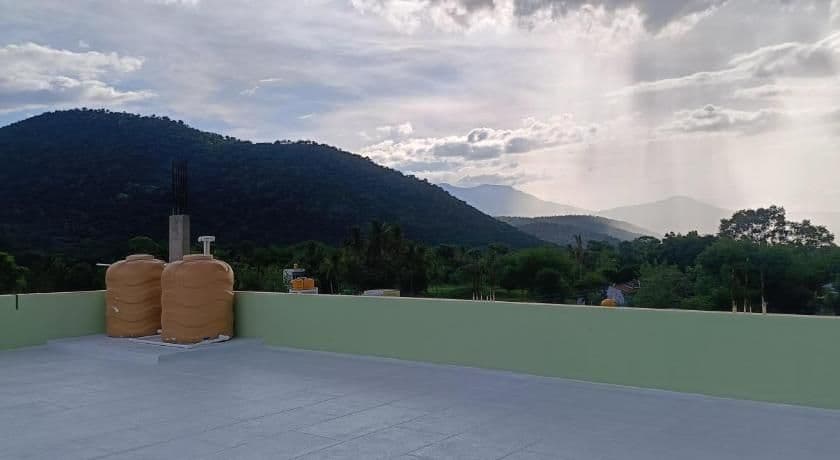
If you are staying in town, look for rooftop terraces. Many local homestays and budget hotels have flat roofs that are accessible to guests. These provide a stable platform and are often quieter than open fields. Ask your host if the roof is open after sunset; most are, as locals use them for drying grains and resting.
Cultural Etiquette and Local Interaction
Pennagaram is a working agricultural town. Respect the rhythm of daily life. If you are setting up equipment in a field, ensure you are not blocking irrigation channels or grazing paths. A simple greeting in Tamil—"Vanakkam"—goes a long way. Most locals are curious but respectful of quiet activities.
Do not expect organized astronomy tours. There are no formal observatories in the immediate vicinity. You are largely on your own. This solitude is an asset. You can observe without crowds or scheduled interruptions. If you encounter locals, they may ask about your equipment. Explain briefly that you are watching stars. It is a common enough interest that it rarely causes confusion.

When to Go and Holiday Considerations
Plan your trip for November or December. The skies are clearest, and the temperatures are manageable. Christmas Day (December 25) will see increased traffic and accommodation demand as families visit relatives. Book lodging at least two weeks in advance if you plan to stay during this period. Prices for basic rooms typically range from ₹800 to ₹1,500 per night.
Avoid major festivals like Pongal (January 14) if you prefer quiet. The town becomes busy with celebrations, and outdoor spaces are occupied. For pure stargazing, mid-January after the festival crowds dissipate is ideal. The air remains dry, and the nights are long enough for extended observation.
Practical Logistics
Accommodation is limited but sufficient. Look for lodges near the bus stand for easy access to transport. If you require Wi-Fi for uploading images, confirm availability beforehand; connectivity can be spotty in rural outskirts. Cash is preferred for small purchases, though UPI is widely accepted in town centers.
Bring your own water. While bottled water is available, carrying a reusable bottle reduces waste and ensures you stay hydrated in the dry air. Wear layers. The temperature drop after sunset is real. A fleece jacket and a hat are essential. Gloves help with handling small knobs on telescopes or cameras.

Frequently Asked Questions
Is Pennagaram suitable for astrophotography? Yes, for wide-field shots and bright deep-sky objects. The lack of light pollution allows for good contrast. For long-exposure planetary imaging, you may need to account for slight atmospheric turbulence during the hottest part of the day. Nighttime conditions are generally stable.
How do I get to Pennagaram from Bangalore? Take a direct bus from Bangalore’s Majestic bus station. The journey takes approximately 4–5 hours. Shared autos from Dharmapuri are also an option if you miss the direct bus. Arrive by late afternoon to set up before dark.
What is the best month for Milky Way visibility? June through September offers the best visibility of the galactic core. However, this coincides with the monsoon season, which can bring intermittent cloud cover. Check local weather forecasts for cloud cover percentages rather than just rain chances.