Cut through the noise of modern spa chains. Altai offers raw, high-altitude recovery through steam, salt, and silence. Here is how to actually use it.
Altai sits at the junction of the Altai Mountains and the vast Gobi steppe, roughly 1,000 kilometers west of Ulaanbaatar. If you are driving the western loop or riding a motorcycle across the Gobi-Altai range, this town is a logistical pivot point. It is also a genuine wellness destination, provided you understand what "wellness" means here. The experience centers on thermal water, clean air, and the physical reset that comes from high-altitude isolation, rather than lavender-scented towels or timed facial treatments.
For the road-worn traveler, Altai provides a specific kind of recovery. The air is thin and crisp, especially in late autumn when the crowds thin out. The water is hot, mineral-rich, and unpretentious. You do not go to Altai for luxury; you go to reset your circadian rhythm and soothe the aches that accumulate after days on rough tarmac.
The Reality of Thermal Recovery
The core of wellness in Altai is geothermal. The region sits on significant geological faults, pushing heated mineral water to the surface. Unlike the commercialized spas in Western Europe, the facilities here are functional. You will find local bathhouses and small resort complexes centered around these springs.
The water typically emerges at temperatures between 40°C and 60°C. It is sulfurous in some pockets, salty in others. Do not expect a concierge to explain the mineral composition. You step in, you soak, and the heat does the work. For a driver or rider who has spent hours vibrating in a seat, the buoyancy and heat are effective for lower back stiffness.
Most facilities are modest. Think tiled pools, simple changing areas, and basic seating. The focus is on the water temperature and the mineral content. If you are used to heated pools with jetted jets and aromatherapy diffusers, adjust your expectations. This is raw heat. It smells of earth and sulfur. It works.
Logistics and Getting There
Altai is connected to the rest of Mongolia by rail and road. The town is served by rail connections, making it accessible for those traveling by train from Ulaanbaatar or from the Russian border. The journey is long, but the train is reliable. If you are driving, the roads leading into Altai are paved but often narrow. In autumn, visibility can drop quickly due to dust or early snows.
Fuel stations are spaced out. Before entering the Altai region from the east, fill up whenever you see a station. You cannot rely on frequent stops. The last reliable fuel stops before reaching the town center can be 100 to 150 kilometers apart depending on your route. Plan for this. Running out of fuel in the steppe is cold and isolating, far beyond simple inconvenience.
Once in town, the scale is manageable. Most bathhouses and accommodations are within walking distance of the central market area. You do not need a car to navigate the town itself. A local bus network exists, but it is irregular. Walking is often faster for short hops between the railway station and the thermal sites.
Where to Stay for Recovery
Accommodation in Altai is practical. You are looking for places that offer hot water access and quiet rooms. Luxury is scarce; comfort is defined by cleanliness and heating.
Look for guesthouses near the central square. These are typically family-run, with simple rooms and shared bathrooms. Prices are modest, often ranging from USD 20 to 40 per night depending on the season. In late autumn, rates drop. You can negotiate directly.
Some small hotels offer private bathing areas fed by the local springs. These are slightly more expensive, perhaps USD 50 to 70 per night. The differentiator here is privacy. If you want to soak without sharing the space with other travelers, book a room with an en-suite bath. Confirm the water source is thermal, not just a boiler. Some places claim "spring water" but use standard heated taps. Ask to see the source or check the temperature upon arrival.
Avoid the large chain-style hotels if they exist; they often lack the authentic local character and may have inconsistent heating. Stick to smaller, locally owned establishments. They are more likely to understand the needs of long-distance travelers.
Local Etiquette and Seasonal Nuance
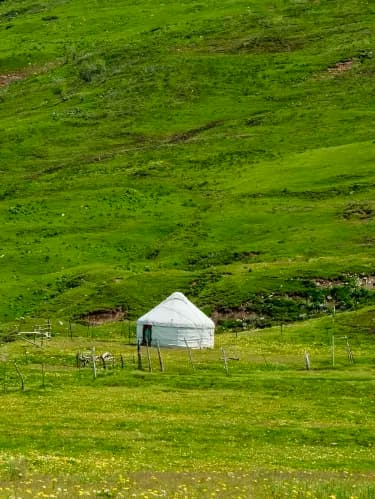
Altai is a hub for Kazakh and Mongolian cultures. The local etiquette is direct and respectful. When entering a bathhouse, remove your shoes. Keep your voice low. The space is for rest, not socializing.
Food is simple and hearty. Expect mutton, dairy products, and tea. A typical meal might consist of boiled mutton with noodles or dumplings. It is heavy, caloric food designed for cold climates. It pairs well with the heat of the baths. Do not expect a wide variety of vegetarian options unless you ask in advance.
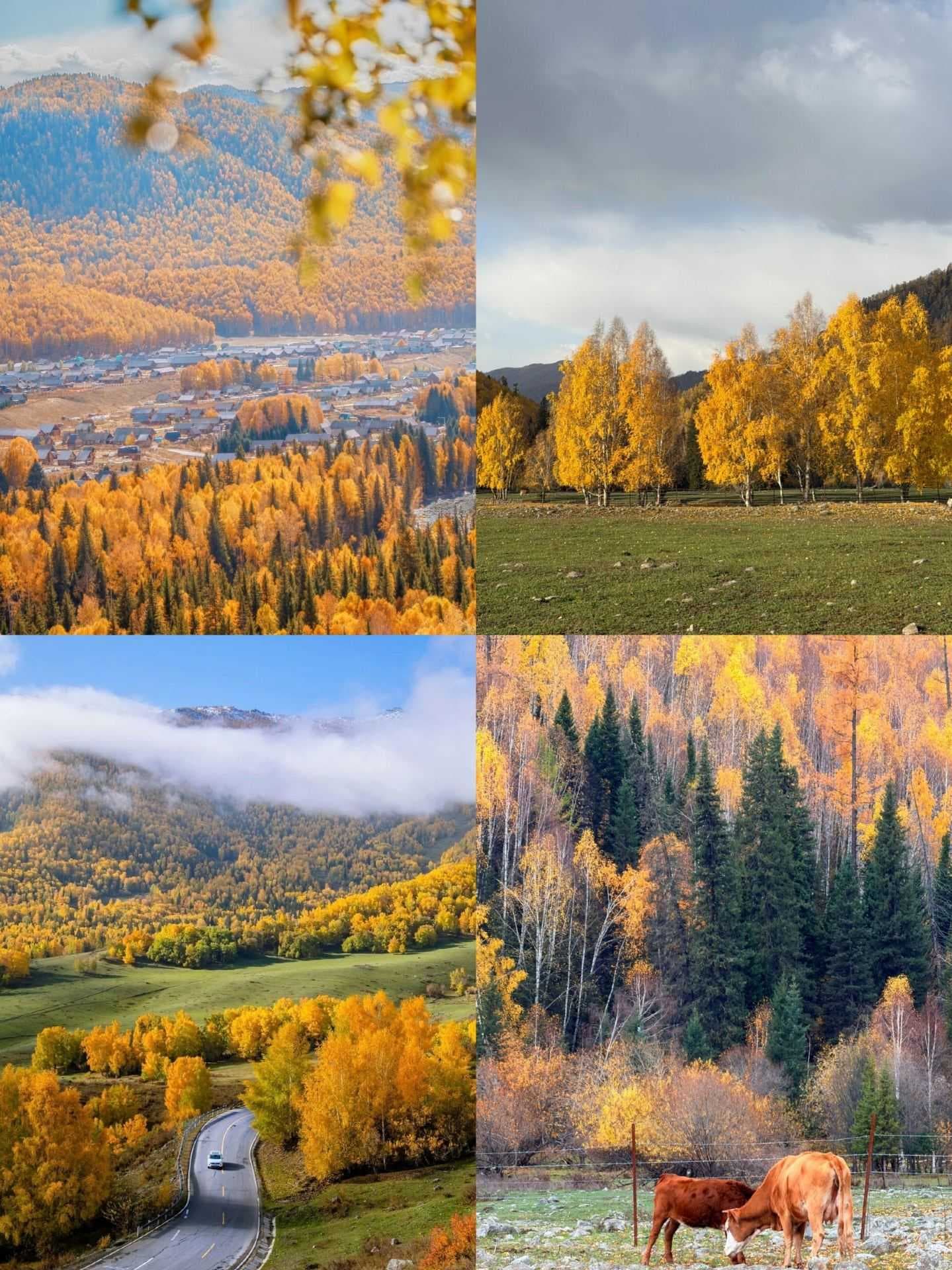
In autumn, the days shorten rapidly. Sunset occurs early, around 17:30 to 18:00. Plan your bathing sessions for the afternoon when the sun is still up but the air is cooling. The contrast between the warm water and the crisp outdoor air is part of the experience.
Language barriers are minimal if you stick to basic greetings. "Sain bain uu" is hello. A smile goes a long way. Most locals are accustomed to travelers passing through, but they appreciate respect for their space.
Best Time to Visit
Late September through October is ideal for wellness-focused travel. The summer crowds have dispersed, and the temperatures are cool but manageable. The air is clear, and the light is sharp. This is when the thermal baths are most enjoyable because the contrast with the outside air is pronounced.
Winter can be harsh. Temperatures drop well below freezing, and some facilities may reduce hours or close. If you travel in November or December, verify that your chosen bathhouse is open. The railway is reliable year-round, but road conditions can be unpredictable due to snow.
Summer is busy. Domestic tourists flock to the region for the green landscapes. Bathhouses are crowded, and accommodation prices rise. If you seek quiet recovery, avoid July and August.
There are no major holidays in the next six months that significantly impact travel logistics in Altai. However, check local calendars for religious observances if you plan to visit during Eid or Tsagaan Sar, as these can affect opening hours of smaller businesses.
Practical FAQs
Do I need to book spa appointments in advance? No. Most facilities operate on a first-come, first-served basis. Arrive during off-peak hours, typically mid-afternoon, to avoid crowds. If you want a private room at a hotel, booking ahead is wise.
Is the water safe to drink? The thermal water is generally not intended for drinking due to high mineral content. Drink bottled water or boiled water provided by your accommodation. The baths are for soaking, not hydration.
How long should I stay in Altai? Two to three days is sufficient. One day for transit and orientation, one full day for bathing and rest, and half a day for exploring the immediate surroundings. This allows you to reset without overextending your budget or time.