Escape the capital's bustle for Sil-li’s quiet farmlands and local markets. A practical guide to slow travel in South Pyongan.
Sil-li is a hidden gem for those seeking a genuine break from the pace of Pyongyang. Located in South Pyongan province, this small locality provides a window into the agricultural heartland of North Korea, where the landscape shifts from the capital's urban sprawl to open plains and the foothills of the surrounding ranges. The appeal here is simplicity: a slower rhythm of life, local cuisine that reflects the region's farming traditions, and the opportunity to experience a part of the country that remains largely untouched by international tourism. For travelers planning a trip to North Korea in 2026, Sil-li serves as a valuable stop for those who want to see beyond the curated highlights of the capital.
The Landscape: Plains and Foothills
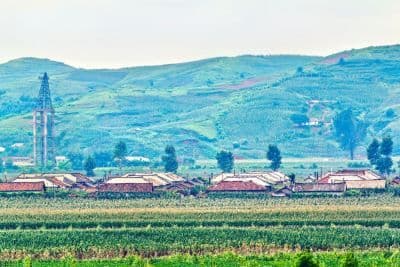
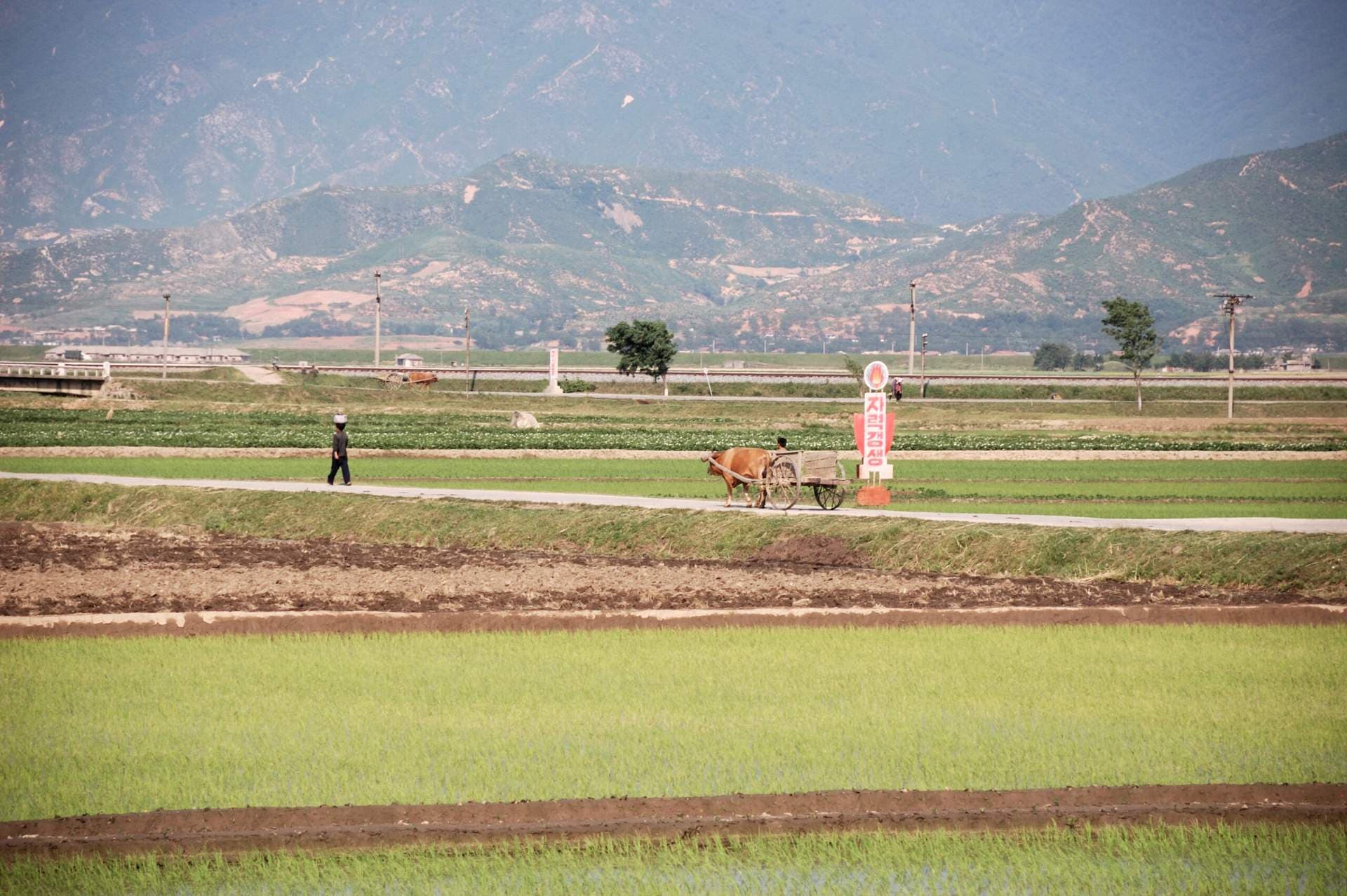
The terrain around Sil-li is defined by its accessibility and natural openness. Rather than dramatic, jagged peaks, the area features fertile farmlands that stretch toward the horizon, bordered by the lush mountains that characterize the broader region. This topography makes Sil-li an ideal base for those interested in the quieter side of North Korean nature. The local environment is described as plains with varied activities, suggesting a landscape that is as much about the human interaction with the land as it is about the scenery itself.
In autumn, the visual impact of this terrain is significant. The rice paddies, which dominate the agricultural output of South Pyongan, transition into golden hues as the harvest season approaches. This is a time when the air is crisp and the light is clear, offering excellent conditions for photography and walking. While no specific named mountain peak is confirmed as a landmark within Sil-li itself, the surrounding ranges provide a natural backdrop that frames the town. Travelers should not expect alpine hiking trails in the European sense; instead, the appeal lies in the gentle undulations of the farmland and the proximity to the larger mountain systems that define the province's geography.
Local Culture and the Silli Food Market
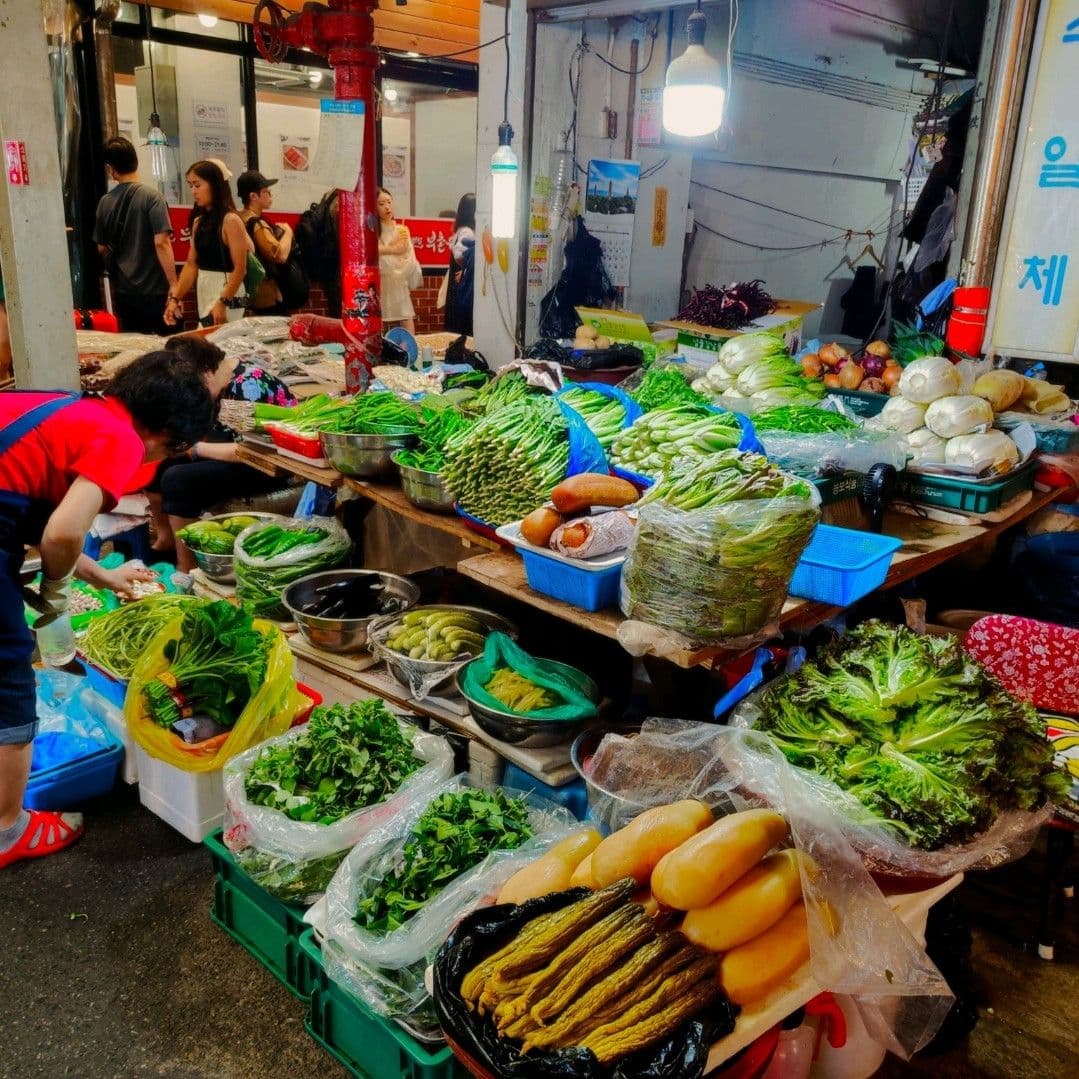
The cultural anchor of Sil-li is its community, best experienced through its local market. The Silli Food Market is a key point of interest for visitors, offering a glimpse into the daily life of the locals. Unlike the larger, more tourist-oriented markets in Pyongyang, this market focuses on local culture and cuisine. It is here that you can find the regional staples that sustain the population, from fresh produce to traditional prepared foods.
Visiting the market provides a sensory introduction to the region. You will encounter the textures and smells of a working agricultural community. While specific named dishes unique to Sil-li are not widely documented in international sources, the market serves as the hub for local culinary traditions. Expect to see a variety of vegetables, grains, and local delicacies that reflect the season. In autumn, this means an abundance of root vegetables, persimmons, and dried goods that are central to the North Korean diet. Engaging with the vendors, even if language is a barrier, is part of the experience. The market functions as a vital social space where local identity is expressed through trade and conversation.
Getting There and Around
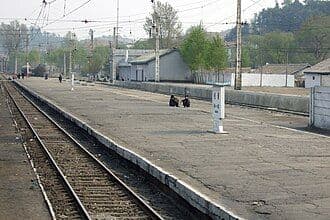
Accessing Sil-li requires a degree of planning, as it is not a primary international gateway. The locality is served by local rail, though the specific line name is often not highlighted in general travel guides. The nearest major hub is Pyongyang, which serves as the entry point for most international visitors. From Pyongyang, travelers typically move to Sil-li via train or bus. While exact journey times and fares can vary, the trip is generally a half-day commitment, making it a feasible day trip or a short overnight stay.
Once in Sil-li, the local rail connection is the primary mode of transport. The infrastructure is functional, reflecting the broader North Korean rail network's emphasis on reliability over speed. For those staying in the area, the compact nature of the locality means that walking is a viable option for exploring the immediate surroundings, including the food market and nearby farmlands. It is advisable to confirm train schedules with your tour operator or local guide, as timetables can shift slightly, especially during harvest seasons when agricultural transport may take priority.
Where to Stay
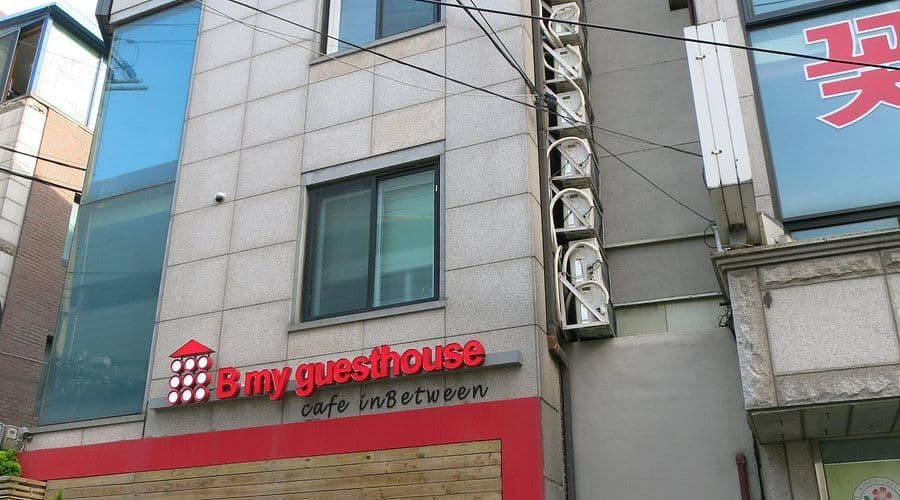
Accommodation in Sil-li is modest, reflecting its status as a smaller locality rather than a major tourist destination. Most visitors opt for guesthouses or simple hotels that provide basic comfort. While specific named hotels are not widely listed in international databases, the local infrastructure supports a range of budget to mid-range options.
- Local Guesthouses: These are often family-run or state-operated establishments that offer clean, simple rooms. Expect a price range starting from around €45 per day, which typically includes meals. This budget is realistic for a comfortable stay with a basic level of service.
- Hotel Options: For those preferring a slightly more formal setting, there are small hotels that cater to domestic and international tourists. These properties usually feature standard amenities such as private bathrooms and heating, which are essential during the autumn and winter months.
- Location: Staying in the central part of Sil-li, close to the food market, is recommended. This allows for easy access to local dining and reduces the need for extensive transport within the town.
When booking, it is helpful to specify your dietary preferences and any specific comfort needs, as the level of service can vary. The focus in Sil-li is on hospitality and simplicity, so travelers should manage expectations accordingly.
Practical Tips and Best Time to Visit
The best time to visit Sil-li is during the spring and autumn months. Spring brings blooming flowers to the farmlands, while autumn offers the golden hues of the harvest. These seasons provide mild temperatures and clear skies, making them ideal for outdoor activities and photography. Summer can be hot and humid, while winter is cold, requiring appropriate clothing.
In terms of practicalities, travelers should carry local currency for small purchases at the market. While larger transactions can be handled through your tour group, having cash on hand is useful for independent spending. It is also advisable to wear comfortable walking shoes, as the terrain can be uneven, especially in the farmland areas.
For those planning a trip in 2026, there are no major holidays recorded in the near future that would significantly impact crowd levels or pricing. This makes Sil-li a year-round destination, with the seasonal changes providing the primary variation in experience. The lack of major events means that visitors can enjoy a quieter, more personal connection with the local community.
FAQ
Is Sil-li suitable for solo travelers? Sil-li is generally best experienced as part of a group tour, which is the standard for North Korea. However, the small size of the locality makes it manageable for solo travelers who are part of a larger group itinerary. The local culture is welcoming, and the compact nature of the town allows for easy navigation.
What should I pack for a trip to Sil-li? Pack comfortable walking shoes, layers for the changing weather, and a camera for the scenic landscapes. In autumn, a light jacket is essential for the cooler evenings. It is also useful to bring a small notebook to jot down observations and conversations from the local market.
How far is Sil-li from Pyongyang? Sil-li is located in South Pyongan province, a short distance from Pyongyang. The journey typically takes a few hours by train or bus, making it a convenient day trip or a short overnight stay for travelers based in the capital.