Skip the crowded hubs. Madang offers WWII wreck diving, calm Astrolabe Bay waters, and quiet coastal charm in the South Pacific.
The Case for the Quiet Coast
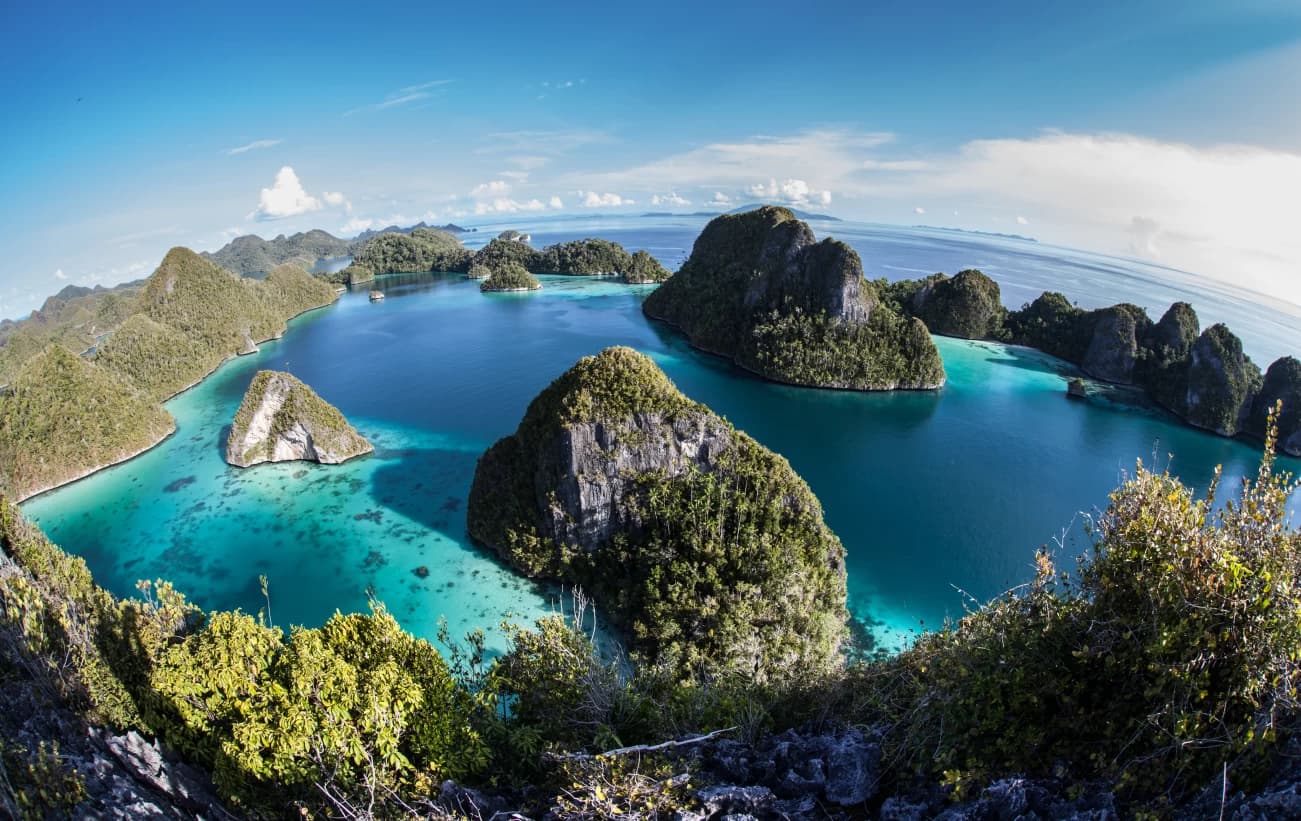
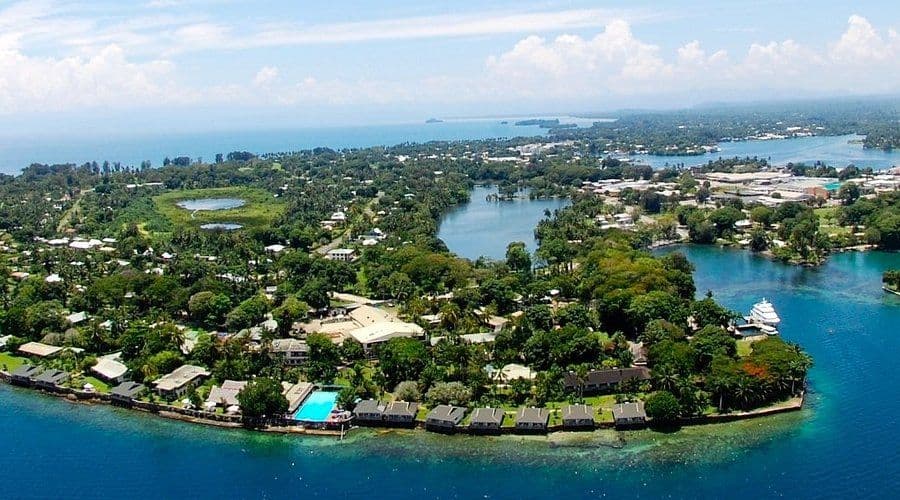
Most travelers think of Papua New Guinea as a rugged, remote challenge, often associating it with the highlands or the chaotic energy of Port Moresby. Madang, however, sits comfortably on the northeastern coast, a town of roughly 27,000 people that was first settled by Germans in the 19th century under the name Friedrich-Wilhelmshafen. Today, it is widely regarded as one of the prettiest towns in the South Pacific, a distinction that is hard to argue with when you see the water.
The town is perched on the coast of Astrolabe Bay, part of the Bismarck Sea, near the mouth of the Gogol River. It is a port, but the skyline is dominated by small vessels and dive boats rather than cargo ships. For the traveler arriving in late September, the appeal is simple: you are far enough from the main tourist circuits to avoid the crowds, yet close enough to the action to have something to do. The humidity is present, as it always is in the tropics, but the air feels lighter here, filtered through the bay. It is a place that rewards those who prefer a slower pace, where the day is measured by tides rather than meeting times.
Diving the History
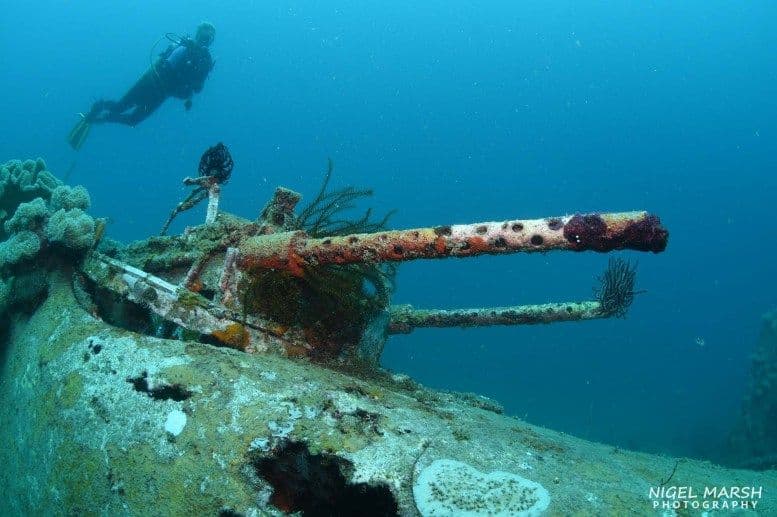
The primary draw for many visitors to Madang is the underwater heritage. The coastal region is dotted with multiple World War II aircraft and shipwreck dive sites. These wrecks serve as historical artifacts resting on the seabed, offering a tangible connection to the Pacific theater of the war.
Diving in Madang is promoted as a tropical hub for this specific type of exploration. The reefs surrounding the area are healthy, providing a contrast between the man-made structures of the past and the vibrant marine life of the present. Whether you are a certified diver looking for technical wrecks or a snorkeler interested in the shallower reef systems, the infrastructure exists to support you. The water visibility is generally good, allowing for clear views of the wreck details. It is a niche interest, certainly, but for history buffs and underwater photographers, it is a compelling reason to anchor your trip here. You are looking at time itself, frozen in salt and coral.
Life on the Water
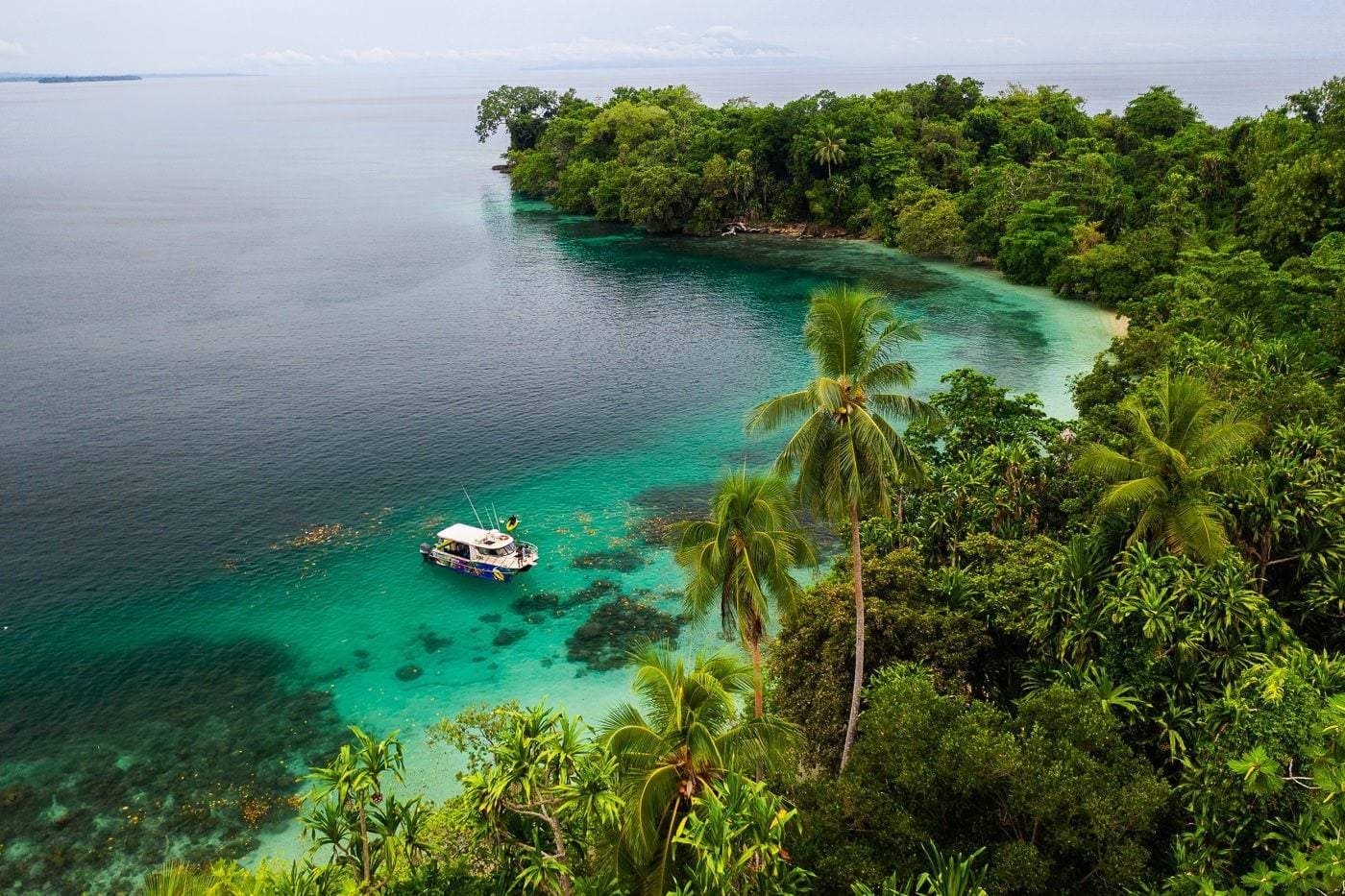
Madang Province is actively promoted as a destination for diving, surfing, and island hopping. The geography lends itself to this lifestyle. The bay is protected, offering calm waters for swimming and kayaking, while the open sea beyond provides the swell for surfers.
One specific local experience worth seeking out is a visit to Panobomp Village. Described in travel literature as a hidden gem near Madang, it offers a genuine local cultural experience. The village allows you to interact with residents and understand the daily rhythms of life in Madang Province. The journey there is part of the charm. It is a reminder that the town is a gateway to a wider cultural landscape, rather than just a resort town.
For those who prefer to stay in the town, the coastline along Astrolabe Bay is accessible. The water is warm, and the light in the late afternoon creates a golden hue that makes the bay look almost surreal. It is the kind of place where you can sit on a bench, watch the boats come and go, and feel a genuine sense of peace. The town is small enough that you can walk to most of the key spots, avoiding the need for constant transport.
Practical Logistics
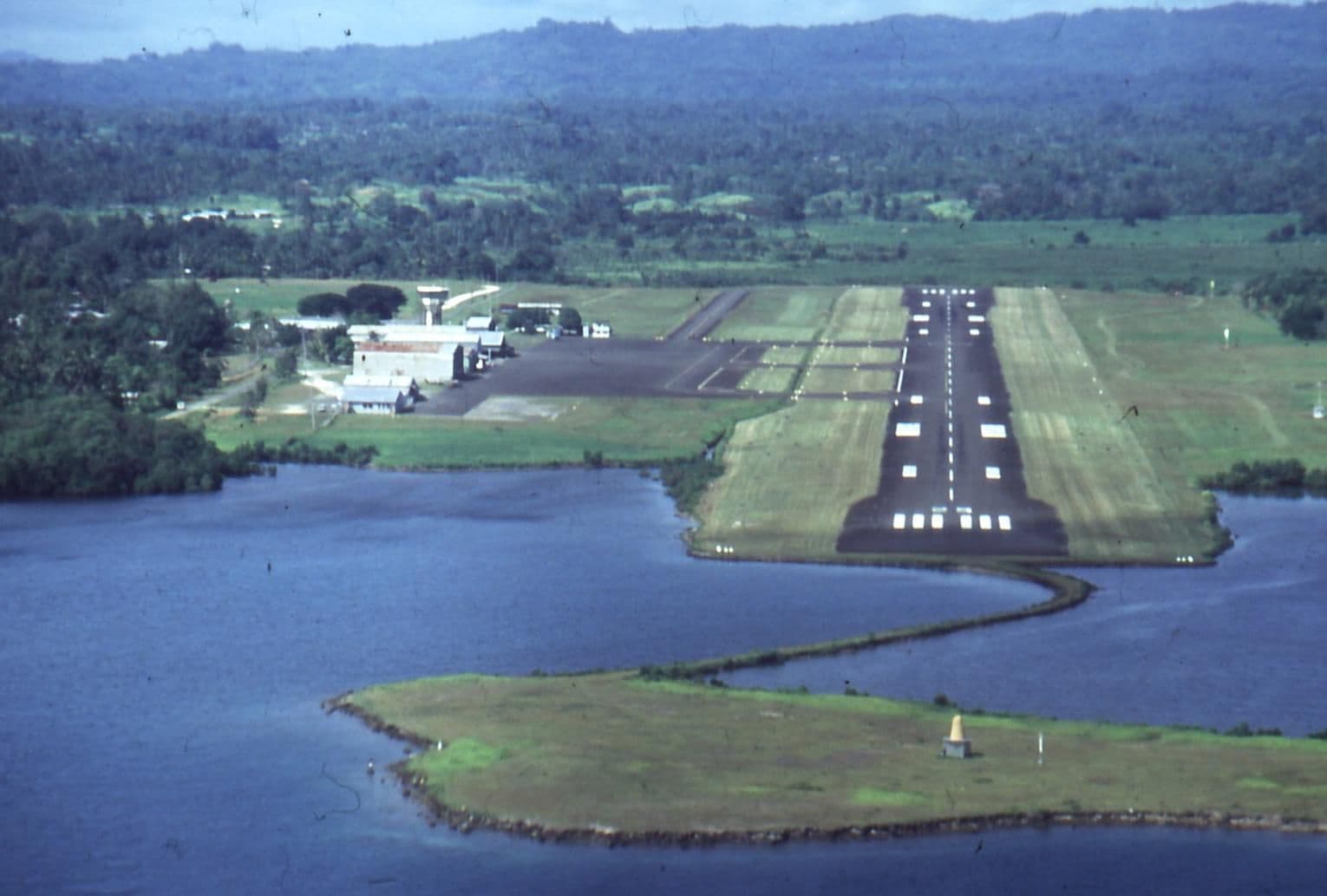
Getting to Madang requires planning. The town is served by Madang Airport (IATA: MAG, ICAO: AYMD). This is the primary gateway for visitors. Flights typically connect through Port Moresby, the capital. Since there is no confirmed railway line serving Madang, air travel is the standard method for arrival.
When booking, be aware that domestic flights in Papua New Guinea can be subject to schedule changes. It is advisable to build in some buffer time in your itinerary. Once you arrive, the town is compact. You can manage with a taxi or by walking for most of your stay. The currency is the Kina. While ATMs are available in the town, it is wise to carry some cash for smaller transactions, such as buying supplies for a day trip or paying for a local meal.
Accommodation options in Madang are limited compared to larger cities. You will find guesthouses and hotels, but they are often small-scale. Booking ahead is recommended, especially if you are traveling during the dry season, which coincides with the Southern Hemisphere winter. The prices are generally reasonable by international standards, reflecting the town’s size and remoteness.
Timing Your Visit
The best time to visit Madang is during the dry season, which runs from May to October. This period offers the most stable weather for diving and outdoor activities. Late September is a good time to visit. The humidity is lower, and the skies are clearer, providing excellent visibility for both diving and photography.
Upcoming holidays that may affect travel include Christmas Day (December 25, 2026) and Boxing Day (December 26, 2026). These dates fall in the wet season, which can bring heavier rains and more variable weather. If you are planning a trip around these dates, be prepared for potential disruptions to flights and outdoor activities. New Year's Day (January 1, 2027) is another holiday to consider, again during the wet season.
For those seeking a quieter experience, the months of June and July are ideal. The town is less crowded, and the weather is at its most predictable. This is the time to focus on the diving, the village visits, and the slow pace of life that Madang offers. Madang appeals to travelers who want to disconnect, explore the underwater history, and experience a different side of the Pacific.
Frequently Asked Questions
Is Madang safe for solo travelers? Madang is generally considered safe for travelers. As with any destination, it is wise to take standard precautions, such as keeping valuables secure and being aware of your surroundings, especially at night. The town is small, and locals are generally helpful.
What should I pack for a trip to Madang? Pack light, breathable clothing suitable for a tropical climate. A good set of swimwear, a rash guard for the sun, and comfortable walking shoes are essential. If you are diving, bring your own gear or check with local dive shops for rental options. A waterproof bag for your electronics is also a smart addition.
How far is Madang from Port Moresby? Madang is located on the northeastern coast, while Port Moresby is on the southeastern coast. The distance by air is significant, and flights typically take around two hours. The journey by land is much longer and more complex, involving a combination of road and air travel. Most travelers choose to fly directly between the two cities.