Skip the resort crowds. Lautoka’s dry season offers 32 hotels, from $15 inns to $120 suites, plus seafood at the wharf.
The first thing you notice about Lautoka, Fiji, isn’t the ocean—it’s the silence of the sugar mills that once defined the city’s rhythm. Now, with the dry season settling in between May and October, that quiet has turned into an invitation. You’re 23 km from Nadi International Airport, a 25- to 35-minute ride away, yet you’ve landed in a place where the air smells of fresh coconut and grilled fish rather than diesel and sunscreen. This is the "Sugar City," a nickname earned through decades of industry, but today it’s a sleeper hit for travelers who want boutique comfort without the resort tax.
The Wharf and the Waterfront
Your first stop should be Lautoka Wharf, where the city meets the sea in a way that feels deliberately unpolished. This is a working waterfront where the line between commerce and culture blurs. The area is known for Fijian seafood and street food, offering a sensory experience that high-end resorts simply can’t replicate. You’ll find vendors preparing catches of the day, the sizzle of oil on metal, and the distant hum of boats shifting in the harbor. It’s a place where you can eat a meal for a fraction of what you’d pay in a hotel dining room, and the flavors are distinctly local. The water here is calm during the dry months, making the wharf a safe and scenic spot to watch the sun dip below the horizon. The light turns amber, reflecting off the water, and the crowd thins out, leaving you with the sound of the tide and the lingering aroma of spices.
Where to Stay
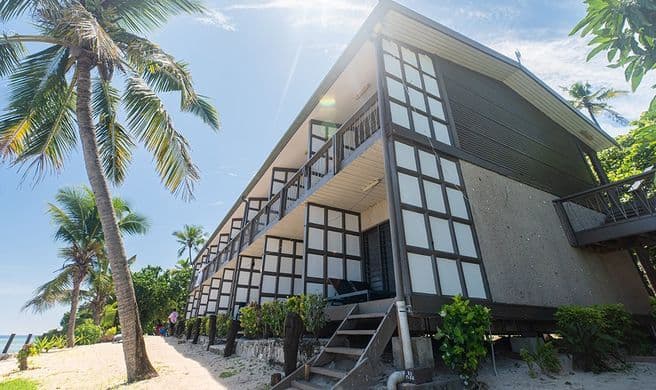
Lautoka offers a surprisingly diverse range of accommodations, with 32 total hotels on record, ranging from charming local inns to high-end resorts. For the boutique traveler, the sweet spot lies in properties that offer privacy and character without the overwhelming scale of a major resort chain.
- Budget Local Inns: You can find basic, clean accommodations starting at approximately $15 per night. These are ideal for solo travelers or those who plan to spend their days out exploring. They lack frills but offer a genuine slice of local life.
- Mid-Range Boutique Options: The average price for a 3-star hotel hovers around $120 per night. This price band typically includes better amenities, such as air conditioning (a necessity in the humid tropics), private bathrooms, and often a pool. These properties are often smaller, family-run, or independently managed, offering a more personalized service.
- High-End Resorts: Lautoka is a small city, yet there are high-end options available for those seeking luxury. These are less common but do exist, catering to travelers who want premium comfort within the city limits.
When booking, look for properties that emphasize their "local" character. The boutique appeal here is about proximity to the wharf, the ease of walking to the bus terminal, and the opportunity to interact with the community. The city’s layout is compact enough that you can walk to key spots, making a car less necessary than in more sprawling destinations.

Getting Around
Lautoka is well-connected to Nadi, the main international hub, but it operates on its own rhythm. The Lautoka Bus Terminal is the central hub for local and inter-city travel. If you’re arriving from Nadi Airport, you have several options. The cheapest fare from Lautoka to Nadi Airport starts at around $1, though this is likely for a local bus or shared taxi and may involve transfers. For a more direct experience, express coaches run between Nadi Bus Station and Lautoka, covering the 32 km distance in 40 to 50 minutes.
If you prefer a quicker, more direct route, you can take a taxi or a shared minibus from Nadi International Airport to Lautoka, a journey that takes 25 to 35 minutes. Sunbeam Transport FJ is a known operator running services in this region, and while specific schedules can vary, it’s a reliable choice for those who want to avoid the hassle of navigating local buses. One crucial detail: public bus travel in the region operates on a cash basis. Keep your Fijian dollars handy, as you will need to pay the driver or conductor directly. It’s a simple process, but running out of small change can turn a short trip into a logistical headache.
The Local Flavor
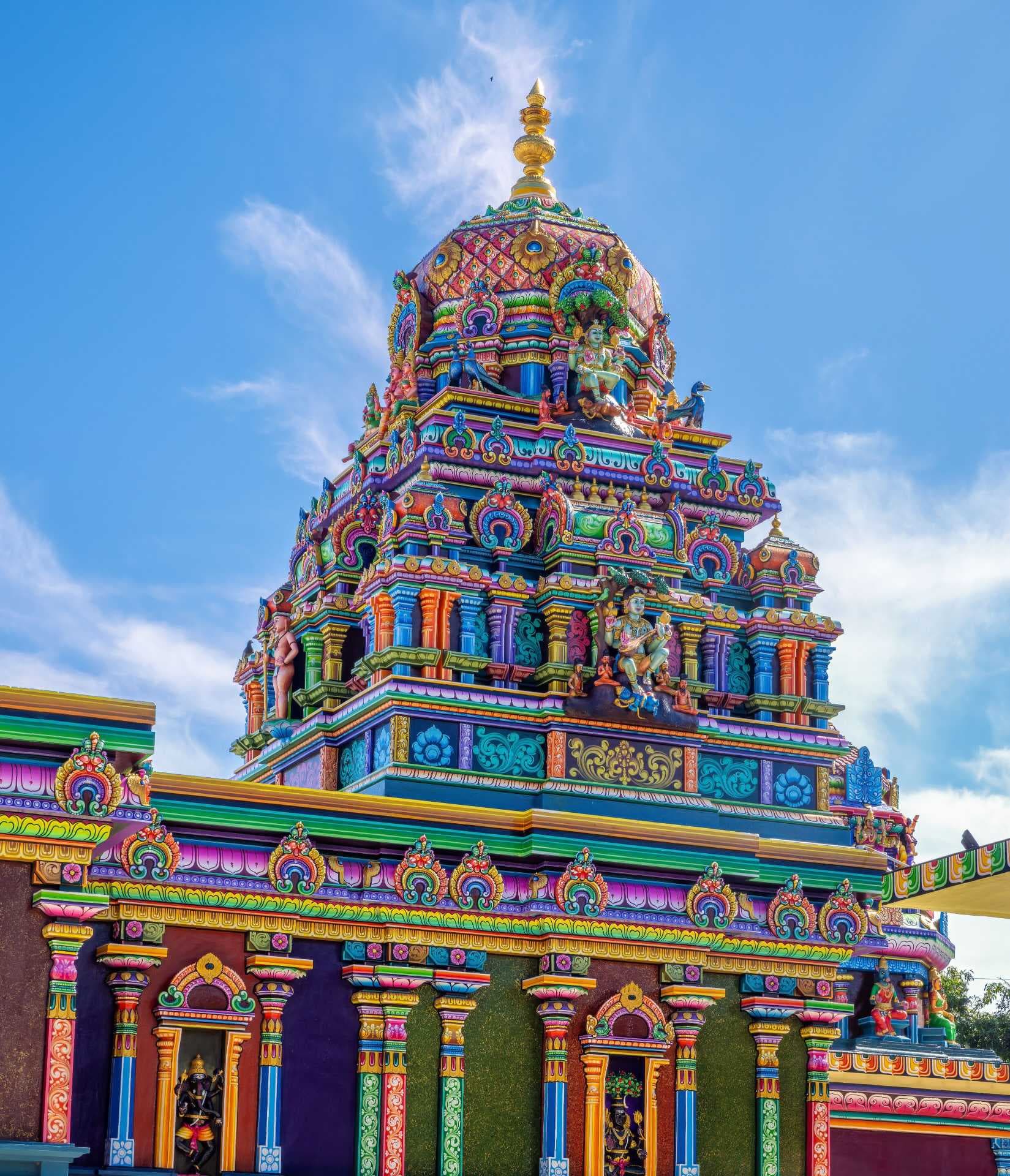
Beyond the hotels, Lautoka’s charm lies in its heritage. The city is dotted with colonial-era buildings and ancient temples that narrate its past. While no specific museum was explicitly verified in recent searches, the architecture itself serves as an open-air exhibit. Walking through the Balawa neighborhood, for instance, offers a glimpse into the residential side of the city, where life moves at a slower pace. The "Sugar City" nickname is a testament to the industry that built the town. You’ll see the remnants of that history in the infrastructure and the local pride.
For food, stick to the wharf. The Fijian seafood and street food available there are the real deal. You won’t find a specific named dish like lovo or kokoda explicitly tied to Lautoka in the sources, but the general availability of fresh, local cuisine is a major draw. The meals are simple, hearty, and affordable. It’s the kind of food that doesn’t need a wine pairing; it needs a cold drink and a seat by the water.
When to Go
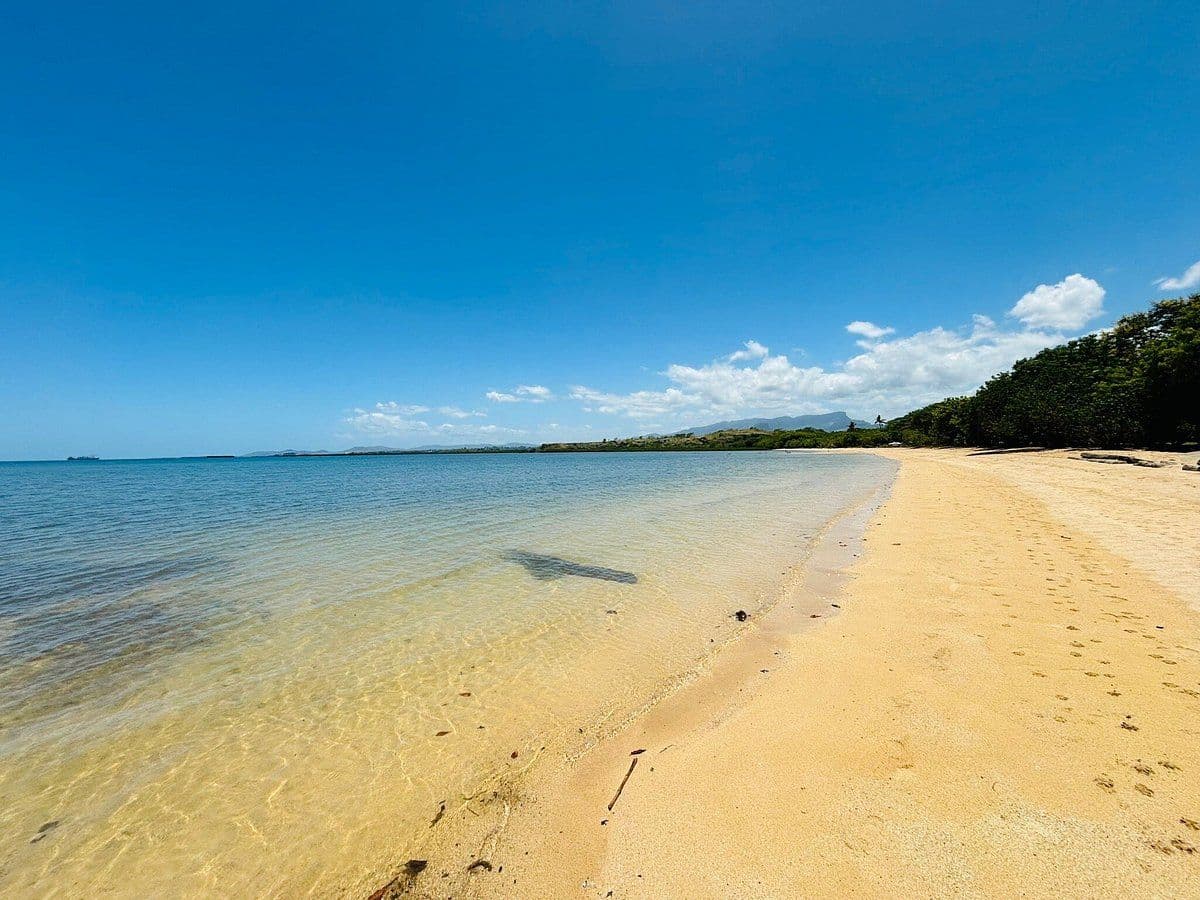
The best time to visit Lautoka is during the dry season, from May to October. This period offers the most comfortable weather for exploring local villages, walking the wharf, and enjoying outdoor activities. The rain is minimal, and the humidity is slightly lower, making it easier to navigate the city without constantly wiping sweat from your brow. There are no major holidays recorded in the next six months that would significantly impact crowds or pricing, which means you can expect consistent availability and rates.
Who is this for? This is a destination for the slow traveler, the solo explorer, and the couple who wants a break from the resort circuit. It is not the place for the party traveler looking for a nightclub scene. You can easily spend three to five days here, using Lautoka as a base to explore the Viti Levu island. The pace is relaxed, the people are friendly, and the cost of living is low. It’s a destination that rewards those who are willing to look past the obvious and appreciate the quiet, authentic side of Fiji.
Practical FAQ
Do I need a visa to enter Fiji? Most travelers from the US, UK, EU, and Australia can enter Fiji without a visa for stays up to four months. Always check the latest requirements from your country’s foreign office before booking.
Is Lautoka safe for solo travelers? Generally, yes. Lautoka is a smaller city with a lower crime rate than major metropolitan areas. Standard precautions apply: keep an eye on your belongings, especially at the bus terminal and wharf, and avoid walking alone in poorly lit areas late at night.
How much money should I bring? Fiji uses the Fijian dollar (FJ$). While cards are accepted in most hotels and larger restaurants, cash is king for street food, small shops, and local transport. Exchange some money at the airport or a bank in Lautoka. Budget for around $15–$20 per day for food and local transport if you’re staying in a budget inn.