Ongandjera offers no neon lights or clubs. The night here is defined by silence, starlight, and the weight of history.
The sun does not linger in Ongandjera. By 19:00, the light fails, and the heat of the day retreats into the red earth of the Omusati Region. There are no club doors to push open, no playlists waiting to fill the void. To seek "late night fun" here is to misunderstand the nature of the place. Ongandjera serves as a destination for presence. It functions as a focal point for reflection rather than amusement. It is a tribal settlement near Okahao, known for the leaders it produced rather than the entertainment it provides after dark. This is the birthplace of Sam Nujoma, Namibia’s first president, and Pendukeni Iivula-Ithana. The ground holds memory. The night holds judgment. If you come looking for noise, you will leave disappointed. If you come looking for the truth of the interior, you will find it in the quiet.
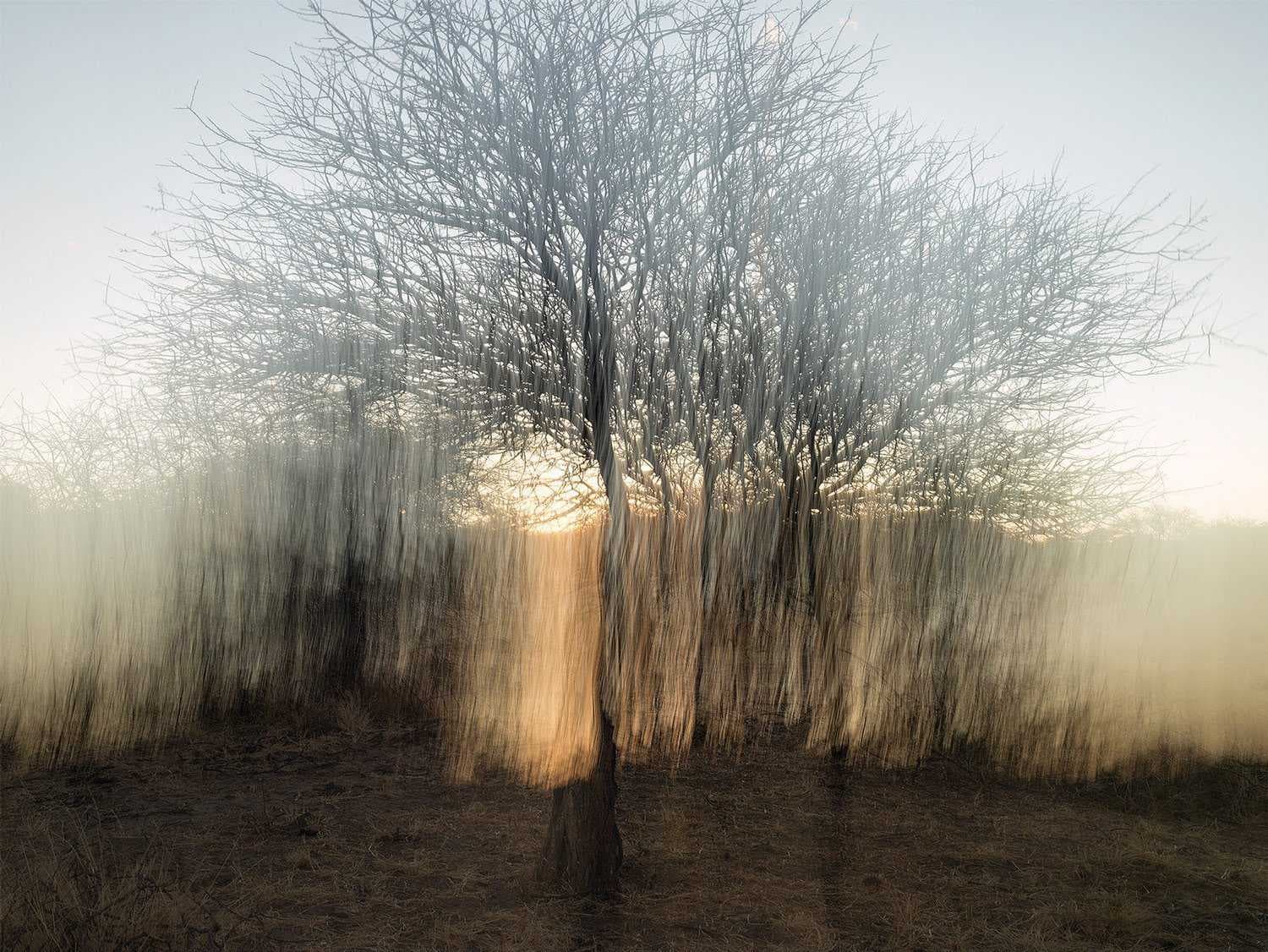
The Silence of the Settlement
Most travelers approach Namibia with a checklist: the dunes of Sossusvlei, the wildlife of Etosha, the colonial architecture of Windhoek. They move fast. They consume sights. Ongandjera resists this pace. It is a small community, largely residential, without the infrastructure of a tourist hub. There are no verified bars, lounges, or nightlife venues listed in any guide. The evening economy does not exist in the traditional sense. Shops close early. Streets empty out. The absence of commercial nightlife defines the character of rural life in northern Namibia.
The "fun" you seek is redefined here. It is the act of sitting outside as the temperature drops. It is the sound of insects replacing the hum of traffic. It is the realization that you are alone with your thoughts in a place that has shaped a nation. The air is dry. The stars are not obscured by light pollution. They hang low and heavy, a celestial ceiling that feels closer than in the cities. This experience provides clarity. It demands attention. You cannot escape yourself in Ongandjera. The silence forces confrontation. Some find it peaceful. Others find it oppressive. Both reactions are valid. The place does not cater to comfort.
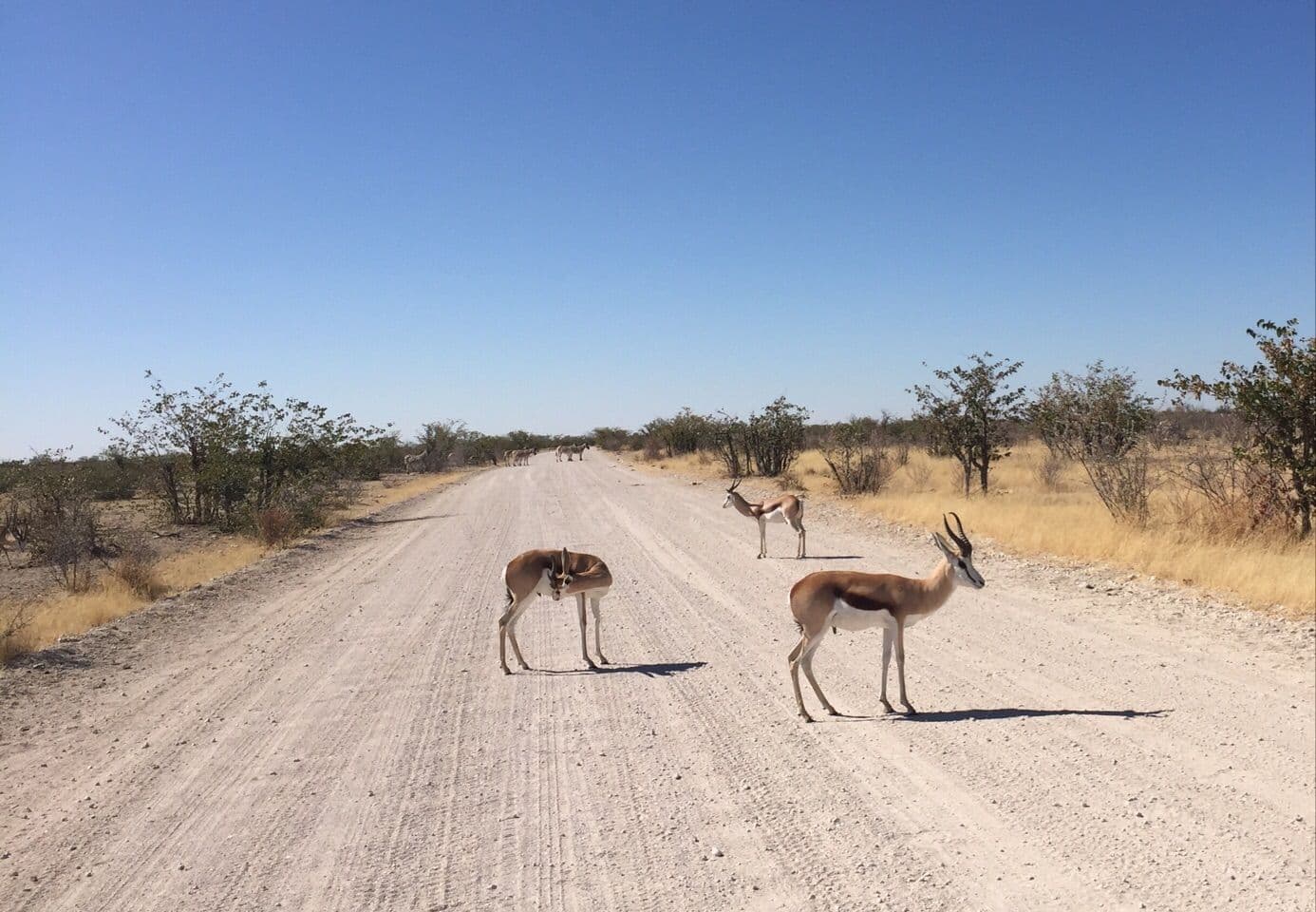
History in the Dirt
Why come to Ongandjera at all? The answer lies in the soil. This is where Sam Nujoma was born. He led the struggle for independence. He became the symbol of a free Namibia. To stand on this land is to stand on the origin point of modern governance in the country. There are no grand monuments, no marble statues, no ticketed museums confirmed in the records. The landscape itself is the archive. The modest homes, the dirt roads, the communal spaces—they speak of resilience. They speak of a life lived before the spotlight, and during the struggle.
At night, the historical weight shifts. During the day, you can distract yourself with maps and directions. At night, the context remains. You think of the leaders who walked these paths. You think of the decisions made in rooms far away that affected people here. The connection is abstract until you feel the coolness of the earth beneath you. It becomes concrete. You are not just visiting a location. You are witnessing a continuity. The lack of tourist infrastructure protects this integrity. There is no performance for visitors. The community lives its life. You are a guest, not a consumer. Respect that boundary. Do not expect entertainment. Expect education. Expect humility.
Practical Realities
Planning a trip to Ongandjera requires abandoning urban assumptions. There is no public transport schedule that serves the night. There are no ride-hailing apps. Movement is limited to private vehicles or pre-arranged local transport. If you arrive from Windhoek, the journey takes several hours on paved and unpaved roads. The final leg to Ongandjera may involve rougher terrain. Drive cautiously. Visibility drops sharply after sunset. Headlights are essential. Fuel up in Okahao or larger towns before departing. Services are sparse.
Accommodation options are limited. There are no luxury resorts. You will likely stay in guesthouses, lodgings, or with local families. Prices vary based on negotiation and season. Expect to pay in Namibian Dollars (NAD). Credit cards may not be accepted everywhere. Carry cash. Connectivity is intermittent. Do not rely on streaming services or real-time navigation deep into the settlement. Download maps offline. Inform someone of your itinerary. Safety is generally good, but isolation is real. The lack of nightlife means fewer risks associated with alcohol and crowds, but also fewer immediate resources if an emergency occurs. Prepare accordingly. Bring a flashlight. Bring water. Bring patience.

Timing and Holidays
The best time to visit Ongandjera depends on your tolerance for heat. Summer months (December to February) bring rain and warmth. The landscape turns green, but humidity rises. Winter months (June to August) are dry and cool. Nights can be freezing. Dress in layers. For late-night reflection, winter offers clearer skies and crisper air. However, the cold bites.
Be aware of national holidays. These days disrupt normal schedules. Heroes' Day falls on 2026-08-26. Expect increased local activity, possible road closures, and higher demand for accommodation if you are traveling through the region. Book well in advance. Day of the Namibian Women is observed on 2026-08-10. This is a significant date in Namibian history, honoring the women who fought for liberation. Commemorations may occur locally. Respect the solemnity. International Human Rights Day is on 2026-12-10. Christmas Day (2026-12-25) and Family Day (2026-12-26) are periods of family reunion. Many services close. Plan your departure routes carefully. New Year's Day (2027-01-01) marks the end of the cycle. The atmosphere is reflective. Do not expect parties. Expect quiet gatherings.
If you are a solo traveler, Ongandjera offers a profound test of self-reliance. If you are with family, it offers a break from digital noise. Slow travel is the only mode that works here. Rushing is disrespectful to the pace of life. Stay for two or three nights. Let the rhythm settle. You will not be entertained. You will be grounded.
Frequently Asked Questions
Is there nightlife in Ongandjera? No. There are no bars, clubs, or late-night entertainment venues. The community sleeps early. Evening activities consist of socializing in homes, walking, or stargazing.
How do I get to Ongandjera? Access is via road from Okahao or Windhoek. There is no direct rail or air service. Private vehicle hire or organized tours are required. Road conditions can be poor, especially after rain.
What should I bring for the night? Warm clothing, even in summer, as temperatures drop significantly. A reliable flashlight or headlamp. Cash in Namibian Dollars. Offline maps. Respectful attire for visiting local homes.