Escape the saturated co-working scene. In Luwuk, Central Sulawesi, low-density connectivity meets the quiet inevitability of the Banggai Islands.
The Architecture of Silence
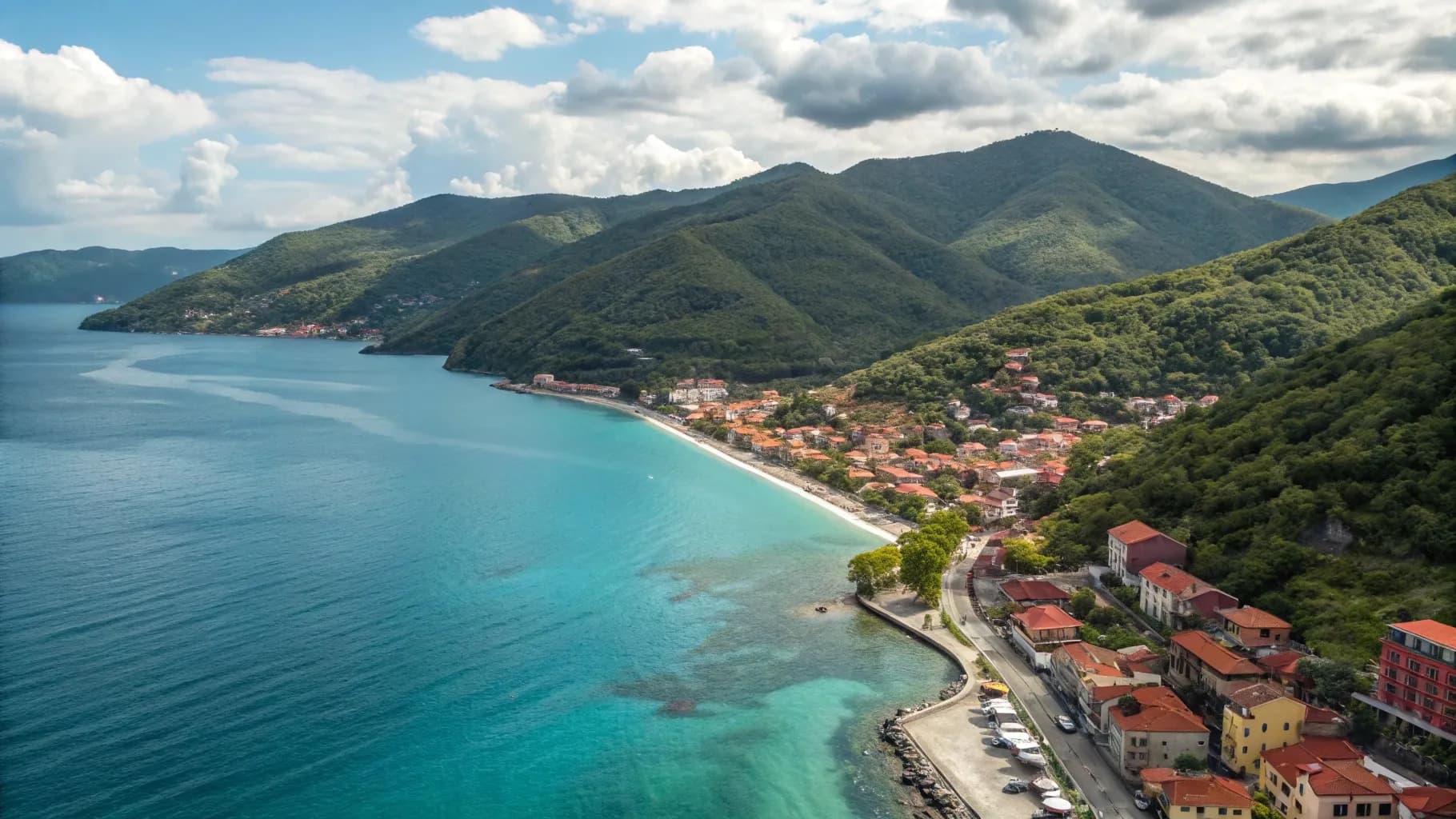
The flight lands at Syukuran Aminuddin Amir Airport, a terminal that sits approximately 10 kilometers from the heart of Luwuk. This distance is a deliberate buffer. It separates the mechanical noise of arrival from the slower rhythm of the regency. Luwuk, the capital of Banggai Regency in Central Sulawesi, covers an area of 72.82 square kilometers following the 2012 boundary changes. Luwuk operates as a holding space where the pressure of the mainland fades, replaced by the weight of the surrounding water. It does not shout for attention.
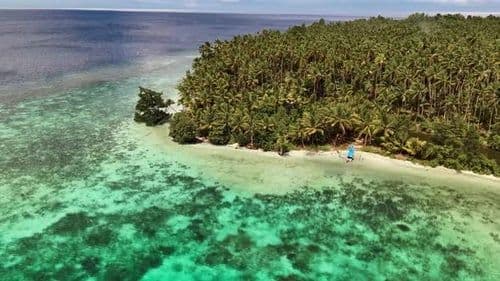
For the digital nomad, this silence is the primary asset. The Banggai Islands, marketed as the "Hidden Islands of Sulawesi," remain largely untouched by the heavy machinery of mass tourism. There is no crowded plaza demanding your energy. There is no relentless stream of vendors. The destination operates on a different set of rules. You do not come here to be entertained; you come to be left alone with your work and the horizon. The air here is thick with possibility, but it does not force itself upon you. It waits.
Connectivity and the Commute
The gateway to this isolation is the regional airport, identified by the IATA code LUW. Daily flights connect Luwuk to Jakarta and Makassar, the two major hubs of Indonesia’s western and southern archipelago. These connections are the lifeline. They determine when you can leave, when you can restock, and when you can re-enter the noise.
Once the taxi or rental car covers the 10-kilometer stretch to town, the transit logic shifts. There is no rail line. There is no complex network of numbered bus routes. Travel is primarily by air for long distances and by ferry for the local archipelago. The ferry service from Luwuk is the primary method for island-hopping. It is a simple, direct mechanism. You board, you cross the water, you arrive. There are no hidden complexities. The ferry does not care about your deadlines. It moves according to the tide and the schedule, a constant in a world that often feels chaotic.
For the remote worker, this means planning around the flight schedule. You book your outbound leg to Jakarta or Makassar with care. You understand that once you are in Luwuk, the world outside becomes abstract. The internet connection in the regency is functional but not guaranteed to be the high-speed fiber of a major capital. You work with what is there. You accept the latency as part of the cost of silence.
Where to Stay
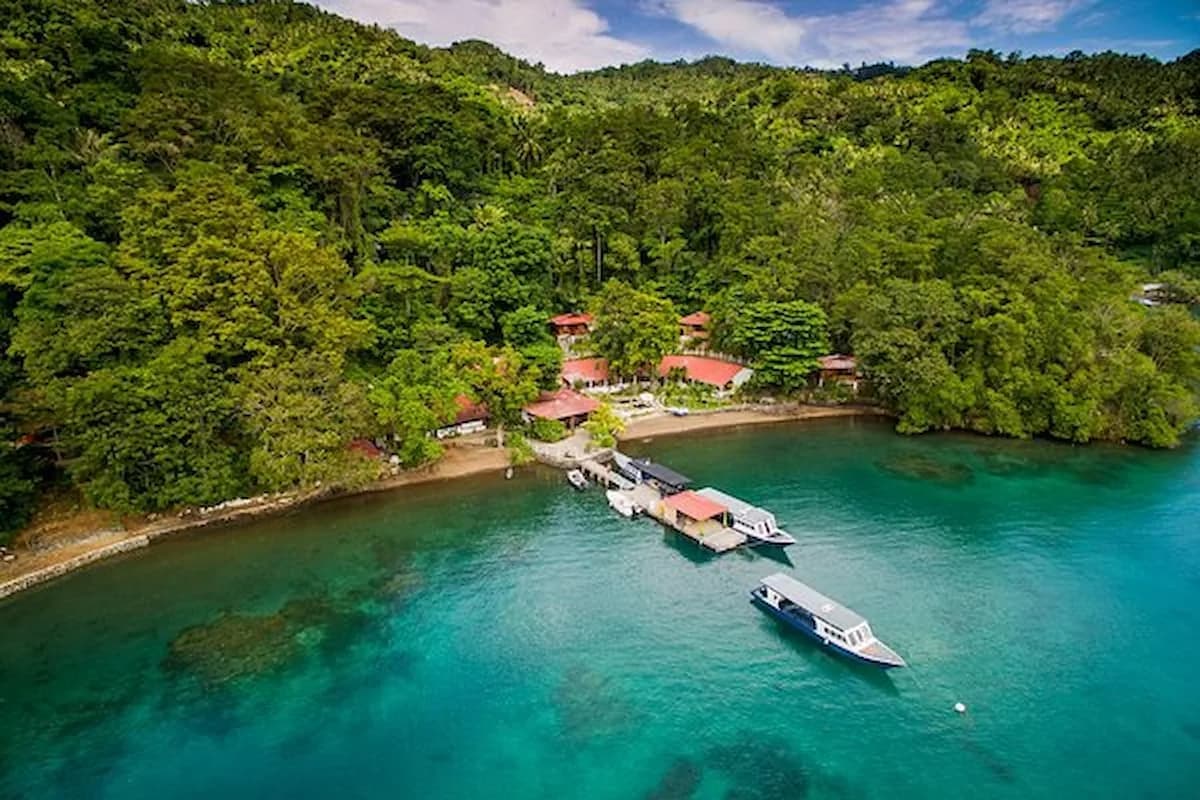
Lodging in Luwuk is defined by proximity to the harbor and the airport. Specific hotel names vary by season and availability, so the strategy is to secure accommodation in the central town area, within walking distance of the main ferry docks.
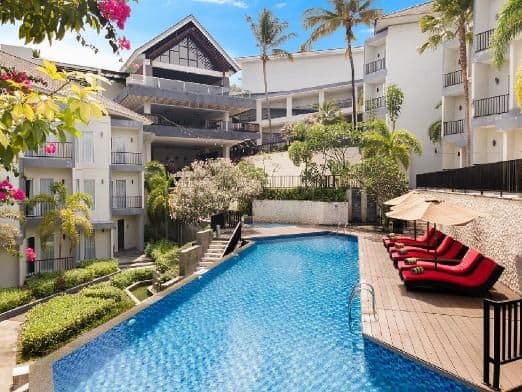
- Central Luwuk Guesthouses: These are the standard option. Prices typically range from IDR 300,000 to IDR 600,000 per night. The differentiator is the view. Many rooms face the bay, offering a constant visual reminder of the work ahead. The silence here is absolute.
- Harbor-Edge Hotels: Located closer to the ferry terminals, these properties offer easier access to island excursions. Rates are slightly higher, often around IDR 500,000 to IDR 800,000. The trade-off is the sound of engines at dawn. It is a small price to pay for convenience.
- Island Resorts: For those who wish to work from the water itself, resorts on the nearby islands offer a premium experience. Prices can exceed IDR 1,000,000 per night. The benefit is seclusion. The drawback is the dependence on the ferry schedule for any resupply.
Do not expect the amenities of a major hub. The water pressure may fluctuate. The Wi-Fi may drop. These fluctuations are the rules of the place. You adapt, or you leave.
The Local Rhythm
Food in Banggai is a study in simplicity. While specific local dishes lack extensive documentation in international guides, the regional staples are clear. Fish is the protein of choice, caught from the surrounding waters. The meals are unadorned. There is no pretense. You eat to fuel the next block of work.
The culture here is one of observation. People move with a purpose that is not always visible to the outsider. The market areas are convergence points where locals gamble with chance, trading fresh catch for daily necessities. There is no performance. The interaction is direct. If you are new, you watch. You learn the rhythm before you try to impose your own. The language barrier is a minor hurdle; the cultural barrier is the real test. You must learn to be still. You must learn to let the day pass without demanding it yield to your schedule.

Timing and Audience
The best time to visit is during the drier months, though specific seasonal data varies. The region experiences a tropical climate, meaning the weather is a factor that cannot be controlled. It can only be anticipated.
The next major holidays in the region include Christmas Day on December 25, 2026, and New Year's Day on January 1, 2027. These dates bring a slight increase in domestic travel, but the impact on Luwuk is minimal. The regency is not a major holiday destination for the masses. The crowds are thin. The prices do not spike dramatically.
This destination suits the solo traveler or the small group who values autonomy. It serves the individual who understands that work and rest are two sides of the same coin. It does not cater to families seeking amusement parks or couples looking for a romantic spectacle. Stay for two to three weeks. Long enough to settle into the rhythm. Short enough to leave before the silence becomes a weight.
Practical Questions
How do I get to Luwuk? You fly into Syukuran Aminuddin Amir Airport (LUW). Flights are available daily from Jakarta and Makassar. The airport is 10 kilometers from the town center.
Is there a train? No. There is no railway line serving Kabupaten Banggai. Travel is by air and ferry.
What is the currency? The Indonesian Rupiah (IDR). Cash is king in the smaller island areas. Carry enough for the duration of your stay.