Flying into central Turkish districts requires navigating ambiguous airport codes and seasonal price spikes. Here is how to land in Merkez without overpaying or getting stranded.
The term "Merkez" appears on more than forty administrative maps across Turkey. It simply means "central district." When you book a flight, you are not landing in a city called Merkez; you are landing in the hub of a specific province—often Adana, Ankara, or Istanbul—and then dealing with the ground reality of reaching that central core. For the design-literate traveler who cares about value, the mistake isn’t flying low-cost carriers like Pegasus or AJet; it’s assuming their destination code points directly to your hotel’s front door. In late autumn 2026, with the New Year’s holiday just five weeks away, airfare volatility is the primary threat to your budget. You must decouple the flight from the final mile.
Decoding the Airport Ambiguity
You cannot search for flights to "Merkez." The booking engines will laugh at you, or worse, sell you a ticket to a regional airstrip three hours away by bus. Each major province has its own airport serving its merkez. If your itinerary involves Seyhan (Adana Merkez), you are looking at Adana Şakirpaşa Airport (ADA). If you are heading to the capital’s center, you are targeting Esenboğa (ESB) or Istanbul Airport (IST).
The trap here is proximity pricing. A flight to ADA might look cheap compared to IST, but if your accommodation is in a different province’s central district, the domestic transfer cost wipes out the savings. I have seen travelers pay €40 for a flight to save €15 on a train ticket, only to lose six hours in transit. Check the distance between the airport and the actual municipal center before clicking "Book." The "central" label is bureaucratic, not logistical.

The Carrier Landscape: Pegasus and AJet
Turkey’s budget airline scene is dominated by two players: Pegasus Airlines and AJet (formerly AnadoluJet). Both operate extensive networks connecting the coastal hubs to the inland provincial centers. Pegasus is generally the aggressive price leader, often undercutting competitors by €10–€20 on short-haul domestic routes. However, their baggage policy is unforgiving. Their "Basic" fare includes no cabin bag beyond a personal item that fits under the seat. If you carry a standard carry-on roller, you will pay a penalty at the gate that exceeds the flight cost.
AJet, operating under Turkish Airlines’ umbrella, offers a slightly more forgiving allowance on certain tiers but compensates with less flexible change fees. For a trip focused on shopping and design, where you might return with fragile ceramics or textiles, paying an extra €15 for a checked bag upfront is cheaper than risking damage or gate-check fees. Book directly through their apps rather than third-party aggregators; direct channels often reveal flash sales for off-peak midweek flights that aggregators bury.
Ground Transit: From Tarmac to District Center
Landing is only half the journey. Once you arrive, the connection to the merkez varies wildly. In larger provinces like Adana or Bursa, dedicated shuttle buses (HAVAŞ or local municipal services) run regular loops from the airport to the central bus terminal (Otogar) or major squares. These cost roughly 50–100 TRY per person and take 30–45 minutes depending on traffic.
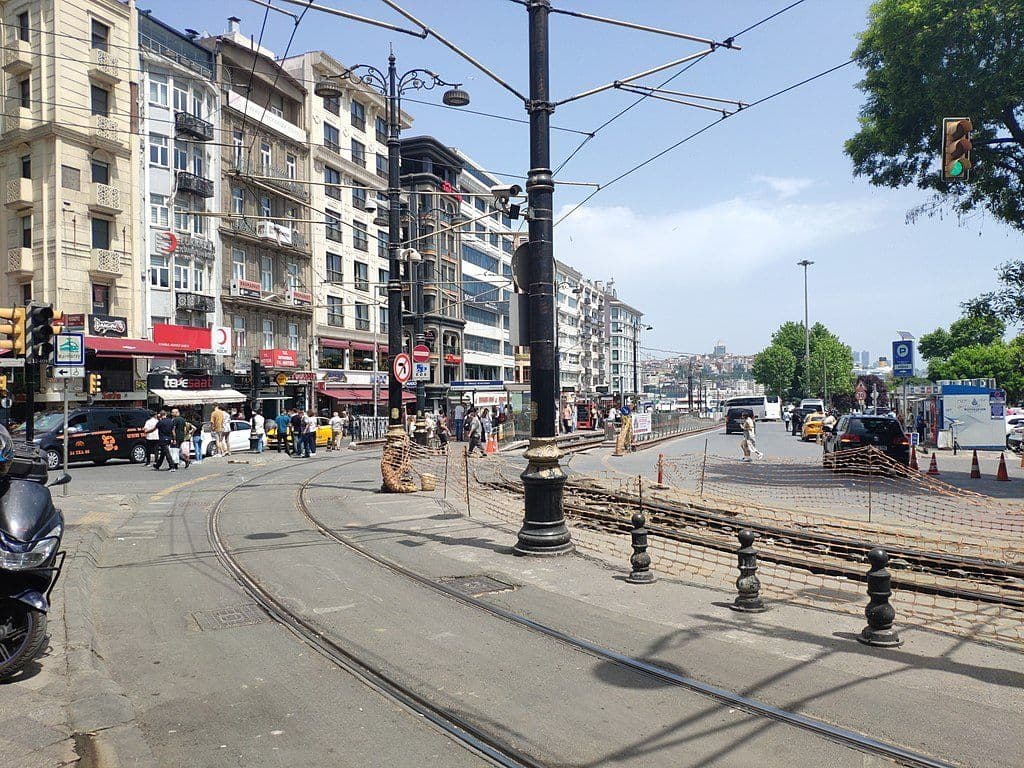
Do not rely solely on taxis. While metered fares are regulated, drivers may attempt fixed-price negotiations with tourists who do not speak Turkish. Insist on the meter. Alternatively, use e-scooters for short hops within the central district—they are abundant in most merkez zones and cost significantly less than rideshare apps during peak hours. If you are staying near a rail station, check if the airport connects via light rail (tram). In some cities, this is the fastest route to the historic center, bypassing gridlock entirely.
Seasonal Pricing and Holiday Traps
Timing is everything. Late November through early December is technically shoulder season, offering lower base fares. However, the New Year’s Day holiday on January 1, 2027, creates a demand spike starting mid-December. Prices typically surge by 40–60% as locals travel to visit family. If you are traveling solo or as a couple, aim for flights between December 5 and December 15. You get the autumn light, mild temperatures suitable for walking tours, and prices that haven’t yet hit holiday panic levels.
Avoid flying out on January 1 or 2. The return rush compresses capacity, driving last-minute fares up sharply. Eid al-Fitr in March 2027 will present a similar pattern, so if your trip extends into spring, book return legs now. The rule is simple: fly when everyone else is working, not when they are celebrating.

Practical Tips for the Design-Conscious Traveler
When planning a trip anchored to a merkez, prioritize accommodations near public transit nodes rather than strictly near tourist landmarks. This reduces reliance on costly taxis. Look for boutique stays or apartments in neighborhoods adjacent to the main tram lines. These areas often feature better architecture and local eateries than the heavily touristed squares, aligning with a design-focused itinerary.
Pack light. Budget airlines penalize weight and size aggressively. Use packing cubes to compress clothing and leave space for purchases. If you plan to buy ceramics or glassware, ship them separately via courier services available in the merkez; carrying them on a crowded budget flight risks breakage and stress.

Frequently Asked Questions
Which airport serves "Merkez"? There is no single airport. "Merkez" refers to the central district of many provinces. Identify your specific province first (e.g., Adana, Ankara, Bursa) and book to that province's main airport.
Is Pegasus safer than other budget carriers? Yes. Pegasus and AJet are fully licensed and audited under EU-equivalent safety standards. Operator bashing is common, but both maintain strong safety records comparable to legacy carriers.
How far in advance should I book for New Year’s 2027? For travel around January 1, 2027, book at least 60 days in advance. Prices rise steeply within 30 days of departure due to limited seat availability on popular domestic routes.