Skip Seoul’s noise. Find cheap, heated rooms and river views in Hongcheon-gun, Korea South, for half the capital’s price.
The Reality of Rural Lodging
You don’t come to Hongcheon-gun for the neon. You come because your wallet is thinning, and you want a bed that doesn’t smell like stale beer and desperation. This county in Gangwon Province is a logistical puzzle for the budget traveler, but it solves one problem better than anywhere else in Korea South: space. In Seoul, ₩40,000 gets you a coffin-sized capsule with a view of a brick wall. Here, that same money buys a room where you can actually stand up straight, often with a window looking out at pines or the river.
The inventory here isn’t dominated by international hostel chains. It’s fragmented. You’ll find minbak (private guesthouses), converted farm stays, and small pensions run by families who’ve lived on these hillsides for decades. Because specific booking platforms for this exact district are hard to pin down without live data, you need to be flexible. Expect to navigate via Naver Maps or KakaoTalk rather than a sleek app interface. If you’re used to instant confirmations, reset your expectations. Sometimes, you’re calling ahead to ask if they speak English. Sometimes, you’re showing them a photo of the sign from your phone.
Where to Stay: Districts and Types
Since verified names of specific hostels are scarce in public databases for this micro-region, focus on districts. Your best bet for budget lodging clusters around the main town center and near major transport hubs.
Hongcheon-eup (The Town Center): This is the logistical heart. Look for small pensions tucked into residential alleys just off the main road. Prices here typically hover between ₩35,000 and ₩60,000 per night for a basic double or single. Differentiator? Proximity. You can walk to local markets and bus stops. The downside is noise; Korean heating systems (ondol) can be loud, and thin walls mean you hear the neighbor’s TV. But you get hot water pressure that would make a European shower jealous.
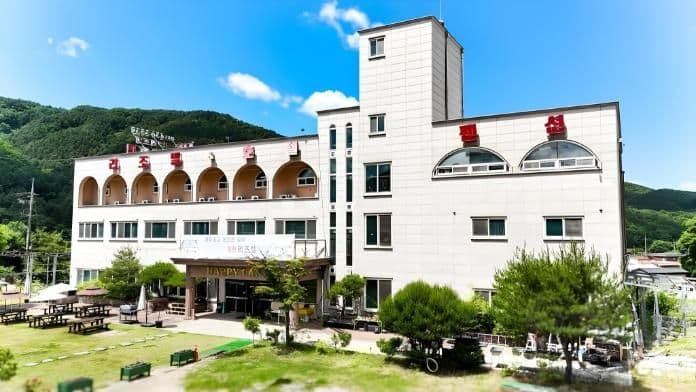
Riverside Zones: Move slightly away from the commercial center toward the riverbanks. Here, older motels have been rebranded as "guest houses." They often lack charm but offer massive beds and private bathrooms. A room might cost ₩50,000–₩70,000. The differentiator is silence and air quality. At night, the only sound is the current moving over rocks. These places rarely advertise online. You find them by walking. Look for signs with bright LED letters flickering in the dark. Knock on the door. Ask for a room. Cash is king.
Farm Stays (Nongchae): For the adventurous, rural farms outside the town proper offer dormitory-style or shared-room options. This is the cheapest tier, sometimes dropping below ₩30,000 if you share. The catch? Accessibility. You need a car or a very good grasp of local bus timetables. The benefit is breakfast included—usually rice, kimchi, and eggs cooked by someone who actually cares what you eat. It’s not Instagrammable luxury. It’s sustenance.
Practical Logistics: Getting There and Around
Hongcheon-gun is served by rail, though frequency is lower than in metropolitan areas. The line connects to Seoul, but do not assume hourly departures. Check schedules meticulously. A train ride here is slow, scenic, and prone to delays that feel personal. If you miss a connection, you might wait two hours. Bring a book. Bring snacks. The station area itself is utilitarian—concrete floors, vending machines humming in the corner, and a quiet waiting room that smells faintly of diesel and old coffee.
Budget travel here means mastering the local bus network. Taxis are expensive relative to the distance covered. Buses are cheap, reliable, and confusing for non-Korean speakers. Download offline maps. Screenshot your destination in Hangul. Show it to the driver. If you’re staying in a rural pension, ask the owner to meet you at the bus stop. It’s common practice. They want their business. They will drive the extra five kilometers in their sedan to pick you up if you call.
Payment is mixed. Major towns accept cards, but rural vendors and smaller pensions often prefer cash. Carry enough Won to cover three nights plus food. ATMs are available in the town center, but fees apply. Plan accordingly.
Food on a Shoestring
You won’t find Michelin stars here. You will find jjigae (stew) that costs less than a bottle of wine back home. Local food in Hongcheon-gun leans on hearty, warming dishes suited to the cooler mountain air. Look for small restaurants with plastic menus taped to the counter. Order the daily special. It’s usually cheaper and fresher than the printed list.
A bowl of noodle soup or a plate of grilled fish at a roadside stall might set you back ₩8,000–₩12,000. Street food vendors near the market sell tteokbokki (spicy rice cakes) and fried snacks for under ₩5,000. Eat where the locals eat. If the place is empty, check the date on the rice cooker. If it’s full, ignore the hygiene rating on your phone and sit down. The turnover ensures freshness.
One tip: Buy fruit from open-air stalls. Apples and pears in autumn are crisp, sweet, and dirt cheap. You can eat well for ₩20,000 a day if you avoid tourist traps and stick to the neighborhoods.
Cultural Nuance and Etiquette
Korean hospitality is warm but formal. When entering a minbak or pension, remove your shoes immediately. Leave them at the entrance. Slippers are provided. Wear them indoors. This isn’t optional. It’s respect.
Speak softly in shared spaces. Koreans value quiet in communal areas. Loud conversations in a hallway or lobby draw stares. If you’re sharing a room, keep your voice down after 9 PM. People wake up early here. Farmers start work before dawn. Be mindful of that rhythm.
Tipping is nonexistent. Do not leave extra money. It confuses people. Service is part of the job, not an add-on. If someone helps you carry bags, say thank you sincerely. That’s payment enough.
Language barriers are real. Learn three phrases: Gamsahamnida (thank you), Joesonghamnida (sorry/excuse me), and Igeo juseyo (please give me this). Pointing works wonders. Smiling works even better. People respond to effort, not perfection.
Timing and Holidays
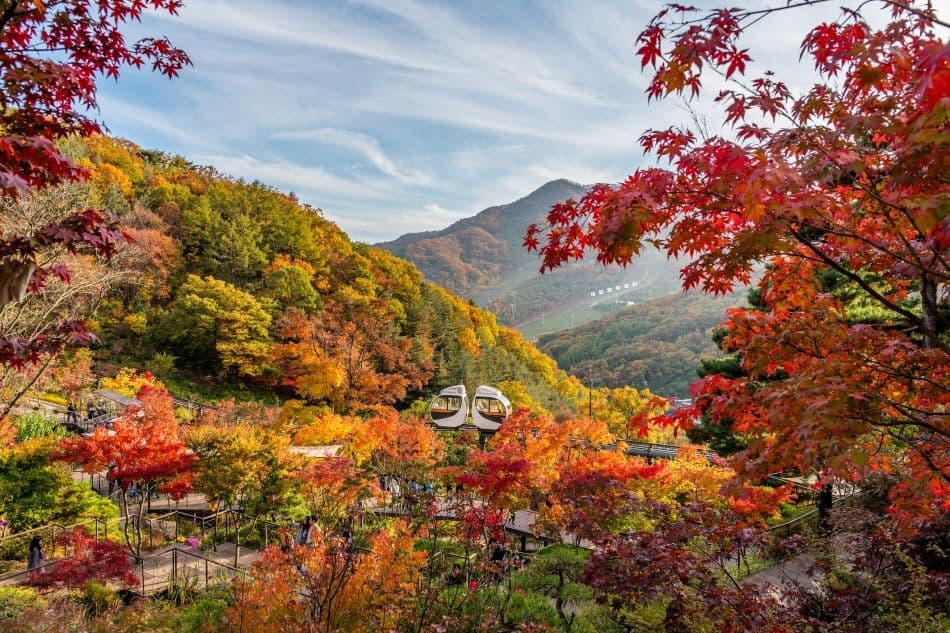
Autumn is prime time. The leaves turn red and gold, the air cools, and the crowds thin out compared to spring cherry blossom season. However, holidays disrupt everything.
Christmas Day (Dec 25, 2026) and New Year’s Day (Jan 1, 2027) see domestic travel spikes. Book early. Prices jump. Availability vanishes. More critical is the Lunar New Year period in February 2027. From Feb 6 to Feb 9, Korea shuts down. Trains fill up. Buses change schedules. Many shops close. If you’re traveling then, expect higher demand and potential service gaps. Reserve your stay months in advance. Confirm opening hours directly. Don’t assume your favorite snack shop will be open.
For solo travelers and digital nomads seeking quiet, mid-week visits in late autumn offer the best balance of weather and solitude. Families might prefer holiday breaks, but prepare for chaos. Slow travelers should aim for Tuesday through Thursday. You’ll get better rates and more attention from hosts.
FAQ
Do I need a visa for short stays? Check your nationality. Many countries allow visa-free entry for tourism for up to 90 days. Verify current rules with the Korean Embassy. Don’t rely on outdated forum posts. Rules change.
Is it safe to stay in rural pensions alone? Yes. Crime rates are low. The bigger risk is getting stranded due to language barriers or missed buses. Have a backup plan. Save your host’s number. Keep a charged power bank. Safety is physical; convenience is logistical.
Can I use my credit card everywhere? No. Carry cash. Small vendors, rural buses, and family-run lodgings often take cash only. Withdraw money in the city center before heading out.