Skip the rushed safari circuit. In western Kenya’s Bungoma, travelers over fifty find a slower pace, rich Bukusu culture, and accessible greenery without the crowds of the Rift Valley.
The matatu from Eldoret arrives at the Bungoma bus stage just as the midday heat begins to settle into the red dust. It lacks the frantic chaos of Nairobi or the polished, tourist-heavy bustle of Mombasa. For travelers over fifty, this town offers a different kind of rhythm—one defined by conversation, community, and the deliberate pace of agricultural life. I have spent years chasing leopards in the African bush and waiting for elephants in Amboseli, but there is a distinct comfort in sitting on a plastic chair outside a local shop, watching the light change over the sugarcane fields, with nowhere urgent to be.
Bungoma does not scream for your attention. It waits. This makes it an ideal anchor point for mature travelers who prefer depth over checklist tourism. You are not here to sprint through a national park; you are here to understand how a region feeds itself, where the tea comes from, and why the Bukusu people speak of their land with such quiet pride. The infrastructure is modest, but the hospitality is genuine. If you can navigate a few logistical hurdles, the reward is a travel experience that feels human-sized rather than industrialized.
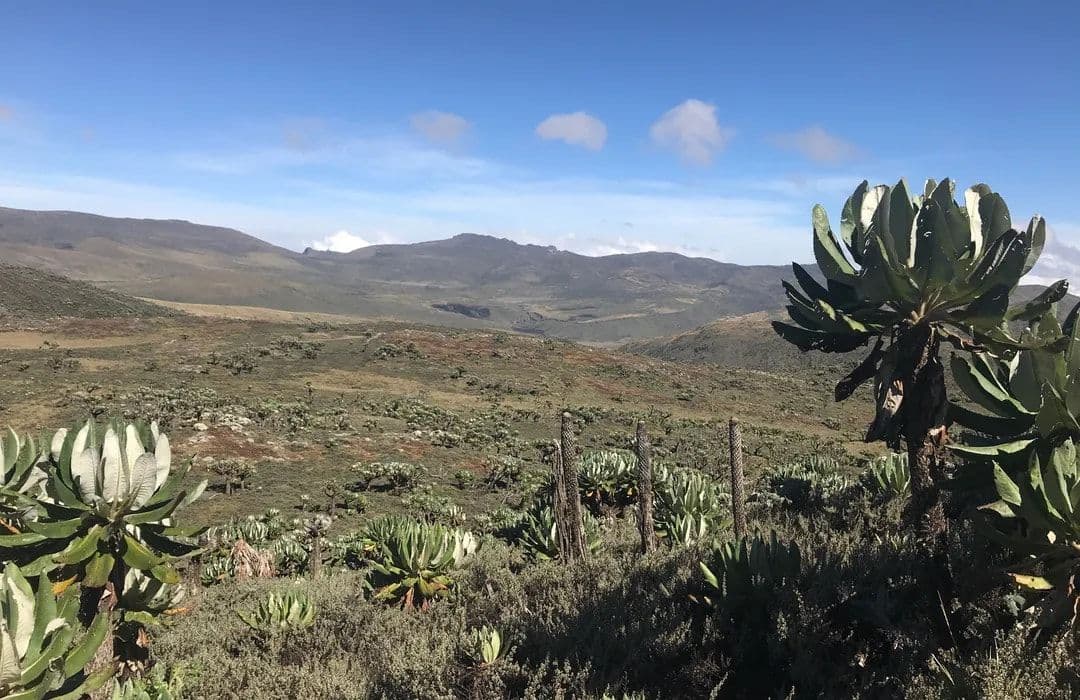
Why Slow Travel Works Here
For those over fifty, travel fatigue is real. The constant movement of standard tour packages—early wake-ups, long drives, crowded viewpoints—can wear thin quickly. Bungoma County, located in western Kenya near the Ugandan border, offers a counter-narrative. The terrain is gentle compared to the highlands of Aberdares or the rugged slopes of Mount Elgon nearby. While the mountain itself is a major draw, the county town serves as a basecamp for low-impact exploration.
You do not need to hike ten kilometers to feel connected to nature. Walking through the local markets or visiting small-scale farms provides immediate sensory engagement. The smell of roasting maize, the texture of fresh cane juice, the sound of Luhya and Bukusu languages blending in market chatter—these details create a sense of place that no bus tour can replicate. The pace allows for rest. You can spend a morning observing daily life, nap during the hottest part of the day, and engage socially in the evening when temperatures drop. This circadian alignment is crucial for older travelers whose energy levels may not match the relentless schedule of younger backpackers.
Furthermore, the social fabric here is built on respect for elders. In Bukusu culture, age commands deference. As a visitor over fifty, you will likely find doors opening more easily here than in youth-oriented destinations. Conversations are longer, more personal, and less transactional. You are not just a customer buying a souvenir; you are a guest being welcomed into a shared space.
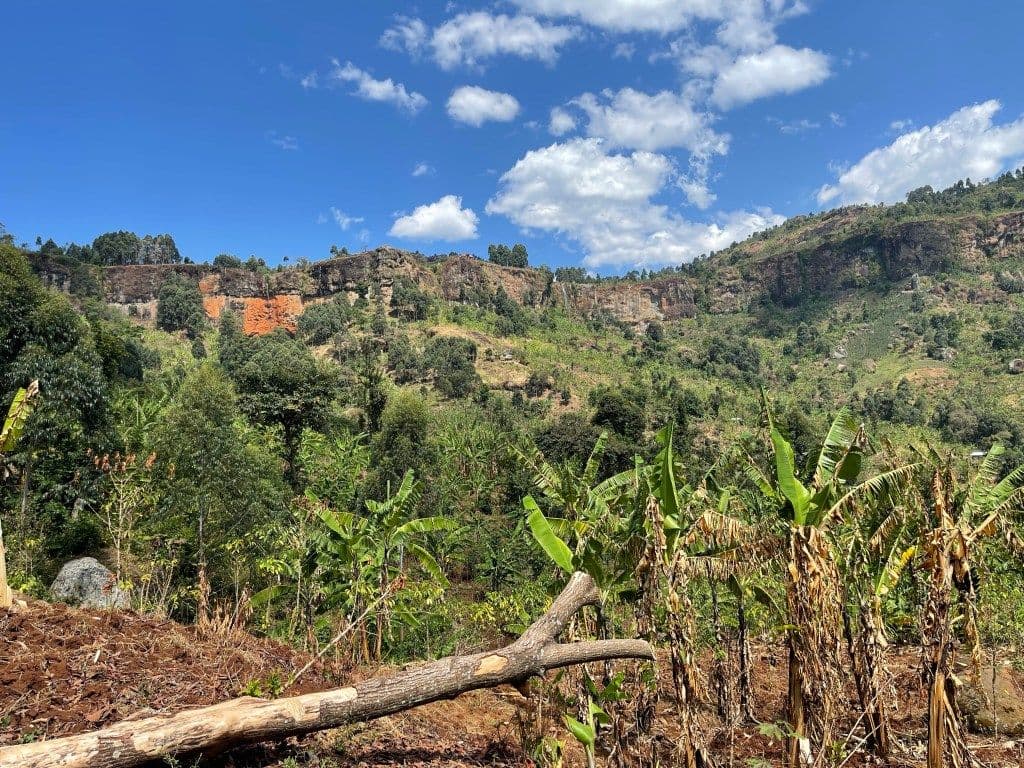
Navigating the Town and Region
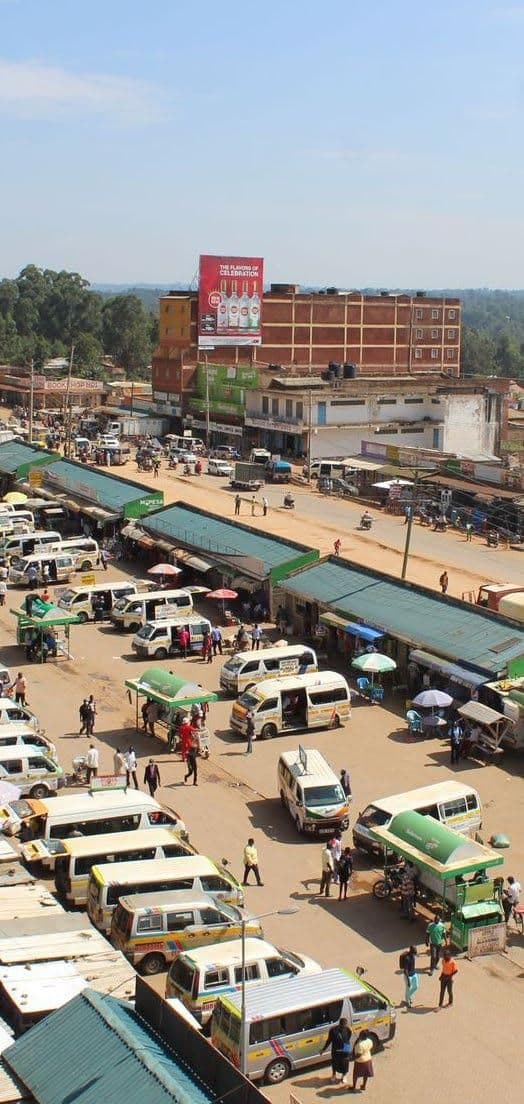
Getting around Bungoma requires patience. There is no confirmed railway station currently serving regular passenger trains in the town center, despite historical lines in the region. Most visitors arrive via road from Kisumu or Eldoret. Matatus (minibuses) are the primary mode of transport, but they can be cramped and fast. For travelers prioritizing comfort, hiring a private driver or using ride-hailing apps like Uber (where available) or Bolt is advisable. Costs vary, but expect to pay a premium for air-conditioned vehicles, which are rare in local transit.
Road conditions can be uneven. Potholes are common on secondary routes, so choosing a vehicle with good suspension is wise. If you plan to visit nearby sites, such as the edges of Kakamega Forest or the foothills of Mount Elgon, negotiate fares upfront. Day trips should be limited to half-days to avoid exhaustion. The distances are short, but the roads are slow. A twenty-kilometer drive might take forty-five minutes due to traffic, livestock, and rough patches. Plan for this delay. It is part of the journey, not a hindrance.
Accessibility varies widely. Sidewalks are often non-existent or obstructed. Public buildings rarely have elevators. If mobility is a concern, stick to ground-floor accommodations and flat terrain. Avoid steep trails unless guided by someone familiar with alternative paths. The key is to move slowly and observe carefully. Rushing leads to falls and frustration.
Food and Cultural Immersion
Food in Bungoma is hearty, rooted in agriculture, and largely unpretentious. While specific named dishes were not verified in recent searches, the staples of western Kenya dominate: ugali (maize porridge), sukuma wiki (collard greens), and beans. These are served alongside grilled meat or fish sourced from regional lakes, depending on proximity. For travelers over fifty, digestion can be sensitive to unfamiliar spices or water quality. Stick to cooked foods and bottled water. Street food is delicious but risky if hygiene standards are unclear. Look for vendors with high turnover—the fresher the food, the safer it is.
Cultural immersion happens in the marketplace, not in museums. Visit the central market area early in the morning. Watch the farmers bring in produce. Ask questions. The Bukusu people are proud of their heritage, particularly their traditional ceremonies and music. If you encounter a cultural performance, stay seated and listen. Do not rush to photograph every moment. Observe first. Respect is shown through attention, not equipment.
Alcohol consumption should be moderate. Local brews can be potent, and dehydration sets in quickly in the equatorial climate. Tea and coffee are grown nearby, offering fresh, aromatic alternatives. Enjoying a cup of locally sourced coffee while watching the rain approach is a simple, profound pleasure. It grounds you in the season, reminding you that nature dictates the schedule here, not your itinerary.
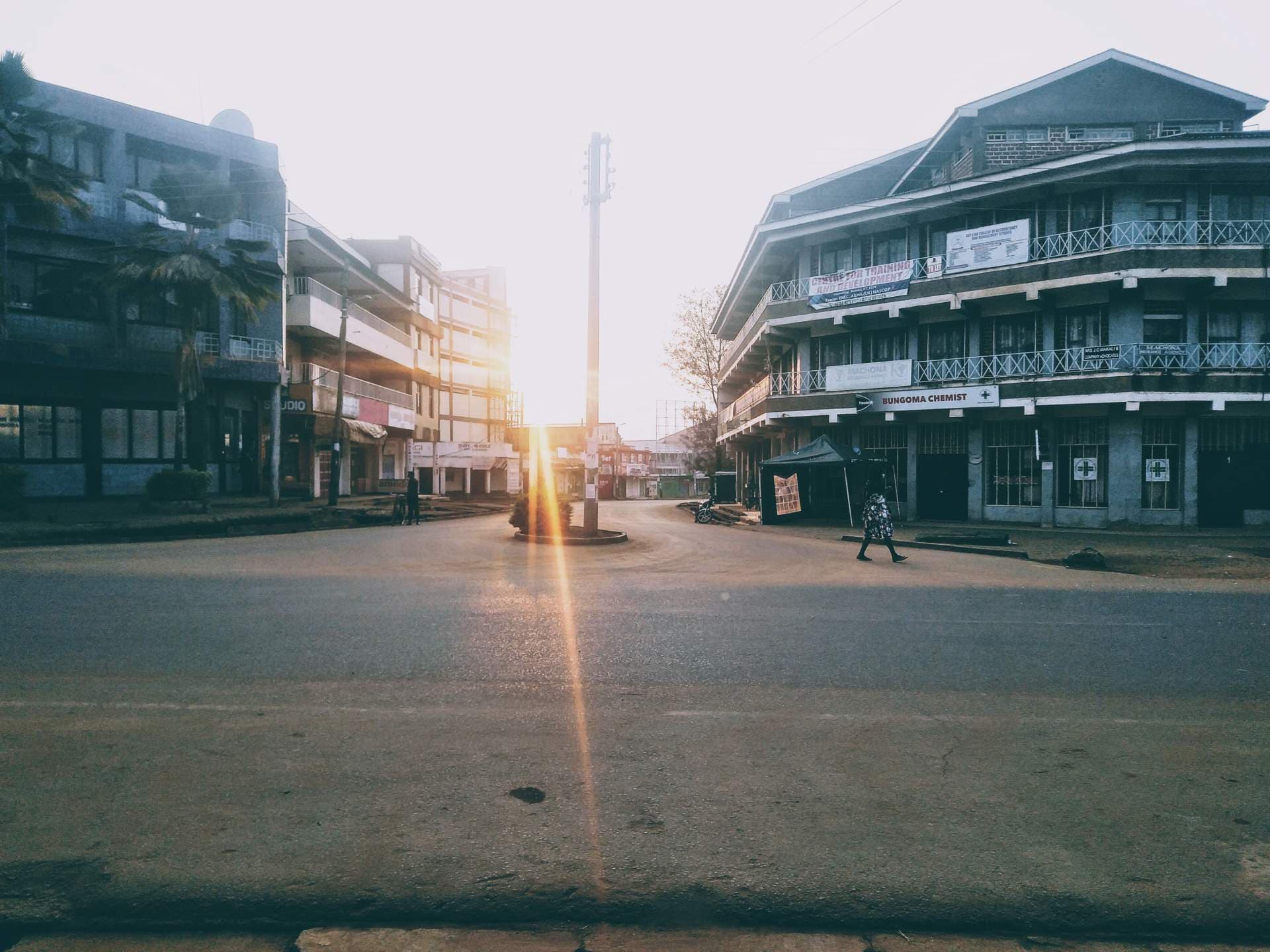
When to Go and Who Should Come
Timing matters. Western Kenya experiences two rainy seasons. Avoid the heavy rains of April–May and October–November if you dislike mud and flooded roads. The dry months of January–March and June–September offer better visibility and easier travel. However, "dry" still means occasional showers. Pack layers. Temperatures are mild year-round due to elevation, but nights can be cool.
Holidays impact travel logistics significantly. Jamhuri Day (December 12th) is approaching. Expect increased domestic travel, higher prices for accommodation, and crowded public spaces. Book lodging well in advance. Christmas and New Year’s see similar spikes. If you prefer solitude, aim for weekdays between holidays. Good Friday and Easter Monday also disrupt services, with many businesses closed or operating on reduced hours.
This destination suits travelers who value authenticity over luxury. Five-star spas and curated experiences are scarce here. Readers who enjoy reading the landscape, talking to locals, and accepting imperfection will find their niche. Solo travelers over fifty will find safety in numbers within the town center but should exercise caution at night. Couples may appreciate the romantic simplicity of rural walks. Families with adult children can bond over shared learning about agricultural traditions.
Practical FAQs
Do I need a visa? Most international visitors require an eTA (Electronic Travel Authorization) before arrival. Apply online through the official Kenyan immigration portal. Processing times vary, so apply weeks in advance. Keep digital and physical copies.
Is English spoken? Yes, English is an official language and widely understood in urban areas and among educated locals. Learning a few Swahili greetings ("Jambo," "Asante") goes a long way in building rapport.
What is the currency situation? Kenya uses the Kenyan Shilling (KES). Card acceptance is growing in hotels and larger shops, but cash is king in markets and rural areas. ATMs are available in Bungoma town, but carry small bills for transactions under $10 equivalent.