Skip the capital's crowds. Alborz offers mountain air, deep-rooted food traditions, and a direct rail link to Tehran for a sharper, slower cultural fix.
The Gateway, Not the Main Event
Forget the idea that Iran’s cultural heart beats exclusively in Tehran’s marble palaces. It also pulses just thirty kilometers west, in Alborz Province. This is Iran’s smallest province by land area, yet it is densely packed with a different kind of energy: the friction of a metropolis, Karaj, acting as the essential shoulder for the capital.
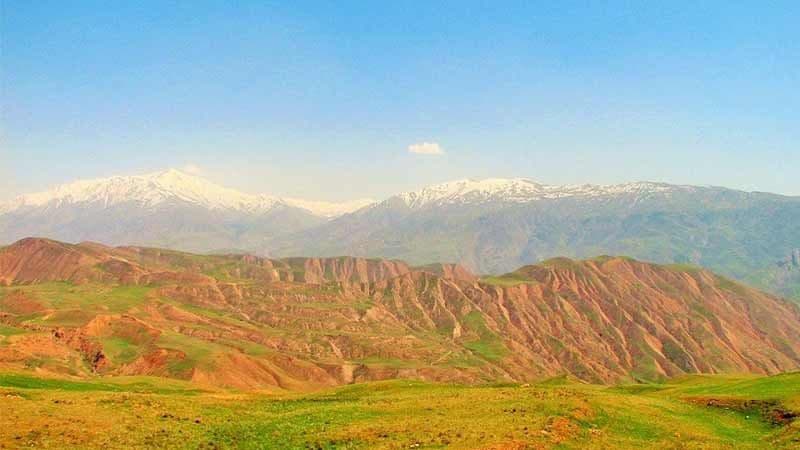
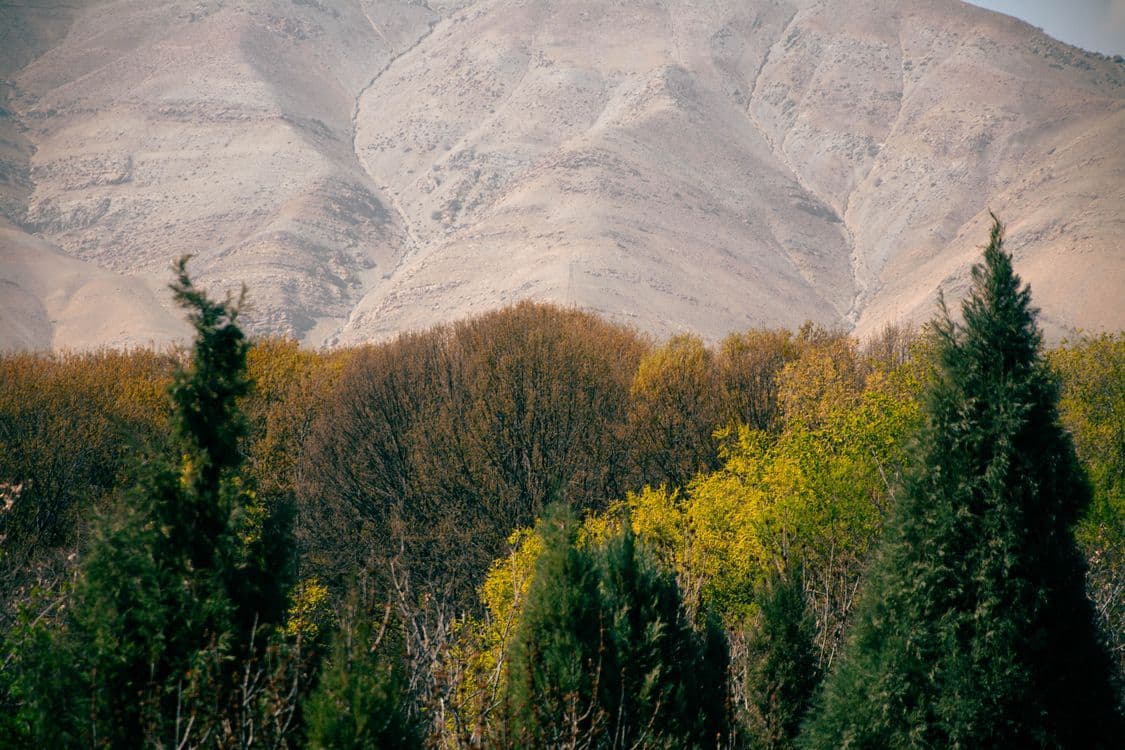
Karaj is a transit hub with a soul. You are not here for a two-day "authentic" retreat in the traditional sense. The city supports the surrounding mountain communities like Chaloos and the urban sprawl of Shahriar. For the traveler, this means you are standing in the exact zone where the lowland culture of Tehran meets the highland rhythms of the Alborz range. The elevation change is significant. You go from the smog-tinged air of the western suburbs to the coniferous silence of the forest in a matter of kilometers. This contrast is the cultural hook. It functions as a living, breathing edge-case of one of the world’s most congested megacities rather than a static museum.
Chitgar Park: The Forest in the Freeway
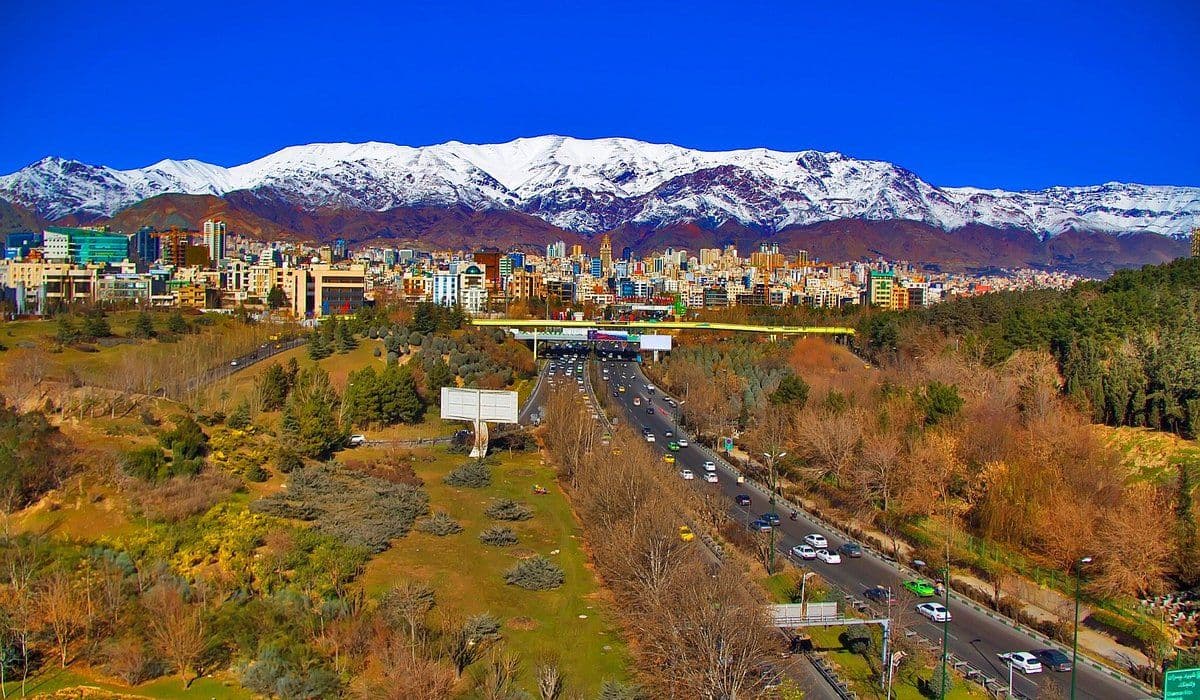
If you want to understand the cultural duality of Alborz, go to Chitgar Park. It is a 1,450-hectare coniferous forest that sits awkwardly, beautifully, alongside the Tehran–Karaj freeway. You can see the concrete river of traffic to your left and smell the pine needles under your feet. This space operates as a protected wilderness strip that survived the urban expansion, rather than a manicured city park.
The park is accessible via the freeway exit, but the cultural experience lies in the juxtaposition. Locals use it for hiking, birdwatching, and quiet walks away from the noise of Karaj. It is a rare green lung for the millions who live in the province. When you walk the trails, you are not just seeing trees; you are seeing the infrastructure of survival in a high-density region. The sound of the wind in the firs is a deliberate break from the constant hum of the city. It is the province’s primary outdoor cultural asset, offering a sensory reset that no gallery in Tehran can provide.
Eating the Mountain’s Shadow
The food scene in Karaj reflects its role as a gateway. You will not find obscure, village-specific dishes here that you cannot get in Tehran. Instead, you get the regional staples that feed a large, working population. The cuisine is central Iranian, heavily influenced by Tehran-style cooking but with a mountain-adjacent robustness.
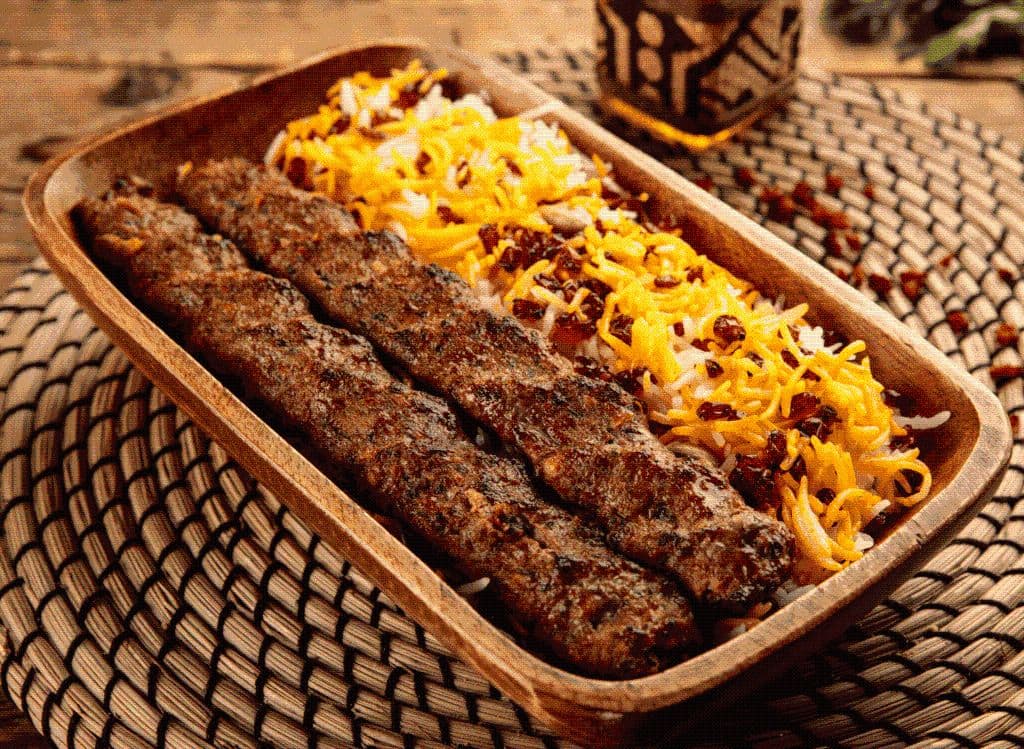
Haleem is a standout. It is a hearty, thick soup, often served with bread and garnishes, providing the caloric density needed for the variable weather of the province. Sweet-and-sour stews are another regional favorite, balancing the richness of the meat with the sharpness of pomegranate molasses or vinegar. For the main course, chelo kebab—grilled meat with steamed basmati rice—is the default. It is simple, effective, and widely available.
During the Nowruz season, you might also find Samanu, a traditional sweet made from wheat sprouts. It is a symbol of renewal, prepared in the last days of the year. These dishes represent the culinary language of the region, even if they are shared across wider parts of Iran. The food is functional, filling, and deeply traditional. Expect to eat well, but do not expect innovation. You are eating the food that has sustained the workers and commuters of this province for generations.
Getting Around: The Rail Link
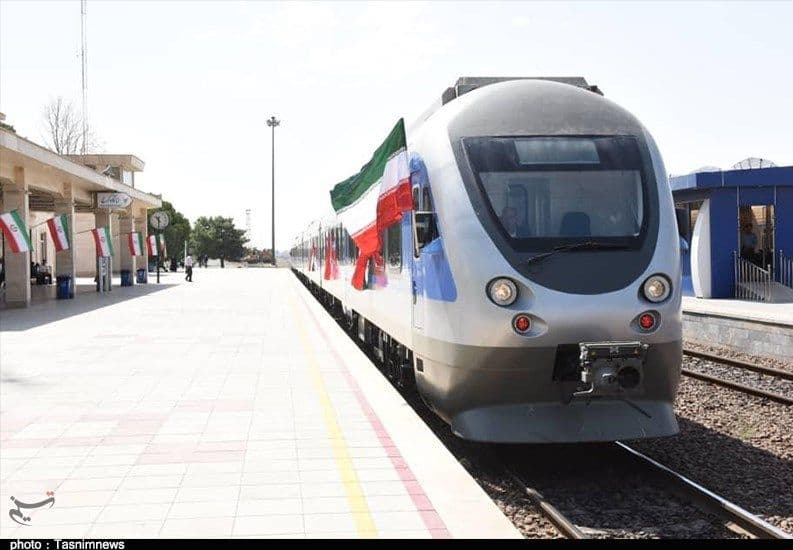
You do not need a car to experience Alborz’s cultural core, though traffic is a major factor if you do drive. The heavy congestion on the main routes connecting Karaj to Tehran is a well-known reality. The alternative is the rail. Karaj railway station, owned by the IRI Railway, is located 1.8 km south of the Karaj Metro Station. This is the primary rail interface with Tehran.
The Tehran–Karaj railway is a vital artery. There are discussions and plans for a four-line expansion to handle the volume, reflecting the sheer scale of daily movement in this corridor. For the traveler, the station is your anchor. It connects you to the intercity network and the local commuter flows. The Karaj Metro Line One also runs through the city, stopping at Chitgar Park and Azadi Stadium before continuing eastward to become Tehran Metro Line 5. This integration means you can hop on a metro, ride through the forest park, and emerge in Tehran within an hour. The transit infrastructure serves as a cultural indicator of how Alborz functions as the capital’s western arm.
Timing Your Visit and Local Rhythms
The best time to visit is autumn. The summer heat of the lowlands is intense, but the mountain proximity in Alborz provides a cooler escape. However, the cultural calendar is dictated by the Iranian Islamic calendar, which is lunar. This means holidays shift every year.
The next major holiday is the Martyrdom of Fatima (estimated) on November 13, 2026. This is a significant day of mourning and remembrance. Expect higher demand for lodging and potential crowding in public spaces, particularly in Karaj. Booking early is essential if you are traveling in the two weeks prior to this date. Following this, the Birthday of Ali (estimated) falls on December 22, 2026, and Isra' and Mi'raj (estimated) on January 5, 2027. These dates impact the cultural atmosphere; some businesses may close, and the mood shifts from celebratory to reflective.
For a slow travel experience, aim for late September or early October. The air is crisp, the traffic is slightly less punishing than in the peak summer months, and the cultural events are less intense. If you are a solo traveler or a family, Karaj is manageable. The city is not as sprawling or chaotic as Tehran, and the rail link makes it easy to combine a cultural day in Alborz with a night in the capital. Allow at least two days to fully absorb the contrast between the forest park, the urban core, and the transit infrastructure.
Practical Questions for Alborz
Do I need a car to see Alborz? No. The Karaj Metro Line One and the Tehran–Karaj railway provide sufficient access to the main cultural sites like Chitgar Park. Driving into Karaj from Tehran can be frustrating due to heavy traffic on the freeway. Public transit is often faster and less stressful.
What is the best currency for small purchases? The Iranian Rial (IRR) is the standard currency. While the US Dollar and Euro are exchanged, the exchange rates fluctuate. It is best to exchange small amounts of Rial for local purchases like food at stalls or small shops. Larger hotels and restaurants may accept cards, but cash is king for the cultural experience.
Is Alborz safe for solo travelers? Generally, yes. Karaj is a major city with a strong police presence. As with any large urban area in Iran, be aware of your surroundings, especially in crowded transit hubs like the Karaj Metro Station. The cultural norms are conservative; dress modestly, particularly in public parks and near religious sites.