Skeldon, Guyana, doesn't do snow, and it doesn't do dry in the northern "winter." Here's how to pack, plan, and actually enjoy the wet season on the Corentyne.
Most travelers think of winter as the season to chase sunshine. Skeldon, Guyana, a small settlement wedged on the Corentyne River estuary near the Suriname border, has a different opinion. Between November and February, the rains ease up enough for the muddy roads to firm, and the whole place exhales. That's the window birdwatchers and slow travelers wait for — when the wetlands come alive and the market stalls pull out their curries.
You won't find powder here. You'll find a town that quietly becomes one of the most pleasant times of year to be stuck in it, rain boots and all.
## Where the Wetlands Come Alive
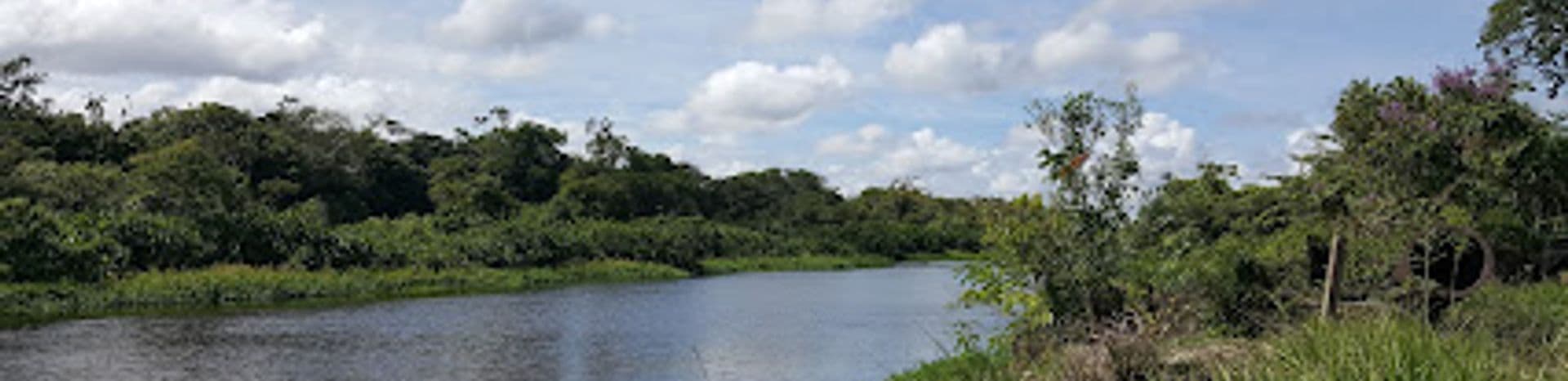
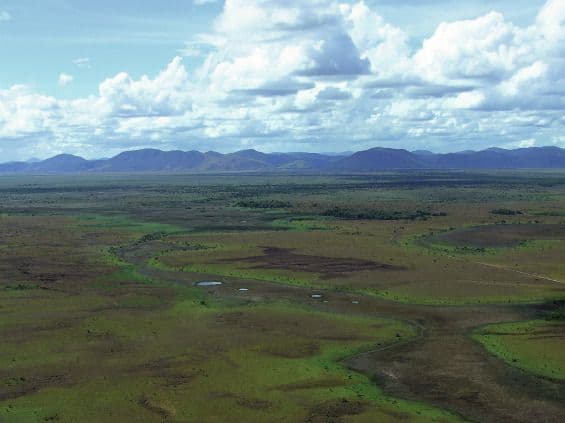
Skeldon sits at the mouth of the Corentyne River, the waterway that draws the line between Guyana and Suriname. It's not a dramatic panorama; it's a working river town with a riverbank, some shacks, and a market that smells like woodsmoke and pepper. The real draw is the surrounding wetlands, home to a surprising number of bird species, and the reason people make the trip out to East Berbice-Corentyne in the first place.
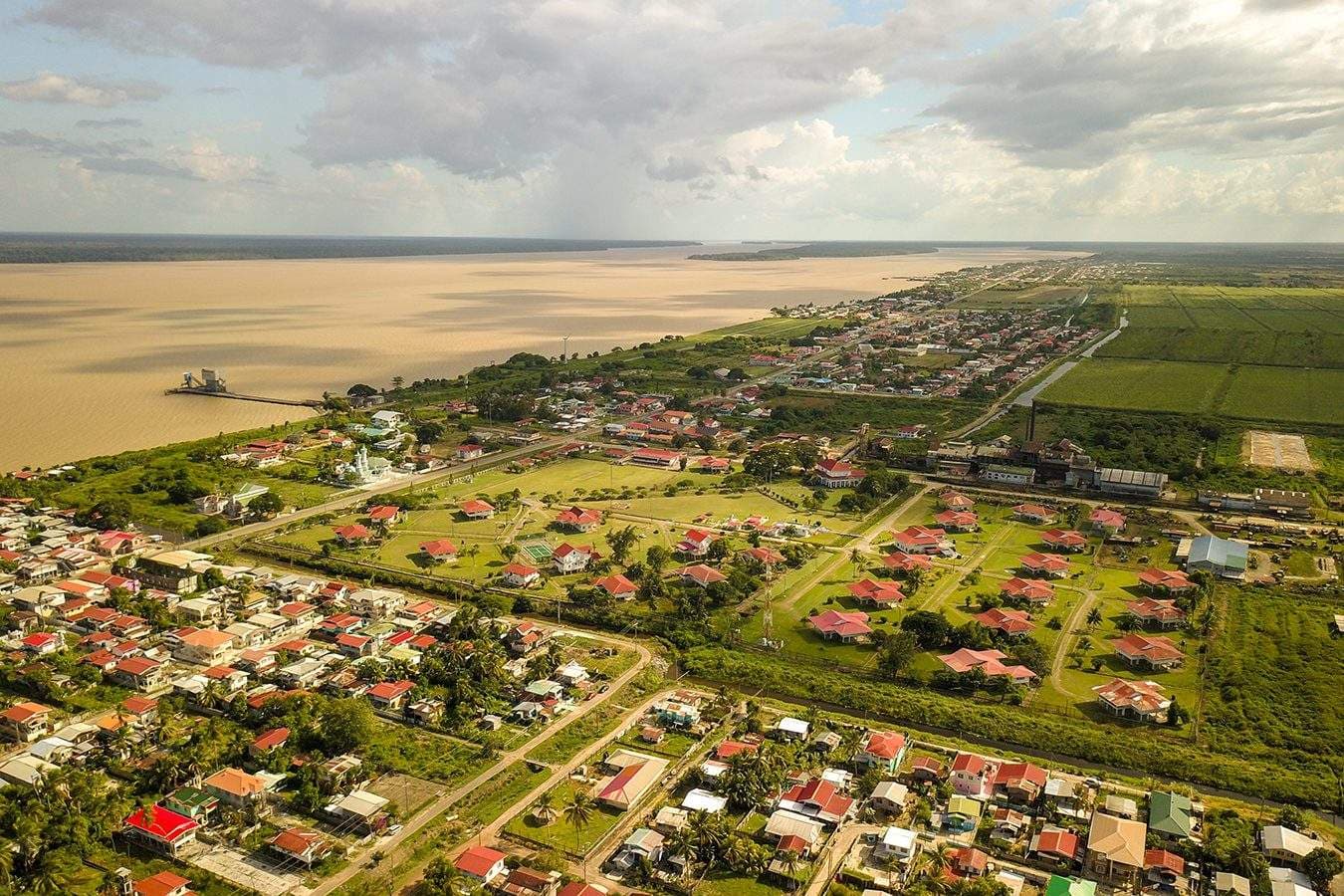
The Corentyne estuary is where fresh river water meets the Atlantic, and that brackish sweet spot is a magnet for waders, herons, and anything with wings that likes a muddy shoreline. Bring binoculars. Bring patience. The birds aren't going to pose.
This is also the territory of #79 Village (Village Number Seventy-Nine), the rural locality that rings Skeldon — a scattering of farms, backroads, and sugar-country quiet. It's the kind of place where "sightseeing" means pointing at a horizon and hoping.
## The Market: Skeldon's Best Reason to Show Up
The Skeldon Market is the town's pulse. It's not pretty, and it doesn't try to be. It's a cluster of food stalls where you can get a proper meal without leaving the country, let alone the settlement.
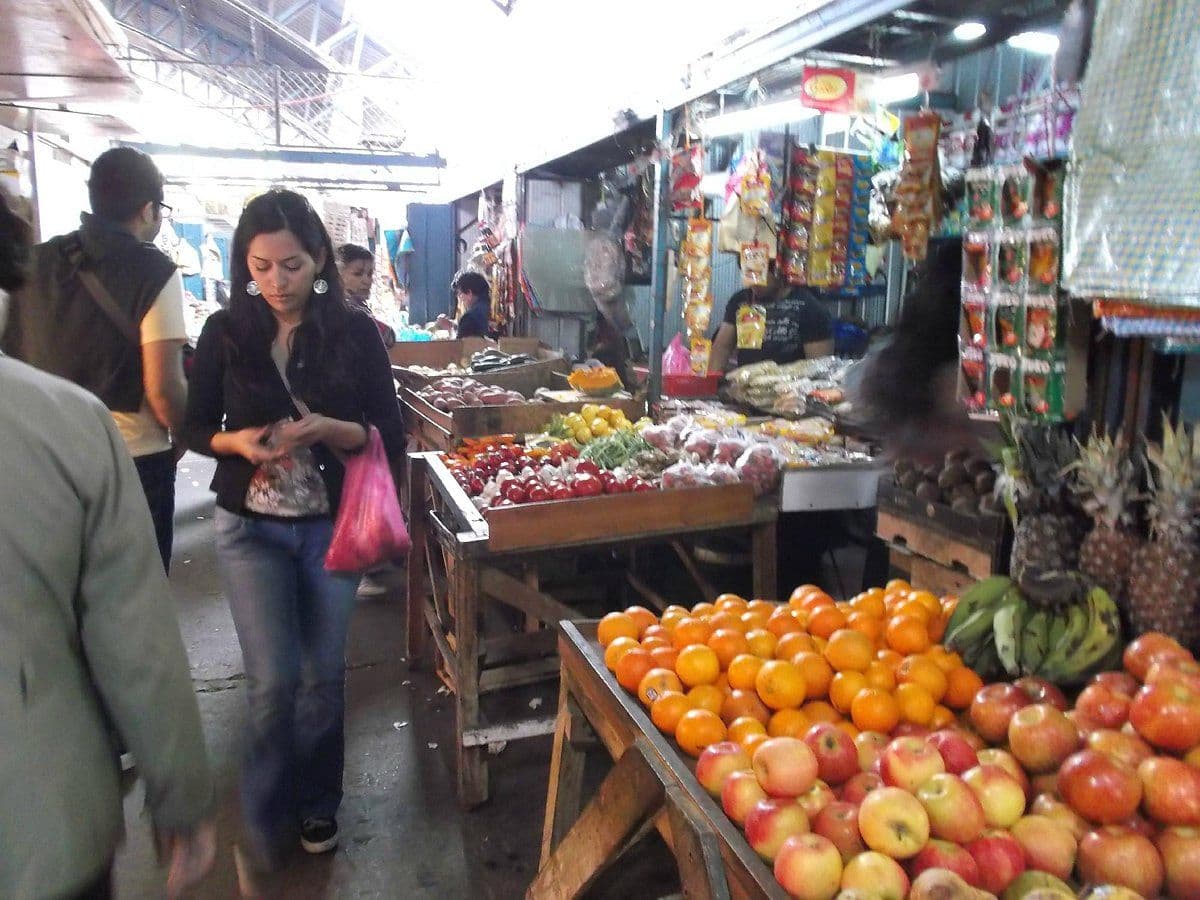
Here's what's actually on offer: chicken curry, roti, and pepperpot — pepperpot being the traditional Guyanese dish that's slow-cooked, slightly sweet, and genuinely worth the trip. You eat it there, standing or on a plastic chair, while someone two stalls down argues with their radio. It's the best three dollars you'll spend in the region.
For something a bit further afield, there's Creole food served at Zabeeda's Halal restaurant in the Corriverton and Skeldon area — a short hop down the coast. Corriverton and Springlands are both part of the East Berbice-Corentyne District, the same district Skeldon belongs to, so the whole stretch of coast shares one administrative identity. The point is: you're well fed here, and the food is the reason.
## Getting Around (And Getting There)
Skeldon is small enough that you mostly move at walking speed. Local transport runs on taxis, minibuses, and bicycles — taxis are described as readily available and relatively inexpensive for short distances, which is exactly the kind of infrastructure a place like this needs. A ride to the market won't break the bank; a ride to New Amsterdam might.
New Amsterdam is your real gateway, sitting roughly 74 km east of Skeldon. That's the town with the airport connections, the bigger supermarkets, and the taxi ranks. From there, the drive west along the coast road toward the Corentyne takes a couple of hours depending on the roads and the season.
A note on the railway: Guyana's historic Corentyne sugar railway served this corner of the country, and it's tempting to assume Skeldon had its own stop. But no authoritative source I found confirms a station line actually serving Skeldon, so don't plan a scenic train ride on the strength of a hunch. The road is the reality.
## What To Pack For the "Dry" Season
Here's the joke: Skeldon's winter is still wet. The northern-hemisphere idea of a dry winter doesn't travel well to the Guiana coast. What actually happens between November and February is that the heaviest rains let up just enough for the season to feel tolerable — and travelplanner's guidance is that summer tends to be the better window for outdoor activities anyway.
So pack for both. A lightweight rain jacket that breathes, quick-dry trousers, and footwear you don't mind drying out. Sunscreen, because when the clouds part over the estuary the light is merciless. And a reusable water bottle, since staying hydrated matters more here than it does back home.
If you're a birdwatcher, the wetlands reward the early hours. Go at first light, when the waterbirds are feeding and the air is cool and damp. Midday is when the heat and the flies win.
## When To Go and Who It's For
The honest answer is that Skeldon is a dry-weather town with a wet-weather bonus. Spring and autumn offer the mildest conditions and the fewest crowds, while summer draws the travelers who want to be outdoors in the green, growing season. Winter — November through February — sits in between: the rains thin out, the roads firm, and the birding sharpens.
There are no major holidays on the record in the near future to plan around, which is a small mercy — Skeldon never gets the crush of a festival town anyway. This is a place for solo travelers, birders, and anyone who'd rather eat chicken curry at a market stall than a restaurant with a tablecloth. Stay a night or two; give yourself time to sit with the river and the radio-arguing vendor.
Practical Questions
How do I get to Skeldon? Fly into New Amsterdam, roughly 74 km east, then take a taxi or bus west along the coast road toward the Corentyne. It's a drive, not a sprint.
Is it expensive to get around town? No. Taxis are available and cheap for short hops, and minibuses and bicycles cover the rest. Budget little for local transport, a bit more for the New Amsterdam leg.
Do I need to book ahead? Not much. Skeldon is small and low-key; the main "booking" is just deciding when the roads are passable. Check the rain before you drive in from New Amsterdam.