Practical advice for fueling up in Zīrkūh, South Khorasan. No fluff, just where to find decent chai and how to handle the heat.
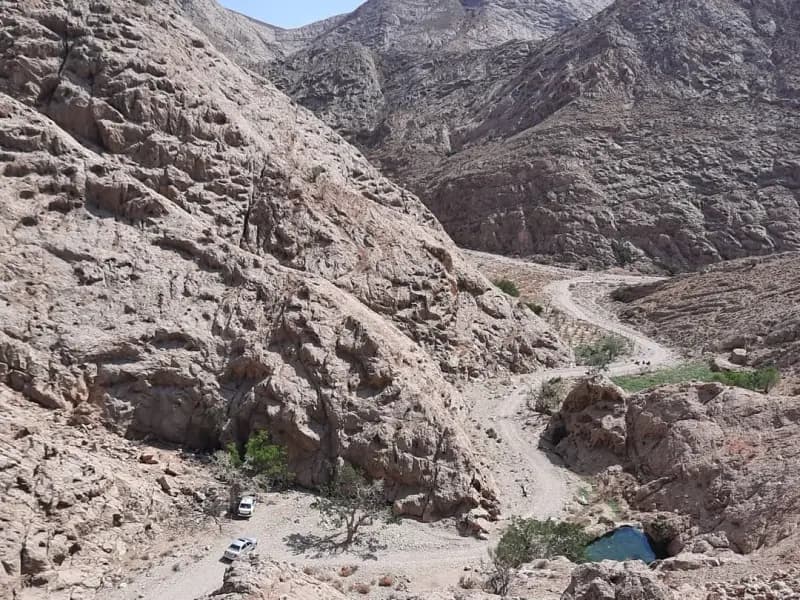
The coffee culture here centers on survival on the road rather than artisanal pour-overs or third-wave aesthetics. In Shahrestān-e Zīrkūh, a stop for tea serves as a logistical necessity instead of a lifestyle choice. You pull in, drink strong black tea with sugar cubes, and keep moving. The town sits in South Khorasan province, a region defined by dry hills and sparse vegetation, making local chai houses the primary hubs for rest and hydration. If you’re driving through, the rhythm of the day depends on these small, open-fronted establishments. They provide the only reliable infrastructure for a quick break between long stretches of highway.
The Reality of the Local Chai House
Forget the Western idea of a café. In Zīrkūh, the "coffee shop" equivalent is the traditional chai khaneh. These are simple structures, often just a covered area with plastic chairs and a large samovar humming in the corner. The tea itself is usually a robust black variety, brewed strong and served in small glass cups without handles. It’s hot, bitter if you skip the sugar, and effective. The sugar cubes are often held between the teeth while sipping, a technique that keeps the tea hot longer and dissolves the sugar gradually. This serves as efficient engineering for a hot climate rather than a pretentious ritual.
The atmosphere is loud. You’ll hear the clatter of glass on saucers, the hiss of the samovar, and the low hum of conversation. It’s a place for drivers, local workers, and travelers passing through. The service is fast. You order, get your tea, pay, and leave. There’s rarely a queue, but there’s always a flow of people. If you’re looking for Wi-Fi or a quiet corner to work, you’ll be disappointed. These places are for drinking and talking. The light inside is often dim, contrasting sharply with the harsh glare outside, which makes the small glass of tea feel even more refreshing.
Logistics and Fuel Stops
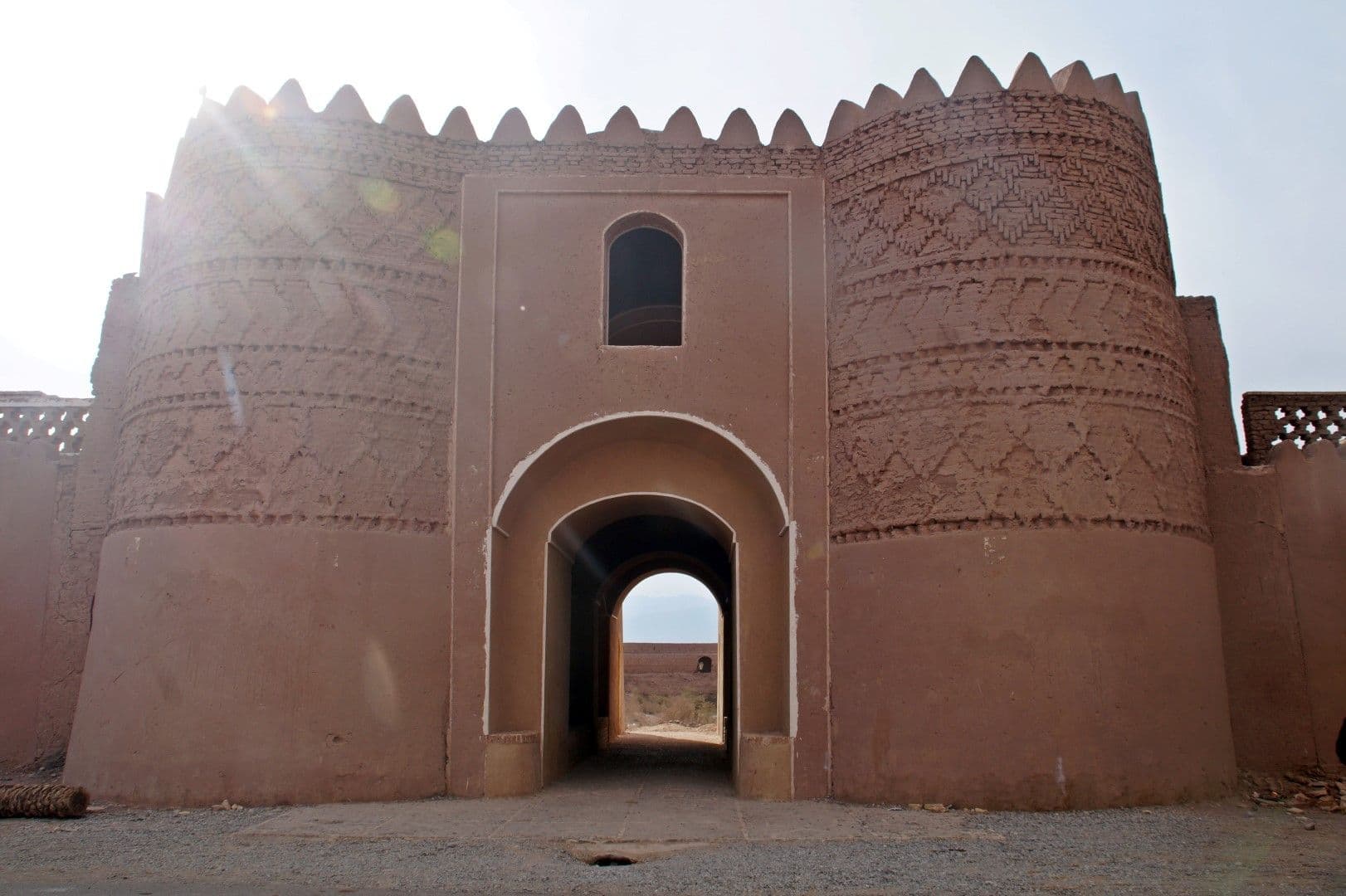
Zīrkūh is a waypoint. Most travelers hit this area when moving between Birjand and the eastern borders, or heading south toward the desert regions. The town itself is compact, so you won’t spend hours navigating. The main road cuts through the center, and the chai houses cluster along this artery. You don’t need a map to find them; follow the smell of brewing tea and the sound of voices. Parking is informal. You pull your vehicle to the side of the road, kill the engine, and hop out. There are no designated parking lots in the traditional sense, just spaces between other cars and trucks.
Fuel stations are spaced out across the province. In Zīrkūh, you’ll find basic petrol stations that often double as rest stops. The coffee here is secondary to the fuel. It is hot and fresh, though not specialty grade. If you’re driving a motorcycle, the chai khaneh is your best friend. You can stretch your legs, check your tires, and hydrate all in ten minutes. For car drivers, it’s a chance to cool down the engine and yourself. The transition from the dusty exterior to the shaded interior of the chai house is immediate and welcome.
Seasonal Timing and Comfort
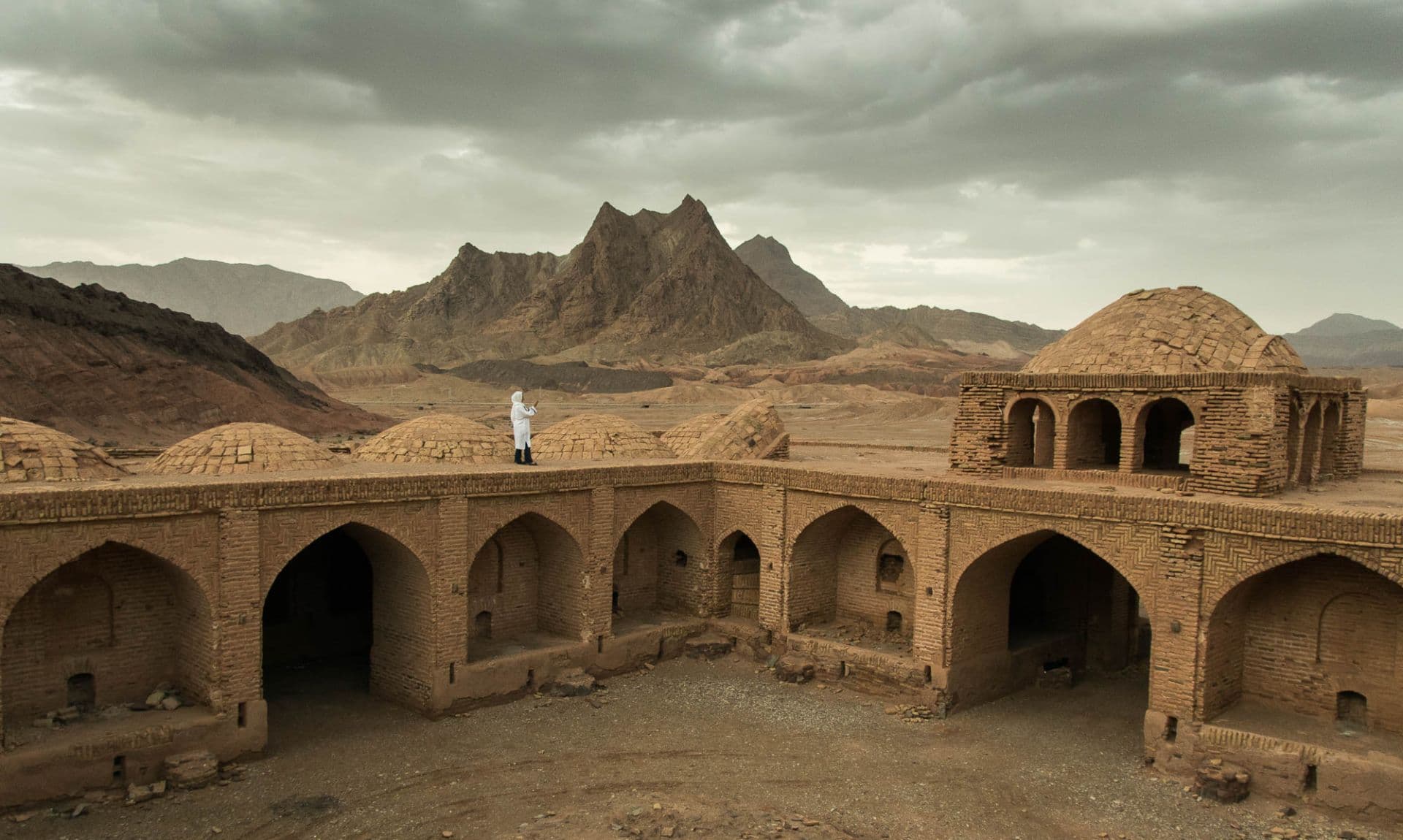
The climate in South Khorasan is dry and hot for much of the year. Autumn is arguably the best time to visit. The intense summer heat has broken, but the winter chill hasn’t fully set in. The air is crisp, and the light is golden, making the drive through the hills pleasant rather than punishing. During autumn, the chai houses are bustling. Locals are out enjoying the mild evenings, and travelers are passing through with fewer delays due to weather.
In winter, the temperature drops significantly, especially at night. The chai becomes even more essential, serving as a quick way to warm up. The samovars run continuously, and the tea is often served hotter than in summer. Summer visits require more hydration. You’ll drink more tea, and you’ll likely add more sugar to compensate for the energy drain. The shade is precious. Most chai houses have awnings or trees providing cover. Sit in the shade, drink slowly, and let your body adjust to the temperature difference.
Etiquette and Practical Tips
When you enter a chai khaneh, remove your shoes if there’s a carpeted area. This is standard practice in Iran and shows respect for the space. Greet the owner with a simple "Salam." It’s polite and opens the interaction. You don’t need to speak fluent Persian; basic greetings go a long way. When ordering, point to the tea or say "Chai." If you want sugar, gesture to the bowl of cubes. It’s straightforward.
Tipping is appreciated but not mandatory. Rounding up the bill is sufficient. Cash is king. While some places might accept card payments, many still prefer cash. Carry small bills to avoid hassle. If you’re traveling with others, share the tea pot if it’s offered, but individual cups are standard. The tea is strong, so if you’re sensitive to caffeine, ask for it weaker or drink it quickly. The goal is refreshment, not a prolonged caffeine buzz.
When to Go and Who It’s For
Plan your trip around the holiday schedule to avoid unexpected closures or crowds. Major religious observances follow the lunar calendar, shifting dates each year. Expect higher demand for accommodation and transport around these periods. Book ahead if you’re staying in the region. Increased local activity during these times can mean livelier chai houses but also more traffic on the roads.
This destination suits road trippers, motorcycle enthusiasts, and travelers who appreciate straightforward, no-nonsense hospitality. It’s for people who want to experience the rhythm of Iranian road life rather than those seeking luxury amenities or curated experiences. Stay for a night or just pass through for a tea break. The town is small enough to absorb quickly, but the culture of hospitality is deep. You’ll find genuine warmth in the simple act of sharing a hot drink.
FAQ
Is English spoken in Zīrkūh? Limited English is spoken. Basic Persian phrases are helpful. Most interactions are non-verbal or rely on simple gestures. Learn "Salam" (hello), "Mamnoon" (thank you), and "Chai" (tea).
What is the best time of day to visit? Late afternoon is ideal. The heat has subsided, and the chai houses are lively. Morning is good for a quick stop before the day gets busy. Evening is social and relaxed.
Do I need to book in advance? For chai houses, no. Walk in and sit down. For accommodation, yes, especially around holidays. The town is small, and options are limited.