Escape the heat. Macenta’s dry season offers crisp mountain air, accessible trails, and a pace of life that refuses to hurry.
There is a specific kind of silence that descends on Macenta when the rains stop. It is not the empty silence of a desert, but the held-breath quiet of a rainforest catching its breath. At 620 meters above sea level, this town in the Guinea Highlands does not just sit in the landscape; it leans into it. If you are looking for winter travel in the Northern Hemisphere, you are likely packing for snow. If you are looking for winter in Macenta, Guinea, you are packing for the dry season—a window of clarity in a place defined by humidity.
The air here, between November and April, has a bite to it. It is cool enough to warrant a light jacket in the evenings, a novelty in West Africa. The roads, usually slick with red mud, firm up. The mosquitoes, usually a chorus in your ear, take a brief recess. This is the time to move. This is the time to see what the greenery hides.
The Landscape: Rivers and Rainforest
Macenta is anchored by water. The Nianda River and the Makonda River do not just flow past the town; they converge near it, creating a hydrological knot that defines the local geography. You do not need to be a hydrologist to appreciate them. You just need to stand on the bank and listen to the rush of water cutting through the valley. The Nianda, in particular, is a working river, its currents used for transport and life, its banks lined with the lush, tangled vegetation of the primary rainforest.
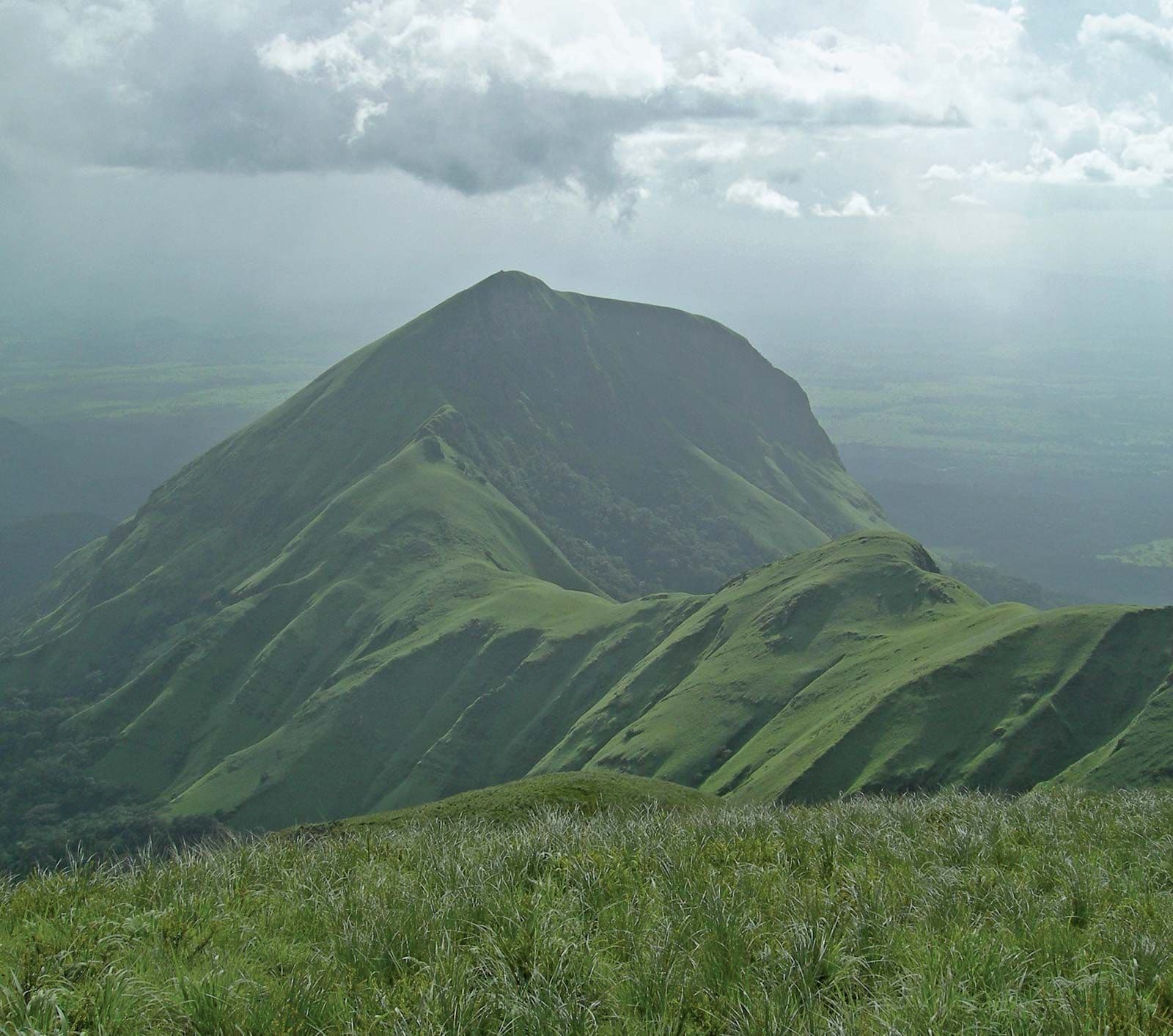
The Guinea Highlands provide the backdrop. These are not jagged, snow-capped peaks, but rolling, verdant shoulders of the earth. From the town, you look out over a canopy so dense it feels solid. The primary rainforest here is a living, breathing entity that surrounds the settlement. When the dry season hits, the light filters through the leaves differently—sharper, clearer. It is the best time to spot the nearby waterfalls, which swell during the rains but become accessible and visible in the dry months. You can hear them before you see them, a distant roar that guides you off the main roads and into the green.
Getting Around: Motos and Bush Taxis
Forget the train. Guinea’s rail network is a relic of the bauxite industry, focused on freight and limited to the vicinity of Conakry. In Macenta, the railway is a myth. Your legs, a motorcycle, or a shared taxi are your only options.
The motorcycle taxi, or moto, is the king of short distances. They are everywhere, hovering at intersections like metallic insects. A ride is cheap, fast, and requires a certain surrender of control. You hold on. The driver holds the handlebars. You both hold your breath when a pothole appears. For longer distances, within the region, the moto is still viable, though the suspension will test your spine.
For intercity travel, you rely on shared bush taxis. Macenta sits on the road connecting Nzérékoré to Guéckédou. This route is not a highway. Conditions vary. In the dry season, the dust is the enemy, coating your lungs and your clothes in a fine red powder. Travel is slow. It is dependent on the mood of the road and the patience of the other passengers. You do not book these in advance. You show up at the transport hub, you flag down a vehicle that is filling up, and you go. It is chaotic, inefficient, and strangely human. You share the ride with farmers, traders, and families. It is the best way to understand the rhythm of the region.
What to See: Markets and Villages
Macenta does not have a list of monuments. It has life. The local markets are the heart of the town. They function as supply chains rather than tourist traps. Here, you see the fruits of the highlands—mangoes, pineapples, and leafy greens that have no name in English. The air smells of woodsmoke, sweat, and ripe produce. The vendors do not speak to you in the scripted tones of a tourist guide. They speak to you as if you are a potential customer or a nuisance. This is honest.
Beyond the market stalls, there are traditional villages. These communities are where life follows the sun and the seasons. Visiting them requires respect and a guide. You do not just wander in. You ask. You listen. The architecture is simple, the social structures complex. The dry season makes these visits easier, as the paths are passable and the people are less confined to their compounds by the rain.
The nearby waterfalls, mentioned in every local conversation, are worth the trek. They are not Niagara. They are intimate, powerful, and surrounded by ferns and moss. In the dry season, the pools are clear and inviting. Swimming is common. The water is cold, a shock to the system after a day of dust and heat.
Food: The Taste of the Highlands
You will not find a menu in Macenta. You will find what is available. The local cuisine is a reflection of the land. Rice is the staple, served with sauces that vary by household and harvest. Peanut sauce is a constant, rich and earthy. Grilled fish, if available from the rivers, is a treat. Vegetables are fresh, often bitter, and cooked with palm oil.
Eating is a communal act. You do not order a plate. You share a bowl. You use your right hand. You eat with the family or the group. It is messy, loud, and delicious. Do not expect hygiene standards that match a European hotel. Expect flavor. Expect generosity. The food is not "exotic" for the sake of it. It is fuel. It is tradition. It is good.
When to Go and Who It Is For
The dry season, from November to April, is the window. June to October is the rainy season, and Macenta becomes an island of mud. The roads become rivers. The mosquitoes return with a vengeance. Unless you are prepared to sit in a house and listen to the rain, avoid the wet months.
There are no major holidays in the next six months that will disrupt travel. The town does not swell with tourists. It swells with life. This destination is not for the impatient. It is not for those who need Wi-Fi, air conditioning, and certainty. It is for the slow traveler. It is for those who want to see a place as it is, not as it is marketed.
Families can visit, but they must be prepared for rough conditions. Solo travelers will find the community welcoming, provided they are respectful and aware. The best length of stay is three to five days. Enough to settle in, to visit the market, to take a moto to the falls, to talk to the locals. Longer, and you may find the lack of amenities wearing. Shorter, and you will miss the point.
Practical FAQ
Do I need a visa? Yes. Guinea requires a visa for most nationalities. Check with the nearest Guinean embassy or consulate for current requirements. Do not assume you can get one on arrival without prior arrangement.
What money should I bring? The Guinean franc is the local currency. US dollars are widely accepted for larger transactions, but small change is essential for markets and motos. Bring small bills. ATMs are rare and unreliable in Macenta.
Is it safe? Macenta is generally safe for travelers. Violent crime against tourists is low. Petty theft can occur. Use common sense. Do not walk alone at night. Respect local customs. The greatest danger is likely the road, not the people.
What should I pack? Light, breathable clothing. A light jacket for the evenings. Sturdy shoes for the mud and rocks. Insect repellent, even in the dry season. A headlamp. Patience.