Skip the tourist traps. In Gounou Gaya, the charm lies in raw, unpolished rural life. Here is how to navigate this quiet Chadian hub with practical ease.
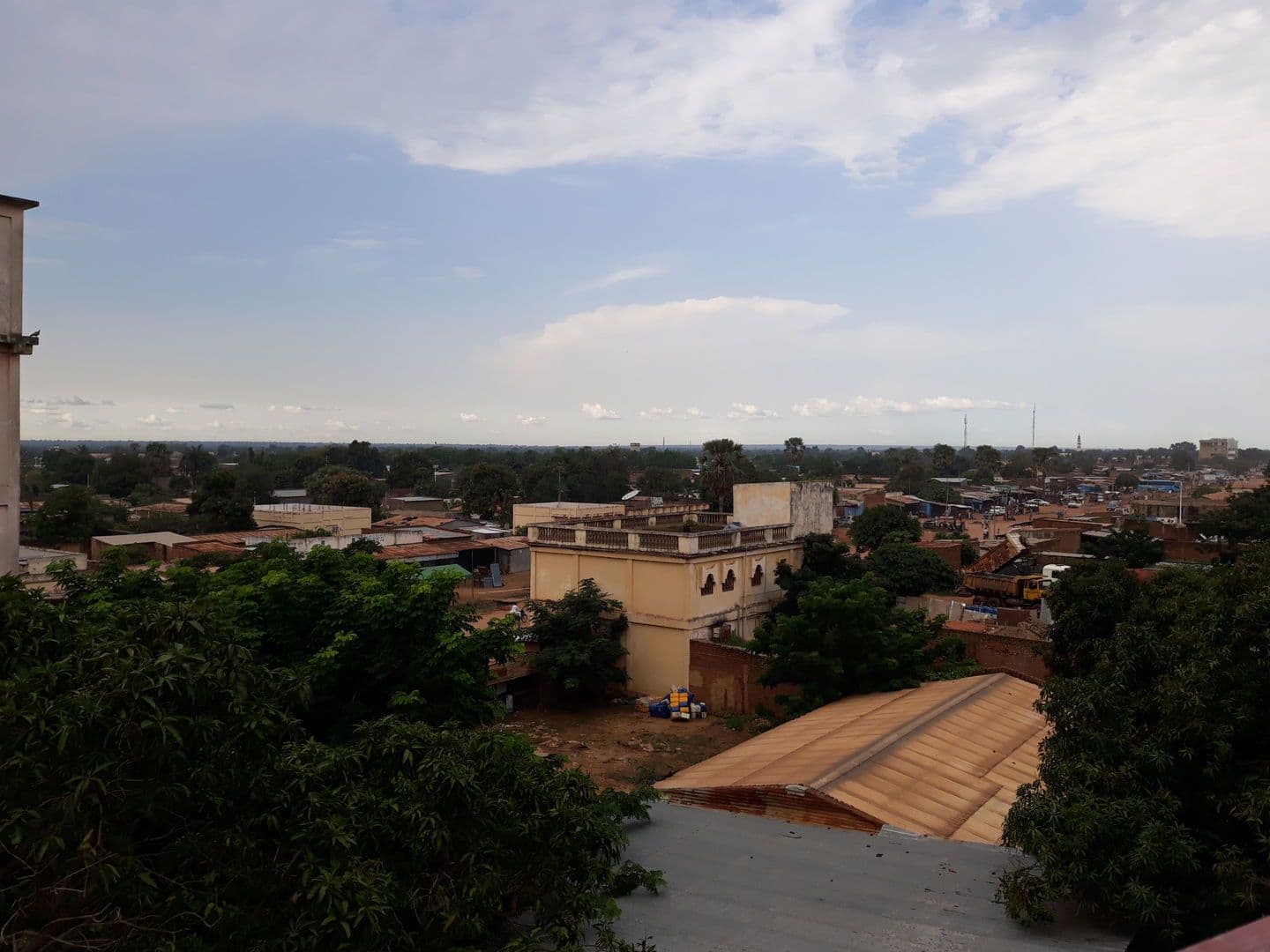
Gounou Gaya sits in the southern stretch of Chad, far from the capital’s noise. It is a place defined by function rather than spectacle. You arrive because the road brings you here, and you stay because the pace demands it. The town serves as a logistical node for the surrounding agricultural zones, offering a glimpse into the daily rhythm of southern Chad. Most travelers pass through on their way to larger hubs, but stopping here reveals a different texture of travel. The air is thick with humidity in the afternoon, cooling slightly as evening approaches. Dust settles on the corrugated roofs of the central market area. There is no grand plaza to photograph, no curated museum to visit. Instead, the experience is built on observation. You watch the flow of goods, the movement of people, and the simple mechanics of a town that works hard and rests little. This destination requires a shift in mindset, slowing down to match the local tempo. The value here is in the authenticity of the ordinary.
The Rhythm of the Town
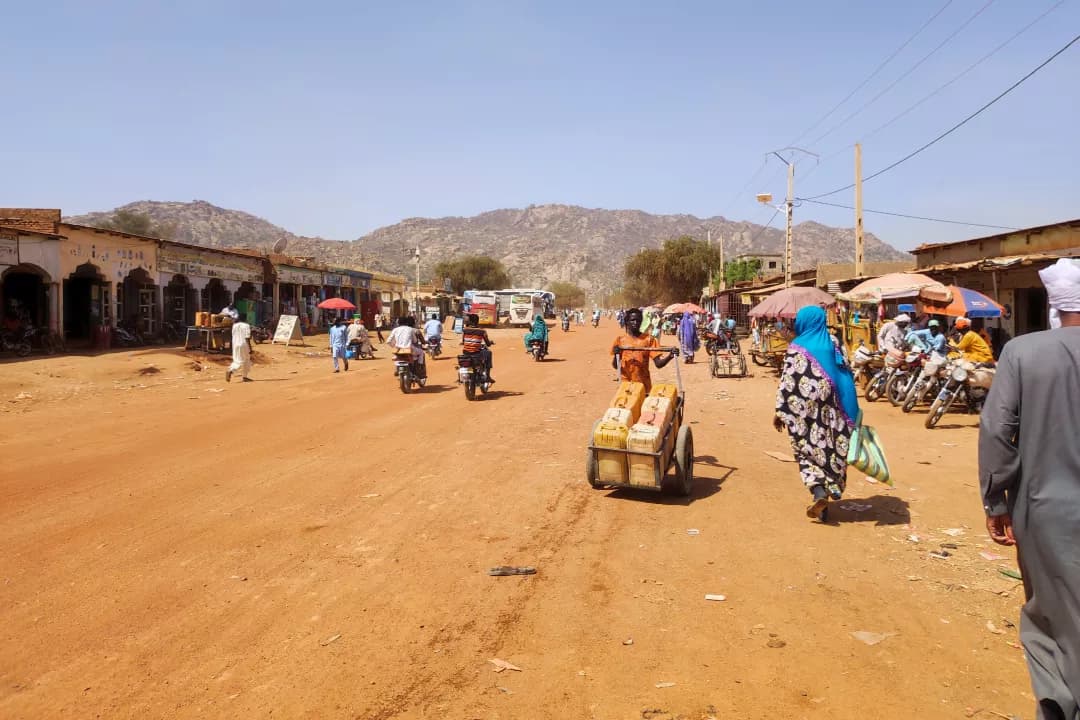
The center of activity revolves around the main market area. This is where the day begins early, often before the sun fully clears the horizon. Vendors set up stalls with minimal fuss, arranging produce and household goods on simple tables or directly on the ground. The smell of ripe bananas mixes with the earthy scent of dried herbs and the metallic tang of nearby water sources. It is a sensory overload of a different kind: dense and immersive. You will find local staples like millet, sorghum, and fresh vegetables piled high. The interaction is direct. Prices are negotiated face-to-face, often in French or local dialects, with a handshake sealing the deal. There is little pretense. The goods are what they are: fresh, seasonal, and sourced from nearby farms. Watching the morning rush is instructive. You see how community ties are maintained through these daily exchanges. It is efficient and respectful. For the traveler, this offers a clear window into local life without the barrier of a tourist-centric interface. The light in the morning is soft, casting long shadows that fade quickly as the heat rises. By midday, the pace slows, and the shade becomes a priority.
Getting Around and Logistics
Transport in Gounou Gaya is functional. The town relies on road networks, linking it to broader regional centers via buses and shared minibuses. These vehicles are the reliable workhorses of the landscape. They carry passengers and goods with a steady cadence. If you are arriving by bus, expect a basic station experience. The platform is often simple concrete, shaded by awnings that offer relief from the sun. Shared minibuses fill the gaps between towns, connecting the hub to nearby villages and larger centers. These vehicles are packed, often exceeding comfortable capacity, but they move with purpose. Fares are modest, typically ranging from a few hundred CFA francs for short hops within the region. Cash is king. Small bills are preferred, as change can be scarce. The roads themselves are a mix of paved sections and dirt tracks, depending on how far you venture from the center. Driving requires patience. Speed bumps are frequent, and pedestrians have the right of way. For those planning a trip, booking bus tickets in advance is wise, especially during peak travel times. The schedules are generally consistent, but delays happen. Allow extra time for connections. The simplicity of the transport system is its strength; it is transparent and predictable once you understand the rhythm.
Eating and Daily Essentials
Food in Gounou Gaya is straightforward. There are no fancy restaurants with white tablecloths. Instead, you eat where the locals eat. Small eateries near the market serve hearty portions of millet porridge, rice dishes with vegetable stews, and grilled meats when available. The flavors are grounded, relying on fresh ingredients rather than complex sauces. A typical meal might cost around 1,000 to 2,000 CFA francs, offering substantial sustenance for the price. Water is essential. The climate is warm, and dehydration sets in quickly. Bottled water is available at small kiosks, but carrying a reusable bottle is practical. Fill it at designated water points or purchase sealed bottles to ensure safety. The food is simple but satisfying. You will notice a reliance on grains and vegetables, reflecting the agricultural base of the region. Meat is a treat, often reserved for evenings or special occasions. Vegetarians will find plenty of options in the vegetable stews and grain dishes. The etiquette is casual. Eat when hungry, share if invited, and leave no waste. The focus is on nourishment and community. There is no rush to clear tables; meals are a time to pause and connect. This approach to dining reflects the broader pace of life here. It is unhurried and grounded in necessity.
Cultural Context and Etiquette
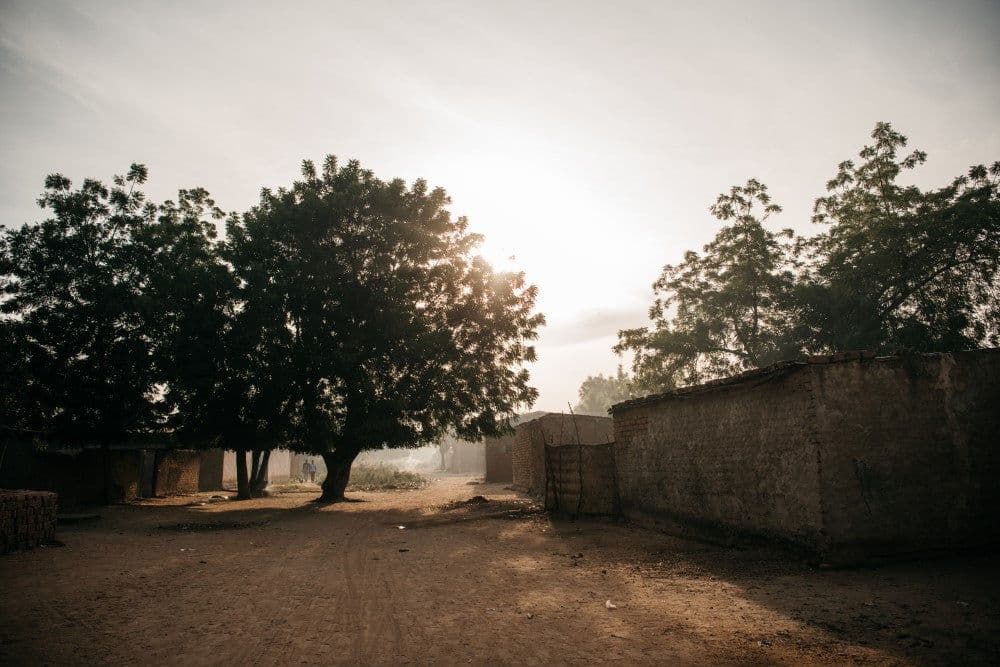
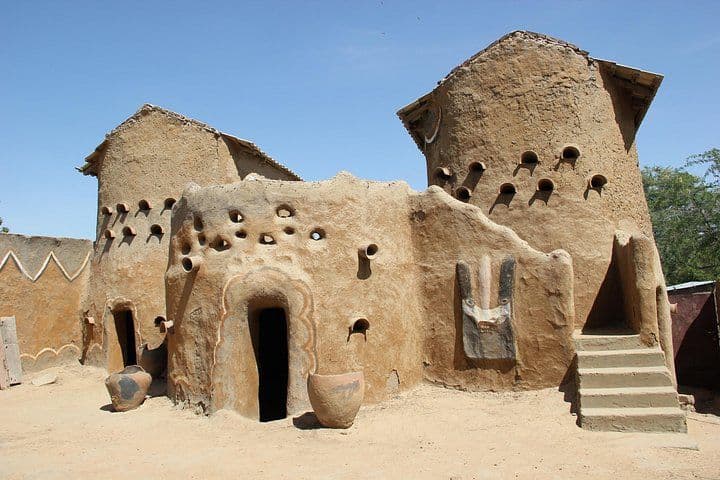
Chad’s cultural landscape is diverse, and Gounou Gaya reflects this mix. French is widely spoken as a lingua franca, but local languages dominate daily conversation. Learning a few basic phrases in French goes a long way in showing respect. A simple "Bonjour" and "Merci" are appreciated. The people are generally welcoming but reserved. They value directness and honesty. Small talk is brief; conversations often move quickly to practical matters. Dress modestly, especially when visiting community centers or markets. Light, breathable fabrics are best for the climate. Respect for elders is paramount. When interacting with older residents, offer your seat or help with carrying goods. It is a small gesture that carries significant weight. The town is not a tourist hub, so expectations should be adjusted. You are a guest in a working community. Noise levels are kept reasonable, and public behavior is expected to be courteous. The lack of tourist infrastructure means you must be self-sufficient. Bring your own supplies if needed, as options are limited. The culture here is resilient and adaptive. It thrives on simplicity and mutual support. Understanding this context helps you navigate interactions with ease. You are there to participate in the flow of daily life.
Timing Your Visit
The best time to visit Gounou Gaya is during the cooler months, typically from November to February. The heat is manageable, and the skies are clear. Rainfall is minimal during this period, making travel easier. Avoid the peak of the rainy season if possible, as roads can become difficult. Holiday schedules impact travel slightly. Republic Day on November 28, 2026, brings increased activity and potential crowding. Book accommodations and transport early if traveling around this date. Freedom and Democracy Day on December 1, 2026, follows a similar pattern. Christmas and New Year’s see a modest uptick in visitors, but the town remains quiet. International Women’s Day and Eid al-Fitr in early 2027 offer cultural insights but do not drastically alter logistics. For solo travelers, this is an ideal time to observe local life without overwhelming crowds. Families may find the pace slow but rewarding. Slow travelers will appreciate the depth of interaction available. A stay of two to three days is sufficient to grasp the rhythm of the town. Longer stays allow for deeper connections with locals and a better understanding of the regional context. Plan for flexibility. Schedules can shift, and patience is key. The quiet nature of Gounou Gaya makes it a unique stop in Chad’s diverse landscape.
Frequently Asked Questions
Do I need a visa for Chad? Most international visitors require a visa. Check with the nearest Chadian embassy for current requirements. Processing times vary, so apply well in advance.
Is English widely spoken? French is the primary language of administration and education. Basic French phrases are helpful. English is understood in some business contexts but not universally.
What currency should I bring? The Central African CFA franc is used. Carry small bills for ease of transaction. Credit cards are rarely accepted outside major cities.