Skip the safari checklist. For Mingoyo, pack for heat, dust, and the long paved coast. Light layers, sturdy shoes, and cash are the only non-negotiables.
Let’s be honest: the T7 Trunk Road is a masterclass in patience. Stretching roughly 447 kilometers from the Kamata Intersection in Dar es Salaam to the edge of Lindi Municipal District, this paved artery is the lifeline of Tanzania’s southern coast. At the end of that line, twenty-seven kilometers past the town of Lindi, lies Mingoyo. It is a 92-square-kilometer administrative ward sitting at just 47 meters above sea level, where the Indian Ocean presses close against the land. If you are driving this route in late August, you are entering the tail end of the dry season. The air is dry, the sun is direct, and the landscape is sparse but strikingly open. The drive itself is a six-hour exercise in staring at the horizon until it begins to look like a personal insult. Packing for this journey is less about bringing luxury and more about bringing utility. You need gear that withstands the coastal humidity, the occasional dust kick-up from unpaved side roads, and the sheer, unbroken monotony of a road that seems to go on forever.
The Weight of the Coast
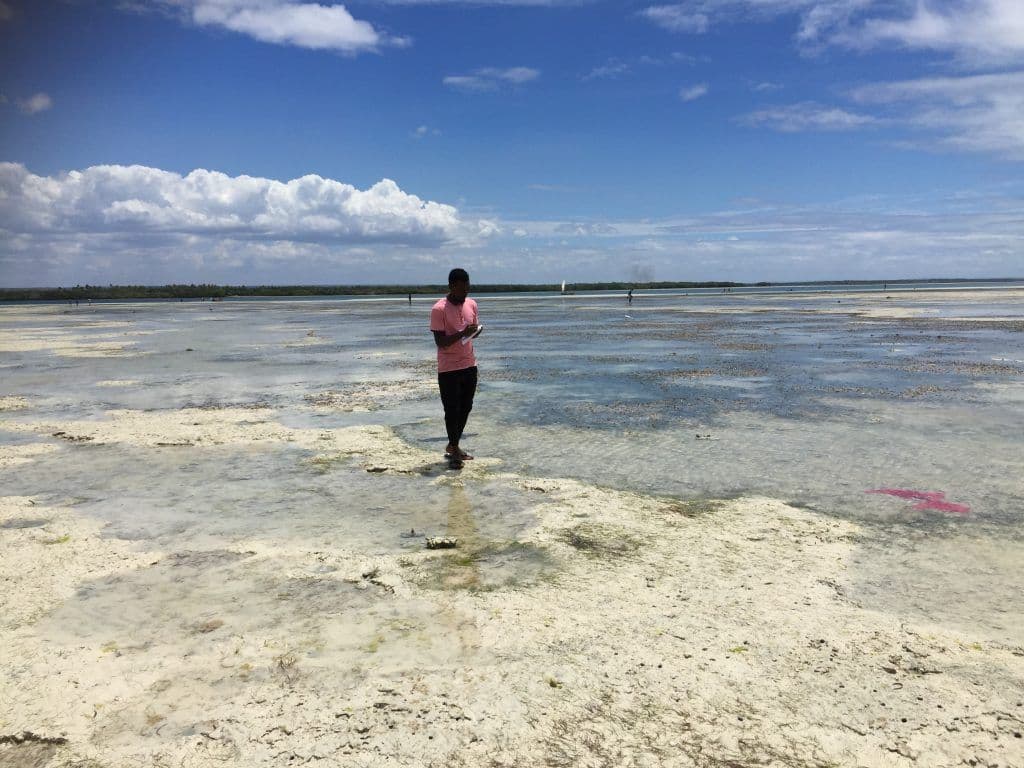
Mingoyo sits on a narrow coastal strip, a geographic reality that dictates your wardrobe. The average elevation of 47 meters means you will rarely feel the cooling effect of altitude. Instead, you will feel the weight of the equatorial sun. Pack light, breathable fabrics. Cotton linens are ideal, but synthetic quick-dry materials work well for the transition between the hot day and the slightly cooler, humid night. Avoid heavy denim or wool; they become anchors in this climate. Since the ward covers a significant area with neighboring localities like Ziwani and Mahambika, you might find yourself walking along unpaved paths or exploring local markets where the ground is often sandy or uneven. Sturdy, broken-in walking shoes are essential. Flip-flops are fine for the guesthouse patio, but they fail you the moment you step off the pavement.
The climate here is tropical, but the dry season brings distinct temperature swings. Days can hit the high 20s Celsius, while evenings cool down noticeably. A light, packable rain jacket is wise. Sudden, brief squalls are common in coastal Tanzania, and you want to be ready for them before they soak through your shirt. Your luggage should be soft-sided. Hard-shell suitcases crack under the jolts of a long-distance bus or the bumpiness of a hired car on the T7. A large duffel bag or a soft roller bag allows for flexibility when space is tight in a shared vehicle.
Health & Hygiene on the Route
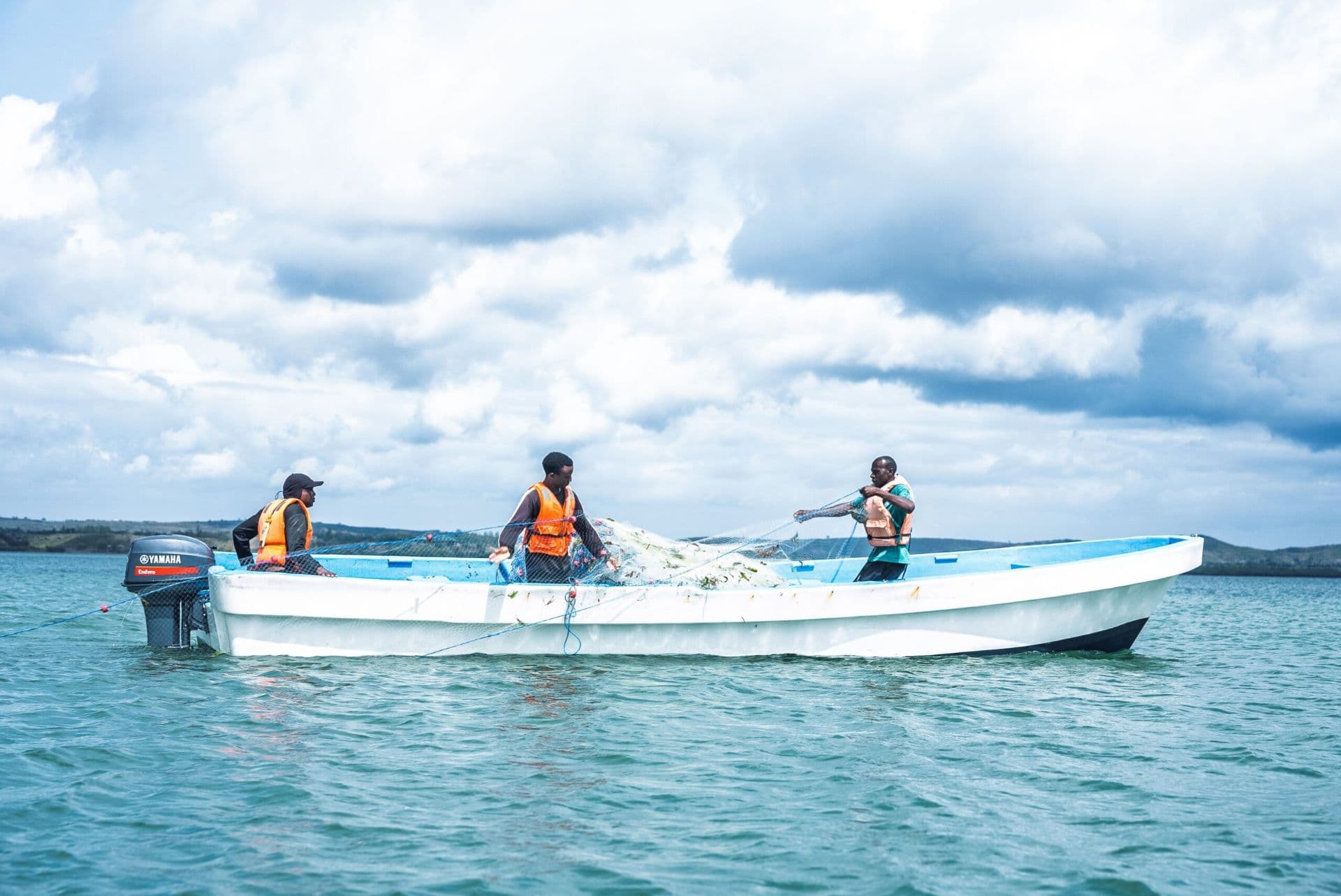
There are no major hospitals or specialized clinics in Mingoyo itself. Medical care is centered in Lindi, which is a 27-kilometer detour back toward the main road. This proximity changes your packing strategy. You do not need a full medical kit, but you do need the basics that are hard to find in a ward with a population of roughly 11,800 people. Pack a reliable water purification method. While bottled water is available in Lindi, carrying a filter or purification tablets ensures you are not dependent on local supply chains if you venture into the quieter parts of the ward. Sunscreen is non-negotiable. The UV index is high, and the reflection off the Indian Ocean intensifies exposure. Bring a hat with a brim and sunglasses with good UV protection.
Insect repellent containing DEET or picaridin is critical. The coastal region is a breeding ground for mosquitoes, particularly during the warmer months. Even in the dry season, standing water in ditches and low-lying areas creates risk. A small first-aid kit should include anti-diarrheal medication, oral rehydration salts, and basic wound care. If you take prescription medications, bring them in their original packaging with a doctor’s note. Customs checks at the border or along the route are rare for domestic travel, but having documentation prevents unnecessary delays if you are asked to explain unusual containers.
Money & Connectivity
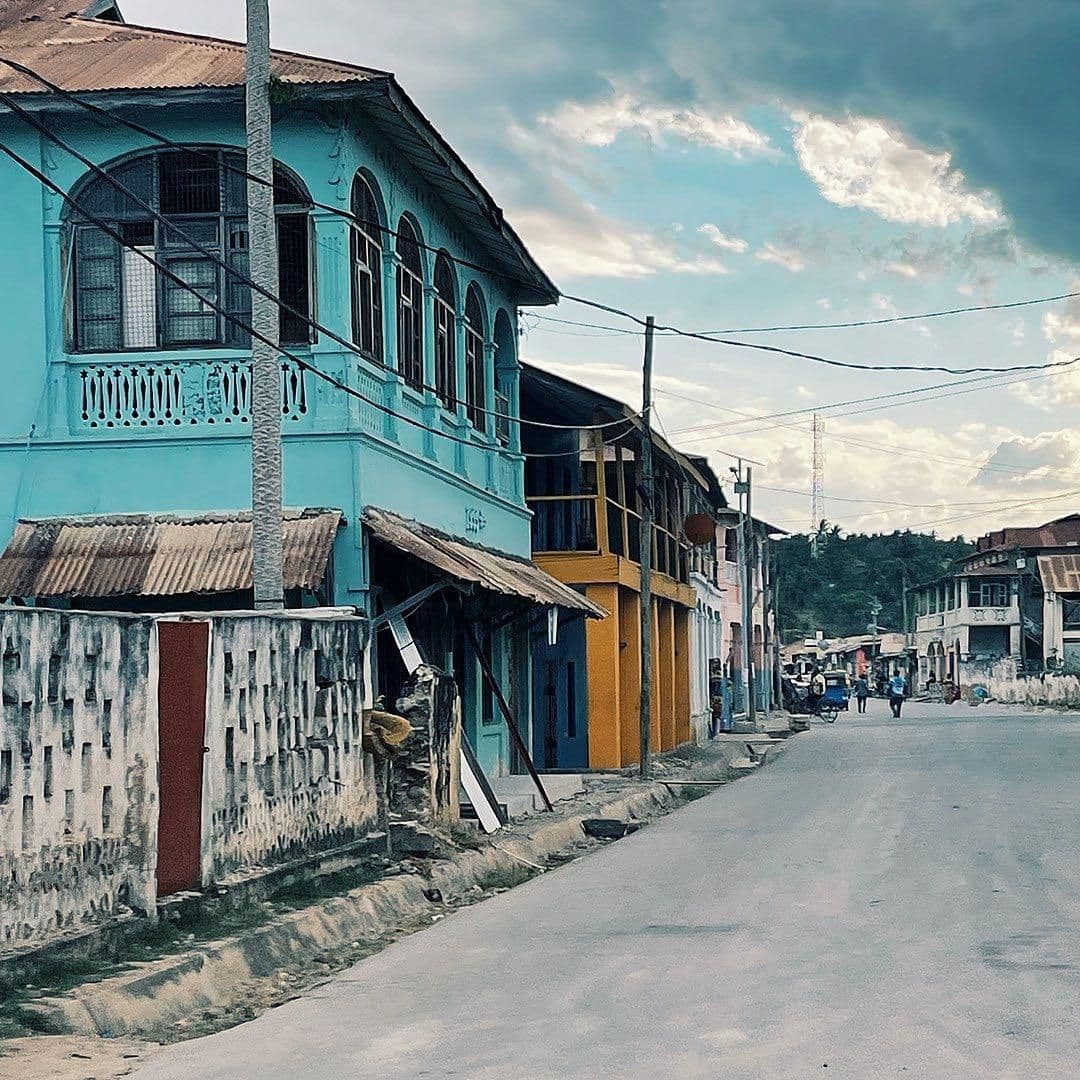
If you try to swipe a credit card at a fuel station in Mingoyo, you will likely be greeted with a look of polite confusion, followed by a firm shake of the head. Electronic payments exist in Dar es Salaam and larger towns like Lindi, but they are largely absent in smaller wards. ATMs are scarce outside of municipal centers. Withdraw Tanzanian Shillings in Dar es Salaam or Lindi before you arrive. Carry small denominations. Vendors in local markets may not have change for large bills. Expect to pay for fuel, meals, and small purchases in cash. Mobile money services like M-Pesa are widespread in Tanzania, but setting up a local SIM card with data and airtime credit upon arrival is the most efficient way to manage transactions. Buy a local SIM at a shop in Lindi; it provides access to maps, translation apps, and emergency contacts without relying on expensive roaming charges.
Internet connectivity in Mingoyo is spotty at best. Do not count on Wi-Fi for navigation or communication. Download offline maps of the T7 road and the Lindi Municipal District before you leave a connected area. Power outages are possible. A portable power bank with at least 10,000 mAh capacity is essential to keep your phone alive for navigation and photography.
Timing & Local Rhythm
The best time to visit is during the dry season, from June to October. Late August, as we are currently experiencing, is ideal. The rains have receded, making the roads more passable and the air clearer. However, be aware of upcoming national holidays, which can affect accommodation availability in nearby Lindi. The Mwalimu Nyerere Day falls on October 14, 2026. While Mingoyo itself is not a holiday hub, the broader Lindi region sees increased domestic travel. Booking accommodation in Lindi for the week before or after this date requires advance planning. Prices for guesthouses typically range from modest to mid-range, with few luxury options available.
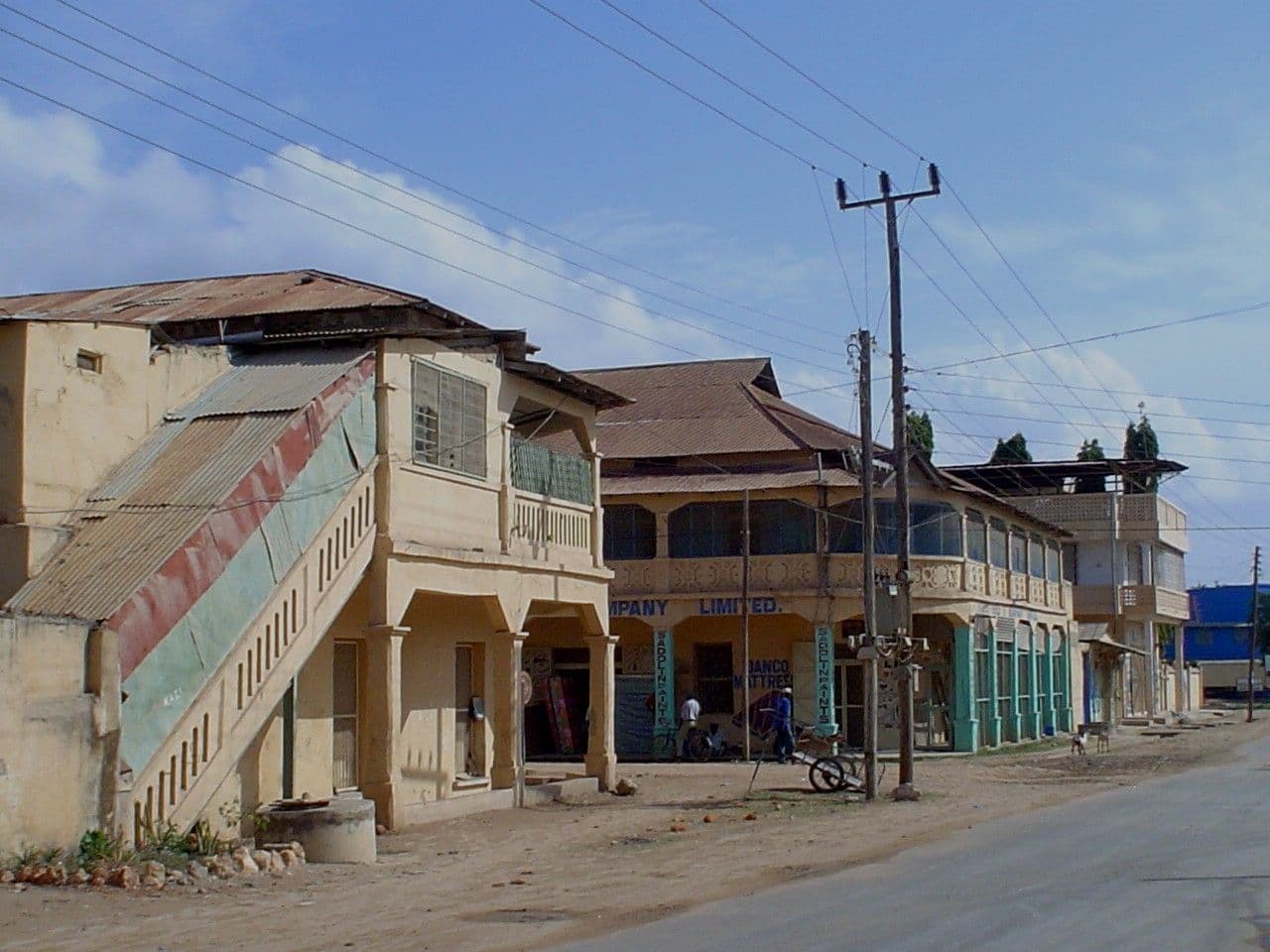
Mingoyo is a quiet place. It suits travelers who prefer slow pacing over scheduled tours, or those who enjoy the specific thrill of realizing there is absolutely nothing to do except sit on a porch and watch the light change. There are no major landmarks to rush to. Instead, the appeal lies in the rhythm of daily life. Markets operate early in the morning, so plan your explorations accordingly. The local cuisine reflects the broader Swahili coastal tradition, featuring coconut-based dishes and fresh seafood, though specific restaurants in Mingoyo are limited compared to Lindi. Eating at local eateries in Lindi provides a better culinary experience. Respect local customs by dressing modestly, especially when visiting residential areas or religious sites. A simple scarf or shawl can cover shoulders and knees if needed.
Frequently Asked Questions
Is there public transport from Dar es Salaam to Mingoyo? There are no direct buses to Mingoyo. Most travelers take a matatu or bus from Dar es Salaam to Lindi, a journey of approximately five to six hours. From Lindi, you must hire a taxi or a shared ride to cover the remaining 27 kilometers to Mingoyo.
What is the best currency to exchange in Mingoyo? Use Tanzanian Shillings (TZS). Exchange rates in remote areas are poor. Exchange your currency in Dar es Salaam or Lindi before arriving in the ward. Credit cards are not accepted in small shops or guesthouses in Mingoyo.
How safe is it to walk around Mingoyo at night? While crime rates are relatively low, it is advisable to stay in well-lit areas and avoid walking alone at night. The ward is quiet, and infrastructure is limited. Stick to the main roads and use a taxi for any evening movements.