Skip the crowds. Tursunzoda offers a raw, industrial slice of Central Asia with a poet’s soul, just 58 km from Dushanbe.
The Smelting Giant
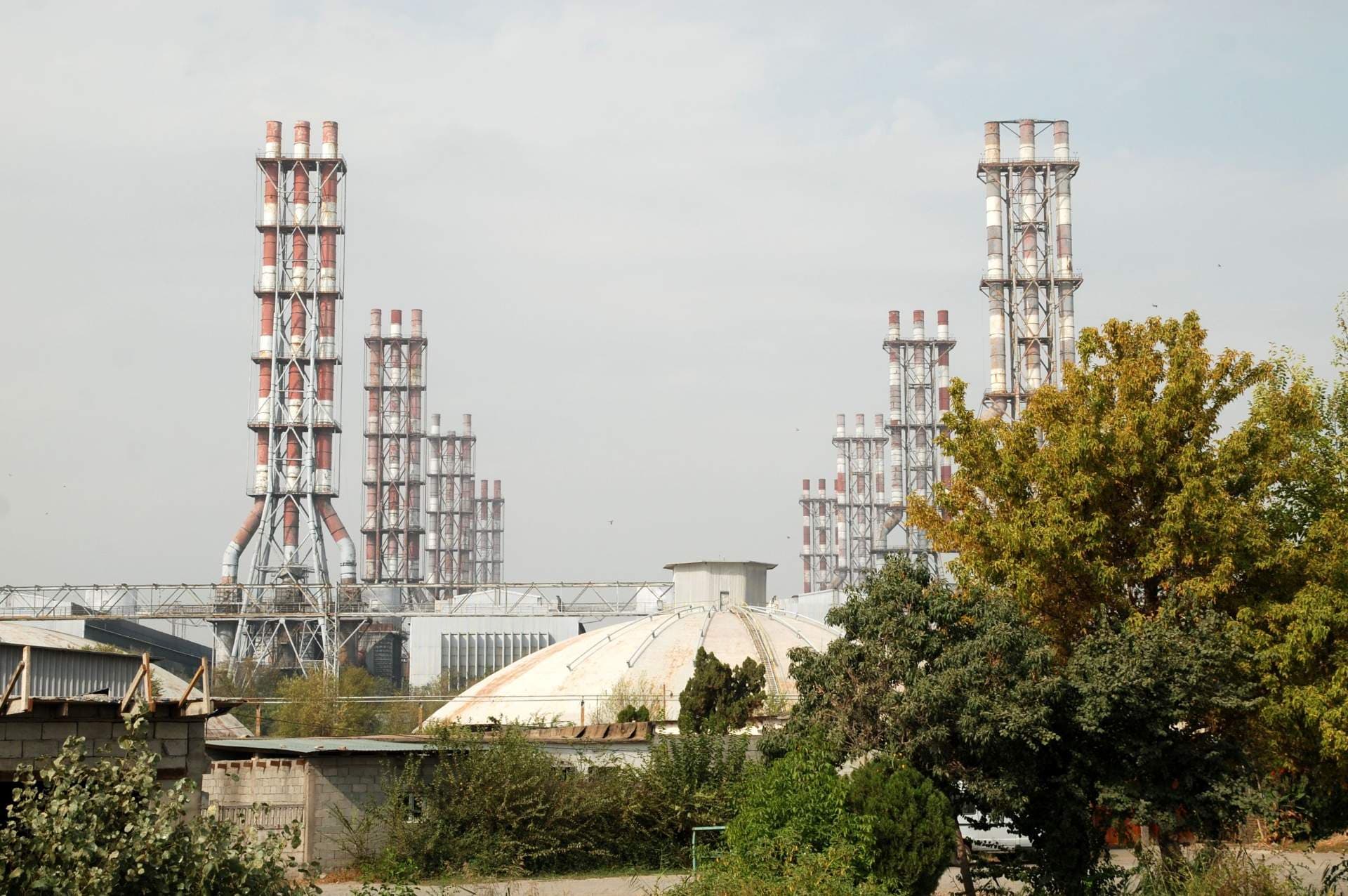
The first thing that hits you in Tursunzoda isn’t the air, but the scale. This town was built for aluminum, specifically for the Tajik Aluminum Smelting Plant. It is the largest aluminum manufacturing facility in Central Asia and the backbone of the national industrial economy. Walking past its perimeters, you see the sheer volume of infrastructure that keeps a nation’s lights on and its export numbers ticking. It’s an industrial landscape that feels more like a spaceship landing site than a residential suburb. The smokestacks are a permanent fixture, and the hum of heavy industry is the town’s background music. For the traveler who finds the tourist traps of Dushanbe exhausting, there is a strange, honest comfort in a place that has a job to do. You are here to witness the machinery of modernity in its rawest, most unvarnished form.
The Poet’s Legacy
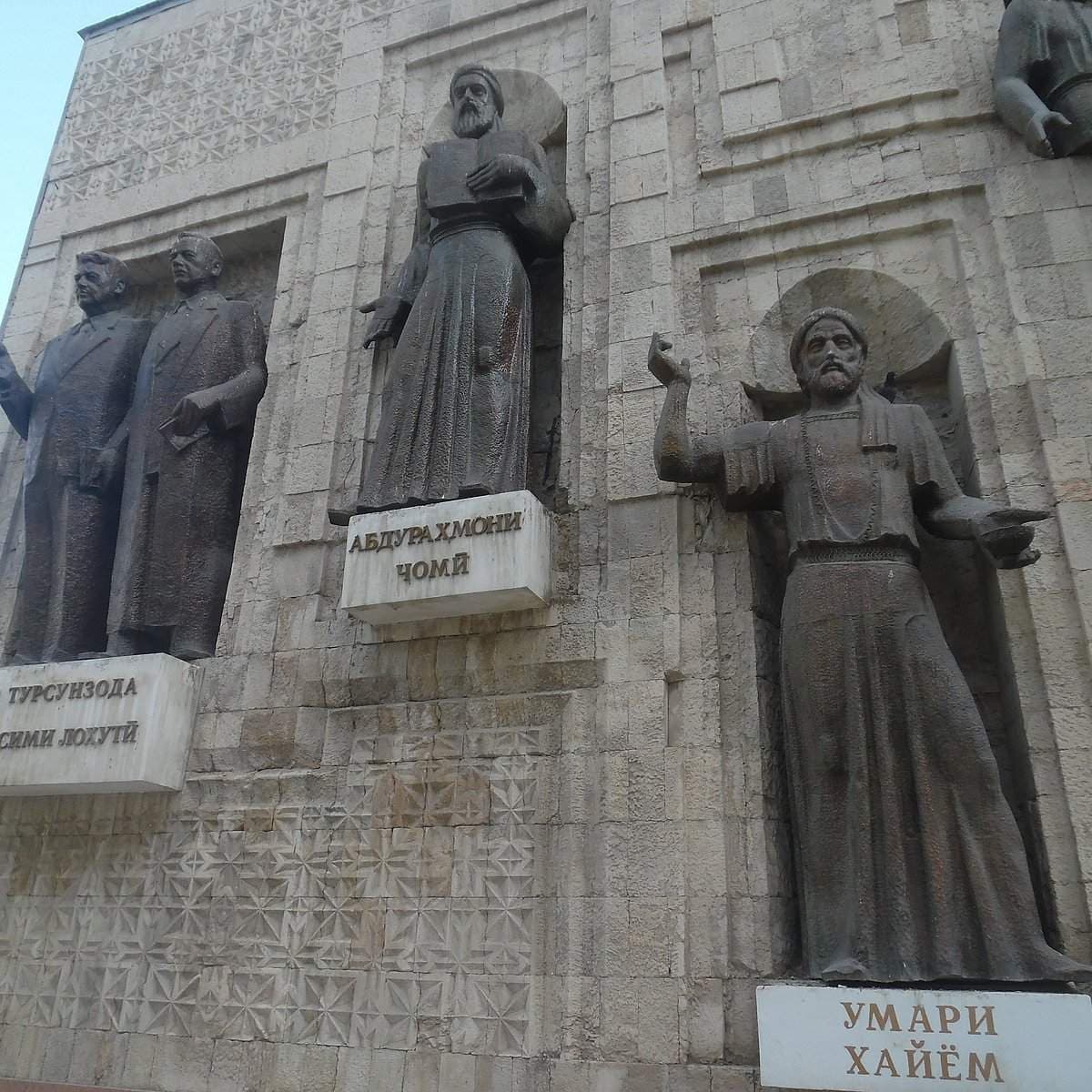
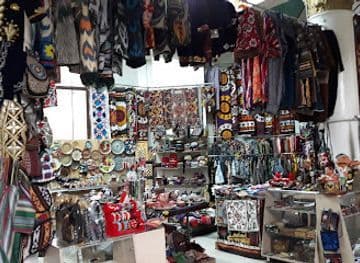
Despite the industrial dominance, the soul of Tursunzoda is literary. The town was renamed in 1978 to honor Mirzo Tursunzoda, one of Tajikistan’s most revered poets. You can find the Monument of Tursunzade standing as a quiet counterpoint to the factory smoke. It’s a place where the weight of history feels less like a museum exhibit and more like a local conversation. The Tursunzoda Bazaar is the true heart of daily life here. It is a working market where the rhythm of the town is set by the buying and selling of daily necessities. The Tursunzoda Mosque adds a layer of cultural texture, though it remains a subtle presence compared to the monumental scale of the smelting plant nearby. The juxtaposition is jarring and wonderful: a poet’s name on a town dominated by metal.
Where to Stay
Lodging options in Tursunzoda are sparse and functional. This destination lacks luxury resorts or boutique design hotels. You are looking at guesthouses and small hotels that cater primarily to business travelers and locals. Most accommodations are clustered near the central district or the railway station. Prices are modest, typically ranging from $20 to $40 per night for a clean, basic room. Differentiators are minimal—proximity to the market or the station is your main deciding factor. If you are staying for more than a night, consider that the town can feel quiet and somewhat isolated in the evenings. The lack of a vibrant nightlife scene means your evening plans will likely revolve around a quiet walk or a meal at a local eatery rather than a bar hop.
Food on the Plate
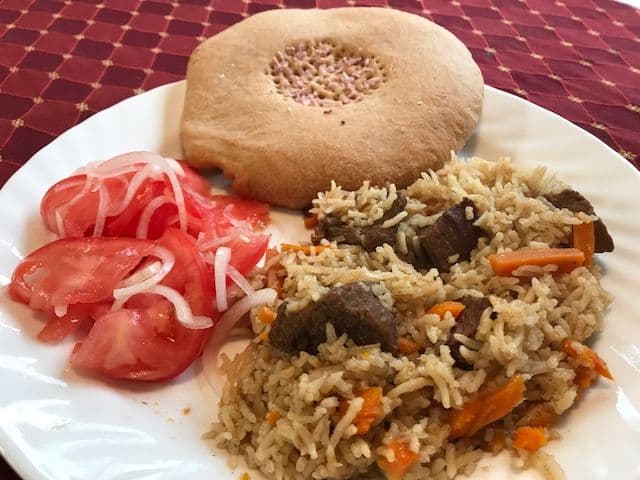
You cannot eat in Tajikistan without eating plov, and in Tursunzoda, it is the national dish’s home turf. Known locally as osh, plov is a rice dish cooked with carrots, onions, spices, and often chickpeas or raisins. It is hearty, slow-cooked, and designed to fuel a hard-working population. A local spot like Plov House serves this traditional dish, though specific menus can vary and may lean toward simpler, home-style preparations. Another staple to look for is qurutob, a traditional Tajik dish of bread, yogurt, and herbs. It’s fresh, tangy, and a perfect palate cleanser after the rich plov. The food here is about sustenance and flavor. Expect to eat with your hands or simple cutlery, and expect the portions to be generous. The taste is rustic, unpretentious, and deeply satisfying.
Getting Around and Timing
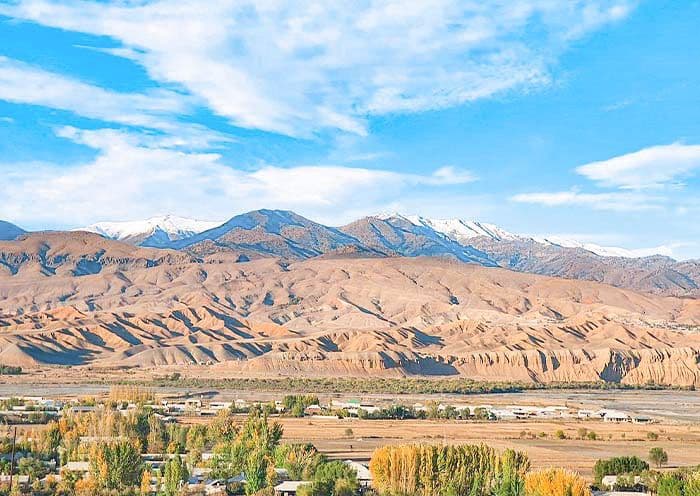
Reaching Tursunzoda is straightforward if you are coming from Dushanbe. The town is located approximately 58 km west of the capital. The most reliable way to travel is by train, stopping at Tursunzoda railway station. Note that the station retains the town’s former name, Regar, which can cause confusion if you’re looking for "Tursunzoda Station" on digital maps. Trains run on the Dushanbe–Kurgan-Tyube railway line, and tickets can often be booked online with various class options. Buses are also available and may offer more frequent departures, though they can be less comfortable. The drive itself is a mix of highway and local roads, offering a glimpse into the arid landscapes of the Sughd region.
The best time to visit is during the shoulder seasons. Spring (March–June) offers mild temperatures and clear skies, while early autumn (September–October) provides comfortable weather before the winter chill sets in. Winters in Tursunzoda are snowy and very cold, making outdoor exploration difficult. Summers are arid and clear, but the heat can be intense. For a traveler, the autumn light is particularly striking, casting long shadows over the industrial structures and the poet’s monument. It’s a time when the town feels most settled and least rushed.
Practical FAQs
Is a visa required for Tursunzoda? Yes, Tajikistan requires a visa for most nationalities. You can often obtain a visa on arrival at Dushanbe’s airport, but it is advisable to check current requirements with the Tajik embassy or consulate in your home country before traveling.
How safe is Tursunzoda for solo travelers? Tajikistan is generally considered safe for tourists, and Tursunzoda is no exception. However, it is a smaller town with fewer tourist services. Standard precautions apply: keep valuables secure, be aware of your surroundings, and respect local customs. The population is friendly, but interactions may be more reserved than in larger tourist hubs.
What currency is used? The local currency is the Tajik Somoni (TJS). While some larger establishments in Dushanbe may accept foreign cards, cash is king in Tursunzoda. Ensure you have enough Somoni for meals, transport, and any small purchases at the market. ATMs are available in the town center but may not always be stocked.