Skip the overbooked retreats. In Tsirang, Bhutan, wellness is a slow drive, a market walk, and the silence of a small district at 1,050 meters.
The Anti-Spa Logic
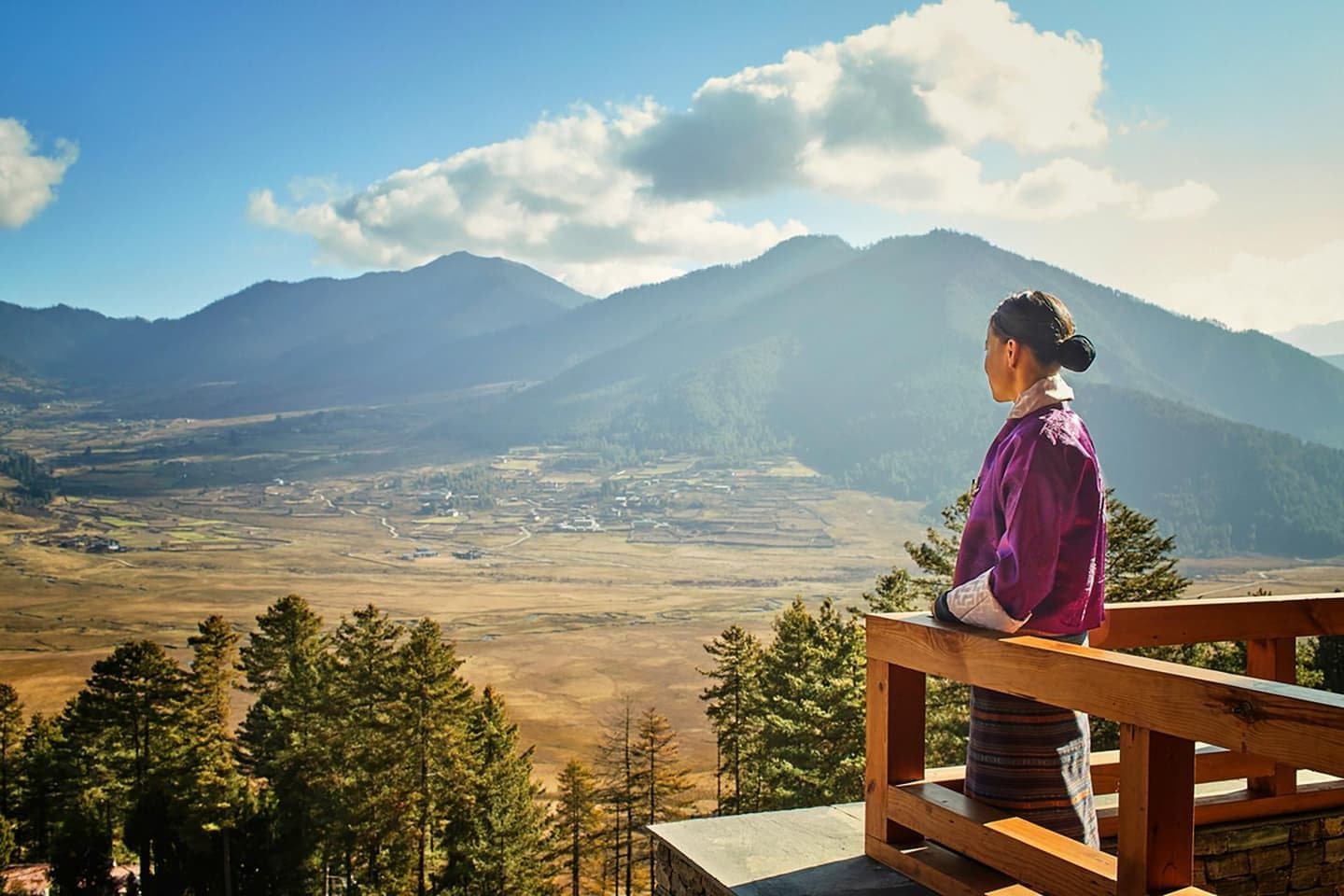
Most "wellness" destinations sell you a ritual. They want you to lie on a heated stone table, close your eyes, and pretend the rest of your life doesn’t exist. It’s efficient. It’s safe. It’s also a bit of a lie. In Tsirang, a compact dzongkhag covering just 639 km², the concept of wellness is stripped back to its bones. You are here to be present. The district, home to approximately 19,960 people according to the 2017 census, operates on a pace that forces you to slow down whether you like it or not. There is no luxury rush. There is only the valley, the river, and the thin, cool air at 1,050 meters altitude. If you’re looking for a place to decompress from the noise of modernity, this is it. The valley simply exists, and there is nothing else to do but breathe.
Where the Quiet Lives
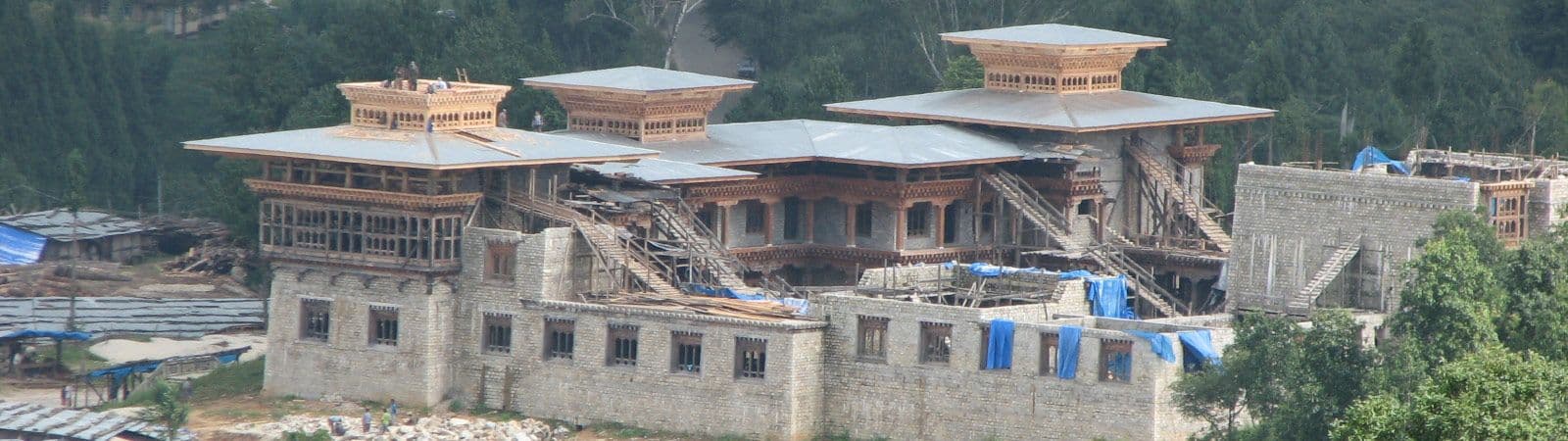
The administrative heart of this calm is Tsirang Dzong. Construction began in 2004, and it was inaugurated in 2008, standing half a kilometer from the town of Damphu. It’s a fortress-monastery, a structure that demands respect without demanding your attention. You can walk its perimeter, feel the weight of the stone, and watch the monks go about their day. It’s a landmark. The town of Damphu itself sits on the north-south highway, a vital artery connecting Thimphu to Wangdue Phodrang and further south to Sarpang and Gelephu. This location makes Tsirang a natural stopover. As local guides note, you sleep here on the way through, or you break the drive here without staying. For a wellness trip, that "break" is the point. You stop the engine. You step out. You listen to the wind in the valley. The Damphu Resort, located along the Wangdue-Tsirang Highway, offers a base for this pause. It’s a place to rest your legs and your mind.
Eating to Reset
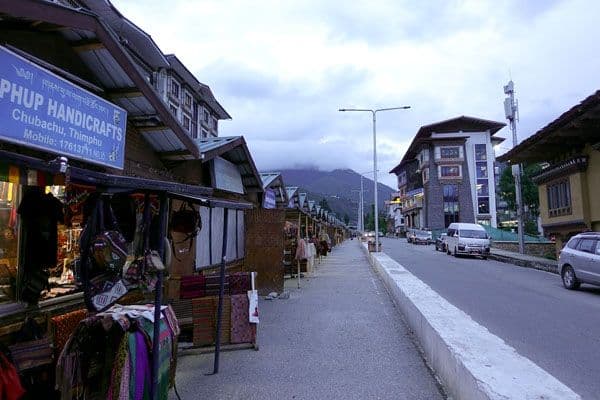
Wellness in Bhutan isn’t about kale and quinoa. It’s about eating what the land gives you, right now. The most honest wellness activity in Tsirang is a traditional Bhutanese cooking class. These sessions begin with a trip to the local marketplace. You don’t pick from a menu; you pick from the stalls. You select fresh local ingredients, walk back, and learn to prepare them. It’s a sensory immersion that bypasses the intellectual mind and goes straight to the hands and the stomach. You’re not just eating; you’re participating in the cycle. The food is simple, often featuring the region’s staples. The focus is on the freshness of the produce and the technique of the local cooks. It’s a reminder that your body runs on fuel, and that fuel has a taste, a texture, and a history.
The Road as Therapy
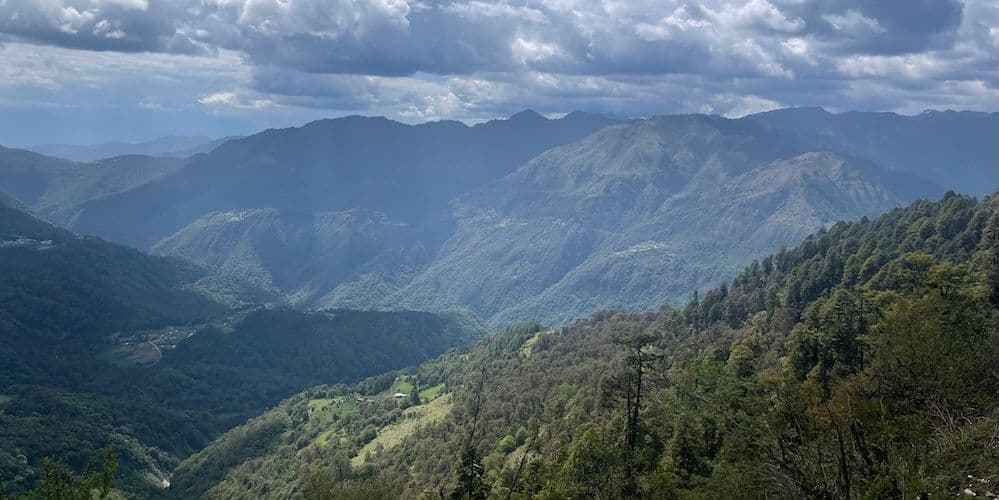
Getting to Tsirang is part of the experience. There is no railway line. No station. Just the road. Damphu sits on the main highway, and the journey from the north or south is a long, winding drive. The drive from Damphu to Trongsa takes approximately two to two and a half hours, a distance that puts the perspective of your daily commute into sharp relief. The drive itself is a form of moving meditation. The roads are narrow, the scenery is vast, and the pace is dictated by the mountain, not your schedule. You can’t rush a mountain pass. You can’t speed through a valley. You have to pay attention. This forced attentiveness is the core of the Tsirang wellness model. You are a participant in the geography. The highway from Thimphu through Wangdue Phodrang to Sarpang and Gelephu is the lifeline. Once you’re in the district, you’re in a different world. One where time is measured in sunrises, not notifications.
Practicalities for the Slow Traveler
Tsirang is small. That’s its strength. You can see the whole district in a day, but you should spend at least two. The first day for arrival and orientation. The second for the cooking class and a walk around the Dzong. Money is straightforward; the Bhutanese Ngultrum is pegged to the Indian Rupee, so cash is king in the smaller stalls. Fares for local transport are approximate and vary, but budget for a shared vehicle or a private car if you’re coming from Thimphu or Paro. There are no specific spa prices to quote because the environment is the therapy. You don’t pay for silence; you just buy a place to sleep and eat. Book ahead if you’re traveling in peak season, but don’t stress. This is a quiet corner of Bhutan that has resisted the urge to overbuild.
When to Go and Who It’s For
Autumn is the prime window. The air is crisp, the light is clear, and the harvest is in. There are no major holidays on record for the next six months that would crowd the valley, making it an ideal time for solo travelers or couples seeking genuine quiet. It’s a place for adults who need space to think. If you’re looking for a place to strip away the layers of your daily life, Tsirang is the tool. It’s small, it’s remote, and it’s honest. Come for the drive, stay for the silence, and leave with a cleaner head. That’s the only wellness you need.