Evaluate the Provincial Museum of Cuanza Sul’s collection of traditional instruments and precious stones. Practical transit details and seasonal timing for a disciplined trip to western Angola.
The Provincial Museum of Cuanza Sul in Sumbe demands your attention. Inside the galleries, traditional Angolan artefacts sit alongside musical instruments and precious stones, arranged to provide a precise insight into the province’s history and culture. This destination requires active evaluation rather than passive sightseeing. You measure the quality of the curation, the condition of the wood carvings, and the clarity of the historical narrative against your own standard of excellence.
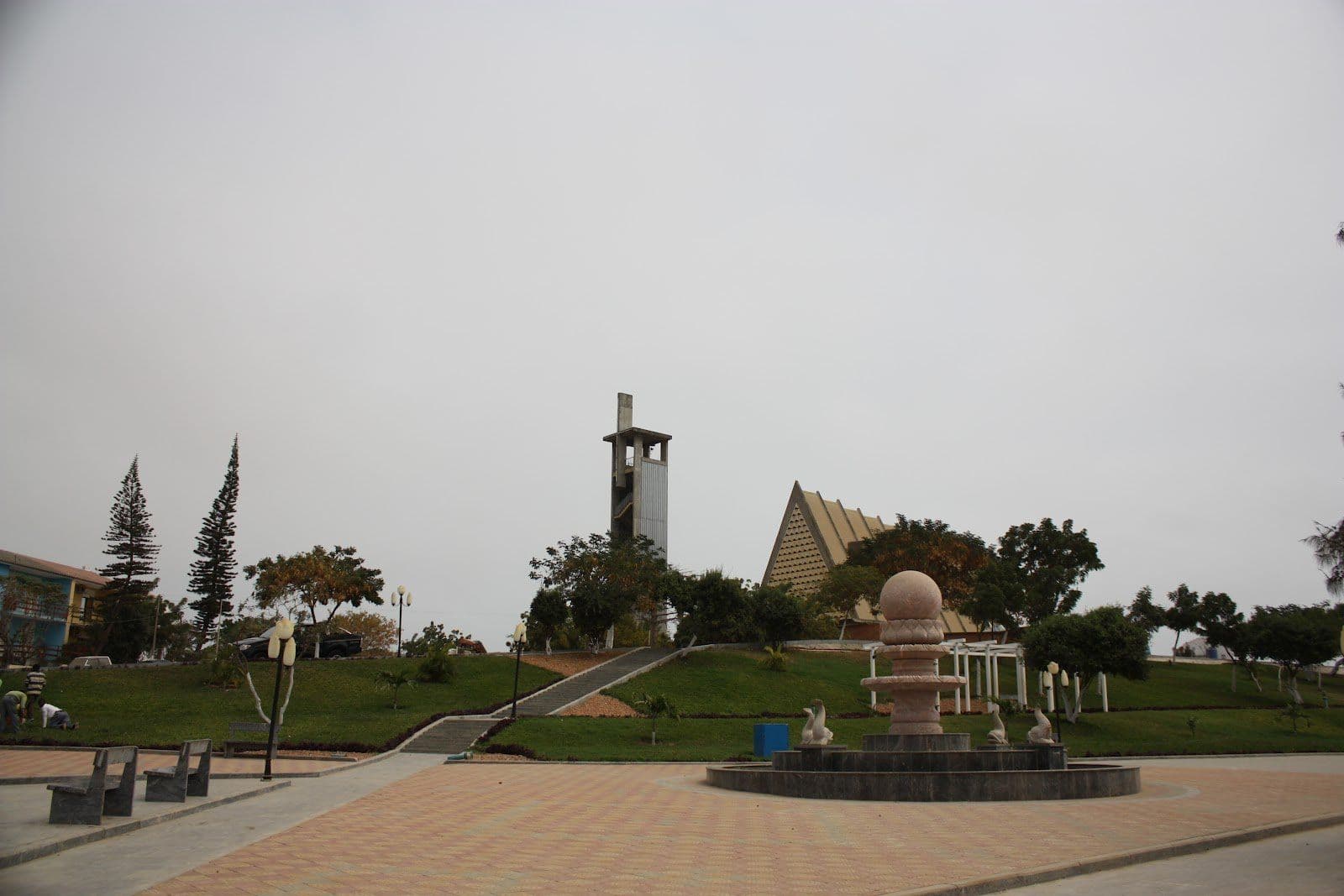
The Museum Collection
The core of the visit is the Provincial Museum of Cuanza Sul. The collection is specific. It features traditional musical instruments, which offer a tangible link to the region’s acoustic heritage. The display of precious stones is equally significant. In a province known for its mineral wealth, seeing these stones curated rather than extracted provides a different context. The artefacts serve as evidence of the province’s material history rather than mere decoration.
The architecture of the museum itself is part of the audit. You note the symmetry of the display cases. You check the lighting levels. Is the illumination sufficient to see the texture of the wood carvings? The local artisans in Sumbe produce vibrant textiles, wood carvings, and jewelry. Seeing these items in a museum setting allows you to compare the museum’s presentation with the raw output of the workshops. The juxtaposition is instructive. The museum provides the historical frame. The workshops provide the living practice.
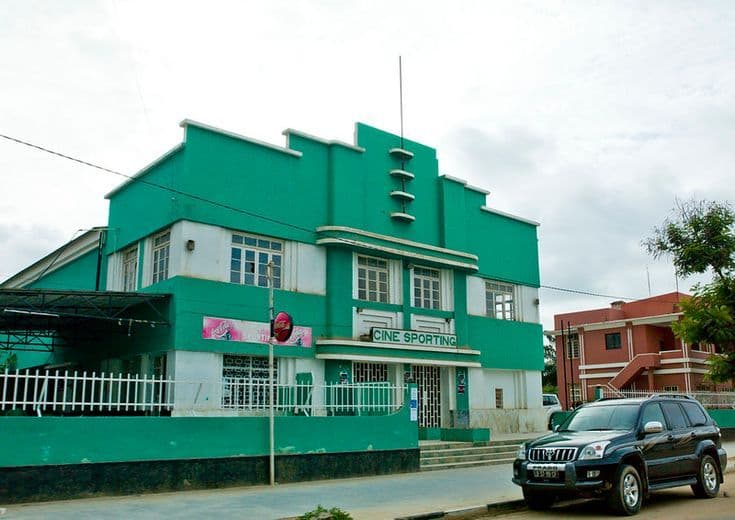
Architectural Context
Sumbe was formerly known as Novo Redondo. It serves as the administrative capital of Cuanza Sul Province. The city’s layout reflects its colonial origins and its subsequent growth. The Sumbe Train Station is a key architectural landmark. It is a historic station with unique architecture. The structure stands as a testament to the rail connections that once defined the region’s logistics.
The station functions as an attraction in its own right, distinct from its transit role. The design features are distinct. You evaluate the preservation state of the facade. The interior layout offers a glimpse into the operational efficiency of the past. While the specific rail line serving Sumbe is not explicitly named in current authoritative sources, the station itself remains a physical anchor for the city’s historical identity. The contrast between the historic station and the modern administrative buildings of the provincial capital is stark. It is a visual record of transition.
Practical Logistics
Getting to Sumbe requires a degree of planning. The city is served by Sumbe Airport, which operates under the IATA code NDD and the ICAO code FNSU. The airport is situated at an elevation of approximately 36 feet (11 meters) above sea level. It has one runway, measuring around 3,115 feet (949 meters). This is a functional facility, not a major international hub. You should expect limited flight schedules. Booking ahead is essential.
For ground transport, the city is quieter and less crowded than Luanda. This is an advantage for a focused visit. The local market areas offer opportunities to purchase crafts. The artisans produce textiles, wood carvings, and jewelry. These items make for appropriate souvenirs. The prices are likely lower than in the capital. You should carry local currency. Specific fare structures for taxis or local buses are not standardized in public sources, so you should negotiate rates clearly upon arrival. The lack of a dense, chaotic urban environment means that movement through the city is more predictable.
Cultural Nuance
The cultural landscape of Sumbe is defined by its provincial identity. The Provincial Museum of Cuanza Sul is the primary repository for this identity. The traditional musical instruments on display function as cultural signifiers rather than simple objects. Understanding their role in local ceremonies adds depth to the visit. The precious stones reflect the economic backbone of the region. The history of the province is inextricably linked to its resources.
The local etiquette is straightforward. Respect for the cultural artefacts is paramount. In the workshops and markets, engage with the artisans. Ask about the materials. Inquire about the techniques. This interaction is more valuable than a quick transaction. The textiles produced locally are vibrant. The wood carvings show a high degree of skill. The jewelry is intricate. These items are the result of specific, localized craftsmanship. Your engagement with these crafts contributes to the local economy and supports the continuation of traditional practices.
Timing and Audience
The best time to visit Sumbe depends on your tolerance for weather and your schedule. The city is in western Angola, which experiences distinct wet and dry seasons. The dry season is generally more favorable for travel. However, specific month-by-month climate data for 2026 is not fully detailed in the sources provided. You should check current weather forecasts before booking.
Upcoming holidays in Angola may impact travel. National Heroes’ Day is on September 4, 2026. This is imminent. Expect higher demand and potential crowding. All Souls’ Day is on November 2, 2026. National Independence Day is on November 11, 2026. These dates may see increased local activity. If you are visiting during these periods, book your accommodation and flights early. The city is quieter than Luanda, but holidays can change the dynamic.
This destination is suitable for solo travelers and slow travel enthusiasts. It is not a place for a rushed itinerary. You need time to evaluate the museum, inspect the train station, and visit the workshops. A stay of three to four days is sufficient to cover the key sites without feeling hurried. The audience for Sumbe is the traveler who values precision over spectacle. You come to assess, to learn, and to document. You leave with a clear understanding of the province’s material and cultural heritage.
FAQ
Is Sumbe safe for travelers? Sumbe is described as quieter and less crowded than Luanda. Standard travel precautions apply. You should stay aware of your surroundings, especially in the market areas. Keep your valuables secure. The city is generally manageable for a disciplined traveler.
What is the best way to get to Sumbe? The primary mode of arrival is by air, via Sumbe Airport (NDD). Flights are available from other Angolan cities, including Luanda. You should book these flights in advance due to limited schedules. Ground transport within the city is available via local taxis or private vehicles.
What currency should I use? The local currency is the Angolan Kwanza. You should carry local currency for purchases in markets and workshops. Credit cards may not be widely accepted in smaller establishments. Exchange rates can fluctuate, so check current rates before your trip.