Skip the coast crowds. Suhum is a quiet hub on the road between Kumasi and Cape Coast where the real Ghanaian rhythm plays out in markets and local eateries.
Why You Should Care About This Stop
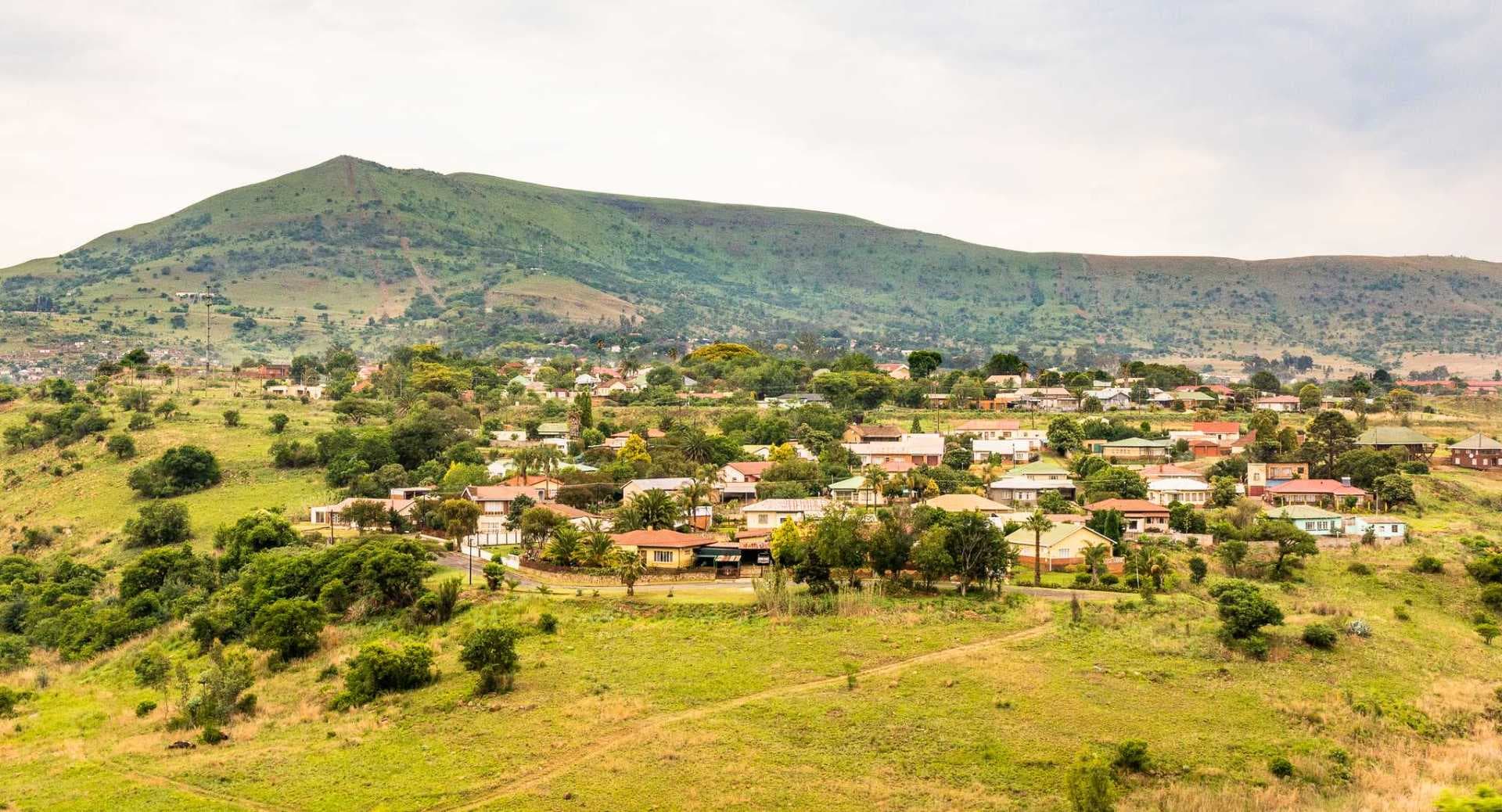
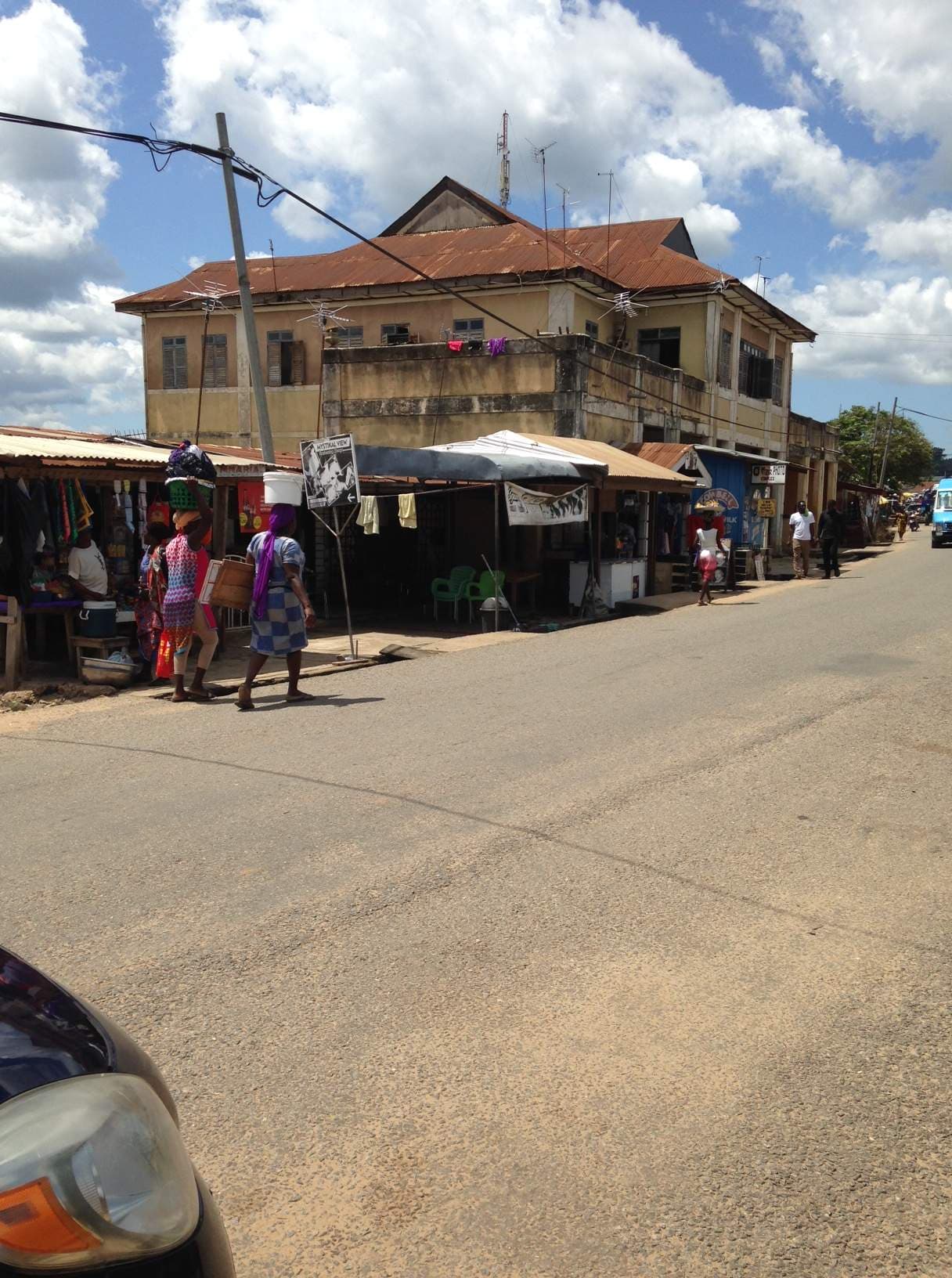
Let’s be clear: if you are flying into Accra and your only plan is to spend three days at Labadi Beach, you do not need this guide. But if you want to understand how Ghana actually functions outside the capital’s polished corridors, Suhum is the place to look. It sits roughly midway between Kumasi and Cape Coast, acting as a critical logistical hub for the central region. The town is small enough that you can walk from the main market area to the outskirts in under an hour, yet it punches above its weight in terms of agricultural activity and transit flow. You will not find luxury boutique hotels here. You will not find English-speaking tour guides waiting at every corner. What you will find is a functioning, unpretentious slice of West African daily life. The value proposition is simple: proximity to both the Ashanti and Central regions without the tourist infrastructure that inflates prices and dilutes authenticity. If you are doing a road trip down the western corridor, stopping here saves you hours of backtracking and gives you a genuine baseline for what rural-urban Ghana looks like in 2026.
Getting There and Moving Around
The most reliable way to reach Suhum is by road. Shared taxis (trotros) operate regularly between Kumasi and Cape Coast, with Suhum serving as a key intermediate stop along this busy route. Journey times vary based on traffic conditions; expect around 30 to 45 minutes from nearby larger hubs depending on the specific service and stops made. Once you arrive, getting around is straightforward. The town center is compact. Most essential services—banks, pharmacies, fuel stations—are clustered within walking distance of the main commercial strip. For longer excursions into the surrounding farmland, local taxis are available, but fares are negotiated upfront. Do not agree to a price until the driver has seen the destination. Cash is king here. ATMs may have limited stock during peak demand periods, so withdraw sufficient cedis before you head out of the town center.
Where to Stay
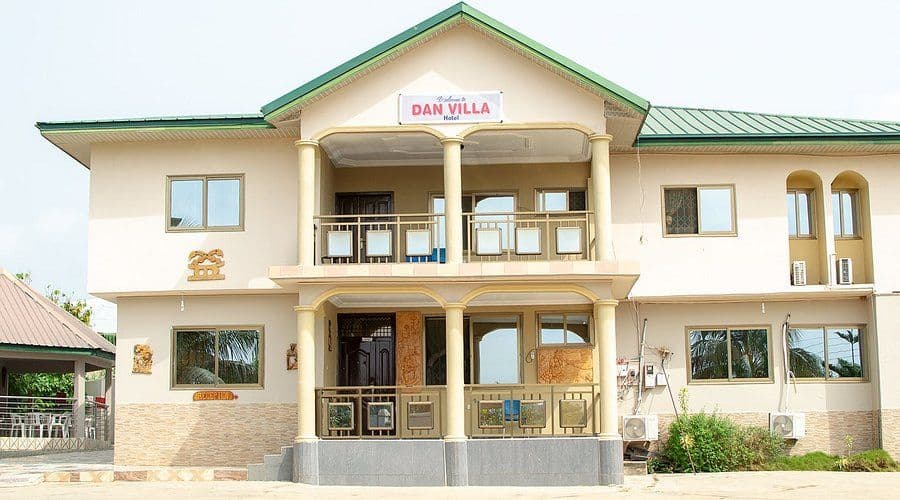
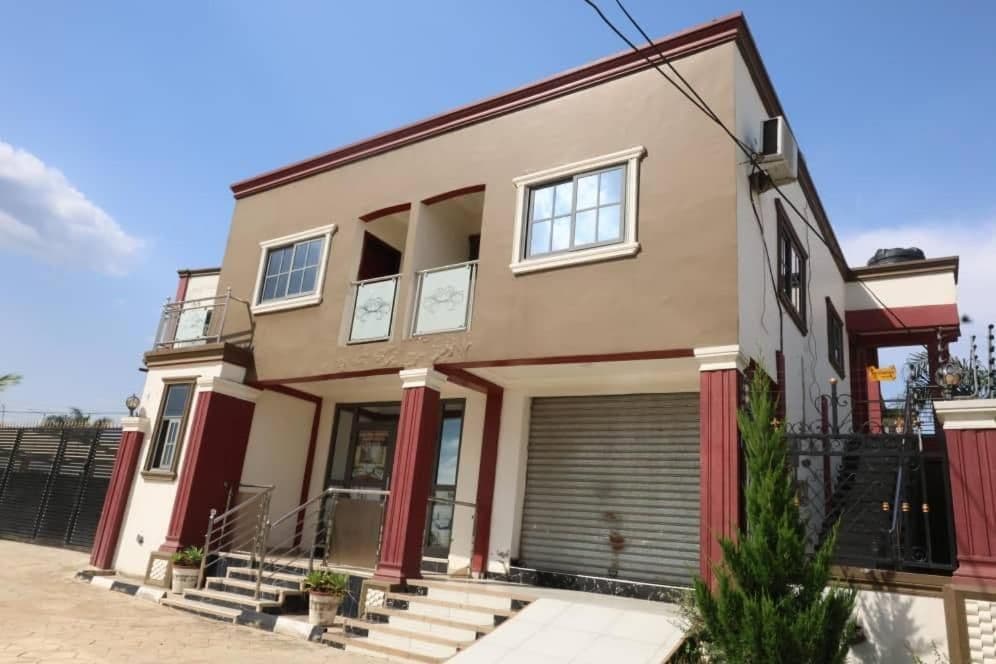
There is no single "best" hotel in Suhum because the accommodation landscape is modest. You will primarily find guesthouses and mid-range lodges catering to business travelers and families passing through. Prices typically range from $30 to $80 per night for a clean, air-conditioned double room. Look for properties located slightly off the main highway to escape the constant noise of passing trucks and trotros. Many of these establishments offer basic breakfast, often featuring local staples like boiled plantain and bread. If you prefer self-catering, some guesthouses allow access to a shared kitchen. Book ahead if you are visiting during a major local festival or holiday period, as occupancy spikes quickly. Avoid relying solely on online reviews for smaller properties; call directly to confirm availability and payment methods. Some places prefer cash upon arrival rather than card payments.
Food and Local Flavors
You will not find a menu with translations here. The food scene revolves around the local market and roadside eateries serving traditional Ghanaian dishes. Expect to pay around 20–50 GHS for a hearty meal. Common options include fufu with light soup, grilled tilapia, and banku with fried fish. The taste is robust, heavily spiced with ginger, garlic, and scotch bonnet peppers. Street vendors sell fresh fruits and roasted groundnuts throughout the day. Hygiene standards vary, so stick to stalls with high turnover and visible cleanliness. Water safety is a concern; drink only bottled or properly filtered water. Tea houses are common social spots where locals gather to discuss politics and sports. Sitting in one of these places for an hour, even if you do not speak Twi or Ga fluently, offers a window into the town’s social fabric. Bring small bills for tips and snacks, as change can be scarce.
When to Go and Practical Timing
The best time to visit Suhum is during the dry season, which generally spans from November to February. These months offer lower humidity and clearer skies, making walking tours and market visits more comfortable. Rainy season showers can make unpaved roads slippery and muddy, complicating travel to surrounding villages. Regarding upcoming holidays, Farmer’s Day falls on December 4, 2026. This is a significant agricultural celebration in Ghana, and while it may not cause massive tourism surges in Suhum specifically, expect increased local activity, potential road congestion, and higher demand for lodging if you are traveling within a week of this date. Christmas and New Year periods see a spike in domestic travel as families return home, so book accommodations well in advance if you plan to be there in late December. For solo travelers, Suhum is safe by general standards, but standard urban precautions apply: keep valuables secure, avoid walking alone in poorly lit areas after dark, and use registered taxis for long-distance moves.
Frequently Asked Questions
Is Suhum suitable for families? Yes, it is quite family-friendly. The pace is slow, and there are no major nightlife districts that would pose risks. Families should ensure children carry identification and stay close in busy market areas.
Do I need a visa to enter Ghana? Citizens of many countries require a visa, but some nationalities are exempt. Check the latest requirements with the Ghanaian embassy in your home country before booking flights. Visa-on-arrival is available at major airports but not necessarily at all land borders.
How much money should I bring? Budget around $50–$100 per person per day for budget-conscious travel, covering meals, local transport, and basic lodging. Carry a mix of US dollars and Ghanaian cedis, exchanging at reputable banks or licensed bureaus in the town center to get fair rates.