Spring sunlight warms the stone walls of Castlebar’s weekly market, bringing out the scent of fresh soda bread and frying pastries. While Ireland is not traditionally associated with bustling street food carts found in Asian or Latin American hubs, County Mayo offers a distinct and rewarding version of casual, high-quality eating. Here, "street food" takes the form of artisanal market stalls, festival pop-ups, and iconic local counters serving everything from wild Atlantic salmon to spicy Asian fusion. For travelers seeking authentic flavors without the formality of a sit-down meal, Mayo’s culinary landscape provides a grounded, delicious experience rooted in local produce and community gatherings.
The Castlebar Weekly Market Experience
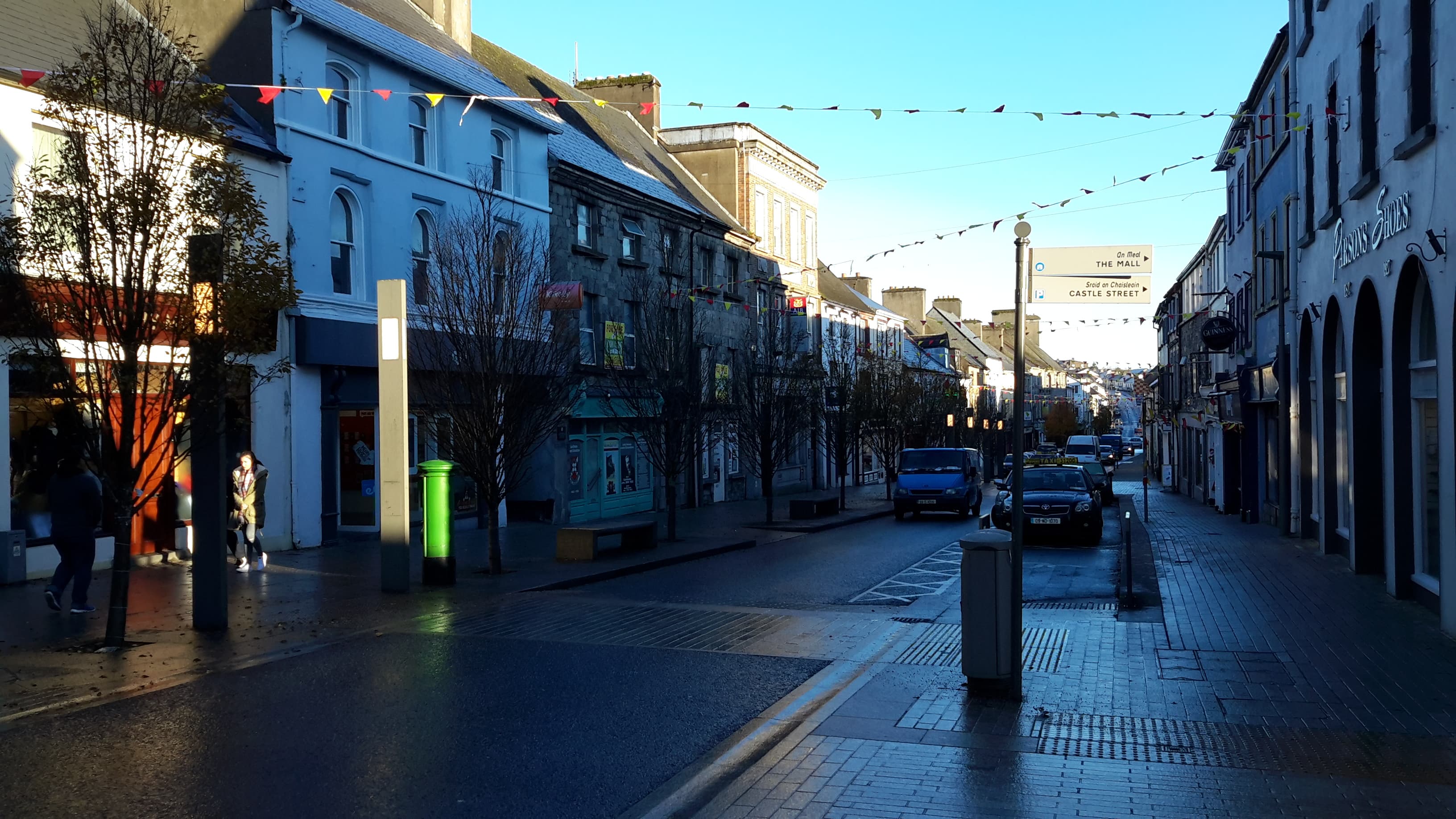
The heart of County Mayo’s casual food scene beats in Castlebar, the county town. Every Tuesday, the Castlebar Weekly Food & Craft Market transforms the indoor venue into a hub of local commerce and cuisine. This is not a sterile supermarket aisle; it is a gathering place where farmers, bakers, and food producers sell directly to the public.
Visitors can find stalls offering freshly baked goods, including traditional Irish brown bread and soda bread, often still warm from the oven. Local artisans display jars of homemade chutneys, pickles, and preserves made from vegetables grown in the fertile Mayo soil. One of the standout offerings is the availability of high-quality meats and cheeses from local farms. A slice of sharp cheddar from a nearby dairy or a sample of cured salmon provides a quick, flavorful snack. Prices are generally affordable, with a loaf of artisan bread costing around €3–€4 and a wheel of cheese ranging from €10–€15. The market operates indoors, making it a reliable option even during the unpredictable spring showers that often sweep across the region.
Ballina’s Festival Flavors and Food Fleadh
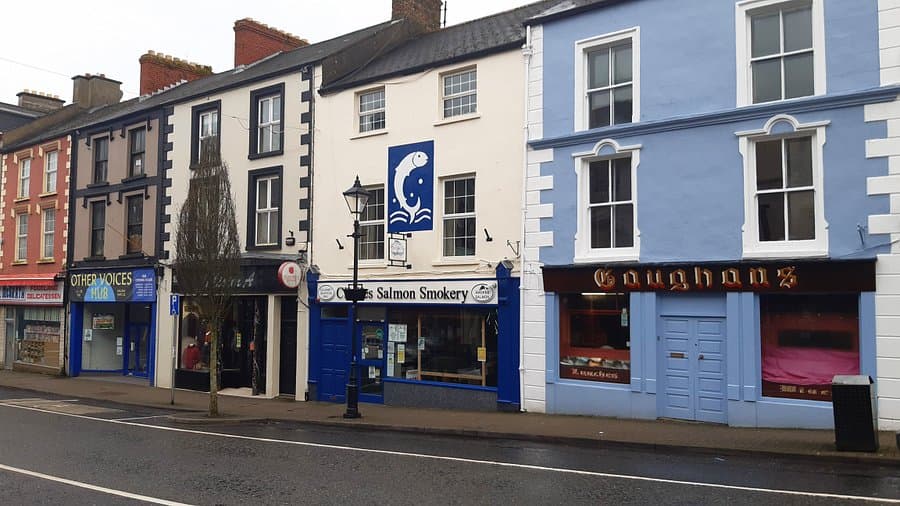
A short drive east along the Wild Atlantic Way lies Ballina, a town that embraces food as a central part of its cultural identity. While Ballina does not have a permanent open-air street food market, it hosts significant food-focused events that function as temporary street food destinations. The Ballina Food Fleadh and the Ballina Salmon Festival are prime examples.
During these festivals, the town’s streets and public squares fill with vendors offering a wide array of dishes. The Salmon Festival, in particular, highlights the region’s most famous export. Visitors can sample smoked salmon canapés, salmon burgers, and seafood chowders from various stalls. The atmosphere is lively, with live music and local crafts adding to the experience. For those visiting outside of festival dates, Ballina’s town center still offers casual eateries and cafes where you can grab a quick bite. The town’s connection to the River Moy ensures that fresh seafood is a staple, often served in simple, handheld formats that allow for easy consumption while exploring the historic bridges and waterfront.
Westport’s Casual Dining and Street-Style Eats
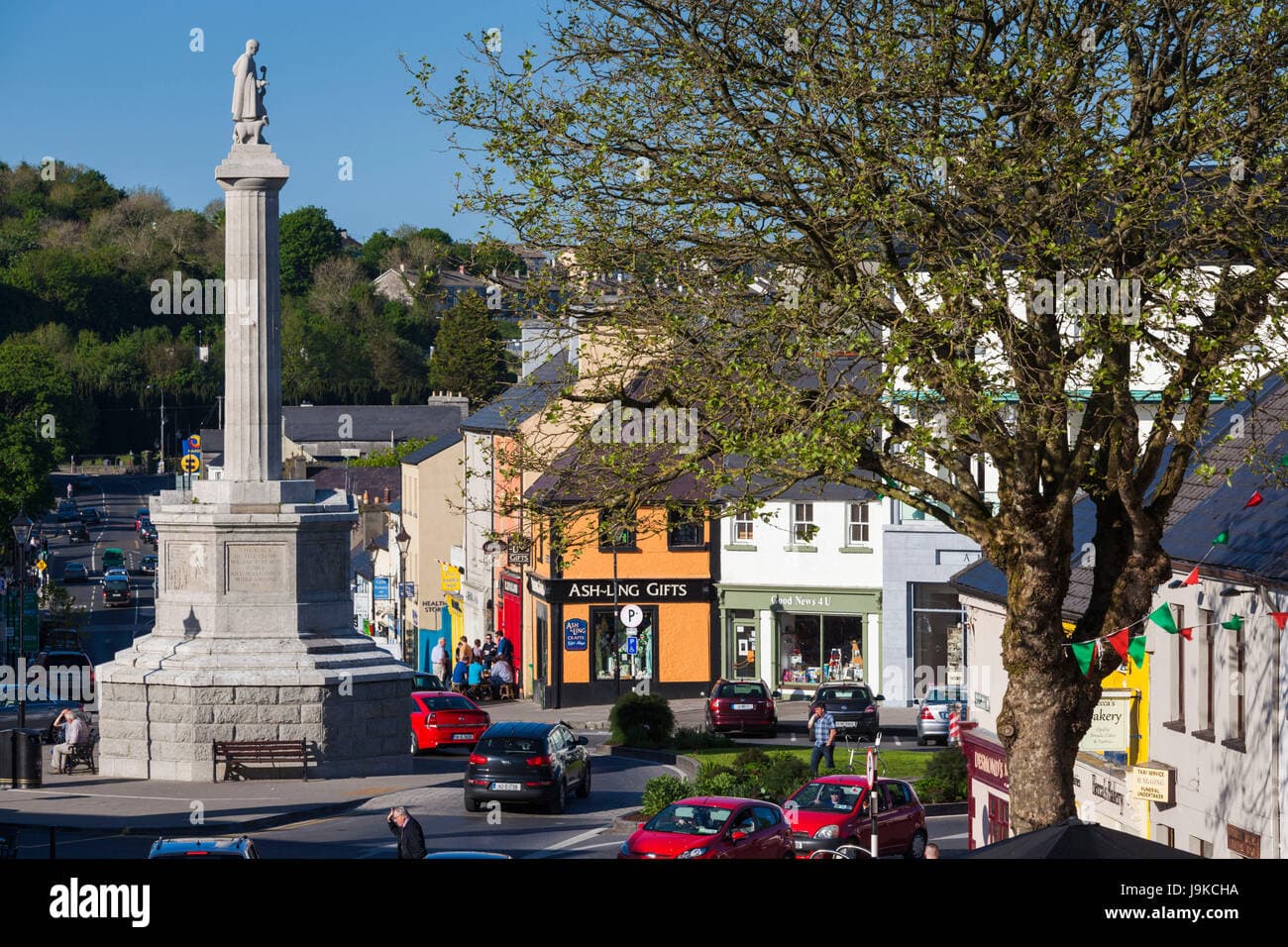
Westport, known for its Georgian architecture and vibrant social scene, offers a slightly more refined take on casual eating. While traditional street food carts are rare, the town’s main street, Pearse Street, is lined with cafes, bakeries, and food trucks that provide a similar experience. In spring, the weather often encourages outdoor seating, and many establishments offer takeaway options that can be enjoyed while strolling through the town or along the nearby Esplanade.
Local favorites include fresh pastries from independent bakeries, where you might find a boxty scone or a fruit loaf made with seasonal berries. Food trucks occasionally pop up in the town square or at local events, offering everything from gourmet burgers to Irish stew in a bowl. The town’s proximity to the Atlantic Ocean means that fresh fish and chips remain a popular and accessible option. A portion of fish and chips from a local chipper typically costs between €8–€12 and is best enjoyed with a view of Clew Bay. Westport’s food scene is characterized by its quality and innovation, with many vendors sourcing ingredients from local farms and fisheries.
The Rise of Asian Street Food in Mayo
An unexpected but delightful addition to Mayo’s food landscape is the emergence of Asian street food concepts. In Castlebar, for instance, establishments like Lana Castlebar Asian Street Food have gained popularity for offering affordable and flavorful dishes in a casual setting. This reflects a broader trend in Ireland, where urban and semi-urban areas are seeing an increase in diverse culinary offerings.
These venues typically serve dishes such as pad thai, spring rolls, and dumplings, often available for takeaway or quick service. Prices are generally low, with main dishes ranging from €8–€12. This option provides a welcome contrast to the traditional Irish fare and appeals to travelers seeking variety. The success of such eateries indicates a growing appetite for international flavors in the region, blending global trends with local accessibility. For those exploring Mayo, these spots offer a quick, tasty break that differs from the usual pub food or market fare.
Practical Tips for Street Food Enthusiasts in Mayo
To make the most of the casual food scene in County Mayo, consider the following practical advice. First, check local event calendars for festivals and markets, as many food vendors operate on a seasonal or event-based schedule. The Castlebar Weekly Market is a consistent Tuesday fixture, but festivals like the Ballina Salmon Festival occur annually, usually in late summer. Spring may offer fewer large-scale food events, but local markets and cafes remain open.
Second, carry cash. While card payments are widely accepted, smaller market stalls and food trucks may prefer cash transactions, and it ensures a smoother experience. Third, dress for the weather. Spring in Mayo can be cool and wet, so layers and a waterproof jacket are essential for comfortable outdoor dining or market browsing. Finally, be open to local specialties. Try the boxty (a potato pancake), fresh seafood, and artisanal cheeses. These items represent the best of Mayo’s agricultural and coastal resources and are often available in portable, street-food-friendly formats.