Canillo has no street food scene. You eat in restaurants or you go hungry. The real meal is the walk up the mountain.
The Anti-Market
You want street food. You want the chaos of Bangkok, the steam of Mexico City, the plastic stools of Istanbul. You want to point at a skewer, throw cash at a stranger, and pretend you’re living on the edge. Canillo, Andorra, will not give you that. It refuses to perform that role. There are no night markets here. There are no sizzling grills lining the pavement. There are no vendors shouting prices in a language you don’t speak. If you show up expecting a food tour of the sidewalks, you are already disappointed. You are looking for a shortcut to culture, and Canillo demands you earn it.
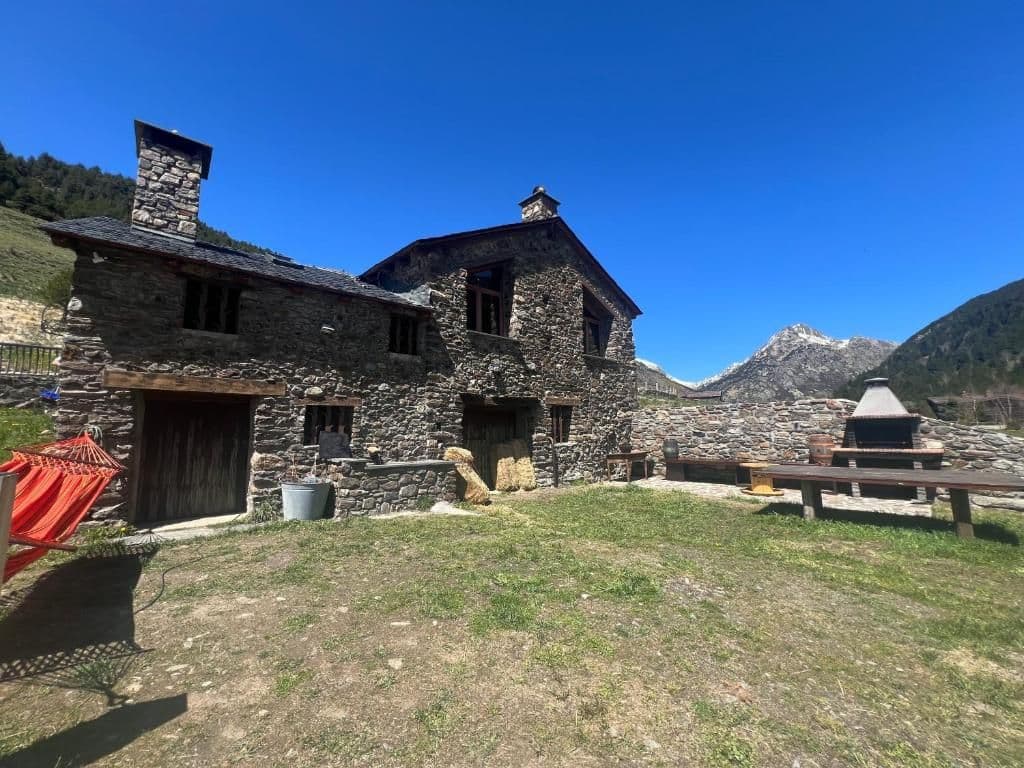
The reality is stark. Canillo is a parish in the Pyrenees, not a culinary hub. The "street food" here is a myth sold by algorithms that don’t understand geography. The dining scene is anchored in sit-down establishments, taverns, and cafes where you pull out a chair, order a beer, and wait. This is a feature, not a flaw. It forces you to slow down. It strips away the tourist theater of "grabbing a bite" and replaces it with the act of eating. You are not a consumer passing through. You are a guest sitting still.
What Actually Exists
If you insist on eating without a reservation, your options are limited to what the local infrastructure allows. The closest thing to casual, accessible food is trinxat. It is a heavy, comforting mash of potatoes and cabbage, often served with sausage or ham. It is the food of laborers, of people who have worked in the cold and need fuel. You will find it in the local bars and restaurants in Canillo village. It is dense, salty, and honest. It does not care about your Instagram feed. It cares about your stomach.
Pair it with vermut. It is a traditional aperitif, a wormwood-infused wine that tastes of herbs and history. Locals drink it before meals, standing at the bar or sitting at a small table. It is the social lubricant of the parish. In Canillo, where the pace is dictated by the mountains rather than the clock, the vermut is a pause button. You order one, you watch the bus pull away, you watch the clouds move over Roc del Quer. The food is secondary to the ritual.
There are no unique "Canillo street dishes" to list. There are no signature skewers or dumplings. The cuisine is Andorran, which means it is a blend of Catalan and French influences, rooted in mountain survival. If you want variety, you leave the parish. If you want authenticity, you eat what is here: the trinxat, the vermut, the bread.
The Transit Reality
You cannot drive yourself into a food coma and then wander aimlessly. The roads in Canillo are narrow, winding, and often icy or muddy depending on the season. You take the bus. The public transport system is the only honest way to move. Lines L3, L4, and N2 connect Canillo to Andorra la Vella and other parishes. The N2 runs at night, linking you to Pas de la Casa if you are chasing the nightlife that spills over from the ski resorts.
The ride from Andorra la Vella takes about 13 minutes. It costs around $2 USD (1.80–2.00 EUR). It is a utility, not a luxury service. You pay the driver, you find a seat, you look out the window at the pine forests and the stone houses. There is no Wi-Fi. There is no entertainment. There is only the movement. This transit time is part of the experience. It isolates you from the tourist centers. It drops you into a community that does not revolve around your convenience.
There are no trains. Andorra has no railway network. You are cut off from the high-speed rail lines that connect Europe. This is intentional. The mountains keep you here. You are not a transit node. You are a destination.
The Landscape as Appetizer
Before you eat, you walk. The hunger you feel after climbing to Roc del Quer is a physiological demand for energy. This rock formation offers a viewpoint that stretches across the valleys. The air is thin, cold, and clean. It tastes of nothing, which makes the first bite of trinxat taste like everything.
Then there is the Pont Tibetà (Tibetan Bridge). It is a suspension bridge, an adventure attraction that swings you over a gorge. It is a place for adrenaline, not for eating. You cross it, your heart rate spikes, your hands shake. When you get back to the village, the food hits different. It is not a meal. It is a reward. The bridge strips away your pretensions. You are not a food critic here. You are a body that moved through space and now needs to refuel.
The Sant Joan de Caselles church stands nearby, one of the best-preserved Romanesque structures in the Pyrenees. It is silent, stone, and ancient. It does not sell anything. It asks for nothing. It reminds you that this place existed long before you decided to "explore" it. You eat in the shadow of this history. You are small. Your appetite is small.
When to Go
Canillo is a year-round destination, but the seasons dictate the experience. Summer is for hiking, for the Pont Tibetà, for the green valleys. Winter is for the ski resorts of Soldeu and El Tarter, which are part of the parish. The Festa Major in mid-July is the local festival, a time when the community gathers, music plays, and the streets feel alive. This is the closest you will get to a "street food festival," but it is still rooted in local bars and taverns, not vendor stalls.
Be aware of the holidays. Assumption Day is on August 15, 2026. Expect higher demand, surge pricing, and crowding. Book early. National Day is September 8, 2026. All Saints' Day is November 1, 2026. Immaculate Conception Day is December 8, 2026. Christmas Day is December 25, 2026. Saint Stephen's Day is December 26, 2026. These dates are marked on the calendar, but the real rhythm is set by the weather and the work of the mountain.
This is not a place for fast travel. It is for slow travel. For solo travelers who want to disappear. For families who want to teach their children that food is not a commodity but a necessity. Stay for two nights. Eat the trinxat. Drink the vermut. Walk the bridge. Leave.
FAQ
Is there any street food in Canillo? No. There are no street food markets or vendor stalls. Dining is primarily restaurant-based. You will find casual bars serving local dishes like trinxat, but you will not find sidewalk vendors.
How do I get to Canillo? Take the bus from Andorra la Vella. Lines L3, L4, and N2 serve the parish. The journey takes about 13 minutes and costs around 2 EUR. There is no railway service.
What should I eat? Order trinxat (potato and cabbage mash) and a glass of vermut. These are the staples of the local dining scene. They are affordable, filling, and authentic to the region.