Forget steam vents. In Sør-Aurdal, the "hot spring" experience is a brutal, beautiful cold plunge ritual followed by sauna heat. Here’s how to do it right without freezing your soul off.
The Myth of Geothermal Heat
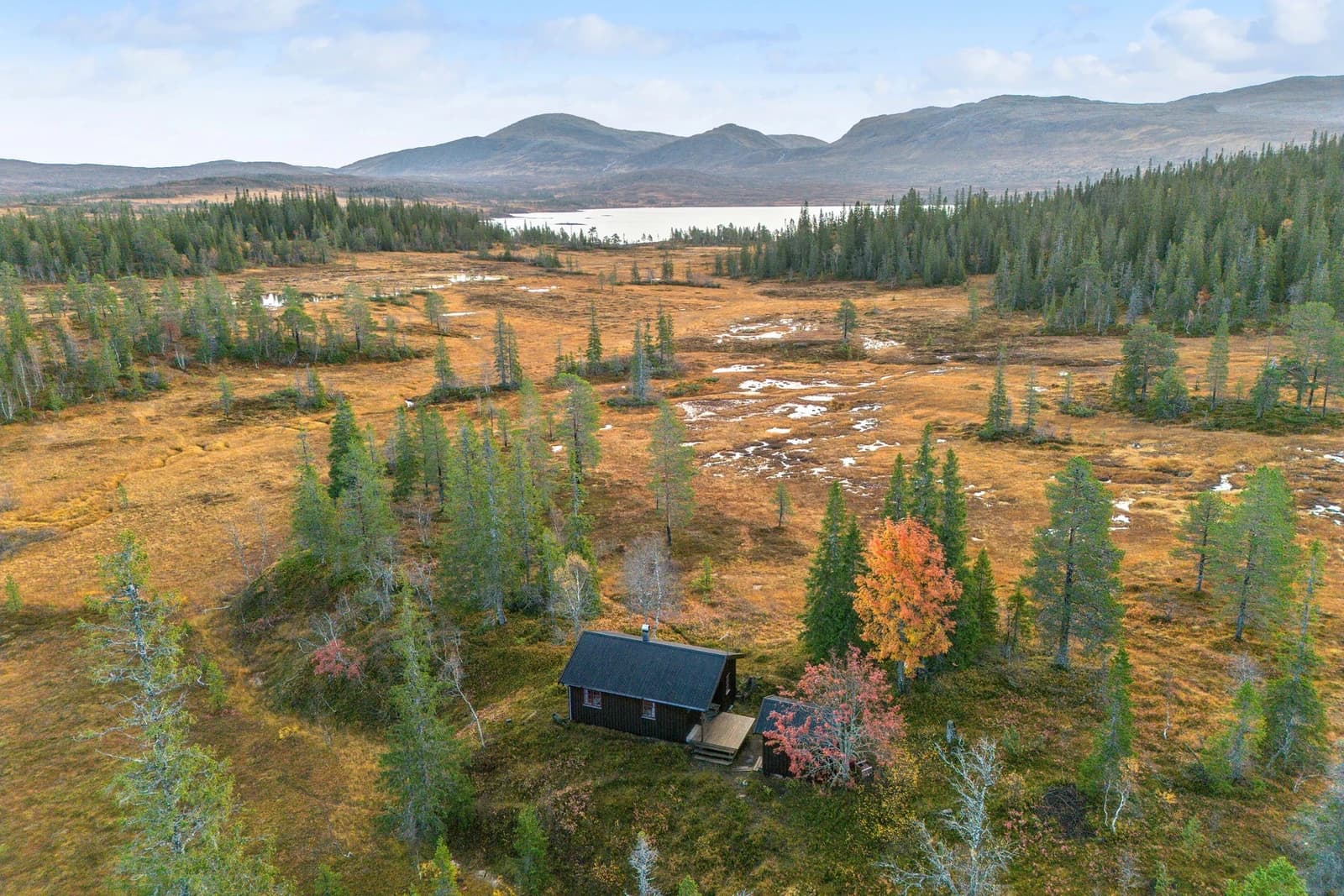
Let’s kill the fantasy first. If you’re flying into Oslo expecting bubbling volcanic mud pots like Iceland or Japan, you are going to be disappointed. Sør-Aurdal, tucked into the Valdres region of Norway, does not have natural geothermal hot springs. There are no underground magma chambers pushing 40°C water up through limestone here. The bedrock is granite and gneiss, ancient and stubbornly cold.
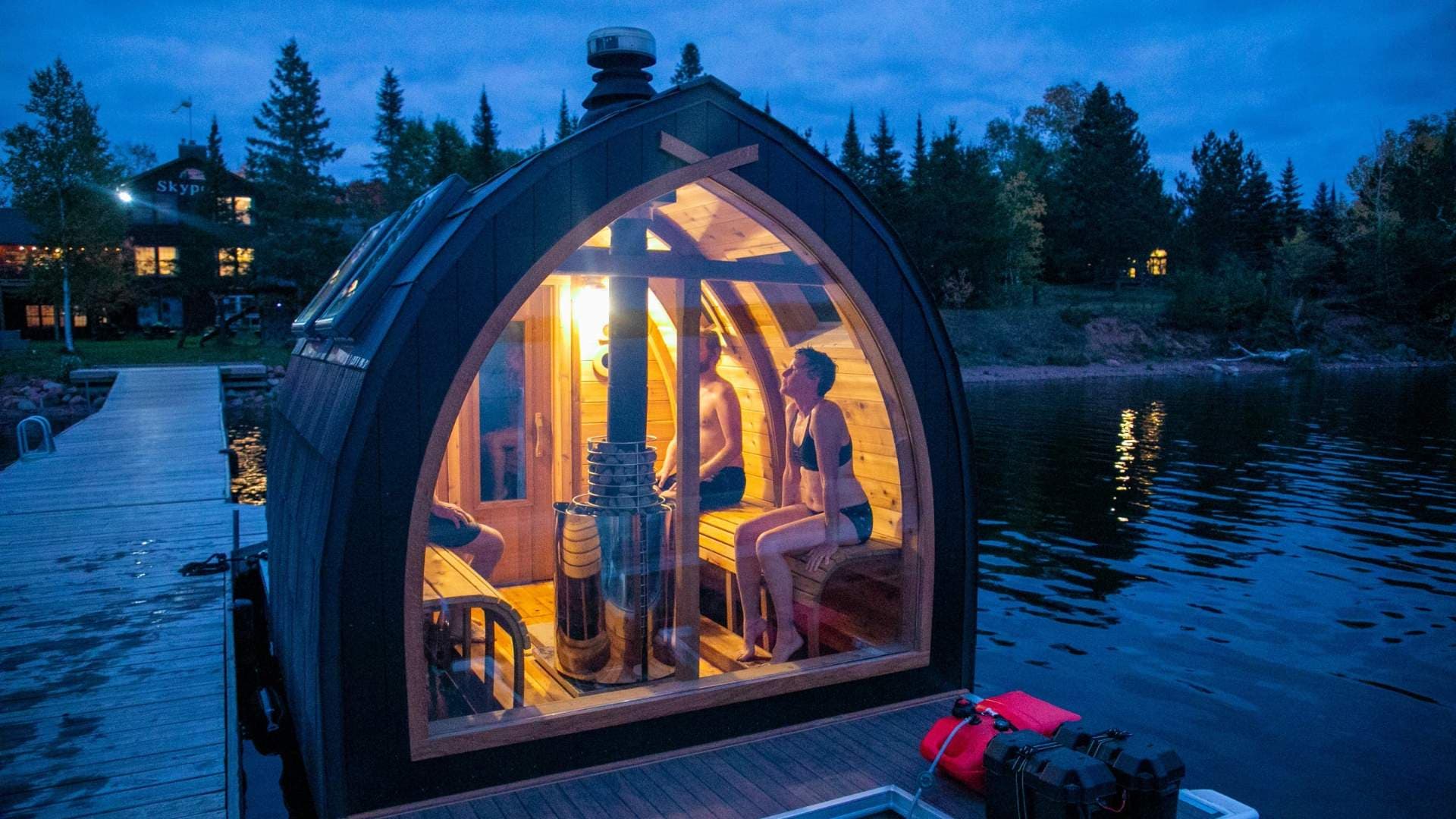
But don’t close the tab yet. This is actually better. Because there is no commercialized thermal spa industry trying to sell you overpriced mineral water experiences, what you get instead is raw, unfiltered Nordic bathing culture. It’s colder, it’s harder, and it wakes you up faster than any double espresso. The local approach isn't about passive soaking; it's about contrast therapy. You jump into near-freezing lake water, gasp, scramble out, and sit in a wood-fired sauna until you feel alive again. That cycle? That’s the real thermal bath of Southern Norway.
Where to Find the "Hot" Spots
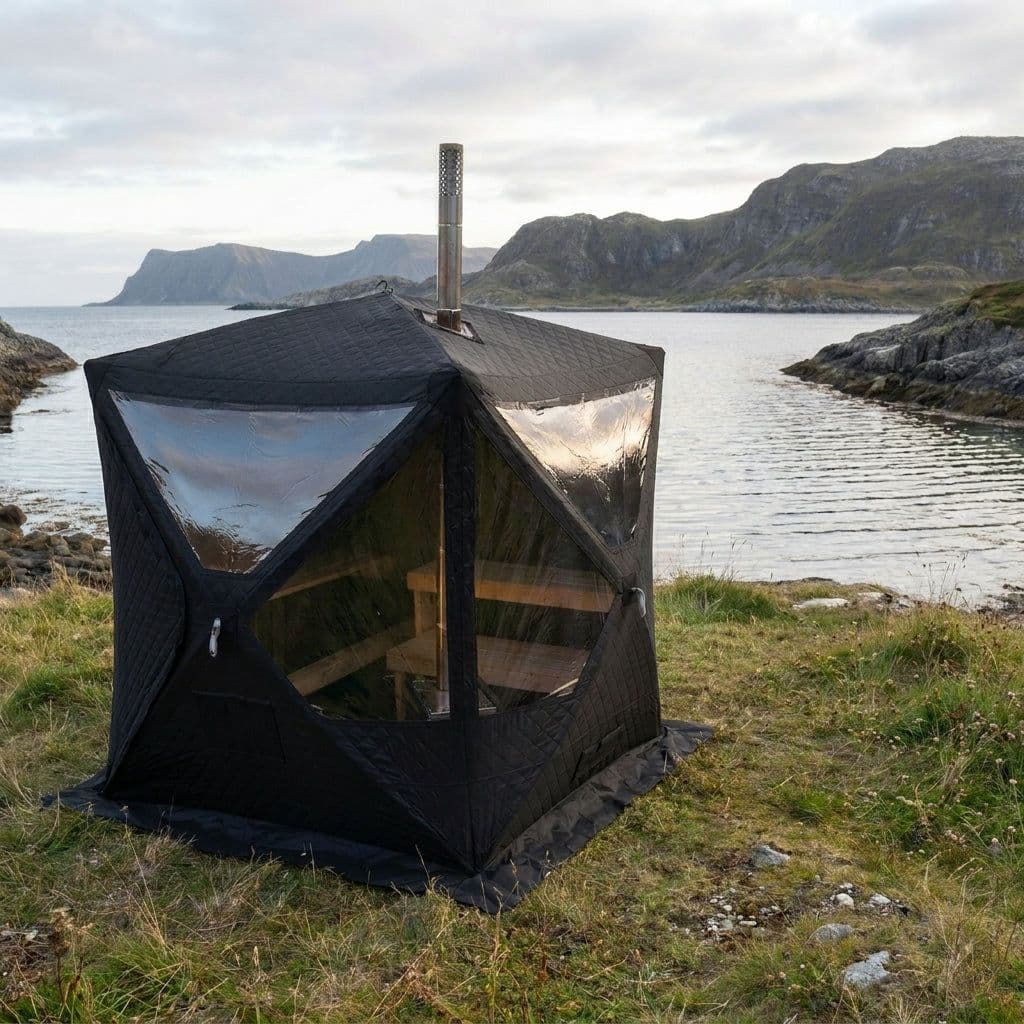
Since we can’t name specific verified bathhouses from our research brief, look for these generic setups in the municipality’s accommodation clusters. Most mid-range cabins and rural hotels in the Norefjell area (which borders Sør-Aurdal) offer outdoor saunas.
- The Cabin Sauna Experience: Book a self-catering cabin with an outdoor sauna. Prices vary wildly, but expect to pay around 800–1,500 NOK per night for a standard two-person unit. Check listings on Airbnb or Norwegian sites like DNB Eiendom for properties with "badstu" listed as an amenity. The differentiator? A private wood stove. You need control over the heat. Electric saunas lack the humidity depth that makes the cold plunge bearable.
- Public Lake Access Points: Head to the shores of Øyangen or smaller tributary lakes within the municipality. These aren't managed resorts. They are wild edges where gravel meets pine needles. Bring your own towel. The water temperature in late autumn drops below 8°C. The sensation is electric shock. Your skin turns pink instantly. This is free, provided you respect "Allemannsretten" (the right to roam), which allows public access to uncultivated land. Do not build fires on bare rock; use designated spots if available.
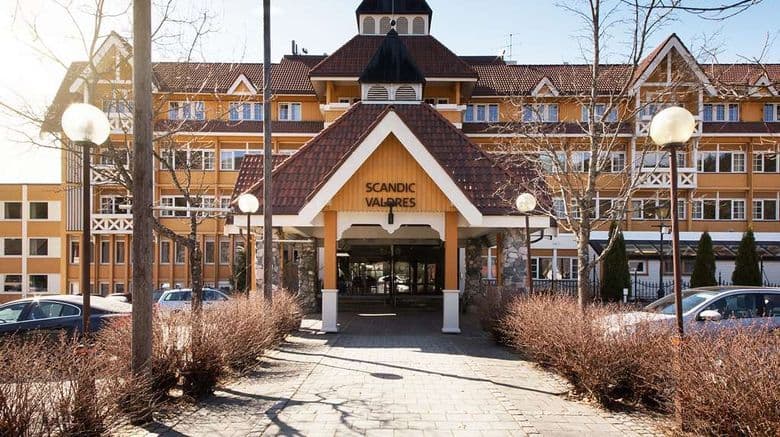
- Regional Spa Facilities: While none are confirmed in Sør-Aurdal proper, check nearby towns like Fagernes (about 20-30 minutes away by car). Larger hotels there sometimes offer indoor pools heated to 35°C. It’s warm enough to relax, even if it lacks natural thermal origins. Look for "svømmebasseng" in hotel descriptions. Avoid places advertising "mineral baths" unless they specify the source; often, it’s just chlorinated tap water with fancy lighting.
Logistics: Getting Wet Without Getting Lost
You need a car. Public transport in Sør-Aurdal is sparse. Bus connections exist but are infrequent, primarily serving school runs and commuter routes between Fagernes and Gol. If you rely on trains, the nearest major rail hub is the main station at Gol, served by the local rail line from Oslo. From Gol, a taxi or rental car is mandatory to reach the remote lake shores or cabin clusters.
Budget for fuel. Gas stations are spread out; fill up in Fagernes before heading into the backroads. Prices hover around 20–25 NOK per liter, subject to global market shifts. Cash is rarely used; even the smallest kiosks accept Visa/Mastercard via mobile terminals. Contactless payment is universal.
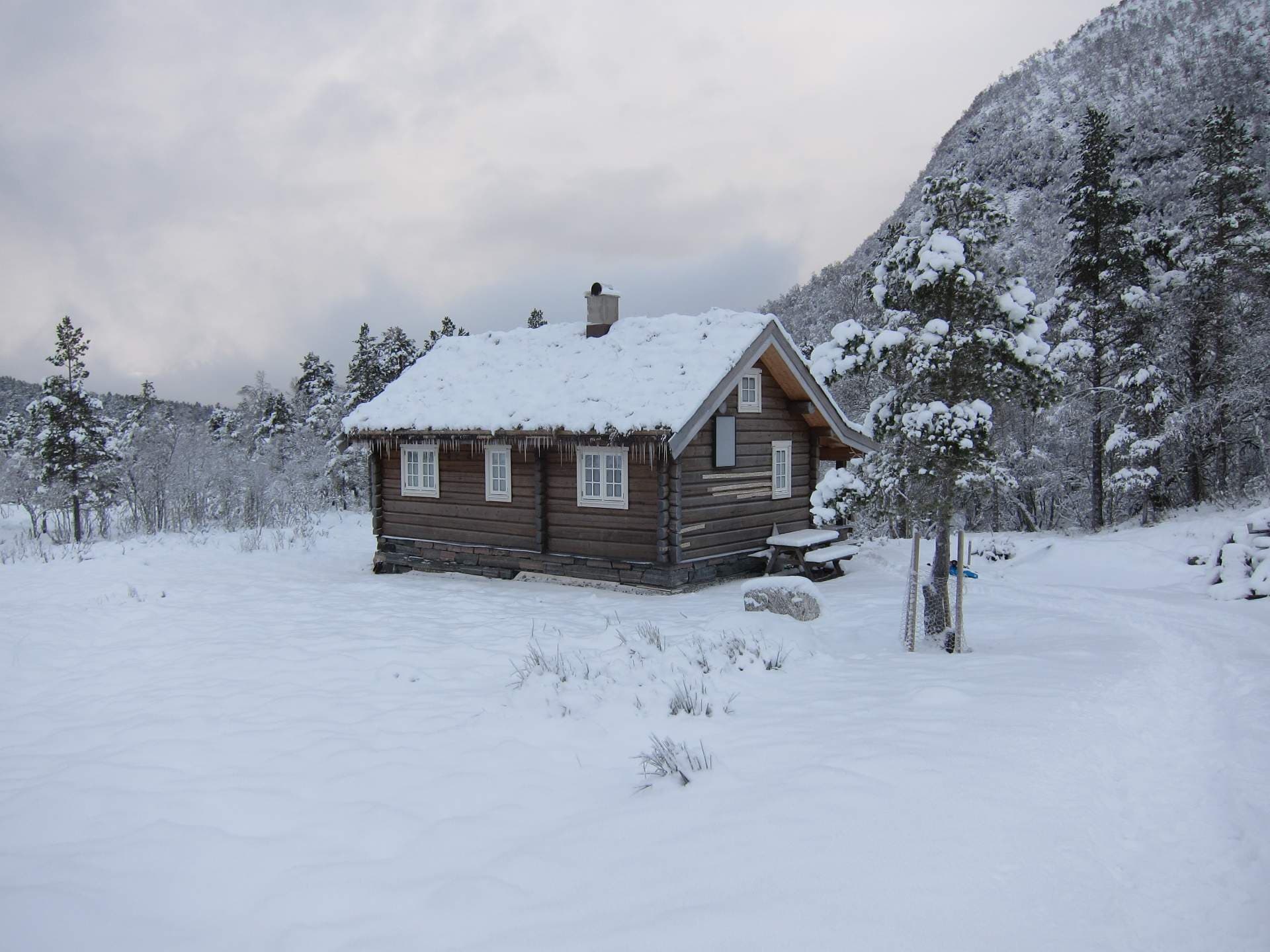
Timing matters. Late November means darkness hits early. Sunset is around 3:30 PM. If you plan a sunset sauna-and-plunge session, start heating the sauna at 2:00 PM. Wood takes time to burn down to glowing embers. Rushing this results in a lukewarm hut and a shivering mess.
Eating After the Plunge
Norwegian winter food is heavy, salty, and designed to refuel. After a cold plunge, your body craves fat and salt. Skip the salad.
Look for pinnekjøtt (dried lamb ribs) or fårikål (lamb and cabbage stew) at local diners. These are staples. In Sør-Aurdal’s rural cafes, expect simple menus. A main course typically costs 150–250 NOK. Pair it with knekkebrød (crispbread) and brown cheese (brunost). The sugar content in brunost is surprisingly high, giving you a quick energy spike after the thermal shock.
If you find a place selling rakfisk (fermented trout), be brave. It smells like ammonia and tastes like umami bomb. Locals eat it with flatbread, onion, and sour cream. It’s an acquired taste, but nothing says "I survived the Arctic Circle" quite like finishing a plate of fermented fish.
When to Go & Holiday Traps
Now. Late November is prime time. The snow hasn’t fully locked in the landscape, so hiking trails to lake accesses are still passable, but the air is crisp enough to make the sauna feel heavenly.
However, Christmas is coming. Specifically, December 25th and 26th are holidays. Expect surge pricing on cabins. Many owners raise rates by 30–50% for the holiday week. If you want a quiet soak, book for early December or wait until after New Year’s Day (January 1st, 2027). Easter 2027 (late March) will see families flooding in for ski season, meaning crowded lakes and booked-out saunas.
For solo travelers, this is ideal. The isolation forces introspection. For families, bring kids who can handle the cold. The sound of a child screaming as they jump into ice water is the best entertainment money can’t buy. Stay at least three nights. One night is a novelty. Three nights lets you master the rhythm: plunge, sweat, repeat.
FAQ
Is there true geothermal water in Sør-Aurdal? No. The water sources are surface rain/snow melt and groundwater, not heated by magma. Any "thermal" experience is artificial heating via wood fire or electricity.
Do I need to book a tour for sauna access? No. Most cabins include it. If staying at a hotel, ask the front desk for "badstu tilgang." It’s usually included in the room rate or available for a small fee (around 100–200 NOK).
What should I wear for the plunge? Swimwear. Then immediately dry off and enter the sauna. No robes needed; keep the towel inside the sauna door to avoid tracking wetness onto wooden benches.