Skip the malls. In this Cuban spa town, the real treasure hunt happens in quiet plazas and hotel corridors where vintage charm outweighs inventory.
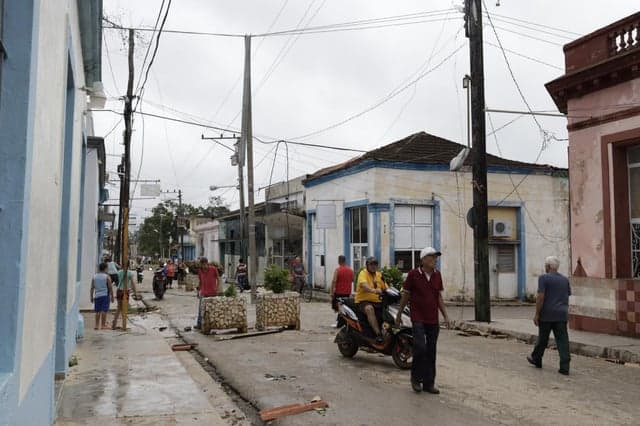
There is no neon-lit promenade in San Antonio de los Baños. There are no glass-fronted boutiques shouting about sales, and you will not find a duty-free shop that feels like an airport terminal. If you arrive expecting a shopping district in the Western sense—a grid of stores, air conditioning, and endless choice—you have come to the wrong coordinates. This is a town built on water, not commerce. Specifically, hot water. The thermal springs that gave this municipality its name are the reason anyone is here, and the commercial rhythm of the place beats to the slow, therapeutic tempo of spa culture rather than retail therapy.
But that does not mean you leave with empty hands. It means you have to adjust your expectations from "shopping" to "scavenging." The act of buying things here is less about acquisition and more about discovery. You are not browsing; you are hunting for the one ceramic mug, the one hand-woven textile, or the one bottle of local rum that makes the drive from Havana worthwhile. The inventory is sparse, the hours are unpredictable, and the experience is entirely human. It is charming if you let it be.
The Plaza and the Periphery
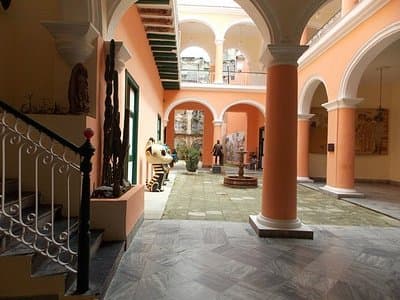
The heart of any commercial activity in San Antonio de los Baños is the main plaza. It is a single square surrounded by colonial architecture that has seen better decades but retains a stubborn dignity. If you are looking for goods, this is where you start. The shops here are small, often family-run, and they sell what the locals need and what the tourists want: basic souvenirs, postcards, and perhaps a few items of clothing.
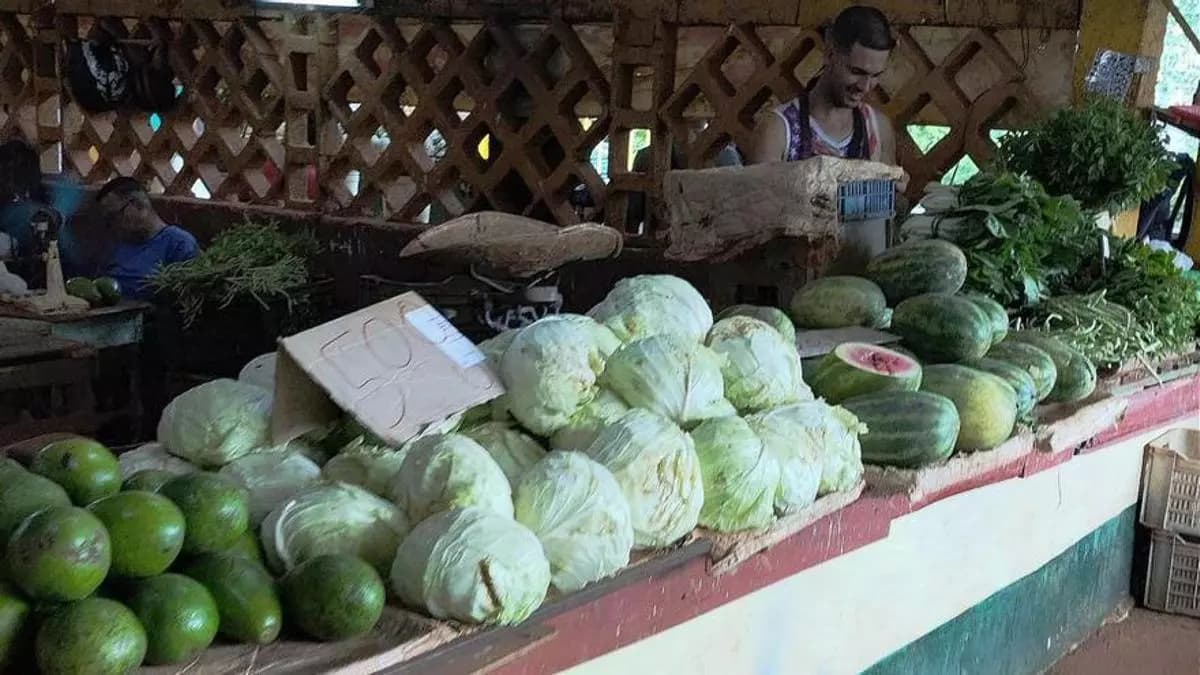
Do not expect variety. Expect character. A shop might be open because the owner is in the mood, or closed because the power is out, or because they are having lunch at 1:00 PM sharp. You will find small stands selling local produce if you time your visit right. The produce is not a souvenir, but it is a testament to the region’s agricultural roots. The area around the plaza is where the town breathes. Walk the perimeter. Look into the doorways. The items for sale are often displayed on tables outside, exposed to the sun and the dust. This adds to the aesthetic. The goods sit in the open, part of the street scene.
Hotel Corridors and Private Stalls
Because the town is a resort destination, a significant portion of its retail activity is tucked away inside the hotels. The large state-run hotels and the newer private casas particulares often have small gift shops in their lobbies or corridors. These shops function as curio stores. You will find Cuban cigars, rum, and perhaps some locally made crafts. The prices here are often fixed and slightly higher than what you might find in a local market, but the convenience is undeniable. You do not have to haggle, and you do not have to worry about the shop closing in ten minutes.
The items sold here are standard Cuban fare: tobacco products, spirits, and small handicrafts. However, the context changes the value. Buying a cigar in a hotel lobby in San Antonio de los Baños feels different than buying one in a tourist trap in Varadero. It feels local. The staff may offer advice, or they may simply nod and process your transaction with a polite indifference. Either way, you are participating in the town’s primary industry: hospitality. The retail is secondary, a byproduct of the stay.

Practicalities of Buying
Money is the first hurdle. While Cuba has undergone economic shifts, cash is often preferred in many small transactions. Bring small bills in USD or EUR, and be prepared to pay in Cuban Pesos (CUP) if you are dealing with local vendors who do not typically accept foreign currency. Exchange rates fluctuate, so do the math before you buy. A small ceramic bowl might cost you $2 in USD, but if you are paying in CUP, ensure you know the current rate to avoid overpaying.
Haggling is not always expected, but it is not forbidden. In the plaza, you might offer a lower price for a souvenir. Do it with a smile and a shrug. If the seller says no, accept it gracefully. In the hotels, prices are typically fixed. Do not haggle there. It is rude and ineffective.
Timing is everything. Shops in the plaza open in the morning and may close for the afternoon siesta. If you want to browse, go early. The light is better, the crowds are thinner, and the vendors are more likely to be awake. The heat in the summer months can be oppressive, so midday shopping is less about commerce and more about endurance. Dress lightly, wear comfortable shoes, and carry a bottle of water. The streets are not paved with gold, but they are paved with concrete that radiates heat.
When to Go and Who It’s For
The best time to visit San Antonio de los Baños for shopping, if you can call it that, is during the dry season, from November to April. The weather is pleasant, and the outdoor plazas are usable. In the summer, the heat can make walking around the town square a test of willpower. However, if you are already in Havana for the summer, the short drive makes it a viable day trip.
Upcoming holidays in Cuba may affect local activity. During national celebrations, some small shops may close for festivities. It is wise to check local holiday schedules if you plan to visit during these periods. The town is small, and news travels fast. If the town is celebrating, the shops might be empty, but the atmosphere will be electric.
This is not a place for serious shoppers. If you need a new wardrobe, go to Havana. If you want a specific brand of electronics, go to Miami. But if you want a story, a small object that smells like the place it came from, and a reminder that not everything in life is available with a click, San Antonio de los Baños is perfect. It is for the slow traveler, the observer, the one who enjoys the friction of travel.
FAQ
Is there a mall in San Antonio de los Baños? No. The town is a small spa resort. There are no large shopping centers or malls. Commerce is limited to small shops in the plaza and hotel gift shops.
Can I use credit cards in local shops? It is unreliable. Many small vendors only accept cash. Bring small denominations of USD or EUR, and be prepared to exchange for CUP. Hotels may accept cards, but fees can be high.
What should I buy there? Focus on small souvenirs: local crafts, cigars, or rum. Do not expect electronics, clothing brands, or imported goods. The value is in the authenticity and the story, not the utility.