A 40-minute drive from Dushanbe transforms into a high-altitude odyssey through Varzob’s granite walls. Here is how to navigate Tajikistan’s most accessible mountain road without getting stuck in mud or politics.
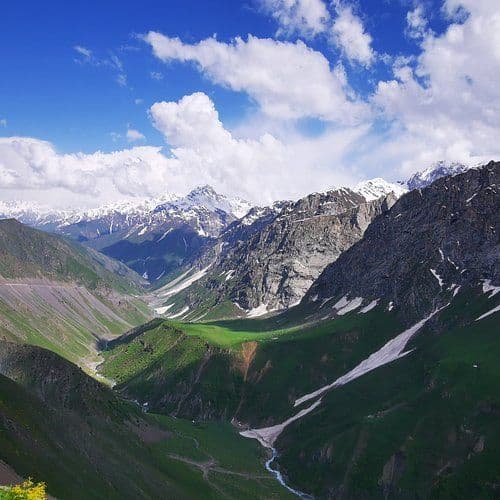
The tarmac peels away roughly twelve kilometers northeast of Dushanbe, leaving the dust and diesel fumes of the capital behind for the sharp, pine-scented air of the Varzob valley. This route demands commitment rather than casual leisure; it is a narrow ribbon of asphalt that clings to the side of the Hissar Range like a barnacle on a whale. For anyone attempting a road trip in Tajikistan, Varzob District offers the most immediate confrontation with the country’s topography. You leave the Soviet-era grid of the city and enter a landscape where the road width is dictated by rockfall history rather than urban planning standards.
The Route: Asphalt, Gravel, and Gravity
The primary artery here is the highway running northeast up the Varzob valley, often referred to locally as the old Varzob road before it merges into the larger corridor toward Anzob and eventually Uzbekistan. Do not expect the smoothness of European autobahns. The first ten kilometers are manageable in a standard sedan, but beyond the town of Varzob itself, the gradient steepens aggressively. If you are driving a low-clearance vehicle, you will spend half your time scraping undercarriages on loose gravel patches that shift after every rainstorm.
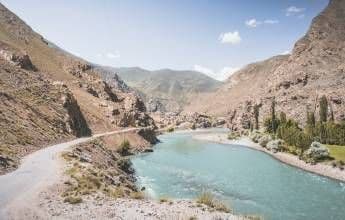
I have driven this stretch enough times to know that the speedometer is largely decorative past the halfway mark. The road winds through deep gorges where sunlight barely reaches the riverbed until midday. The sound profile changes distinctly: the hum of tires on concrete gives way to the crunch of stone and the roar of the Varzob River, which runs parallel to the route for much of its length. It is a visceral experience, dominated by the sheer scale of the cliffs looming overhead. If you are looking for design inspiration, note the brutalist efficiency of the retaining walls—concrete structures built during the Soviet era that still hold back tons of slate and limestone today. They are ugly, functional, and absolutely necessary.
Practical Logistics: Fuel, Tires, and Cash
There are no branded gas stations once you pass the outskirts of Dushanbe. You will need to fill up in the capital. In Varzob, fuel is sold at informal roadside stops using uncalibrated pumps that smell strongly of kerosene and rust. Expect to pay slightly higher rates per liter than in the city due to transport costs, though exact figures fluctuate weekly. Carry small denominations of Somoni; drivers and shopkeepers rarely have change for large bills.
Timing is critical. The daylight hours shrink rapidly in autumn, and night driving on this route is a gamble with visibility. Headlights from oncoming trucks can blind you around blind corners where there are no guardrails, only a drop-off into the river. Plan to reach your intended stopping point by 4:00 PM. If you are traveling solo, ensure your mobile provider has coverage; signal fades intermittently in the deeper parts of the valley, cutting off GPS navigation. Download offline maps before you leave the city.
Eating On the Move: Simple Sustenance
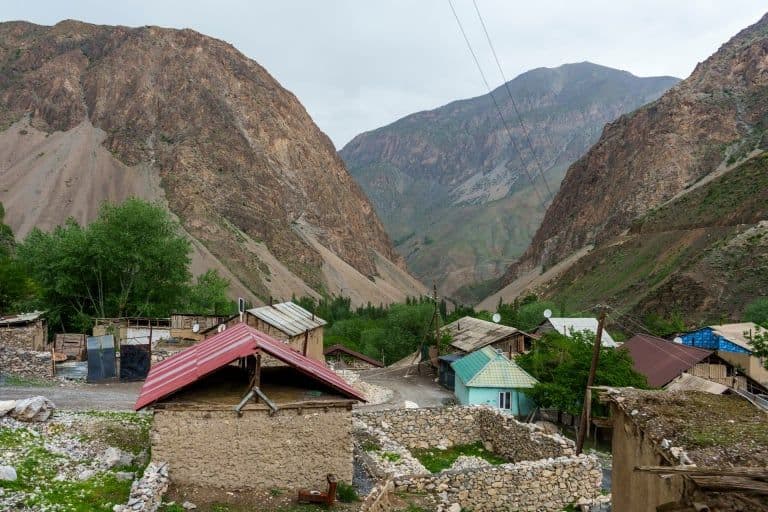
Do not expect culinary innovation at the roadside stalls that dot the lower slopes. These are survival points, not restaurants. You will find flatbread (non) baked in clay ovens, hard-boiled eggs, and sweet tea served in glass cups. It is functional food designed for truckers and locals moving goods between the mountains and the city. If you want something substantial, pack a lunch. The local cuisine in this region relies heavily on hearty grains and meats, but hygiene standards vary wildly. I stick to items cooked fresh in front of me or pre-packaged snacks brought from Dushanbe.
One notable aspect of the roadside economy here is the sale of dried fruits and nuts. Walnuts and apricots harvested from the terraced orchards higher up the valley are sold in bulk bags. They are excellent trail food, far superior to the processed bars you might buy in a supermarket. Buying directly from the vendor supports the micro-economy of the district, even if the packaging looks questionable. Just check for mold in the crevices of the nuts.
Seasonality and Planning
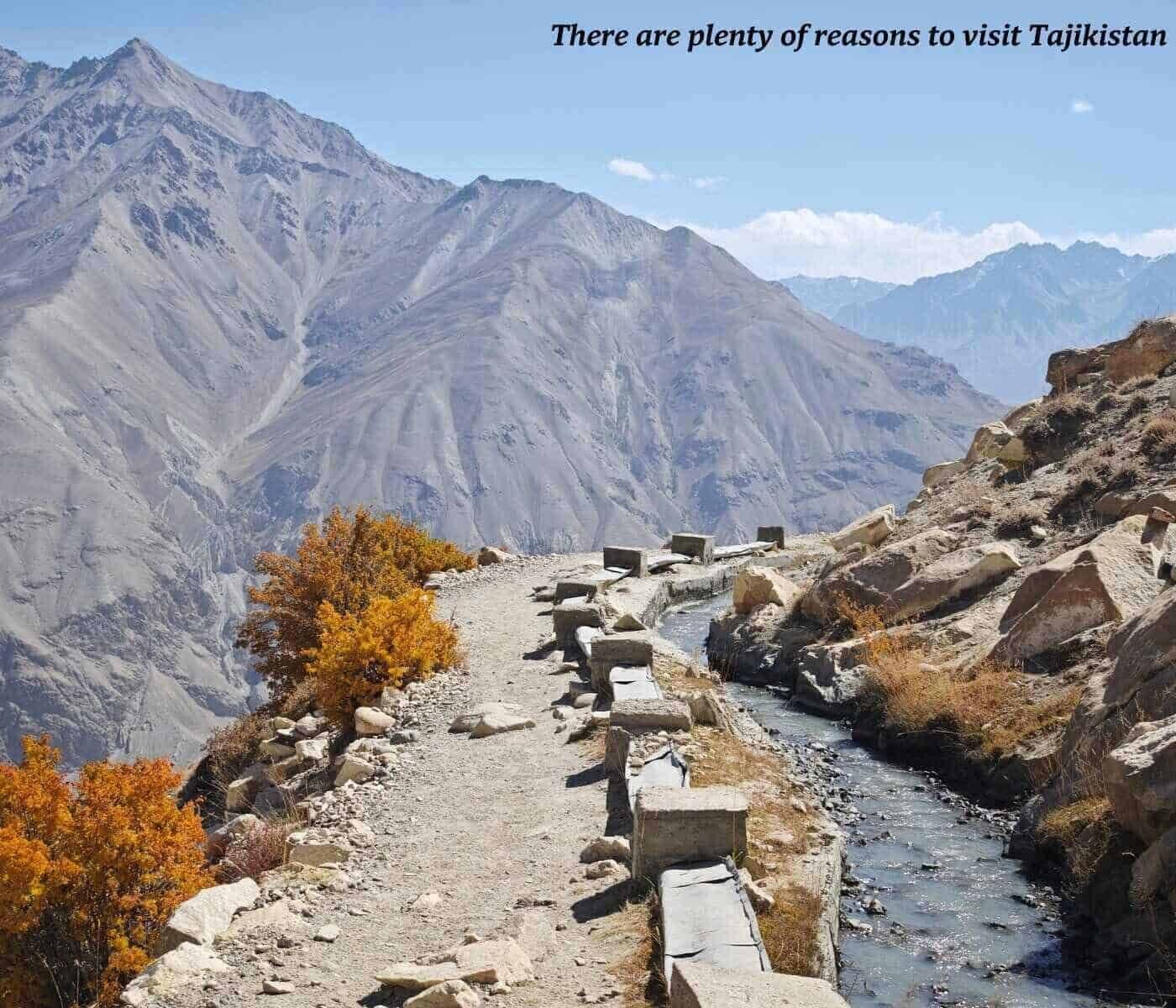
Autumn brings a stark beauty to Varzob, with poplars turning gold against the grey granite, but it also brings early frost. The roads become slicker with ice, particularly in shaded sections near the waterfalls that cascade down the cliff faces. Winter travel requires chains and significant local knowledge; snowplows are rare, and landslides are frequent. Summer is safer for casual drivers but crowded with domestic tourists seeking refuge from Dushanbe’s heat. Spring is muddy and unpredictable, with river levels rising dangerously fast.
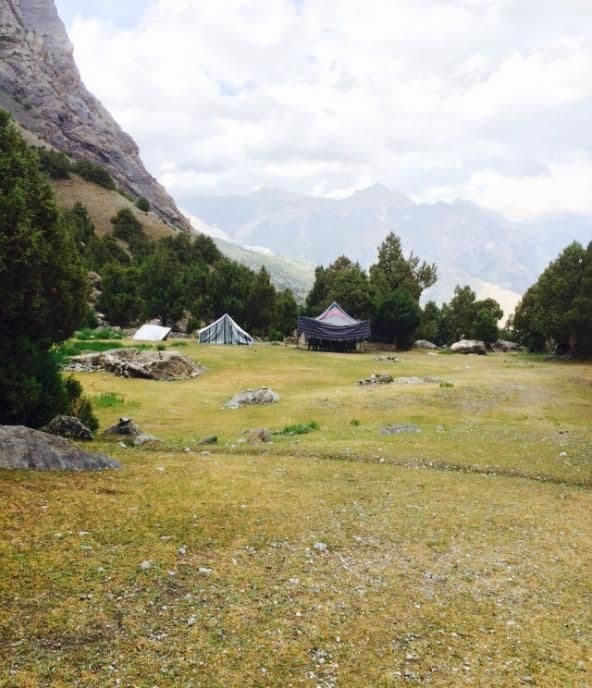
If you are planning a multi-day road trip extending beyond Varzob into the Fan Mountains, budget extra time for delays. Border checks or police stops can occur without warning. There are no major holidays on record in the next six months that would significantly impact traffic flow in this specific district, allowing for consistent travel conditions. However, always check local news for sudden closures due to weather events.
Frequently Asked Questions
Do I need a special permit to drive in Varzob District? No, standard tourist registration covers travel within the district. However, if you plan to continue further into the Gorno-Badakhshan Autonomous Region, additional permits apply. Varzob itself does not require them.
Is the road safe for self-driving? It is safe for experienced drivers comfortable with aggressive overtaking and poor surface conditions. Novice drivers should consider hiring a local driver who knows the potholes and shortcut tracks.
Can I rent a car in Dushanbe for this trip? Yes, several agencies operate in the capital. Ensure you rent an SUV with all-wheel drive. Confirm insurance coverage for off-road deviations, as minor detours to viewpoints often involve unpaved tracks.