You cannot book a balloon ride in Apac. There are no operators, no launch sites, and no confirmed infrastructure. Here is the honest ground reality for this northern Ugandan town.
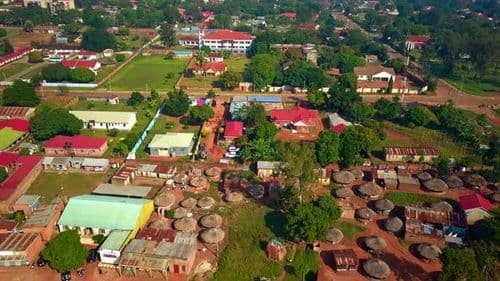
I have walked into hotel lobbies from Singapore to Dubai where the concierge will sell you anything with a pulse and a price tag. In Apac, however, the silence on hot air ballooning is deafening because it is true. If you are searching for a sunrise lift-off over the Lango sub-region, you are chasing a ghost. There are no verified balloon operators, no dedicated launch fields, and no tourism board listings confirming aerial excursions in this specific district. This isn't a case of "hidden gems" waiting to be discovered; it is a lack of commercial aviation infrastructure. The sky above Apac is vast, flat, and largely empty of tourist balloons.
The Absence of Aerial Infrastructure
Let’s cut through the marketing noise. When I check operational realities for niche activities like ballooning, I look for three things: insurance providers, licensed pilots, and maintenance hangars. In Apac, none of these are publicly verifiable. Unlike Entebbe or Kampala, which occasionally host private charter flights or have proximity to larger aviation hubs, Apac functions primarily as a regional administrative and agricultural center. The town sits at an elevation that allows for stable air currents, theoretically making it suitable for flight, but suitability does not equal availability.
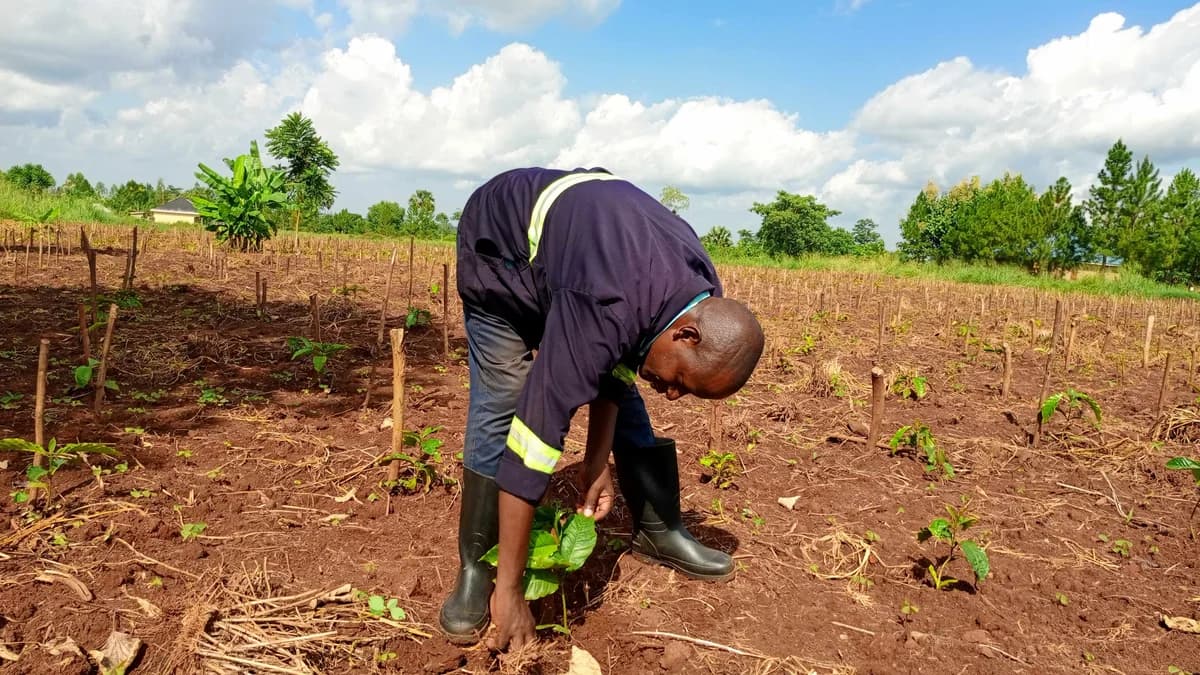
If you arrive expecting a pre-dawn shuttle to a field, you will find only dust roads and local matatus (minibuses). The local economy revolves around maize, beans, and cotton trading, not leisure aviation. Any claim of a "balloon safari" here is likely a misdirected search result pointing toward Murchison Falls National Park, which is further west and has different logistical frameworks. Do not let generic travel blogs confuse you. In Apac proper, the altitude comes from walking up the occasional slight rise near the central market area, not from a wicker basket.
Ground-Level Alternatives That Actually Exist
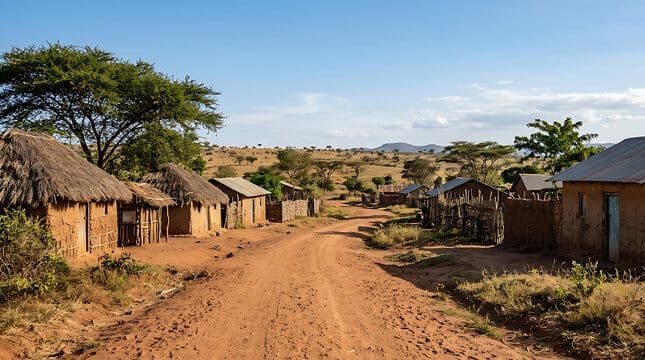
Since the balloon won’t take off, you need to know what actually moves people around Apac. The primary mode of transport is road-based. The tarmac connection from Kampala is functional but slow, often taking four to five hours depending on traffic leaving the capital and the condition of the northern highway sections. Once in Apac, the transport network is informal. Boda-bodas (motorcycle taxis) are the kings of short-distance transit. They cost pennies compared to international standards—typically under 2,000 UGX for short hops within town—but they require thick skin and a willingness to accept that your helmet might be optional.
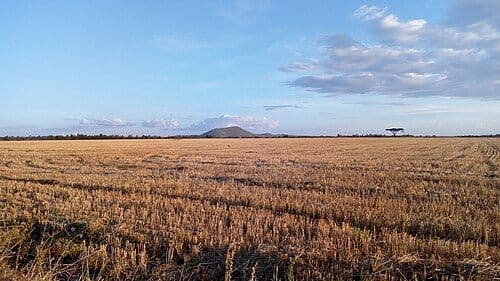
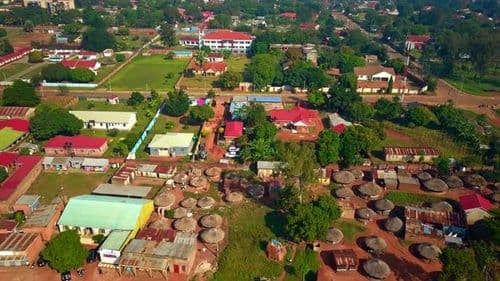
For those seeking a sense of scale, the drive out towards the surrounding villages offers the same panoramic views a balloon would provide, just at eye level. The landscape here is characterized by scattered acacia trees, smallholder farms, and low-lying hills. It is dry, dusty, and expansive. While you don’t get the bird’s-eye perspective, you do get the smell of woodsmoke and the sound of roosters crowing, which frankly, makes for better storytelling than a silent float.
Practical Logistics and Money Matters
If you are determined to stay in Apac, manage your expectations regarding costs and amenities. Accommodation ranges from basic guesthouses to mid-range hotels that cater to NGO workers and government officials. Prices fluctuate, but expect to pay between 50,000 and 150,000 UGX per night for clean, secure lodging with reliable water pressure—a luxury in itself. Check the AC unit before you unpack; many units rattle loudly at 2 AM, which ruins sleep more effectively than any cold draft.
Food is straightforward. Local restaurants serve posho (maize flour porridge), beans, and grilled chicken or goat. It is hearty, cheap, and filling. A meal typically costs between 5,000 and 15,000 UGX. There is no fine dining scene here, so don’t look for tasting menus. Look for busy tables with locals eating quickly; that’s where the food is fresh and the turnover ensures quality. Cash is king. ATMs exist in the town center but can run dry or malfunction. Carry sufficient small notes for boda-bodas and markets, as change is scarce.
Cultural Context and Etiquette
Apac is part of the Lango sub-region. The social fabric is tight-knit, community-oriented, and respectful of hierarchy. As a visitor, you stand out. People will ask where you are from, who you are visiting, and why you are there. Answer politely but briefly. Handshakes are common greetings among men, while women may nod or smile. Dress modestly, especially if you venture outside the immediate town center. Shoulders and knees covered shows respect and helps you blend in slightly better.
The language barrier is minimal if you speak English, which is widely used in administration and education. However, learning a few words of Lango goes a long way. "Yoga" means hello. Using it disarms suspicion and signals that you aren't just another transient face passing through. Avoid loud, boisterous behavior in public spaces. The pace here is deliberate. Rushing looks like panic. Patience serves as a survival skill when dealing with bureaucratic processes or waiting for transport.
Timing Your Visit and Audience Fit
There are no major holidays in the next six months that will significantly impact crowd levels or pricing in Apac. The climate is generally warm year-round, with two rainy seasons offering relief from the heat but turning unpaved roads into mud traps. The best window for comfortable travel is during the drier months, though "dry" in Uganda still means humidity.
This destination suits solo travelers, researchers, NGO staff, and those interested in rural development. It is not for families seeking resort-style entertainment or couples looking for romantic escapades. The appeal lies in authenticity and quiet observation. Stay for two to three days. Longer stays require a purpose beyond tourism, as there is little to sustain interest without a work-related reason.
Frequently Asked Questions
Can I hire a private pilot to fly a balloon in Apac? No. There are no registered balloon operators based in or serving Apac directly. Chartering a plane from Kampala is possible but expensive and logistically complex for a simple sightseeing trip.
Is Apac safe for solo female travelers? Yes, generally. Crime rates are lower than in Kampala. Standard precautions apply: avoid walking alone at night, keep valuables hidden, and use reputable boda-boda drivers recommended by your accommodation.
Do I need a visa specifically for Apac? No. A standard Uganda tourist visa covers all regions, including Apac. Ensure your passport has valid entry stamps upon arrival in Kampala or at the border.