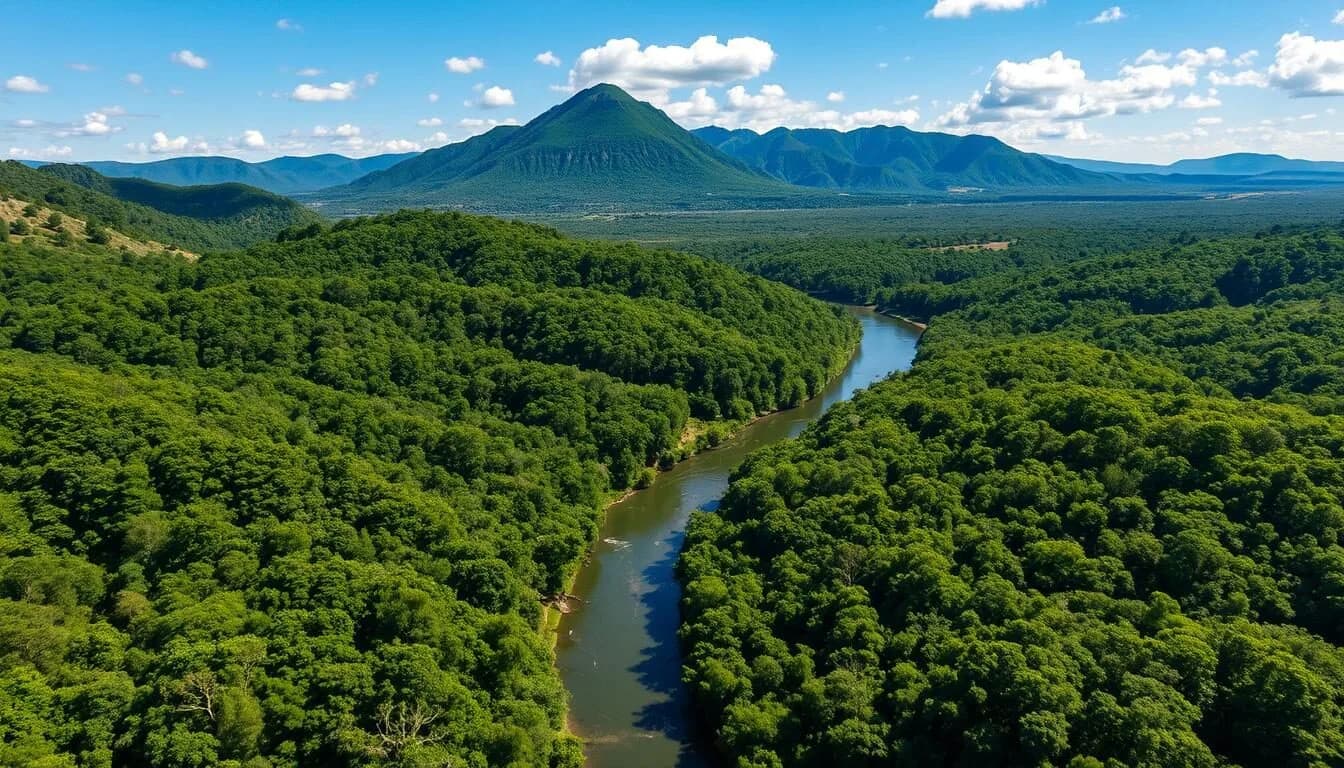
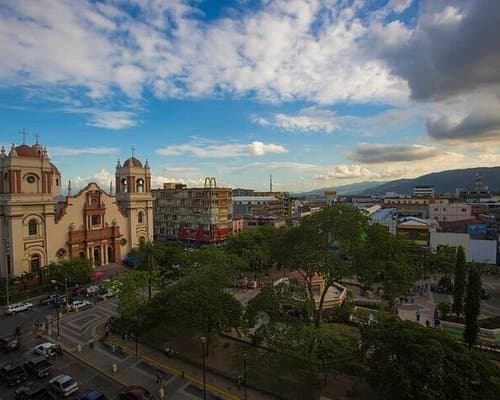
The scent of frying plantains and toasted corn hangs heavy in the humid morning air of Puerto Alto, Honduras. With a population of roughly 1,385 residents, this small community in the Cortés Department offers an intimate setting for culinary exploration, far removed from the crowded tourist hubs of nearby Roatan or San Pedro Sula. Spring in Honduras brings warm temperatures and intermittent rain, creating a lush backdrop for learning how local ingredients are transformed into the hearty staples of Honduran cuisine. For travel enthusiasts seeking authentic cultural immersion, participating in a cooking class here provides a direct line to the daily rhythms and flavors of rural Central American life.
Finding Culinary Experiences in a Small Town
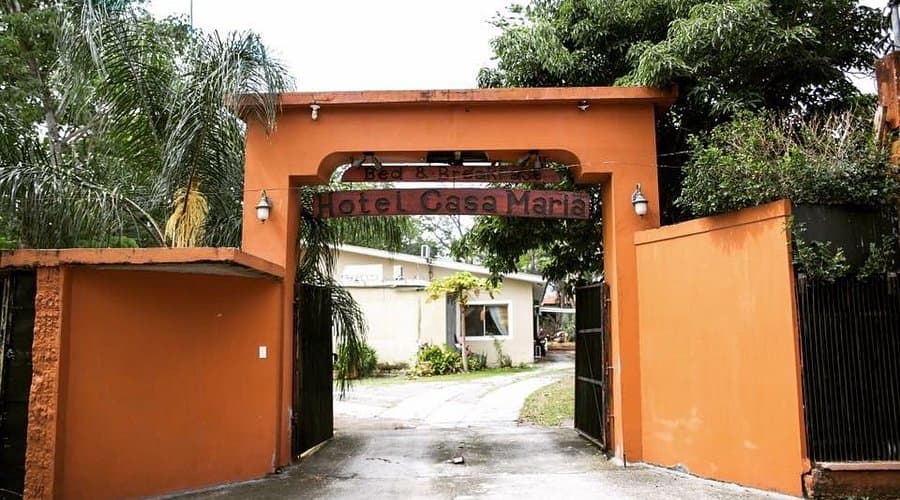
Puerto Alto does not boast a high density of commercialized tourism infrastructure. Consequently, there are no large-scale, hotel-backed culinary academies with polished brochures. Instead, cooking experiences here are deeply personal, often arranged through local guesthouses, community centers, or directly with families who welcome visitors into their homes. Travelers should manage their expectations regarding luxury; the appeal lies in authenticity, not convenience.
To secure a class, it is often necessary to coordinate through your accommodation provider. Many small posadas in the Cortés region have relationships with local cooks who are willing to teach traditional recipes for a modest fee. This informal network ensures that the money stays within the community and that the techniques taught are those passed down through generations, rather than simplified versions for foreign palates. Arriving with an open mind and a willingness to communicate in basic Spanish significantly enhances the experience, as English proficiency may be limited outside of major tourist corridors.
Core Ingredients of the Honduran Pantry
Before stepping into the kitchen, understanding the foundational ingredients is essential. The cuisine of Puerto Alto relies heavily on corn, beans, rice, and tropical fruits, reflecting the agricultural output of the surrounding countryside. Corn is not just an ingredient; it is the backbone of the diet. You will encounter masa (corn dough) in various forms, used for everything from breakfast tortillas to hearty stews.
Beans, typically black or red, are prepared daily and serve as a primary protein source alongside chicken and pork. Fresh produce is abundant and inexpensive. Look for chayote (a mild gourd), cuyamayo (a type of squash), and plátanos (plantains), which are used both ripe and green. Coconut milk is another staple, particularly in the western regions of Honduras, adding a creamy richness to savory dishes. During the spring months, the local markets in nearby towns may also offer fresh herbs like cilantro (coriander) and culantro, which provide distinct aromatic notes to local preparations. Understanding these components allows you to appreciate the simplicity and resourcefulness inherent in every dish you prepare.
Preparing Traditional Dishes
The most common dishes taught in Puerto Alto cooking classes include baleadas, sopa de caracol (conch soup), and pastelitos. Baleadas are a beloved breakfast staple consisting of a thick flour tortilla folded over refried beans, cream, and often cheese or fried eggs. Learning to make the perfect tortilla by hand is a skill that requires practice and patience. The dough must be soft enough to stretch but firm enough to hold the fillings without tearing.
Sopa de caracol is a more complex dish, typically reserved for special occasions. It involves simmering conch meat in a rich coconut milk broth with root vegetables, potatoes, and a blend of spices known as sofrito. The sofrito base, made from onions, tomatoes, peppers, and herbs, is crucial to the flavor profile. In Puerto Alto, instructors may simplify this recipe by using chicken or pork if conch is unavailable, but the technique remains the same. Pastelitos, or small savory pies, are another popular item, often filled with chicken, beef, or cheese. These classes provide a hands-on introduction to these recipes, allowing participants to taste the difference between homemade and restaurant versions.
Market Visits and Sourcing Fresh Produce
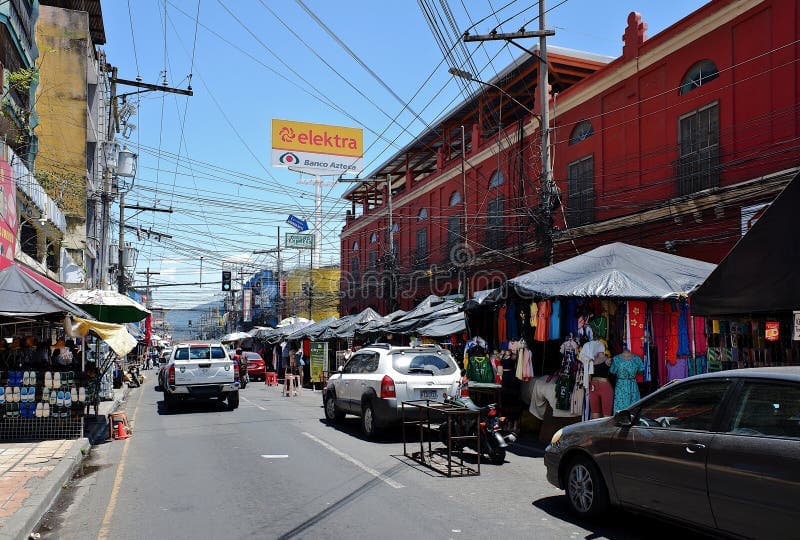
A comprehensive cooking experience in Puerto Alto often begins before the cooking starts. Many guides or hosts will take participants to the local market to source ingredients. This visit offers a glimpse into daily life and the local economy. The market is a sensory overload of colors and sounds, with vendors calling out prices and arranging displays of fresh fruit, vegetables, and meats.
Walking through the aisles, you will notice the quality of the produce, which is often harvested within hours of sale. This freshness is a key factor in the vibrant flavors of Honduran cuisine. It is also an opportunity to practice bargaining and interacting with locals. Purchasing items directly from farmers supports the community and ensures that you are using the best possible ingredients for your cooking class. The market visit also provides context for the dishes you will prepare, highlighting the importance of seasonal availability and local sourcing.
Cultural Etiquette and Practical Tips
Participating in a cooking class in Puerto Alto requires respect for local customs and traditions. Punctuality is appreciated, but flexibility is also important, as rural time can be more relaxed. Dress comfortably and modestly, as you may be visiting private homes or community spaces. Closed-toe shoes are recommended for kitchen safety and market visits.
Hygiene is paramount in any cooking environment. Wash your hands thoroughly before handling food, and follow the instructions of your host regarding food safety practices. Be mindful of dietary restrictions and allergies, as many traditional dishes contain common allergens like dairy, gluten, and nuts. Communication is key; do not hesitate to ask questions about the ingredients, techniques, or cultural significance of the dishes you are preparing. Your curiosity and respect will be welcomed and enhance the overall experience.
Finally, consider the environmental impact of your visit. Avoid single-use plastics and dispose of waste responsibly. Many communities in Honduras are working to preserve their natural surroundings, and your cooperation is appreciated. By participating in a cooking class in Puerto Alto, you are not just learning to cook; you are engaging with the culture, supporting the local economy, and creating lasting memories.