Swap city noise for river mist and mountain air. Discover how Oxapampa, Peru, offers a low-cost, high-impact wellness escape deep in the Andean jungle.
The Sound of Stillness
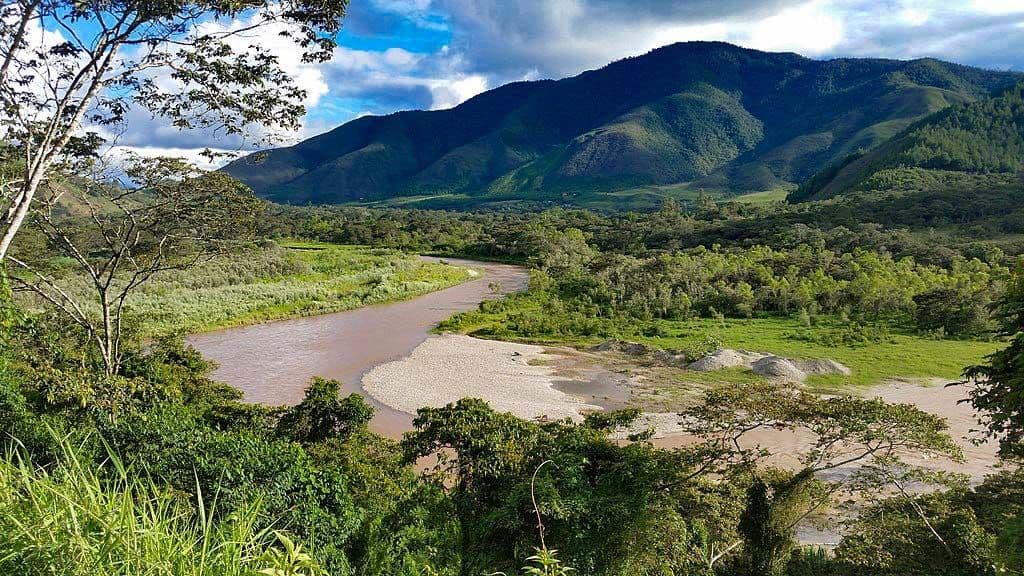
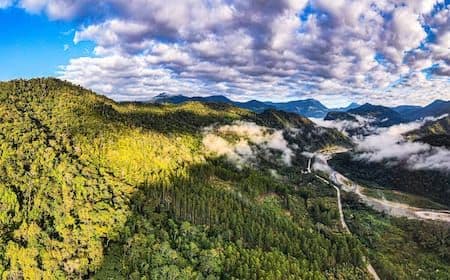
Oxapampa offers wellness in a way that differs from high-end resorts in Bali or Singapore. There are no mandatory spa packages or $200-hour rates here. Instead, the town in Peru’s Pasco region provides a different kind of reset: the silence of the Oxapampa-Asháninka-Yánesha Biosphere Reserve, the cool mist rising off the Tigre River, and the rhythm of a town that moves at the speed of the jungle. At an elevation where the air is crisp but the humidity is thick, this is a place for slow travel. The primary currency here is time, rather than soles. For the traveler seeking to decompress without the pressure of a packed itinerary, Oxapampa provides a natural framework for rest. The town’s identity is built around its position as a gateway to the lowland rainforest, making the environment itself the primary wellness tool.
Natural Immersion & Thermal Relief
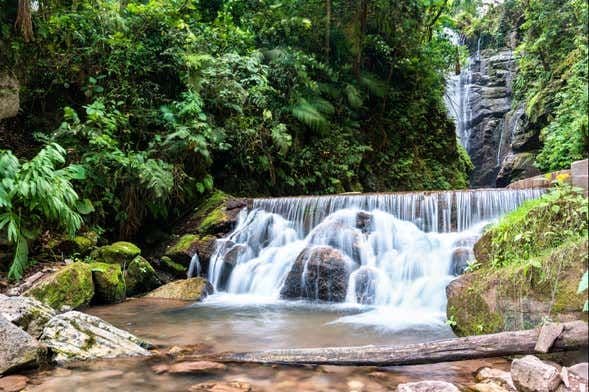
The core of wellness in Oxapampa is immersion in the Oxapampa-Asháninka-Yánesha Biosphere Reserve. This protected area encompasses the town’s immediate jungle surroundings, offering trails that wind through dense vegetation and past clear water sources. A standout feature is the Tigre River Waterfall, located 18 km from the town center within the hamlet of La Cañera. Reaching this site is part of the therapeutic experience; the journey through the jungle clears the mind before the water even touches you. The waterfall itself is a natural pool, cool and clear, ideal for a long soak after a day of gentle walking.
While specific named thermal spas are not widely cataloged in international guides, the region is known for natural thermal springs that locals and visitors use for relaxation. The water is heated by geothermal activity, providing a stark, pleasant contrast to the cooler mountain air. Soaking in these natural pools, often surrounded by mist and birdsong, is a low-cost way to ease muscle tension accumulated from travel. The experience is unpretentious. You are in the forest, with the river nearby. This direct connection to the landscape distinguishes Oxapampa’s wellness offering from urban spa treatments.
Culinary Rest: Eating for Recovery
Wellness in the Andean jungle is also about what you eat. The local cuisine in Oxapampa is hearty, but it also offers ingredients that are naturally grounding and restorative. Two dishes stand out for their local significance and nutritional profile. The first is Chicharrón de Oxapampa, a local version of fried pork served with yuca. This is a comfort food staple, providing the energy needed for hiking or simply sitting by the river. The second is Cuy Chactado, a traditional dish consisting of guinea pig, rice, and fried yuca. While cuy is a general Peruvian delicacy, the Oxapampa preparation is considered a regional specialty. Eating these dishes is part of the cultural immersion, connecting your body to the local agricultural traditions.
For a more communal and ceremonial dining experience, look for Pachamanca. This traditional Peruvian dish involves cooking meats, potatoes, and other vegetables in a pit oven with heated stones. The process is slow, and the meal is often shared. It is a perfect activity for a mid-afternoon break, allowing you to sit, eat, and watch the steam rise from the earth. The food in Oxapampa is fresh, locally sourced, and prepared with a focus on flavor that encourages mindful eating.
Where to Stay
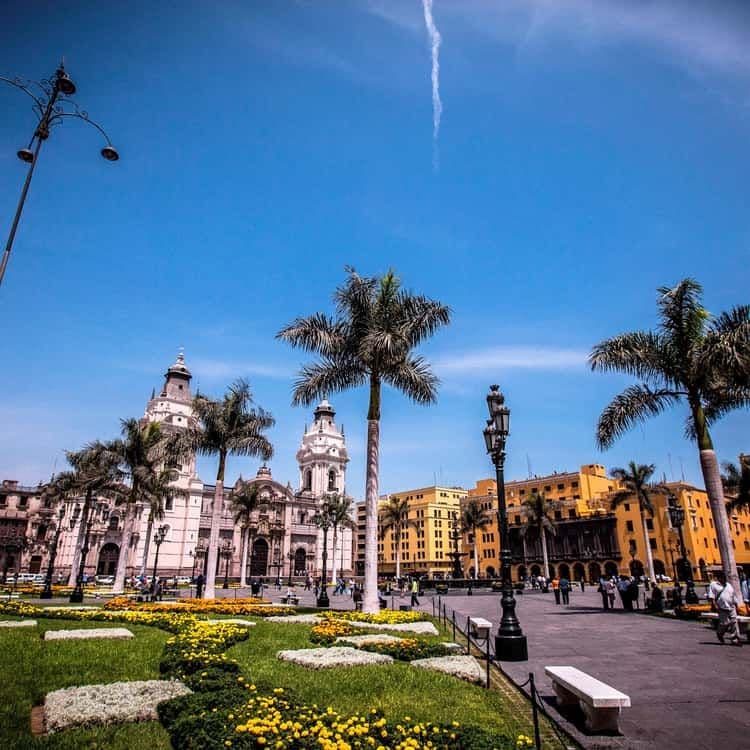
Accommodation in Oxapampa ranges from budget hostels to mid-range hotels, all centered around the Plaza de Armas. The Plaza de Armas is the main square of Oxapampa, noted for featuring the town’s coat of arms. Staying in this area puts you within walking distance of the main bus terminal and local eateries.
- Central Plaza Hotels: Several hotels operate directly on or adjacent to the Plaza de Armas. These are typically the most convenient for first-time visitors. Rates generally range from S/. 100 to S/. 250 per night for a standard double room. The differentiator here is convenience; you can step out of your room and into the heart of the town’s social life.
- Budget Hostels & Guesthouses: Located on the streets surrounding the Plaza, these options offer dormitory beds or private rooms for around S/. 30 to S/. 80 per night. They are ideal for solo travelers or those on a tight budget. The atmosphere is often more communal, with shared kitchens and lounges where you can meet other travelers.
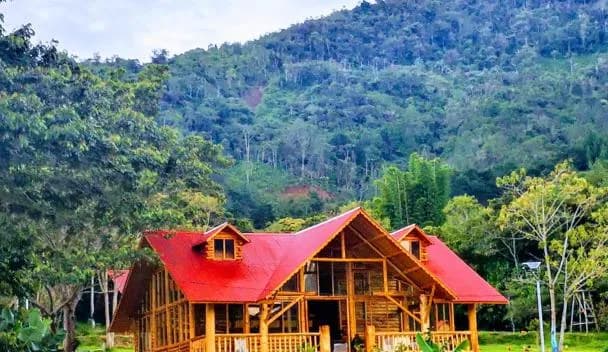
- Jungle-Edge Lodges: For a more immersive experience, some lodging options are situated closer to the edge of the Oxapampa-Asháninka-Yánesha Biosphere Reserve. These are quieter and often more expensive, reflecting the premium for the natural setting. Rates can start around S/. 150 and go up depending on the amenities offered.
Getting There & Practical Details
Reaching Oxapampa requires patience. The town is not directly connected by a major highway to Lima. The standard route involves traveling to La Merced, a major town 78 km from Oxapampa. From La Merced, the drive to Oxapampa takes approximately 2 hours and 30 minutes. Direct bus connections exist between Lima and Oxapampa, but transfers are often coordinated through La Merced. This means you should plan for a significant travel day. Budget around 8 to 10 hours for the journey from Lima, depending on traffic and road conditions.
Once in town, you can walk to most key sites. The Plaza de Armas is the central hub. For day trips to the Tigre River Waterfall, you can hire a local guide or arrange a taxi. The cost for a round-trip taxi to La Cañera (where the waterfall is located) is typically negotiable, often ranging from S/. 50 to S/. 80 depending on the number of passengers. Entry fees to some tourist sites in the region are noted to be accessible for approximately S/. 24.00, which covers basic access to natural attractions.
When to Go & Local Etiquette
The best time to visit Oxapampa for wellness is during the dry season, which runs from May to September. During these months, the jungle trails are less muddy, and the air is clearer. However, the dry season also brings cooler nights, so pack a warm layer. The wet season (November to March) offers lush, green scenery and lower crowds, but expect humidity and occasional rain.
As autumn approaches in the Southern Hemisphere, the weather begins to shift. If you are visiting in late September or October, you are on the cusp of the wet season. The next major holiday, Battle of Angamos Day on October 8, 2026, is only about 33 days away. Expect higher demand and surge pricing for lodging and transport in the days leading up to this date. Book your accommodation early if you plan to visit during this window.
Etiquette in Oxapampa is simple. The town is small and community-oriented. Greeting people with a "Buenos días" or "Buenas tardes" goes a long way. When visiting the Biosphere Reserve, respect the local Asháninka and Yánesha communities. Ask permission before taking photos of people, and always ask a guide before entering restricted areas. The wellness experience in Oxapampa connects you with the local culture rather than helping you escape it.
FAQ
Do I need a guide to visit the Tigre River Waterfall? While you can technically walk there, hiring a local guide is highly recommended. The trails can be uneven, and a guide provides safety, context, and helps you navigate the 18 km distance from the town center.
Is Oxapampa safe for solo female travelers? Oxapampa is generally considered safe, especially in the central Plaza area. As with any small town, stick to well-lit streets at night and use trusted transport for day trips. Many solo travelers report feeling comfortable and welcomed.
What currency should I use? The Peruvian Sol (S/) is the local currency. Most hotels and restaurants in the town center accept credit cards, but cash is preferred for taxis, small eateries, and entry fees. ATMs are available in the Plaza de Armas area.