Skip the glass-domed liner. Dock at Namp’o, North Korea’s 50,000-ton seaport, where the Taedong River meets the West Sea and the tour bus waits.
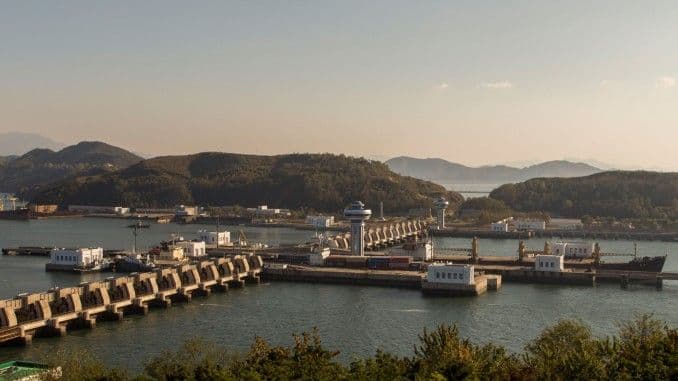
The hull of a 50,000-ton vessel scrapes the mud of the Taedong River’s mouth, fifteen kilometers west of Namp’o’s center. This is a logistical artery for South Pyongan Province, the primary maritime gateway for tourists entering the Democratic People’s Republic of Korea. When you step off the gangway here, you are entering a working port city that smells of diesel, salt air, and wet concrete. You are not arriving at a resort. The water is grey, the sky is heavy with autumn cloud, and the first thing you hear is the distant, rhythmic clang of the port cranes. This is the reality of the "cruise" experience in North Korea: a controlled transit point that serves as the bridge between the open sea and the curated interior.
The Port as Gateway
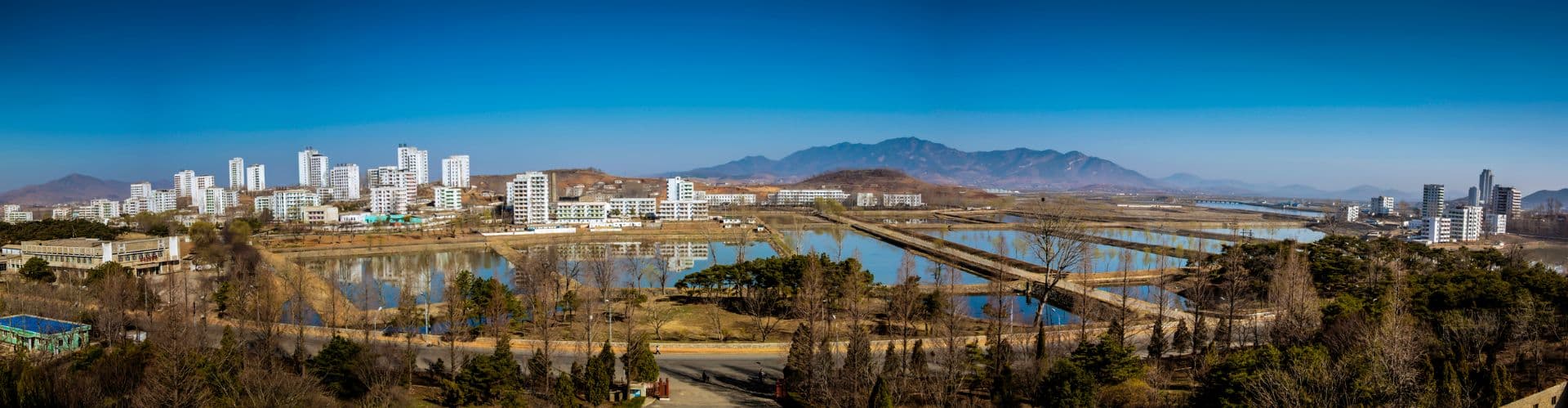
Namp’o Port is the operational heart of this journey. It accommodates ships up to 50,000 tons, a capacity that defines the scale of the vessels used for these itineraries. For the traveler, the port is a threshold. The infrastructure is industrial, stripped of the veneer you might expect from a "holiday" stop. You will see the loading bays, the storage sheds, and the quiet efficiency of a port that exists to move goods, not just people. The contrast between the massive, rusted hulls and the pristine uniforms of the dockworkers creates a visual tension that is difficult to ignore. You are not here to relax on a deck chair. You are here to transition from the fluid, chaotic nature of the sea into the rigid, ordered structure of the North. The port’s location, 15 km east of the river’s mouth, places it at a strategic chokepoint where the Taedong River meets the West Sea, making it a vital node in the country’s limited maritime trade.
The River’s Edge
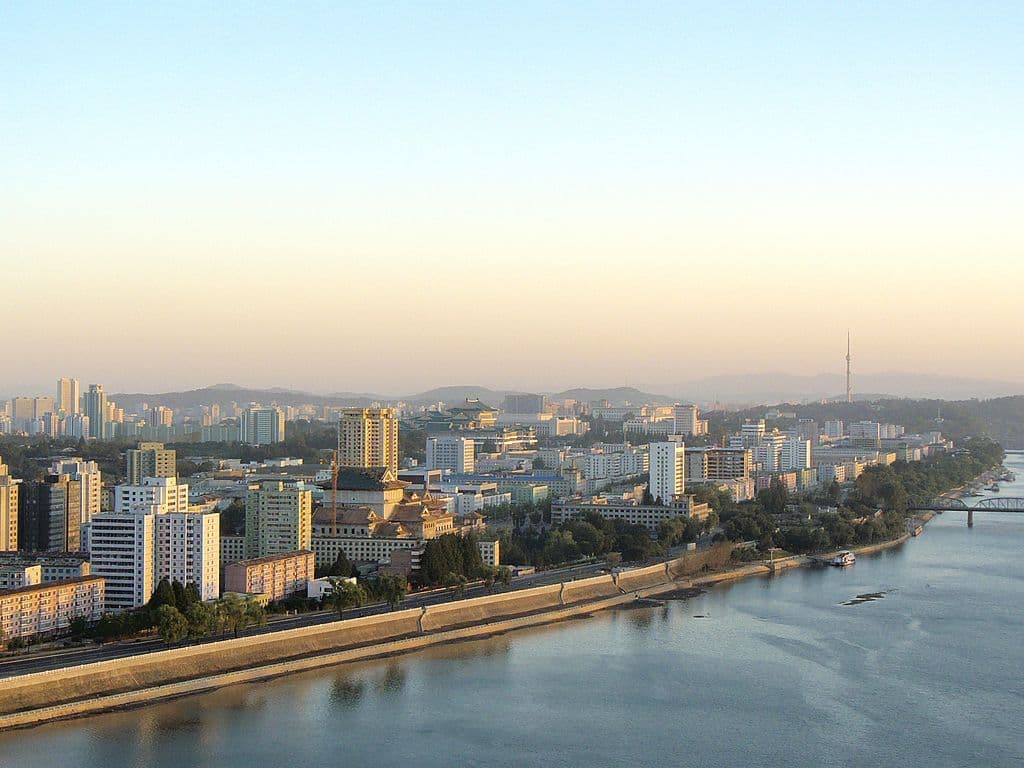
Walk from the port toward the Taedong River, and the city reveals its quieter, more residential face. Namp’o sits on the northern shore, a position that offers a distinct perspective on the waterway. The river here is wide, slow-moving, and deeply colored with sediment. It is the northern counterpart to the river that flows through Pyongyang, but it feels more isolated, more provincial. The banks are lined with low-rise buildings, many of which appear to be residential blocks, their windows reflecting the overcast sky. There is a stillness to the area, a sense of daily life continuing in the background of the tourist machinery. You can sit on the edge of the embankment, feel the cold autumn wind off the water, and watch the few fishing boats that still operate in the lower reaches. This is where the "cruise" ends and the "trip" begins. The river is a physical boundary, a line between the foreign world you just left and the domestic sphere you are about to enter.
Monuments and Memory
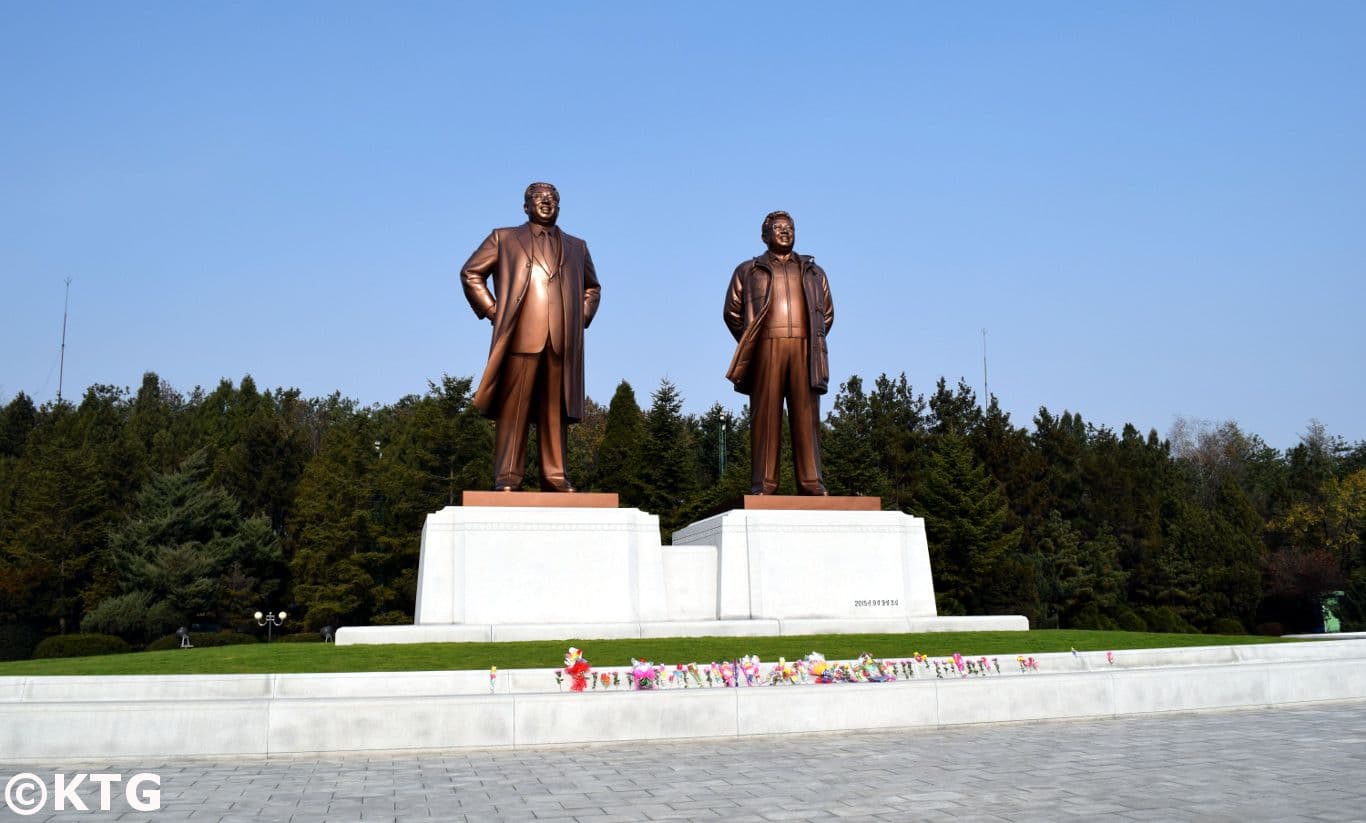
The city is punctuated by statues and monuments dedicated to Kim Il-sung and Kim Jong-il. These monuments are central to the urban landscape. They stand as silent sentinels, reminding visitors of the ideological weight of the place. The figures are large, imposing, and rendered in stone or bronze, their poses fixed in time. To stand before them is to acknowledge the political reality of your visit. They are functional, serving as focal points for the city’s identity. The presence of these monuments is a constant reminder that you are in a state where history and politics are inextricably linked. The Nampo Orphanage, a provincial facility, also sits within the city, adding a layer of social infrastructure to the urban fabric. These sites form the backdrop against which your journey is framed.
Practical Realities
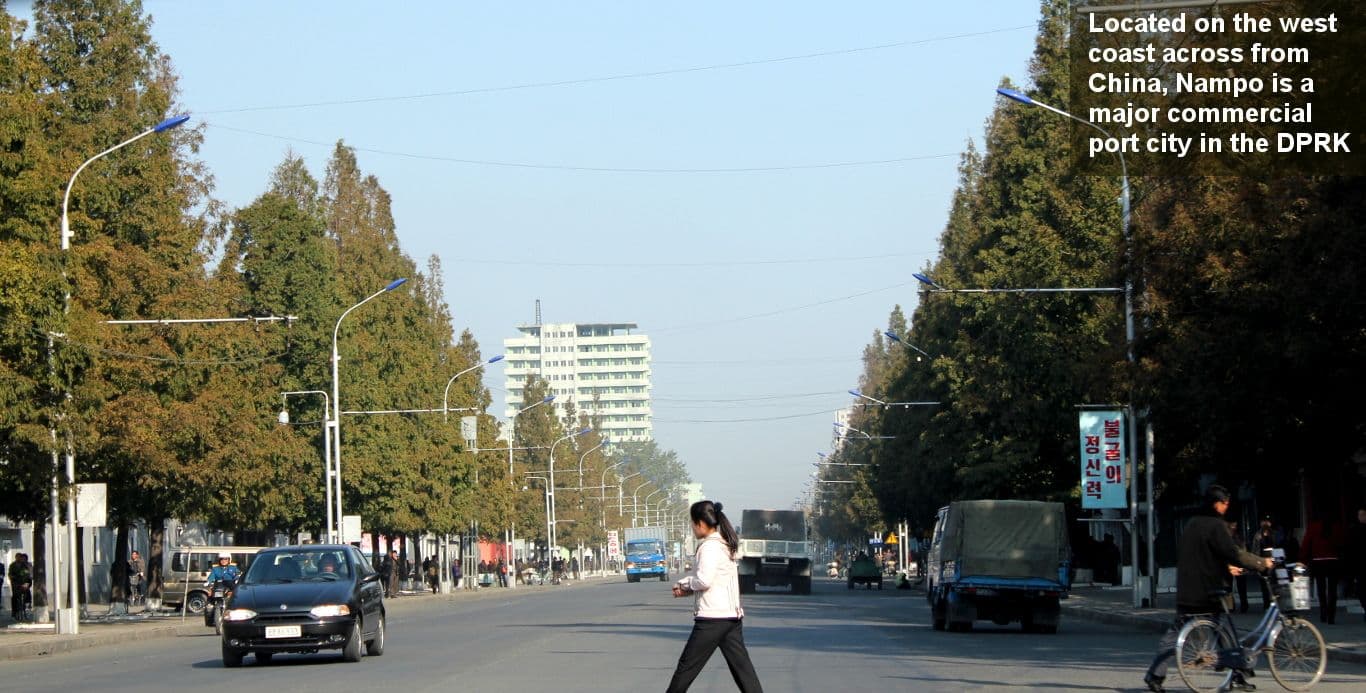
There is no "local food scene" to hunt for in the way you might in Seoul or Busan. The brief confirms no specific dish unique to Namp’o, so your meals will be part of the broader North Korean culinary landscape. Expect simple, hearty meals, often served in communal dining halls or designated restaurants for tourists. The food is functional, designed to sustain rather than delight. Prices are typically pegged to the tour package, so you rarely deal with currency conversion at the counter. Transit within the city is limited; you will mostly move by bus or on foot, guided by your tour group. The local rail serves the city, though specific line names are not widely publicized to tourists. The key practical detail is timing. Namp’o is best visited in the autumn, when the weather is cool and the light is clear. The summer heat can be oppressive, while the winter chill makes the river winds biting. Autumn offers a balance, with crisp air and a sense of seasonal transition that mirrors the shift from the sea to the land.
Who This Is For
This is a holiday for the active. It is for the traveler who wants to interrogate their own motives. Why are you here? To see a country that is often misunderstood, or to experience a controlled version of it? Namp’o is the perfect place to ask that question. The city is a working port, a residential area, and a political symbol all at once. It is for the solo traveler who is comfortable with structure, the couple who wants a shared experience that feels different from a beach resort, and the family who is ready to engage with a culture that is not built for their comfort. Stay for the duration of your transit, which is typically a few hours to a day, depending on your itinerary. Do not expect to linger. The city is a passage, not a destination.
FAQ
Do I need a visa to enter Namp’o? Yes, you need a North Korean visa, which is typically arranged as part of your tour package. It is a group visa, tied to your tour group, and must be obtained before arrival.
Is Namp’o safe for solo travelers? You will rarely be alone. North Korea operates on a group tour model, and Namp’o is no exception. You will be accompanied by guides and often other tourists. Safety is high, but freedom of movement is limited.
What is the best time to visit? Autumn (September to November) is ideal. The weather is cool, the light is clear, and the crowds are thinner than in the summer peak. Avoid the deep winter if you are sensitive to cold, as the river winds can be harsh.