Skip the resort markup. Here’s how to spend cash wisely on Viligili, Maldives, from ferries to food.
You step off the public ferry at the Viligili jetty. The humidity hits you before the noise does. You have three choices right now: walk toward the luxury sprawl of Shangri-La Viligili Resort and Spa, or turn left toward the guesthouse district where the real price tags live. Most tourists don’t think about money until they see the bill. By then, it’s too late. This isn’t about saving pennies. It’s about understanding the economic geography of an island that sits directly across from Malé. Viligili (officially Villingili or Villimalé) is unique because it’s accessible. You aren’t flying in on a seaplane for four hundred dollars. You’re taking a fifteen-minute boat ride. That changes everything. It means you can afford to make mistakes. It means you can buy a bottle of water from a local shop instead of the minibar. It means you need to know how the money works here before you dive in.
The Currency Reality
The official currency is the Maldivian Rufiyaa (MVR). The symbol is MRF, but you’ll rarely see it written out. You’ll see numbers. And that’s where people get confused. If you look at a menu that says 150, it might mean 150 Rufiyaa, which is roughly $10 USD. Or it might mean $150 USD, which is a different kind of shock. The Maldives operates on a dual-currency system that feels like a trap for the unprepared. In the resort sector, particularly around Shangri-La Viligili Resort and Spa, prices are almost exclusively in US Dollars. They want your hard currency. They don’t want the fluctuation risk of the Rufiyaa. But in the local guesthouses, the small cafes, and the shops near the ferry jetty, the Rufiyaa is king.
You need to carry both. Or at least, you need to know which one applies. ATMs are available in Malé, but they are scarce on Viligili itself. Withdraw your Rufiyaa before you leave the capital. The exchange rate fluctuates, but as a rough guide, 1 USD equals approximately 15.4 MVR. Don’t rely on your bank’s conversion rate at the point of sale; it’s usually terrible. Pay in local currency when possible. If a merchant offers to charge you in USD using a card, check the math. Often, they apply a worse exchange rate than you’d get by paying in Rufiyaa cash. It’s a silent tax. Be aware of it. Cash is still king in the informal economy. Small vendors and fish sellers prefer it. If you only have a credit card, you’ve already lost a bit of your leverage.
The Ferry Economy
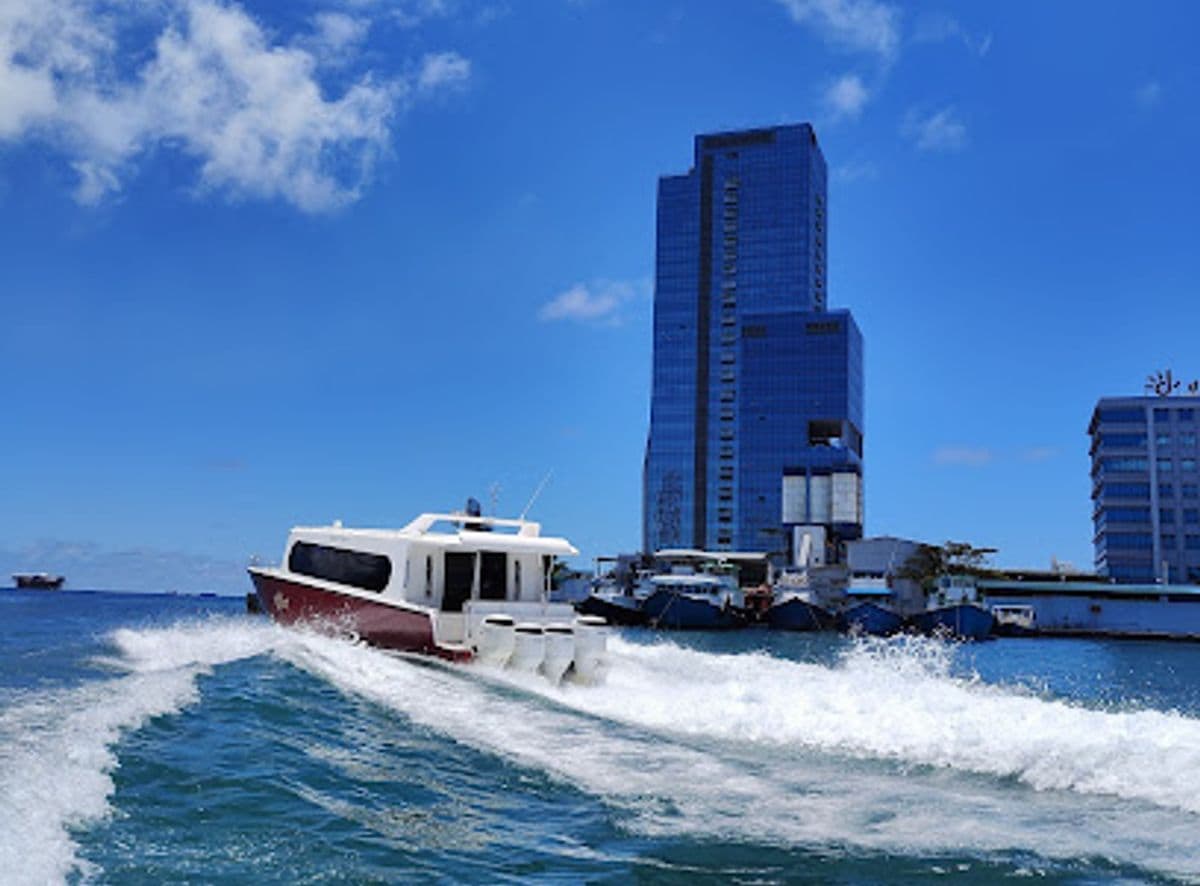
Transport is your biggest variable cost if you’re staying locally. The public ferry service operates 24 hours a day between Malé and Viligili. The cost? Around $1 USD. That’s it. Fifteen to twenty minutes for a dollar. Compare that to the speedboats and seaplanes charging hundreds for the same distance to remote islands. This is the democratization of travel. The ferry leaves from the main terminal in Malé and arrives at the Viligili jetty. It’s crowded. It’s loud. It’s honest. You pay the fare, you sit, you arrive. There’s no upsell. No spa package. No mandatory excursion.
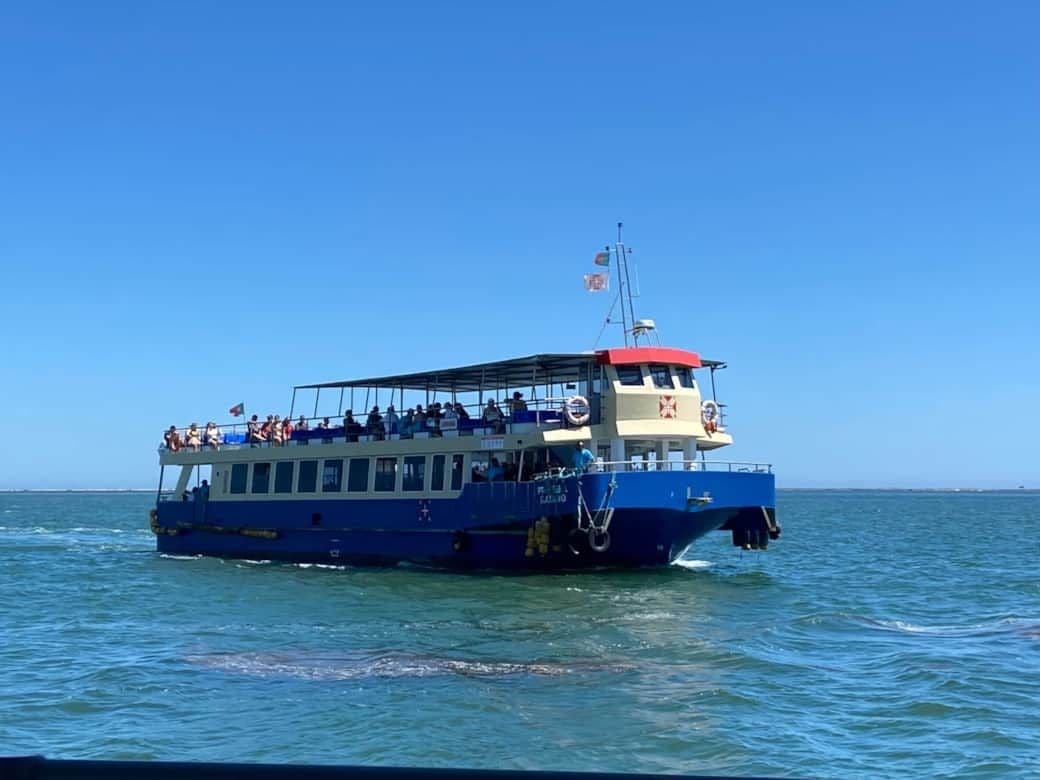
However, timing matters. The ferry runs frequently, but if you miss the last one, you’re stuck. There’s no railway service in the Maldives. No trains. No buses. Just boats and your own two feet. Once you’re on Viligili, walking is the primary mode of transport. The island is small enough to navigate on foot, but the heat can be brutal. If you’re moving heavy luggage, consider hiring a local helper. It’s cheap, and it keeps you from sweating through your shirt before you’ve even checked in. A bridge connecting Viligili to Malé and Hulhumalé is under construction and scheduled to open in September 2026. When it opens, it will change the dynamic completely. Until then, you’re an islander. You accept the tide schedule. You respect the boat timetables.
Eating Without the Markup
Food is where the cultural divide becomes financial. At the resort, a simple breakfast might cost $30 USD. At a local guesthouse cafe, you can eat like a king for $5 USD. The staples are Mas Huni and Roshi. Mas Huni is shredded tuna mixed with coconut, onion, and chili. It’s eaten for breakfast. It’s fresh, it’s cheap, and it’s delicious. Roshi is a flatbread, similar to naan but denser. You tear it off and dip it into curry or mix it with the Mas Huni. These dishes are ubiquitous on Viligili. You’ll find them in guesthouse diners and small street-side stalls. They cost a fraction of what you’d pay for imported bread and ham.
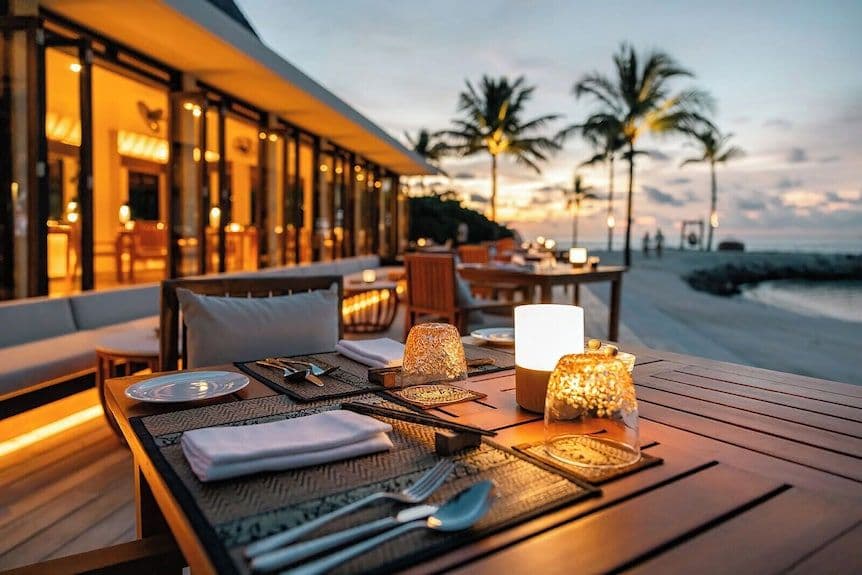
Grilled seafood and biryani are also common offerings. Biryani is a rice dish spiced with meat, usually chicken or beef. It’s hearty and filling. On Viligili, you can find it for around $3–$5 USD. In a resort, it’s $25. The difference isn’t just the price; it’s the authenticity. Local cooks use local spices. They cook for locals first, tourists second. When you eat at a guesthouse, you’re participating in the local rhythm. You’re not consuming a performance. Look for places with plastic stools and fans humming overhead. That’s where the real food is. And the real prices. Don’t be shy about asking for the menu in Rufiyaa. If they only show you the USD prices, ask again. Politeness goes a long way. Aggression gets you nowhere.
Practical Spending Habits
You need to plan your cash flow. Since ATMs are limited on the island, estimate your daily spending. Budget around $20–$30 USD per day if you’re eating locally and using the ferry. That covers meals, water, and small souvenirs. If you’re splurging on snorkeling gear or sunset cruises, add more. But remember, many of these activities can be booked locally rather than through your resort. Walk to the dive centers near the beach. Ask for a quote. Negotiation is acceptable here. Firm negotiation works best. You’re dealing with small business owners. They understand volume. If you’re part of a group, you have more power.
Tipping is appreciated. In guesthouses, leaving 10% is standard if the service was good. In local eateries, rounding up the bill is sufficient. Don’t overtip. It creates pressure and distorts expectations. Keep your transactions simple. Carry small bills. Large denominations can be hard to break in small shops. Have a stash of 10, 20, and 50 Rufiyaa notes. It makes buying a coconut or a cold drink seamless. It respects the vendor’s time. It keeps the transaction human.
When to Go and Who It’s For
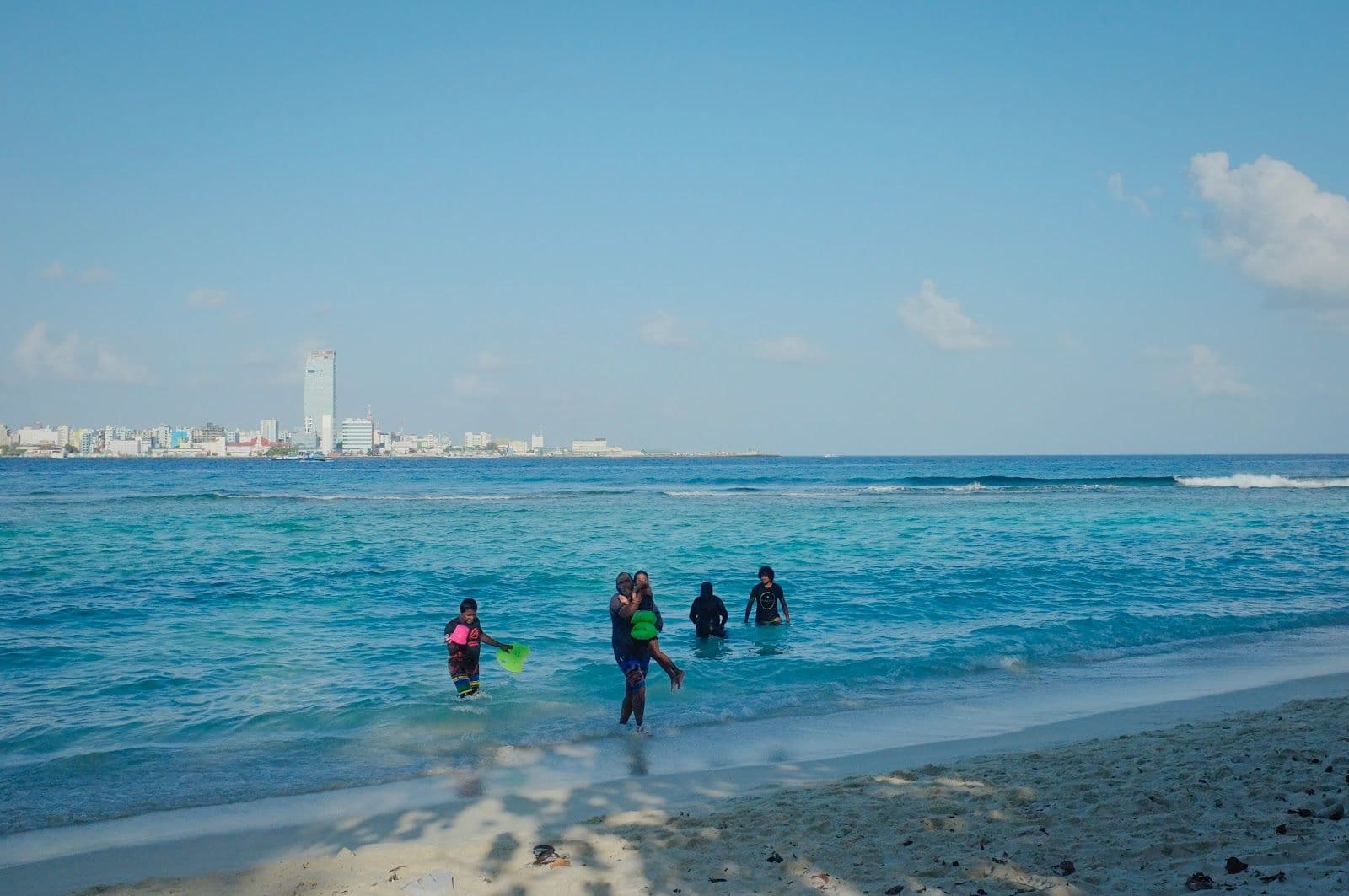
The best time to visit Viligili is during the dry season, from November to April. The seas are calmer, which means smoother ferry rides. The wind is less intense. You can actually enjoy the Viligili Public Beach without fighting the current. Swimming and sunbathing are designated activities there, distinct from the private resort beaches. It’s open to everyone. You bring your own towel. You buy your own drink. It’s public space.
Be mindful of holidays. Mawlid al-Nabi (estimated) falls on 2026-08-25. That’s in about a week. Expect higher demand, surge pricing, and crowding. Book early. The Day Maldives Embraced Islam (estimated) is on 2026-09-12. Victory Day is 2026-11-03. Republic Day is 2026-11-11. During these periods, locals take time off. Guesthouses fill up. Prices rise. If you want solitude, avoid these dates. New Year's Day in 2027 and the Beginning of Ramadan in February 2027 are further out, but worth noting for long-term planners.
This place is for travelers who want proximity without pretension. It’s for solo travelers who want safety and connectivity. It’s for families who want easy access to Malé’s hospitals and shops. It’s for slow travelers who want to watch the ferries come and go. Spend three to five days here. Long enough to learn the ferry schedule. Short enough to stay interested. Viligili isn’t a paradise you escape to. It’s a place you arrive at. Know the cost. Know the currency. Know the rules. Then you can relax.
FAQ
Is US Dollar accepted everywhere? Yes, but primarily in resorts and larger guesthouses. Local shops and small vendors prefer Maldivian Rufiyaa. Always check the currency before paying.
Are there ATMs on Viligili? They are extremely limited or non-existent for tourists. Withdraw cash in Malé before taking the ferry. Plan accordingly.
How much does the ferry cost? Approximately $1 USD. It’s a public service, so prices are fixed and low. No hidden fees.