No clinic is guaranteed. Pack your own meds, know the local water risk, and understand that medical access in northern Syria operates on a different grid than anywhere else you've traveled.
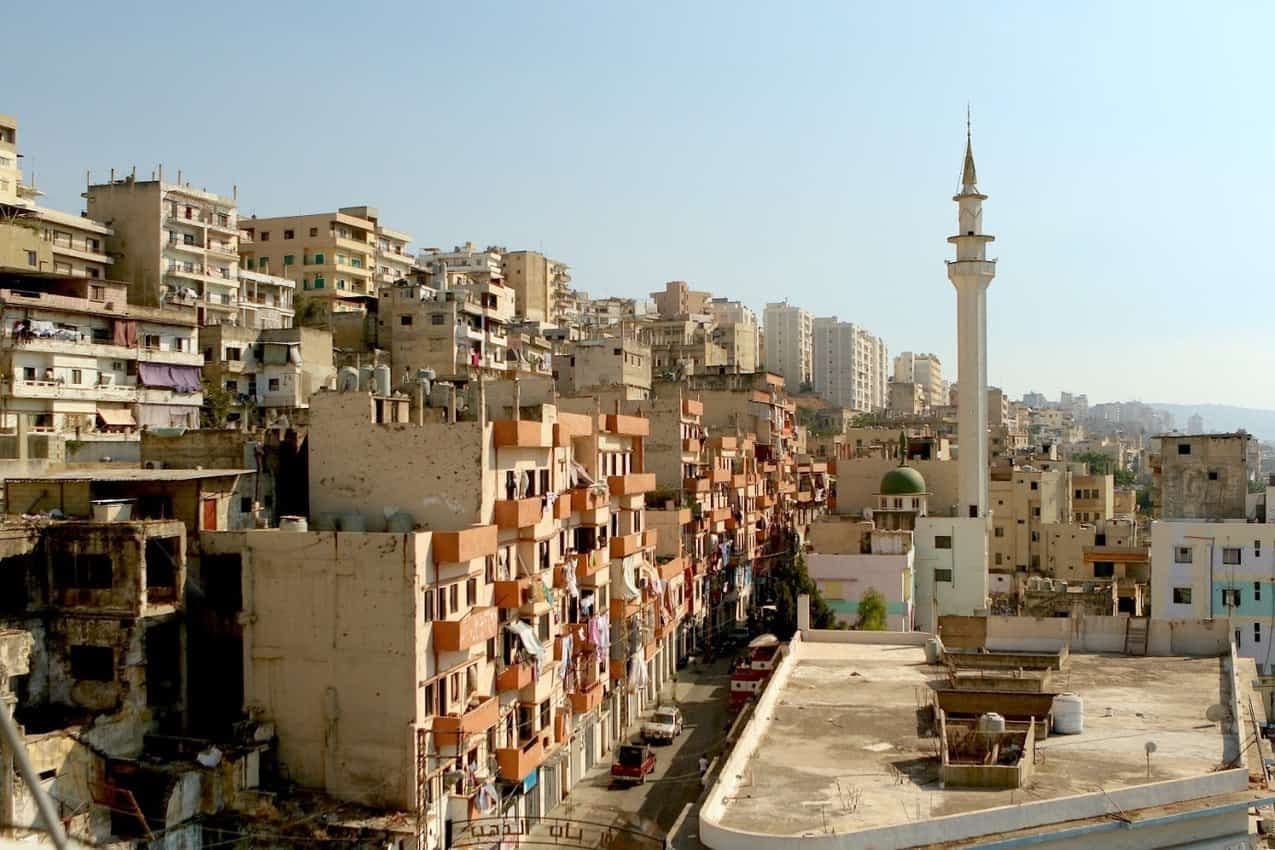
The pharmacy shelves in Al-Bab are not stocked like they were before 2011. That’s the first thing you need to accept if you’re planning any kind of extended stay in this part of Aleppo Governorate. The district sits in the far north of Syria, near the Turkish border, and for over a decade it has operated under fragmented governance structures that directly impact public health infrastructure. There is no single "tourist health insurance" card that works here. There is no centralized national vaccination registry you can simply tap into. If you are going to Al-Bab, you go prepared, or you don't go. This isn’t a destination where you show up at an airport with a backpack and figure out typhoid shots later. You figure them out months in advance, in a country with functioning healthcare systems, because once you cross into northern Syria, the options narrow fast.
The Vaccination Baseline
Standard travel medicine protocols still apply, but the context changes everything. Hepatitis A, Typhoid, and Tetanus are non-negotiable for anyone entering rural or semi-urban areas in Syria. In Al-Bab, the risk profile for waterborne illness is higher than in major cities like Damascus or Beirut because municipal water treatment systems in the governorate have been damaged or under-resourced since the conflict began. Your gut is not worth the gamble. Drink bottled water only. Do not trust ice cubes in street-side drinks unless you are certain of the source.
Malaria is generally low-risk in this specific latitude, but it is not zero-risk during warmer months. However, the bigger concern is often overlooked: Rabies. Stray dogs and cats are common in the older quarters of the district. If you get bitten, even by a small scratch, the post-exposure prophylaxis (PEP) for rabies is expensive, difficult to source, and may not be immediately available in local clinics. Get pre-exposure rabies vaccinations before you leave your home country. It costs money upfront, but it saves you from hunting for vials in a place where supply chains are unreliable.
Medical Infrastructure On The Ground
You cannot assume a hospital will treat you based on your passport or your credit card. Healthcare in Al-Bab District is largely provided through a patchwork of local clinics, NGO-supported facilities, and private practices. Many of these operate on cash-only principles. The Syrian pound is volatile, so carrying US dollars or Euros for emergency medical expenses is standard practice among long-term travelers in the region.
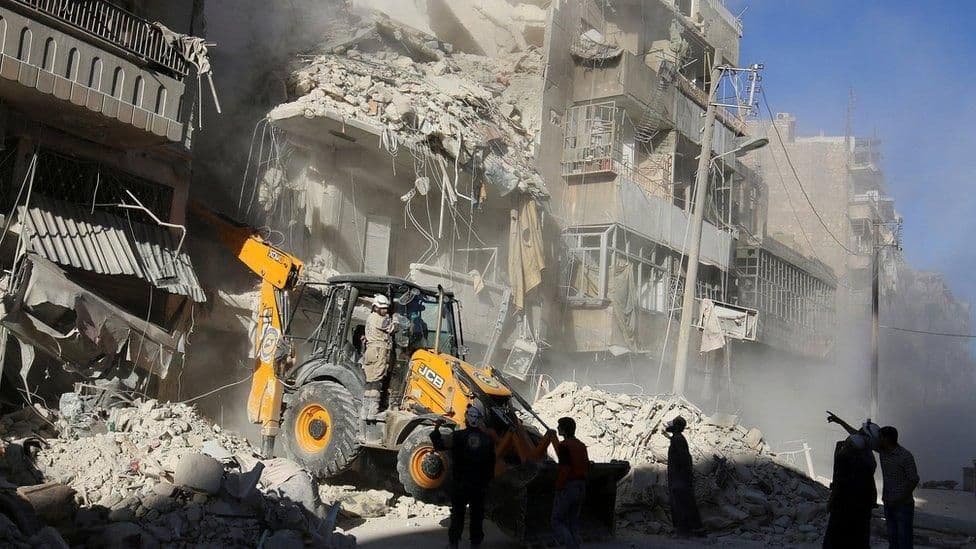
If you develop a serious condition—pneumonia, a severe infection, a cardiac event—you will likely need to be transferred to a larger facility in Aleppo city, which is roughly 30–40 kilometers away depending on the exact route. This transfer takes time. Roads can be slow, checkpoints add delays, and ambulance services are not as robust as in Western countries. For minor issues—a cold, a mild stomach bug, a headache—the local pharmacies in the main bazaar area are your best friend. Pharmacists there are often the de facto primary care providers. They stock antibiotics, painkillers, and basic wound care supplies. But their inventory fluctuates. What was available last month might be gone this week due to import restrictions or economic pressure.
Practical Prep Before You Fly
Do not wait until you land in Istanbul or Amman to sort out your health kit. Build your personal medical bag at home. Include:
- Broad-spectrum antibiotics (consult your doctor for appropriate prescriptions).
- Oral rehydration salts.
- Antimalarial prophylaxis if advised by a specialist for your specific itinerary.
- A comprehensive first-aid kit including tetanus boosters, antihistamines, and wound closure strips.
- Copies of all prescription documents in English and Arabic.
Language is a barrier. While many people in the district speak some basic English, medical terminology does not translate well. Have a printed list of your allergies, chronic conditions, and current medications in Arabic ready to hand over. It is a safety requirement. Show it to the pharmacist or doctor. Don’t try to describe "I have a slight fever and a cough" when you could just hand them a piece of paper that says exactly that.
Water, Food, And Hygiene
The food in Al-Bab is traditional Levantine cuisine, but hygiene standards vary wildly between establishments. Stick to places where you see fresh produce being washed in clean water. Avoid raw salads from open-air markets unless you are confident in the vendor’s sanitation practices. Cooked foods are safer. Grilled meats, soups, and stews are generally low-risk if served hot.
Handwashing is critical. Soap availability can be inconsistent in public restrooms. Carry your own wet wipes and hand sanitizer. Use them religiously before every meal. This sounds paranoid, but in a region with disrupted waste management and aging plumbing, it’s the single most effective way to prevent traveler’s diarrhea. Your immune system will thank you.
When To Go And Who This Is For
There is no "best season" for health in Al-Bab, but winter brings colder temperatures and potentially worse heating conditions in older buildings, which can exacerbate respiratory issues. Summer heat increases dehydration risks. Autumn and spring are marginally more comfortable, but the health risks remain constant year-round.
This advice is for independent travelers who understand they are entering a complex geopolitical zone. It is not for package tourists expecting hotel concierge services to handle their medical needs. If you require daily medication, have a fragile health condition, or are traveling with young children, you need to consult a specialized travel medicine clinic before booking anything. The reality is that Al-Bab offers a raw, unfiltered look at post-conflict life, but it demands a level of self-reliance that most vacationers aren’t prepared for.
Frequently Asked Questions
Is it safe to drink tap water in Al-Bab? No. Always drink bottled or filtered water. Municipal water quality is inconsistent, and the risk of bacterial contamination is significant.
Do I need a visa to enter Syria from Turkey? Visa policies change frequently and depend heavily on your nationality and entry point. Consult the nearest Syrian embassy or consulate for current requirements. Do not rely on outdated online forums.
What should I do if I get seriously ill? Go to the nearest private clinic or hospital in Al-Bab. If the issue is beyond their capability, request a transfer to Aleppo. Have cash ready. Keep your phone charged and have the contact details of your country’s embassy or consulate saved offline.