October marks the end of the monsoon season in Myanmar’s Kayin State, transforming the landscape around Mikenaungea into a lush, emerald-green corridor. As the heavy rains retreat, the air clears, revealing the rugged limestone hills and dense tropical forests that define this region. For travelers seeking a quiet alternative to the crowded circuits of Bagan or Inle Lake, Mikenaungea offers a grounded, authentic experience during the autumn months. This guide outlines how to navigate the terrain, what to expect from the local climate, and where to find genuine hospitality in this small locality near Klonhtoug.
Weather and Timing in Autumn
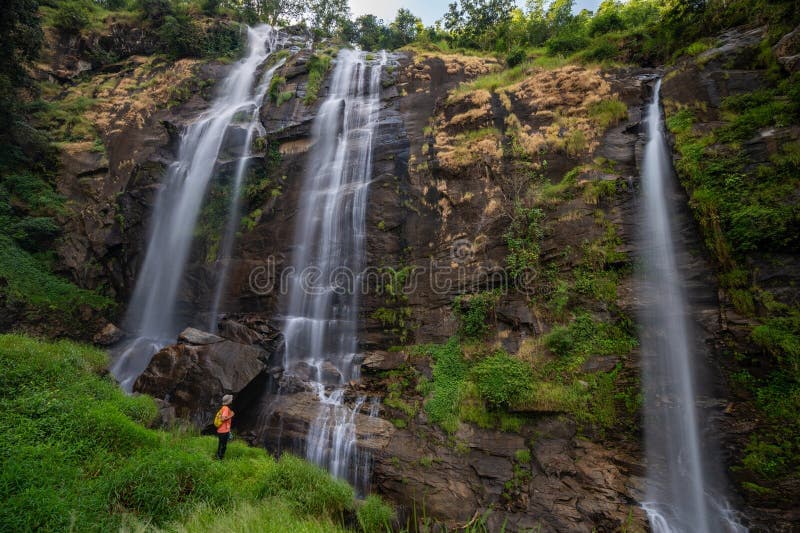
The transition from wet to dry season in Kayin State is gradual. By late October, daily rainfall drops significantly, though humidity remains high, often hovering around 80%. Daytime temperatures in Mikenaungea typically range between 28°C and 33°C (82°F–91°F), while nights offer a welcome reprieve, cooling down to around 22°C (72°F). This period is ideal for outdoor exploration because the trails are firm enough for walking, yet the vegetation is at its most vibrant.
Travelers should pack light, breathable clothing made from natural fibers like cotton or linen. A lightweight rain jacket is still advisable for sudden afternoon showers, which can occur even as the season shifts. The light quality during this time is particularly striking; the morning sun filters through the canopy with a soft, golden hue, perfect for photography. By November, the skies become consistently clear, extending the comfortable window for hiking and sightseeing well into the year.
Getting to Mikenaungea
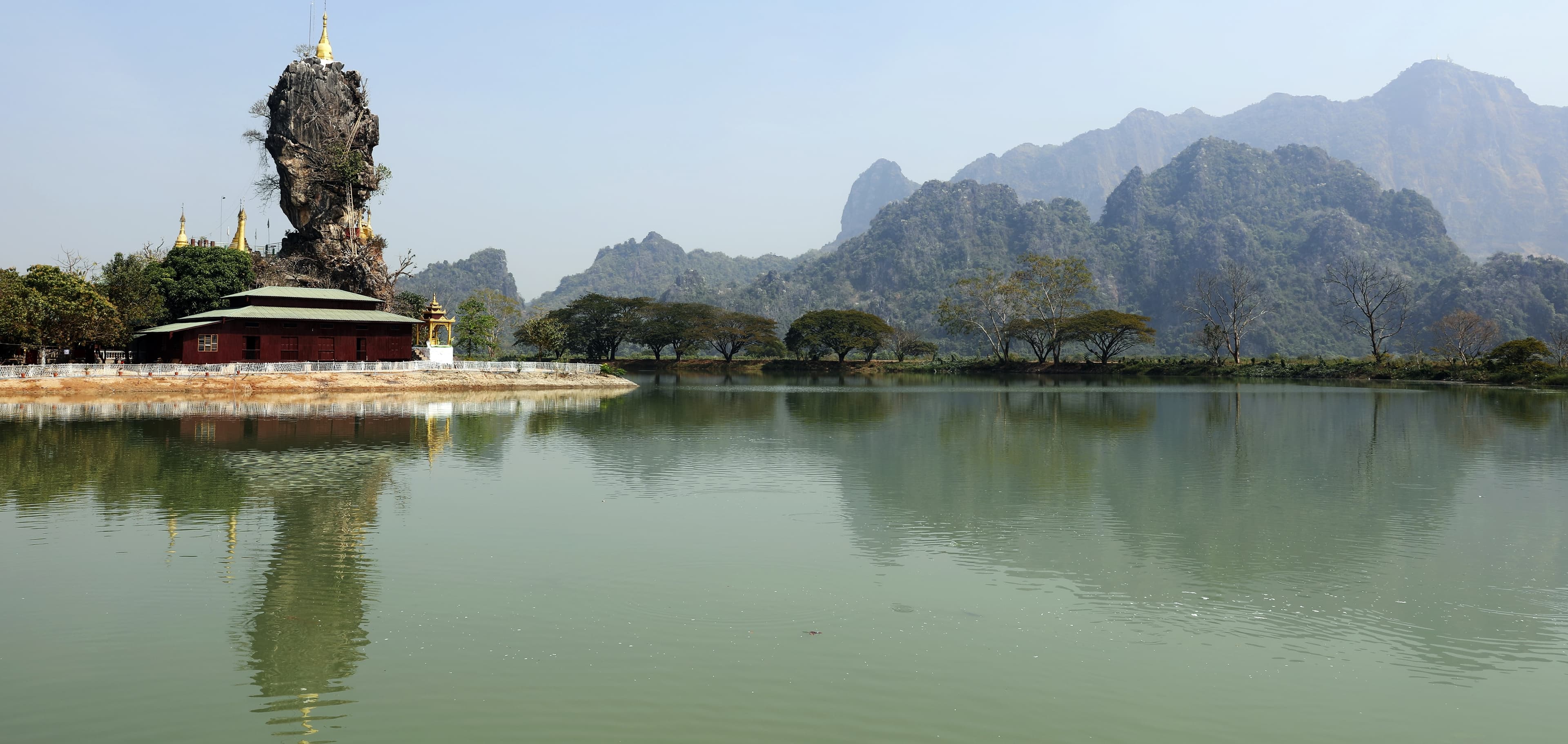
Reaching Mikenaungea requires some planning, as it is not a primary hub in Myanmar’s transport network. Most international visitors fly into Yangon International Airport (RGN) or Mandalay International Airport (MDL). From there, the journey continues overland. The most common route involves traveling to Hpa-An, the capital of Kayin State, which serves as the regional gateway.
From Hpa-An, you can hire a private vehicle or join a shared minivan heading towards the interior of Kayin State. The roads are paved but can be narrow and winding, especially as they climb through the hills. The drive from Hpa-An to the general vicinity of Mikenaungea takes approximately 2 to 3 hours, depending on road conditions and stops. Local buses are available and significantly cheaper, costing around 3,000 to 5,000 MMK per seat, but they are slower and less comfortable. For those prioritizing convenience, arranging a driver in Hpa-An for a full-day excursion is a practical option, allowing flexibility to stop at viewpoints along the way.
Exploring the Local Landscape
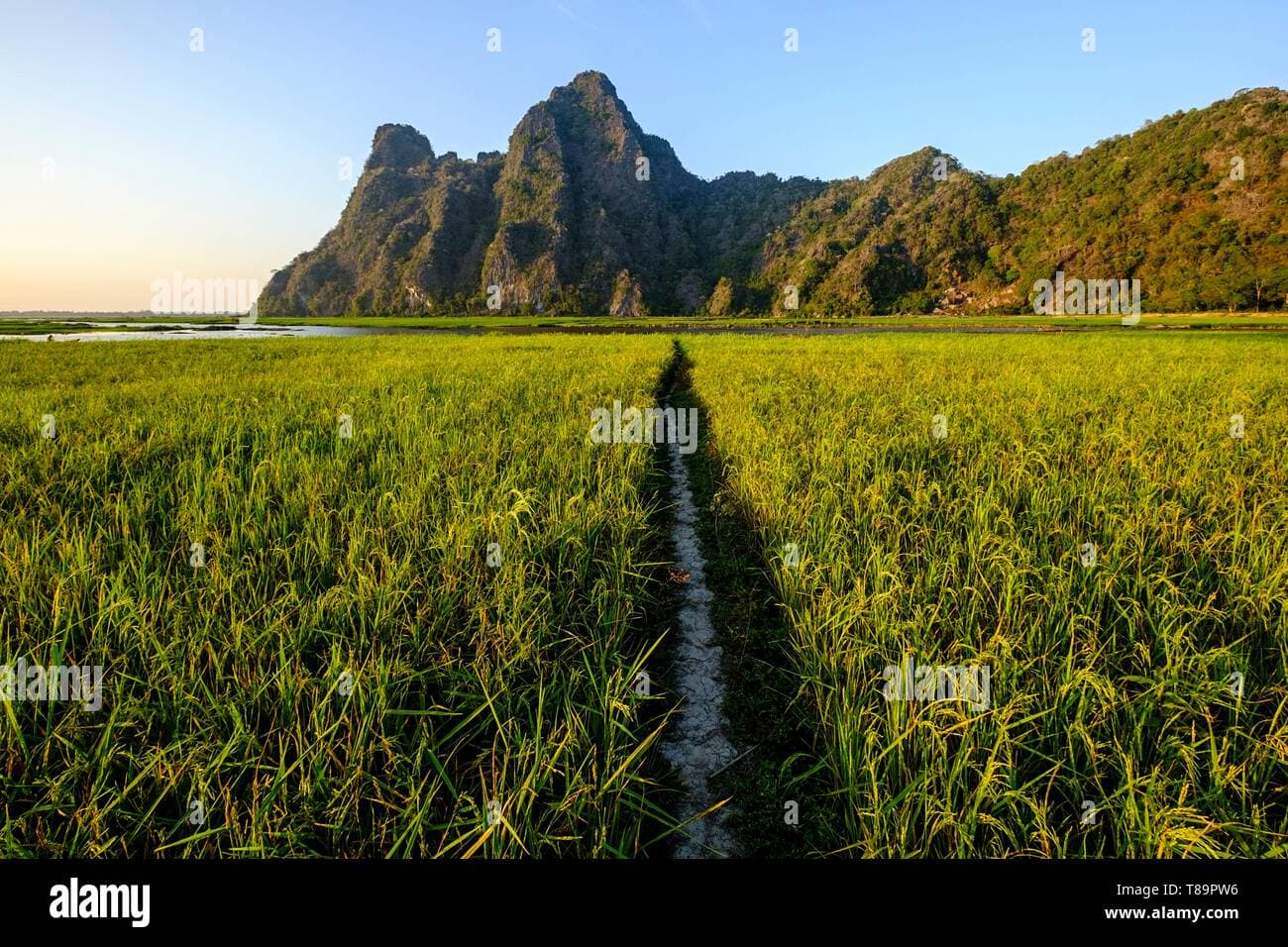
Mikenaungea itself is a small locality with a population of roughly 2,000 residents, nestled near neighboring villages like Klonhtoug and Mi Na Ah. The appeal here lies in its proximity to the natural beauty of Kayin State. The area is characterized by rolling hills, rice paddies, and dense forests. During autumn, the rice fields begin to turn golden as the harvest season approaches, creating a picturesque contrast against the green hills.
Hiking is a popular activity in the region. Trails around Mikenaungea lead to small waterfalls and limestone outcrops that are less frequented by tourists than those near Hpa-An. The trek to a nearby viewpoint offers panoramic views of the valley, especially rewarding at sunrise when the mist hangs low over the trees. Visitors should wear sturdy walking shoes and carry sufficient water, as facilities along the trails are minimal. The local community is welcoming, and engaging with residents can provide insights into traditional Karen agricultural practices.
Food and Local Flavors
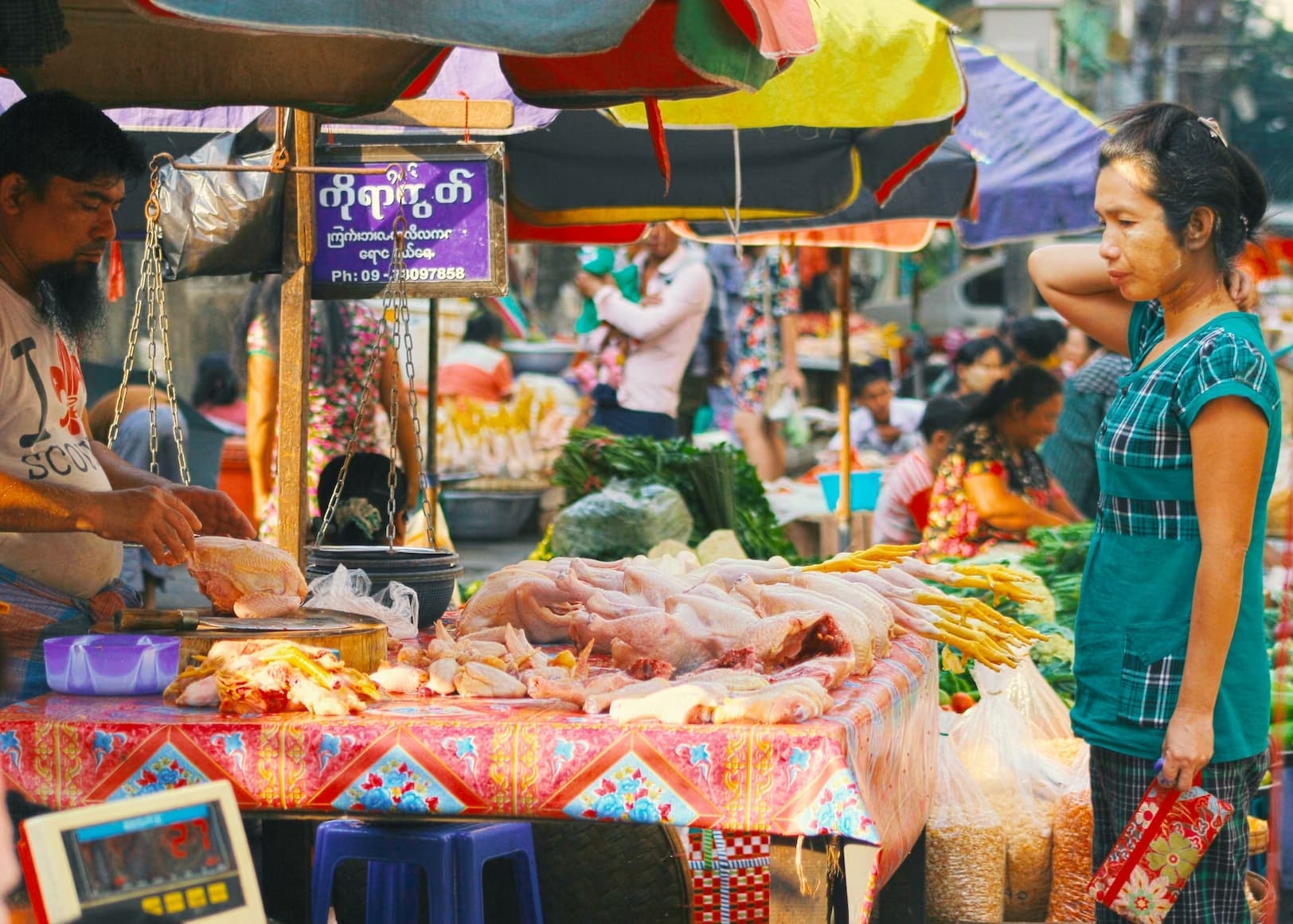
Culinary experiences in Mikenaungea reflect the broader Karen (Kayin) cuisine, which emphasizes fresh herbs, wild vegetables, and rice. A standout dish is khauk swé, a chicken and rice noodle soup, often served with a side of fresh greens and chili paste. Another local specialty is laphet, or fermented tea leaves, which are eaten as a salad with peanuts, sesame seeds, and fried garlic. This dish is a staple in Karen households and offers a unique, savory flavor profile.
Street food is abundant in nearby towns, with vendors selling mont let thoke (banana salad) and shan ywé (steamed rice cakes) at local markets. Prices are affordable; a meal at a local eatery typically costs between 2,000 and 5,000 MMK. Drinking water should be bottled or purified, as tap water is not safe for consumption. For those interested in local beverages, try kanauk, a traditional rice beer, which is widely consumed in rural areas. Always ask before taking photos of food or vendors, respecting local customs and privacy.
Accommodation and Practical Tips
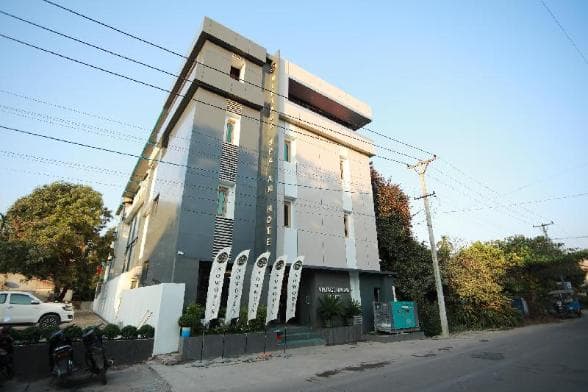
Accommodation options in Mikenaungea are limited due to its small size. Most travelers stay in nearby Hpa-An or in guesthouses in larger towns within Kayin State, then day-trip to Mikenaungea. However, basic homestays are available in the village, offering a chance to immerse yourself in local life. These rooms are simple, with shared bathrooms and fan cooling, but they provide an authentic experience. Rates are typically around 10,000 to 20,000 MMK per night.
For a more comfortable stay, consider booking a boutique hotel in Hpa-An, which offers amenities like air conditioning, private pools, and on-site restaurants. From there, you can arrange guided tours to Mikenaungea and surrounding areas. When traveling in rural Myanmar, it is essential to carry cash, as ATMs are scarce outside major cities. The Myanmar Kyat (MMK) is the local currency, and small denominations are useful for markets and transport.
Respect local customs by dressing modestly, especially when visiting religious sites or entering villages. Remove shoes before entering homes and some shops. Learning a few basic phrases in Burmese or Karen can enhance interactions with locals, who appreciate the effort. Overall, an autumn visit to Mikenaungea offers a serene, off-the-beaten-path experience in Myanmar, blending natural beauty with cultural authenticity.