Find the quiet corners of the Fergana Valley where the air is still. Marhamat Tumani offers a low-key alternative for spotting local avian life in Uzbekistan.
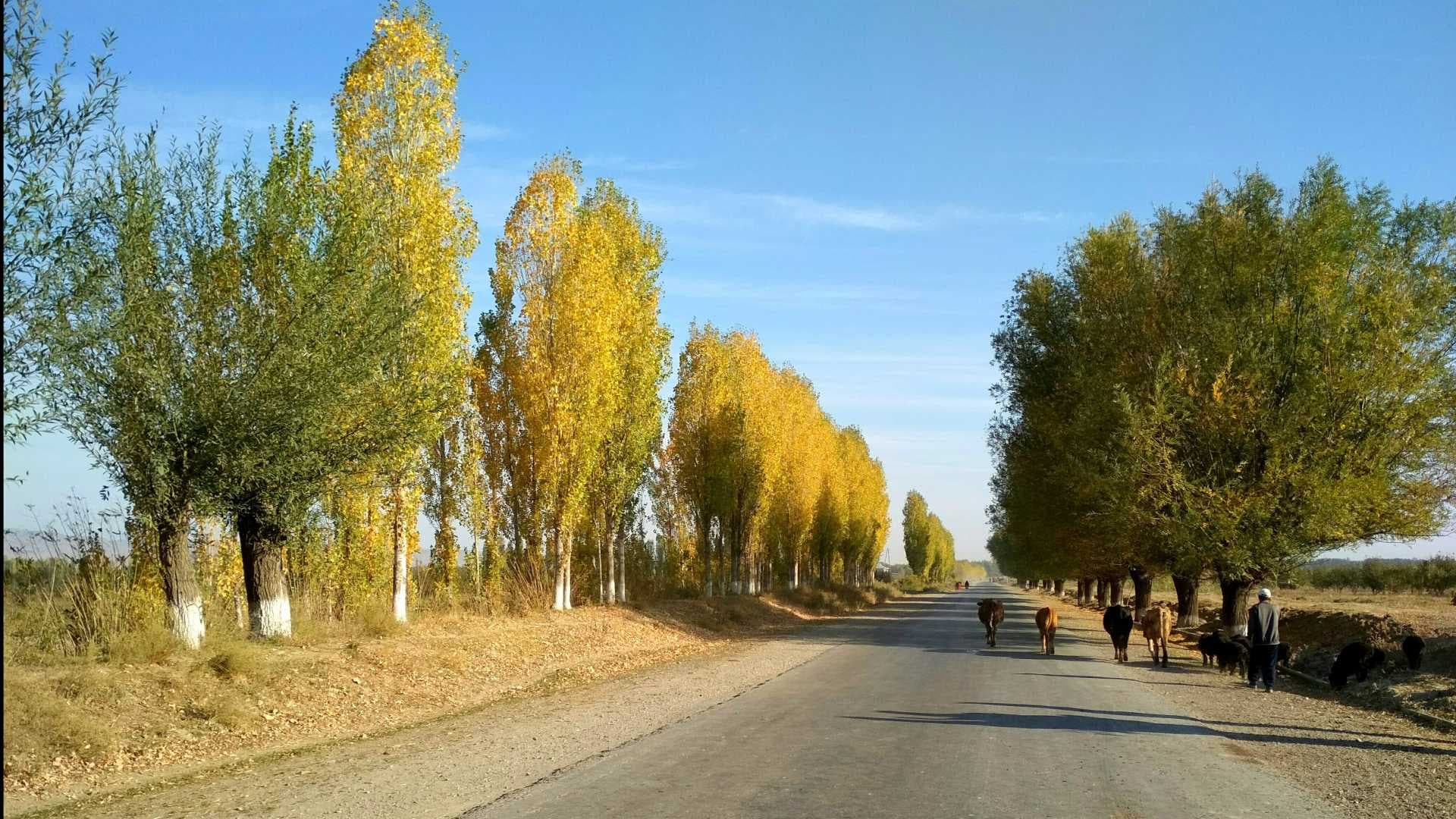
The Fergana Valley does not market itself as a birding hotspot, and that is precisely why it works. While the major cities like Andijan and Fergana are choked with traffic and construction noise, the smaller administrative centers on the valley’s eastern edge retain a rhythm dictated by the sun, not the schedule. Marhamat Tumani, a district in Andijan Region, is one such place. It serves the traveler who wants to see how the local ecosystem functions when the human footprint is lighter, rather than the ornithologist chasing a rare migrant on a checklist. You are not coming here to photograph a snow leopard or a golden eagle in flight. You are coming to watch the sparrows argue over a crust of bread, the herons stalk the irrigation channels, and the geese migrate south in tight, disciplined formations. The view from the terraced hillsides is open, the light in autumn is sharp and clean, and the silence is broken only by the sound of wind in the poplars and the distant hum of a tractor.
The Landscape of the Valley Floor
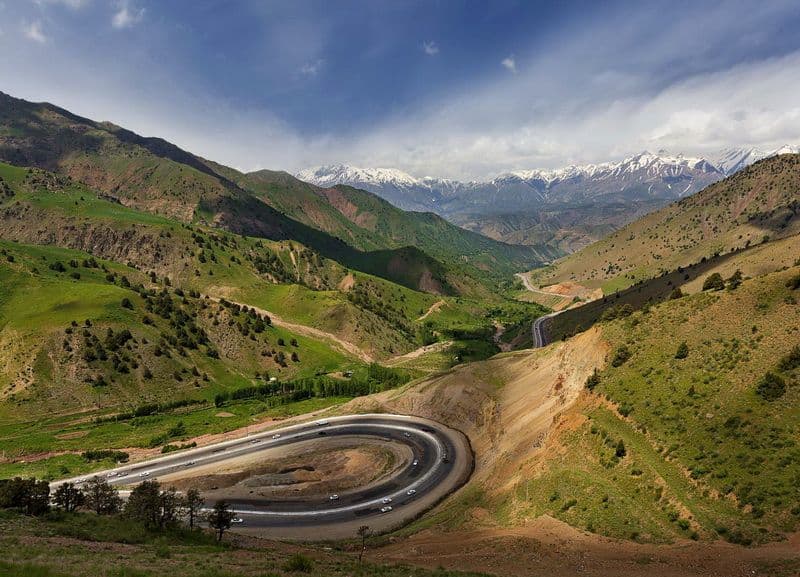
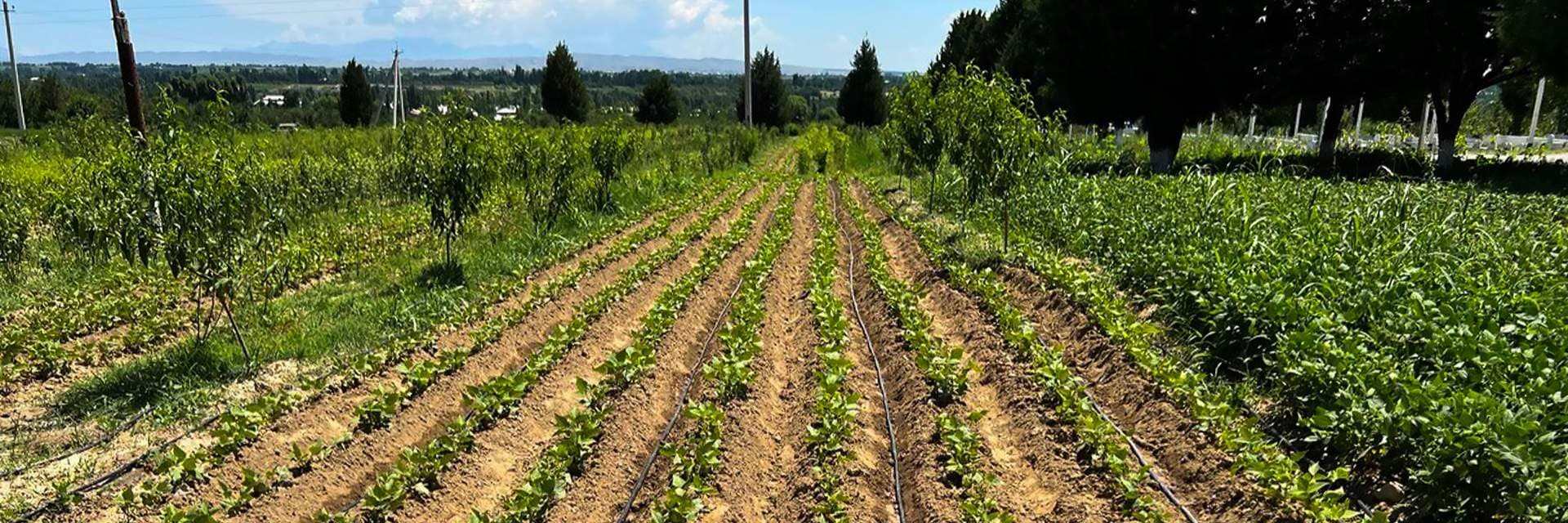
Marhamat Tumani sits on the fertile plain of the Fergana Valley, near the border with Kyrgyzstan. The district covers roughly 321 square kilometers, a patchwork of agricultural land, small settlements, and the winding lines of irrigation canals that define life in this arid region. This is a working landscape, not a wild, untouched wilderness in the way of a national park. The birds you see here are adapted to a human-modified environment. They live in the margins: the edges of wheat fields, the banks of the canals, the scrubby hillsides that rise sharply from the flat valley floor.
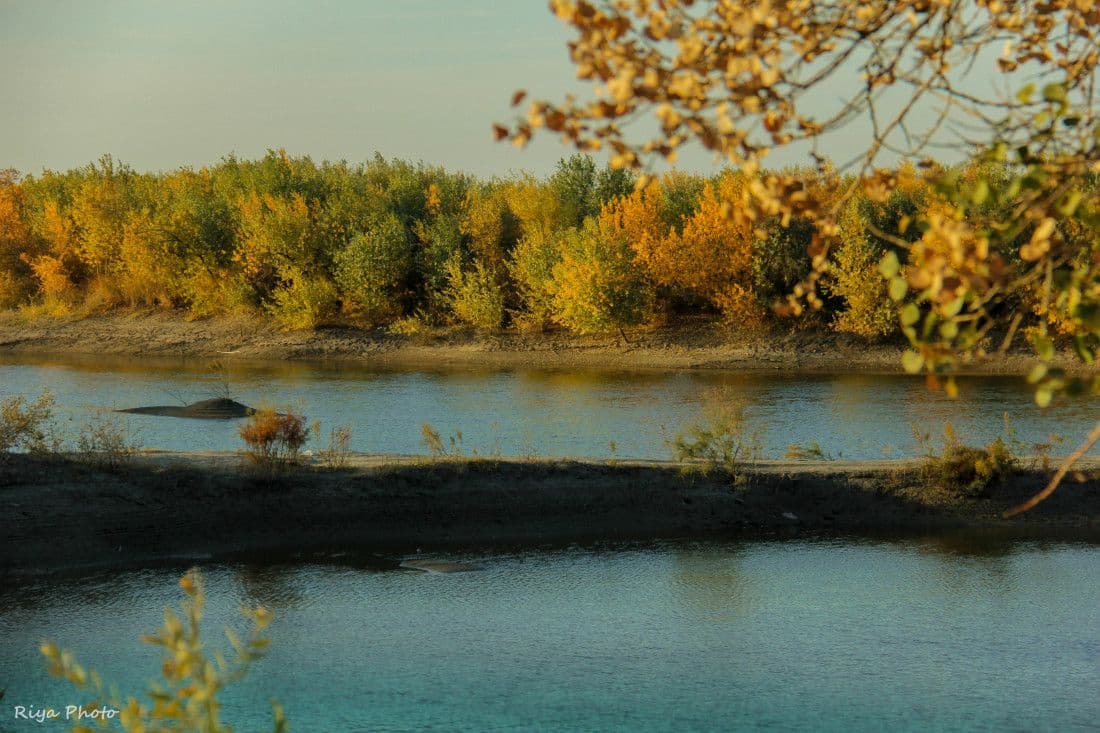
The geography dictates the birdlife. The valley is a funnel for migration. In autumn, the skies above Marhamat are busy. You will see flocks of geese and ducks moving along established flyways, using the open water of the canals and the reservoirs to rest and feed. The presence of the irrigation system is crucial. It creates a mosaic of wetlands and dry fields that supports a diverse range of species. Without the water, the valley is dust. With it, it is a corridor of life. The urban-type settlements like Polvontosh and Boboxuroson are small enough that the boundary between town and country is blurry. A walk from the main square in Marhamat, the district’s administrative center, takes you out of the paved streets and into the fields within minutes.
What to Look For
Since specific birdwatching sites are not formally designated or heavily publicized, the strategy here is observational. You are looking for the common, the resilient, and the migratory. The Eurasian Cuckoo is a frequent visitor in the spring and early summer, its call echoing through the orchards. In autumn, the focus shifts to the waterfowl. The Grey Heron is a staple of the valley, standing motionless in the shallows of the canals, its long neck coiled like a spring. You will also see the Black-headed Gull and the Yellow-legged Gull, both of which are adapted to the urban and agricultural mix. They nest on rooftops and feed in the fields, thriving in the gaps left by modernization.
The hills surrounding the district offer a different perspective. Here, the vegetation is sparser, and the birdlife reflects that. The Eurasian Blue Tit and the Great Tit are common in the scattered poplar and willow trees. They are quick, bright, and difficult to photograph unless you know where to look. The autumn light is your best tool. The sun sits lower in the sky, casting long shadows and highlighting the texture of the landscape. This is the time of year when the geese are heading south, and the sky can be filled with thousands of birds. It is a sight that does not require a guidebook. It requires only a clear sky and a quiet spot to watch.
Getting There and Around
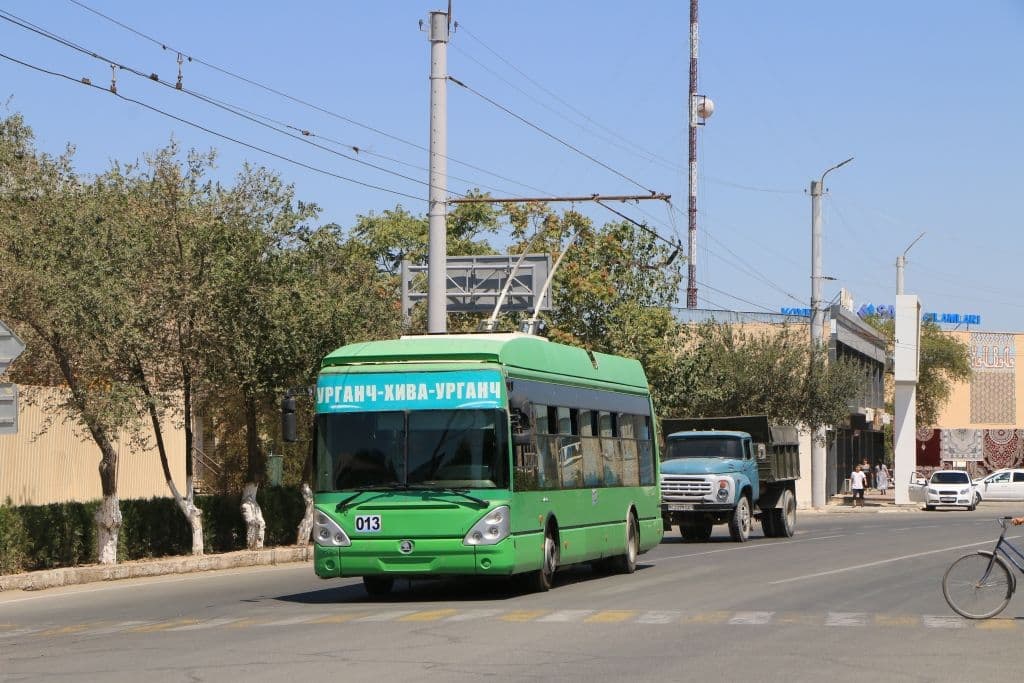
Reaching Marhamat Tumani is a matter of logistics rather than luxury. The nearest major transport hub is Andijan, which has an airport with flights from Tashkent, taking about an hour. From Andijan, the connection to Marhamat is by local road. There are no direct international flights to Marhamat, and the local railway connections are not well-documented for international travelers. The most reliable way to move is by marshrutka (shared minibus) or by hiring a car. The distance from Andijan to Marhamat is short, but the roads can be busy. If you are traveling by car, expect a journey time of roughly an hour, depending on traffic and the condition of the roads.
Within the district, you will be walking. The settlements are small, and the points of interest are spread out. You do not need a vehicle to see the birds. A pair of sturdy walking shoes is more useful than a 4x4. The main town of Marhamat serves as a base. From there, you can walk to the canals or the edges of the fields. The local people are generally helpful, but language can be a barrier. Uzbek and Russian are the primary languages. A phrasebook with basic greetings and questions about directions is essential. Do not expect English to be widely spoken outside of the main administrative offices.
Practical Notes and Timing
The best time to visit for birdwatching is in the autumn, specifically from September to November. This is the period of the southward migration. The weather is mild, the air is dry, and the light is excellent for observation. The summer months are hot and humid, which can make fieldwork uncomfortable. The winter is cold, and the fields are often covered in frost or snow, limiting the visibility of ground-nesting species.
When to go is also about avoiding the crowds. Marhamat Tumani attracts few tourists, so you will rarely encounter other birdwatchers. This solitude is a plus. You will have the landscape to yourself. However, it also means that there is no infrastructure in place for birders. There are no hides, no boardwalks, and no official trails. You are on your own to find the best vantage points. This requires a degree of self-reliance. Check the local weather forecast before you head out. The valley can be windy, and the temperature can drop quickly in the evening. Bring layers. A windbreaker is essential.
The local culture is conservative, and you should dress modestly, especially when visiting the smaller settlements. Respect the privacy of the local residents. Do not trespass on private land. The fields and canals are often owned by local farmers. A simple gesture of respect, such as asking permission before entering a field, goes a long way. The people of the Fergana Valley are proud of their land, and they appreciate visitors who show respect for it.
Frequently Asked Questions
Do I need a special visa for Uzbekistan? Yes. Most travelers need a visa to enter Uzbekistan. The e-visa system is available for many nationalities and can be applied for online before travel. Check the current requirements on the official government website before you book your flights. The process is generally straightforward, but it is essential to have valid documentation.
Is it safe to walk alone in the district? Generally, yes. Marhamat Tumani is a small, quiet district with a low crime rate. However, as with any rural area, it is wise to be aware of your surroundings. Avoid walking alone at night, especially in the fields. Stick to the main roads and well-lit areas of the town after dark. The local community is friendly, but it is important to exercise common sense.
What currency should I carry? The local currency is the Uzbek som. While some larger shops in Andijan may accept foreign cards, it is best to carry cash, especially in the smaller settlements of Marhamat Tumani. ATMs are available in Andijan and Fergana, but they are less common in the district. Exchange money in the main cities before heading out to the valley floor. Small bills are useful for buying water or snacks from local vendors.