Kabul, the capital of Afghanistan, is a city steeped in history, culture, and complex geopolitics. As spring 2026 unfolds, travelers seeking a luxury hotel experience in this central Asian hub face a unique blend of challenges and opportunities. While the city offers architectural beauty, rich heritage, and a resilient local hospitality sector, safety remains a critical consideration. This guide provides a balanced, practical overview for those intrigued by the idea of a high-end stay in Kabul — focusing on what’s possible, what to expect, and how to approach the experience responsibly.
Understanding the Current Landscape
Kabul is not a destination for the casual tourist. The U.S. Department of State maintains a Level 4: Do Not Travel advisory for Afghanistan, citing ongoing risks of terrorism, civil unrest, and kidnapping. Even so, a small number of international travelers — primarily diplomats, aid workers, and a few adventurous cultural enthusiasts — do visit. For luxury travelers, the focus is on staying within secure, well-established accommodations that prioritize safety and privacy.
The city’s luxury hotel scene is modest but evolving. While grand international chains like Four Seasons or Ritz-Carlton are absent, local operators are investing in quality service and modern amenities. The Park Star Hotel, located in central Kabul, has recently partnered with Afghan Guest, a local booking platform, signaling a growing effort to professionalize the hospitality sector. These hotels often serve as hubs for business travelers and foreign missions, offering secure access, 24/7 security, and reliable services.
What to Expect from a Luxury Hotel in Kabul
Luxury in Kabul doesn’t mean the same as in Dubai or Paris. It’s defined by discretion, safety, and comfort within a context of high alert. Most upscale hotels feature:
- Secure Perimeters: Reinforced gates, checkpoints, and armed guards are standard. Guests are often required to register and may be subject to bag checks.
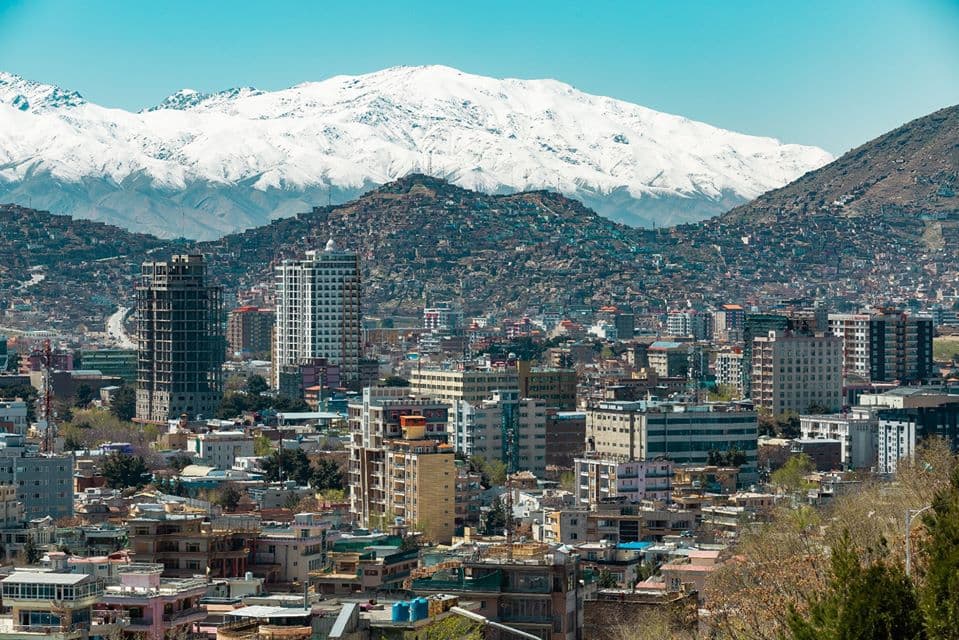
- Modern Amenities: Rooms are typically well-furnished with Wi-Fi, flat-screen TVs, and en-suite bathrooms. Some offer balconies with views of the city’s rugged mountains.
- Dining Options: In-house restaurants serve Afghan cuisine — think lamb kebabs, mantu dumplings, and saffron rice — alongside international dishes. Alcohol is not served, in line with local regulations.
- Limited Leisure Facilities: Gyms, spas, and pools are rare. Some hotels offer rooftop terraces for quiet moments, but outdoor activities are restricted due to security concerns.
The experience is more about peace of mind than indulgence. Guests often report a sense of being “in a bubble” — safe and comfortable, but aware of the world outside.
Safety First: Navigating Your Stay
Before booking, assess your personal risk tolerance. The U.S. and many Western governments strongly advise against non-essential travel to Afghanistan. If you proceed, here are key safety tips:
- Book Through Reputable Operators: Use platforms like Afghan Guest or directly contact the hotel. Avoid online bookings without verified local support.
- Stay Within Hotel Premises: Limit excursions. If you must go out, use official hotel transport and avoid crowded areas, especially during protests or religious events.
- Register with Your Embassy: If you’re a foreign national, ensure your embassy has your contact details and location.
- Stay Informed: Follow local news from trusted sources like Al Jazeera or the BBC. Avoid social media for real-time updates — misinformation is rampant.
It’s also wise to have a clear emergency plan. Know the location of your embassy, carry emergency contacts, and have a backup communication method (e.g., satellite phone or offline maps).
The Cultural and Historical Context
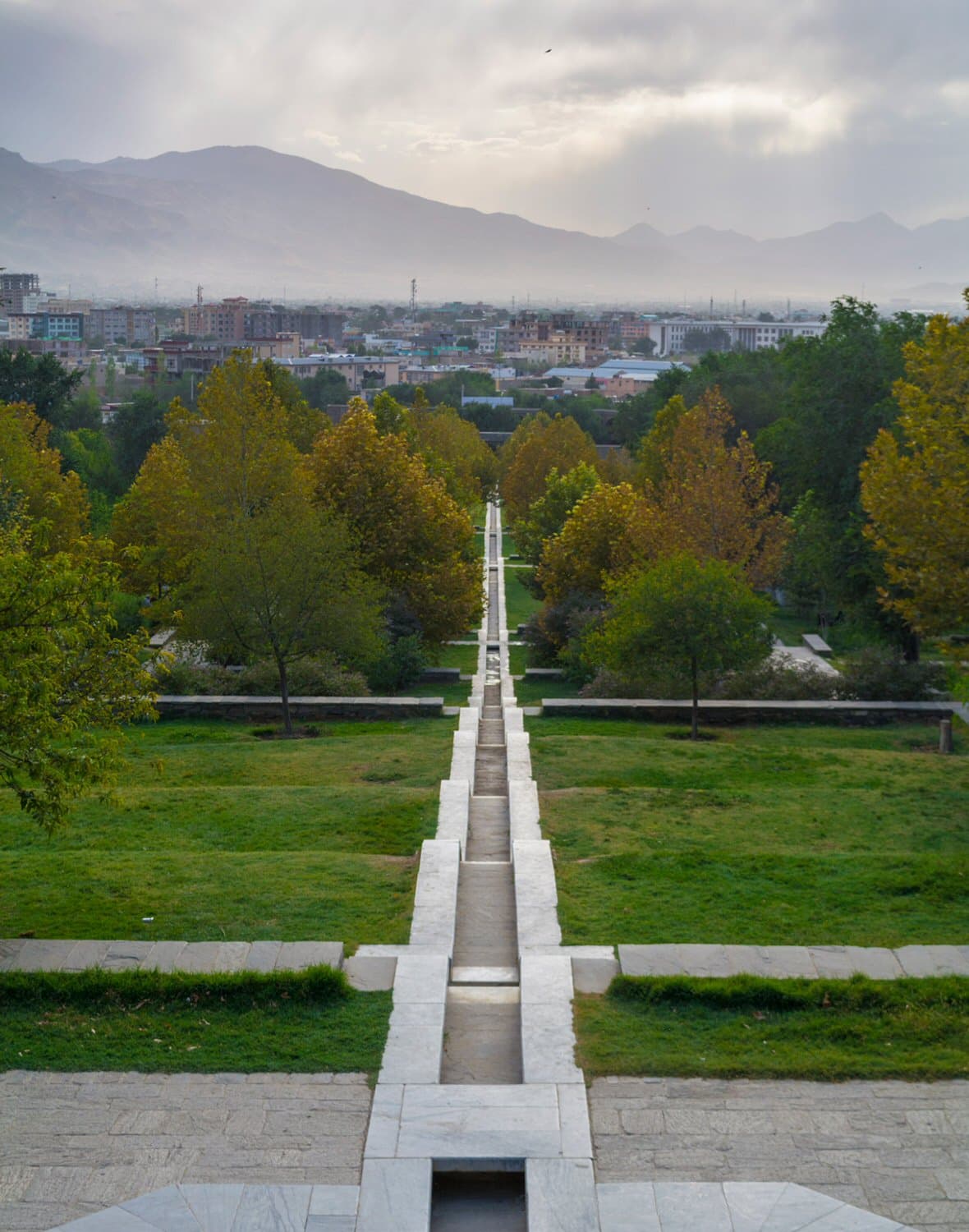
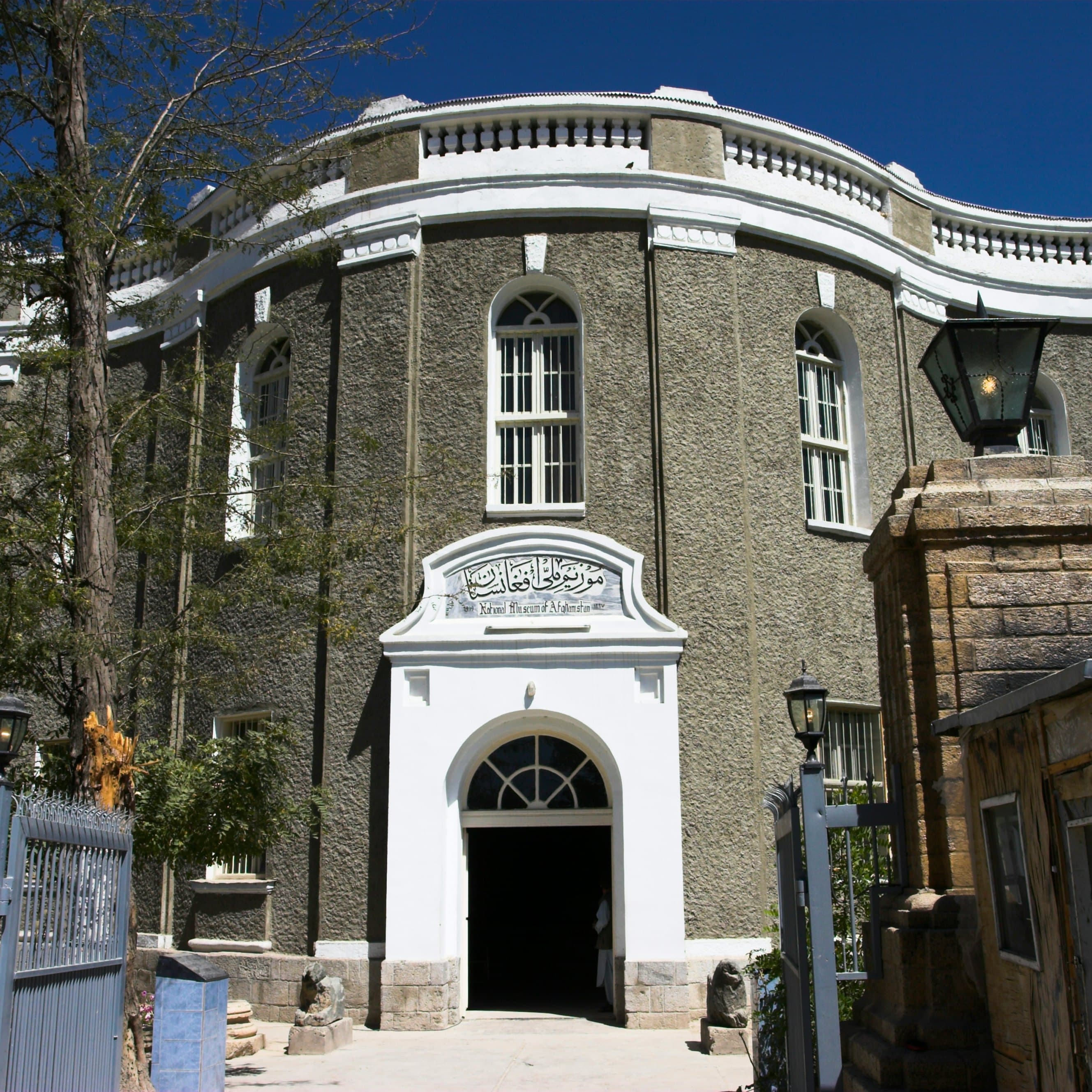
Kabul is a city of contrasts — ancient bazaars coexist with modern construction, and centuries-old mosques stand near new apartment blocks. A luxury hotel stay offers a vantage point to observe this duality. Many hotels are located near key cultural sites, such as the Kabul Museum (currently under reconstruction) and the Babur Gardens, named after the Mughal emperor who once ruled here.
Spring in Kabul brings milder weather and blooming flowers, especially in the surrounding hills. While outdoor exploration is risky, some guests enjoy early morning walks within hotel grounds or short, escorted visits to nearby parks — always under the guidance of hotel staff.
Practical Tips for Travelers
- Visa Requirements: Most travelers need a visa, which must be obtained in advance from an Afghan embassy or through a local travel agency. Processing times can be lengthy.
- Currency: The Afghan afghani (AFN) is the official currency. Credit cards are rarely accepted outside major hotels. Bring cash in USD or AFN.
- Language: Dari and Pashto are the official languages. English is spoken in hotels and by many younger staff, but learning a few basic phrases in Dari can enhance your experience.
- Dress Code: Modest clothing is expected, especially outside hotel grounds. Women should cover their heads and arms when venturing out.
- Internet: Wi-Fi is available in hotels, but speeds can be slow. Consider downloading offline maps and guides before arrival.
Final Thoughts
A luxury hotel stay in Kabul, Afghanistan, is not for everyone. It’s a journey that demands careful planning, a high tolerance for uncertainty, and a deep respect for local realities. For those who choose to go, it offers a rare glimpse into a city rebuilding itself amidst adversity. The experience is less about opulence and more about connection — to history, to resilience, and to a people navigating a complex future.
If you’re considering this trip in spring 2026, proceed with caution, prioritize safety, and choose your accommodations wisely. The rewards may be profound — but so are the risks.